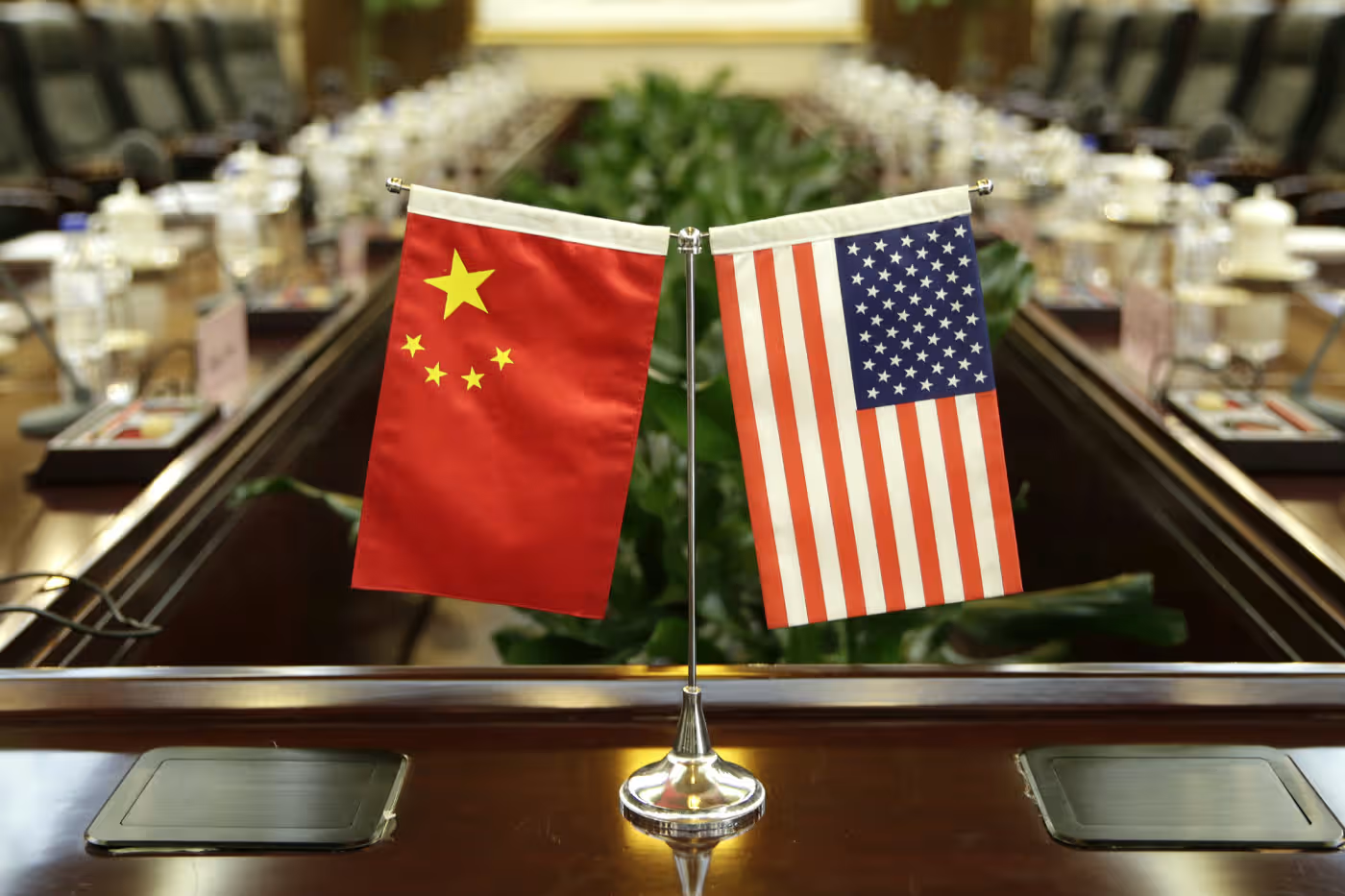


The meeting between Donald Trump and Xi Jinping on Thursday, October 30, has effectively set the political tone for the new week. One of the key questions after the talks is what will happen to Russian oil. What became evident after the meeting is that China is moving toward pragmatic economic realism — and this shift appears to be in the opposite direction from Moscow.
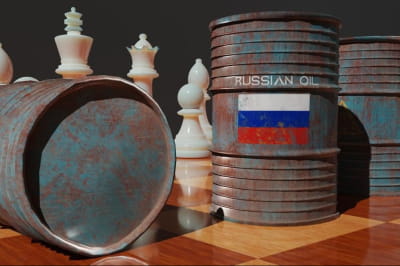
Sanctions are working
The latest package of sanctions the U.S. and its allies imposed on October 22 hit not only Rosneft and Lukoil, but also their customers. Several Chinese refineries have already been added to the blacklists of the United Kingdom and the European Union, Bloomberg reports.
At the same time, China has not made a political decision to strategically reject Russian oil. This is not yet Beijing’s official state policy. But individual companies — both state-owned and private — are reducing purchases due to sanctions risks. Private refineries are reacting the most decisively. They were the first ones targeted by blacklisting measures.
The most affected grade is the popular Russian crude ESPO, whose price is falling. Nearly half of Russia’s oil exports to China are now at risk. Chinese companies are not cutting ties completely, but the market is shifting. This is second-tier sanction logic — and it is proving effective.
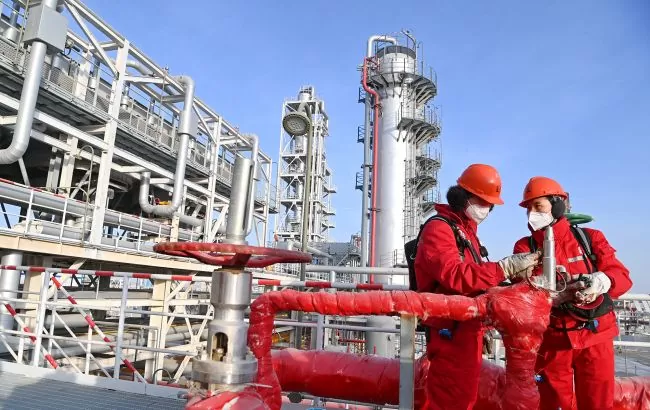
China chooses not to take risks
Chinese companies are sending a clear message: they see the potential losses from blacklisting as more costly than the benefits of cheap Russian barrels, especially when alternative suppliers may emerge. And the U.S. is not accidental here. The trade deal Trump and Xi are believed to have discussed could potentially create a platform for expanding U.S. energy exports into the Chinese market.
Why this matters for Ukraine
Pressure on Russian oil is pressure on the Kremlin’s fiscal resilience. Even a partial or temporary reduction of Chinese purchases affects global pricing, increases pressure, and limits Russia’s capacity to fund the war.
For Ukraine, this opens a new opportunity. Kyiv now needs to more actively integrate into Washington’s and allies’ sanction logic, demonstrating that targeting the buyers of Russian energy can work without military escalation. The deeper the global “buyer boycott” becomes, the faster Russia’s economy enters a phase of structural fatigue and the fewer resources Moscow will have to continue a long war of attrition.
Conclusions
This is not a sudden collapse of Russian energy exports. But it is the beginning of a gradual, systemic push-out of Russia from one of its two key markets. China is not fully closing the door, but a number of Chinese refineries are already demonstrating that the risks of dealing with Moscow are rising. For the U.S., this is an ideal model of influence — through markets, not direct conflict. For Ukraine, this is a chance to expand its diplomatic weight within the sanction coalition and shape the new economic front of pressure against the aggressor.
Trump’s interest is clear. If he can weaken Russia economically through China, he reduces Moscow’s relevance in the global game. And he can do it without spending his own resources.
This is not the end of the war. But this is a step towards the financial weakening of the Kremlin. Ukraine should use this moment now. It should focus on the real levers of influence. These levers are arising from the new US–China arrangements.