

In a recent interview with the German magazine Cicero, Serbian President Aleksandar Vučić outlined a shift in his country’s defense strategy. According to him, Serbia is not a threat to Europe. At the same time, it possesses significant untapped potential.
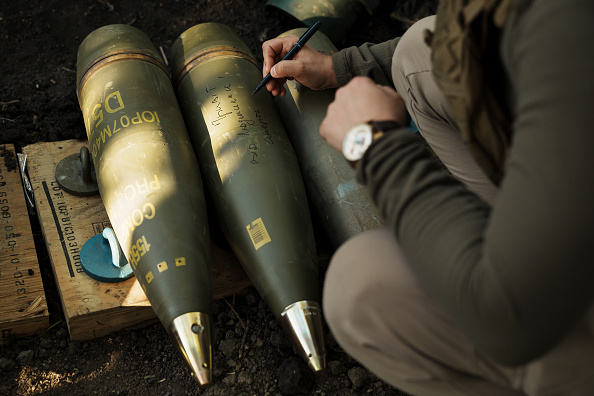
“Our warehouses are full of ammunition, and we are increasing production, especially of mortar shells. We produce more ammunition than France,” he said.
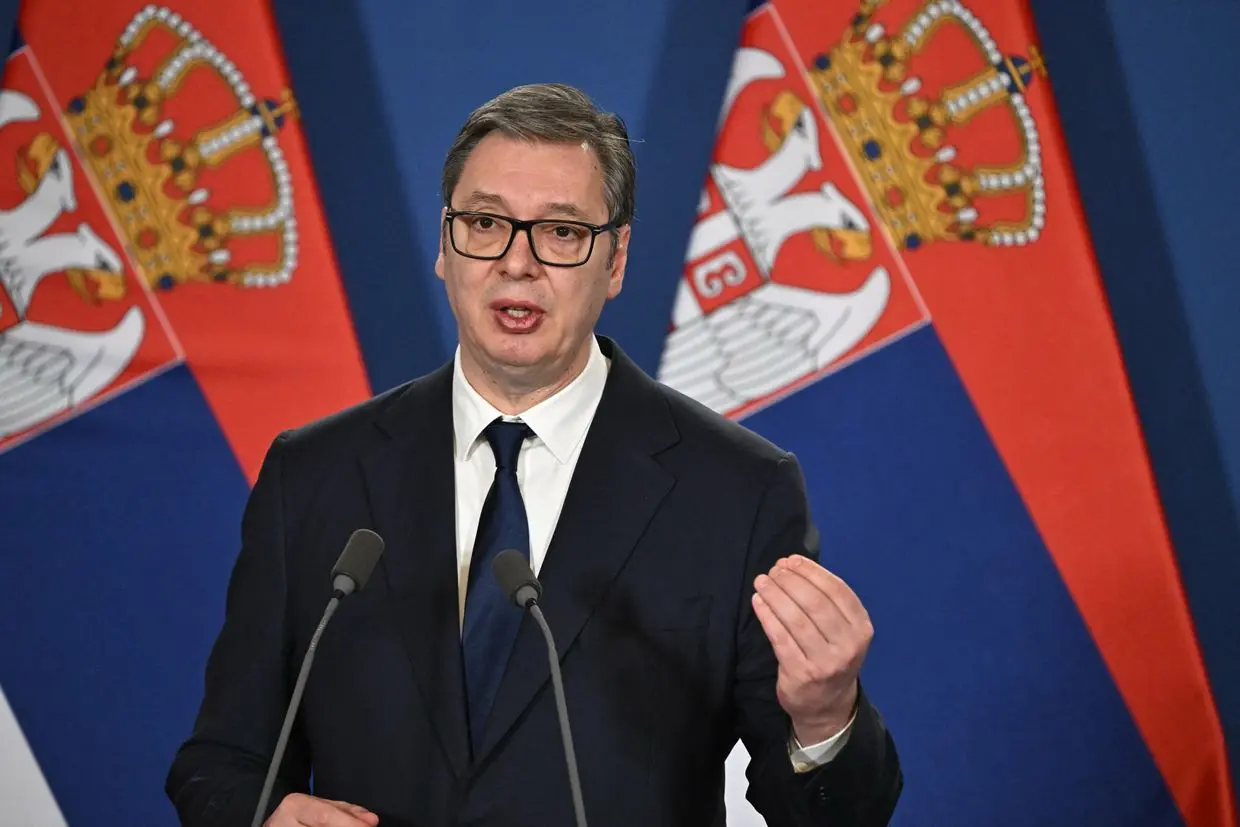
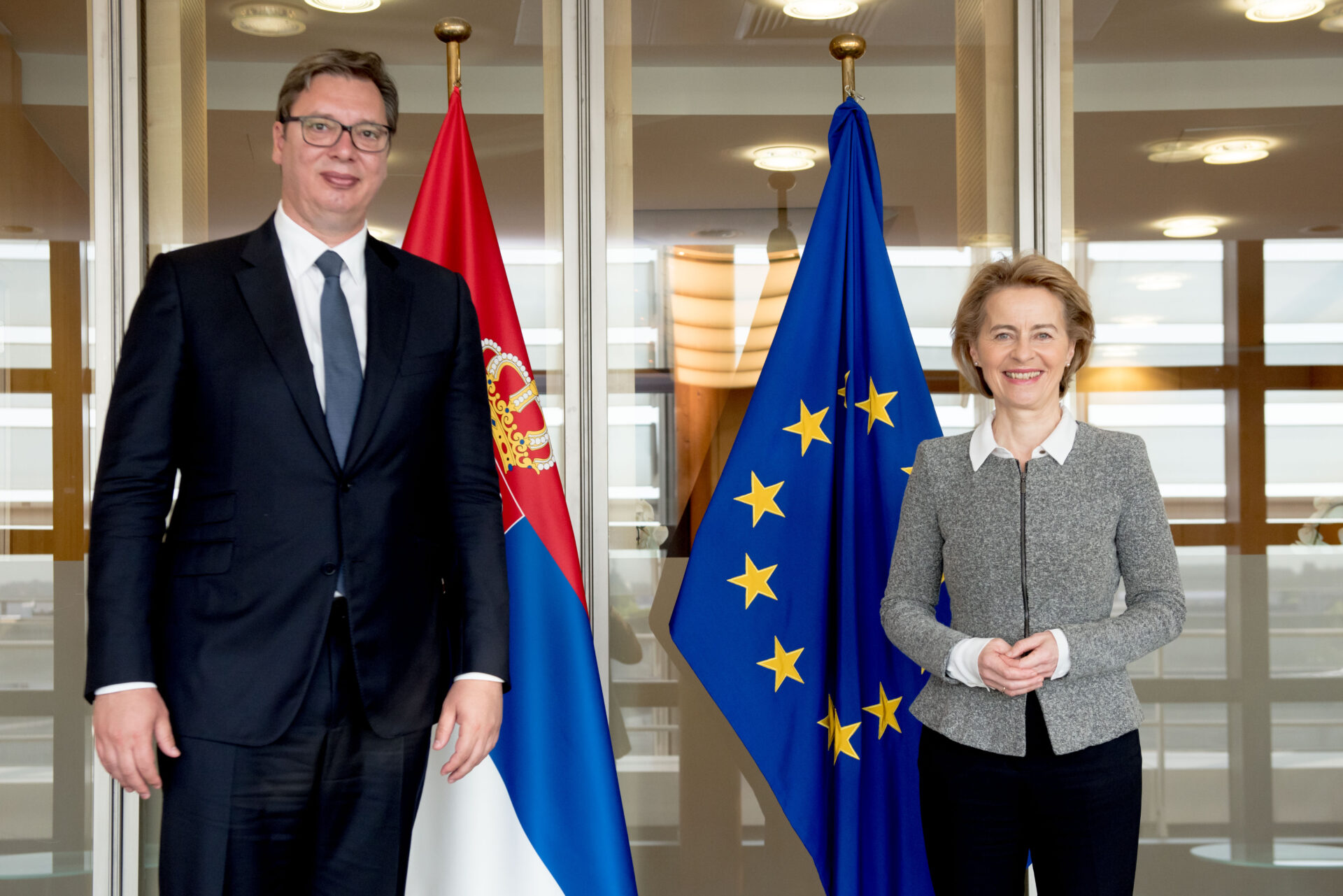
Vučić is offering the EU long-term procurement contracts and the integration of Serbia into European defense supply chains. In practice, this is an economic signal that Belgrade wants — and is ready — to be part of Europe’s emerging defense infrastructure.
Neutrality as a Resource
Serbia maintains a policy of neutrality in Russia’s war against Ukraine. Vučić stresses that Belgrade does not want to appear as a weapons supplier that “fuels conflicts.” At the same time, he acknowledges that after a sale, “buyers can do whatever they want with the ammunition,” even if it ends up in Ukraine.
For Serbia, the key is predictability and production planning. A long-term contract is all that is needed. On this basis, Vučić sets the framework for negotiation: his country is ready to adapt to those who can provide stable demand. This is a classic example of a small actor maneuvering within larger power systems.
Why Belgrade Keeps Moscow Close
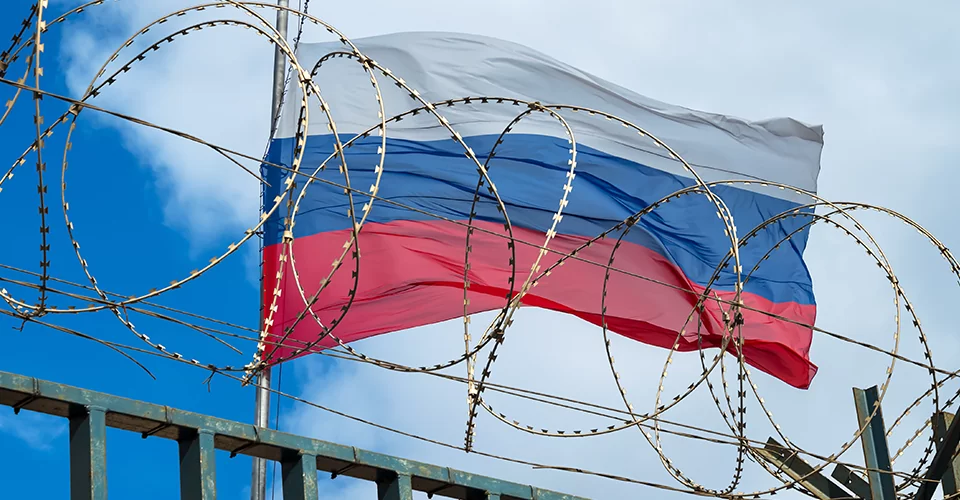
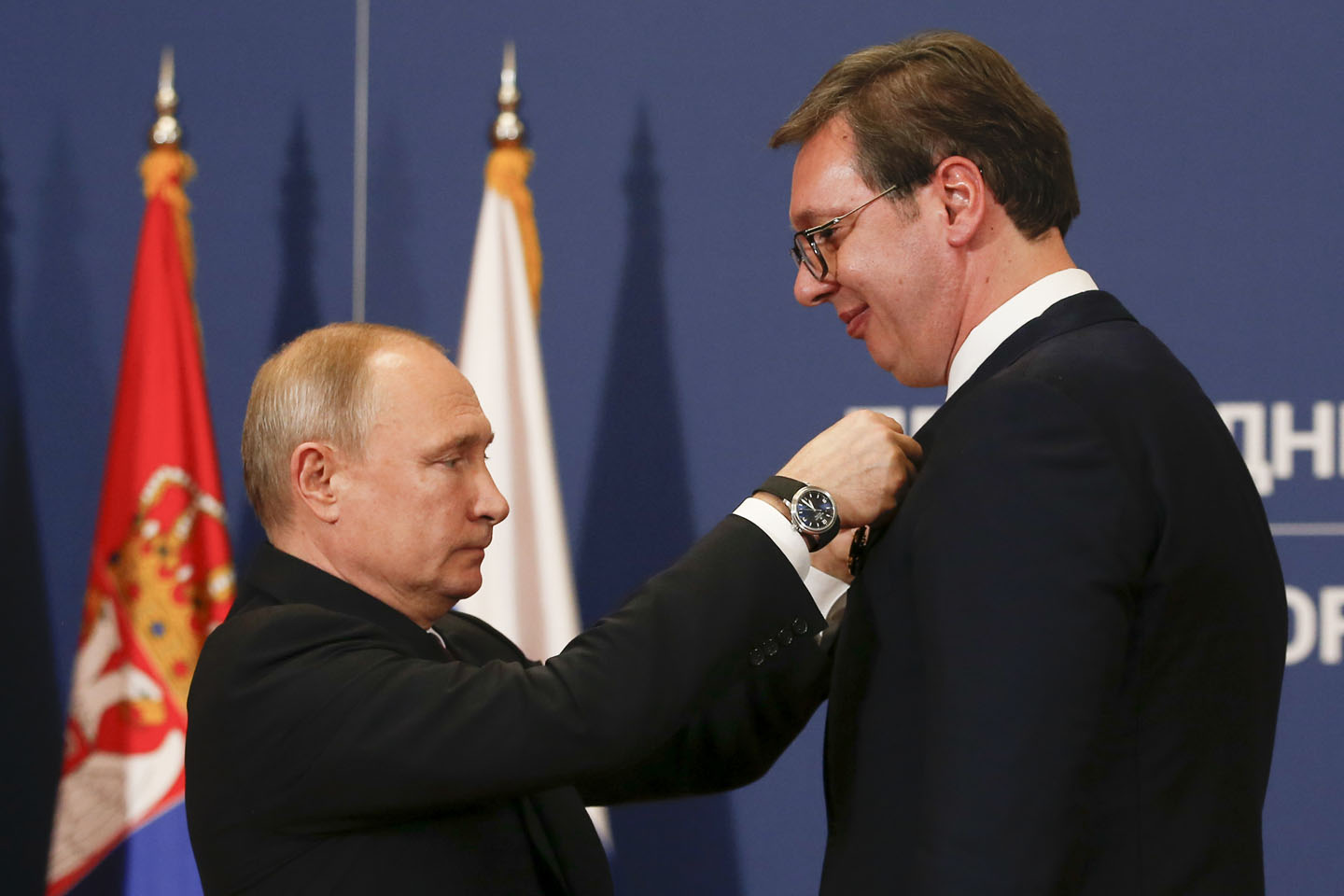
At the same time, Serbia seeks to balance between two centers of influence: integrating economically with the EU while maintaining political flexibility toward Moscow. Vučić clearly states that Serbia will not impose sanctions on Russia. This stance is shaped by energy dependence, domestic political realities, and the Kosovo issue.
It is reasonable to assume that Russia is not a partner for Serbia, but rather insurance. It allows Belgrade to retain political maneuverability, maintain influence over key territorial matters, and at the same time remain economically integrated with the EU. This pragmatic combination of two vectors of influence is a classic example of a small-state strategy in a multipolar world.
Why It Matters to Ukraine
Ukraine is already an element of Europe’s security architecture. Its real interest lies in strengthening Europe’s defense resilience and ensuring transparent access to production resources.
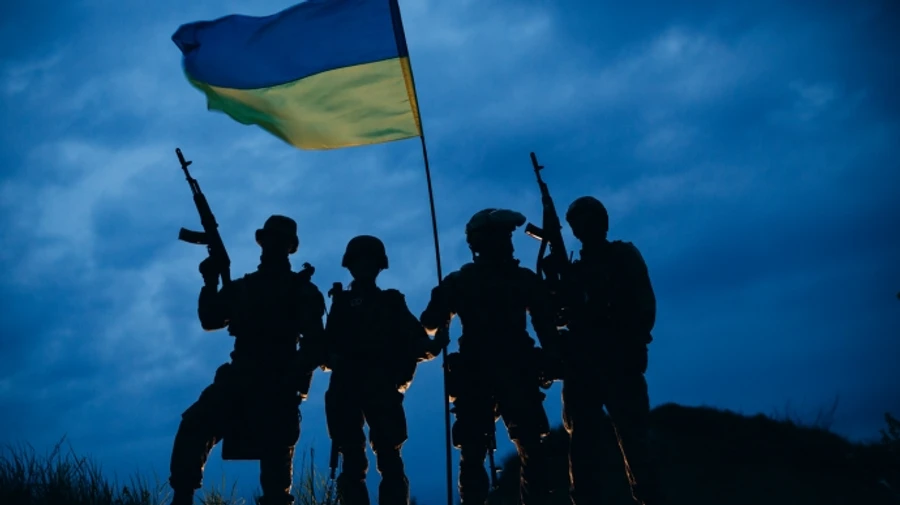
Serbia is unlikely to become a direct partner of Ukraine. Yet additional production capacities, even when channeled indirectly through the EU, increase the potential for long-term support to Kyiv. They also help reduce ammunition shortages over the strategic horizon.
Conclusion
So Serbia is testing a new model: maximum political flexibility with a tangible contribution to European security. For Brussels, this creates a choice: integrate this resource into a shared defense production system or lose it, allowing Moscow to maintain disproportionate influence over Serbia’s trajectory.
Europe must now clearly distinguish pragmatic deals with Belgrade from strategic dependence on Moscow. This distinction will determine not only the strength of European defense but also the resilience of support for Ukraine in a long attritional war.