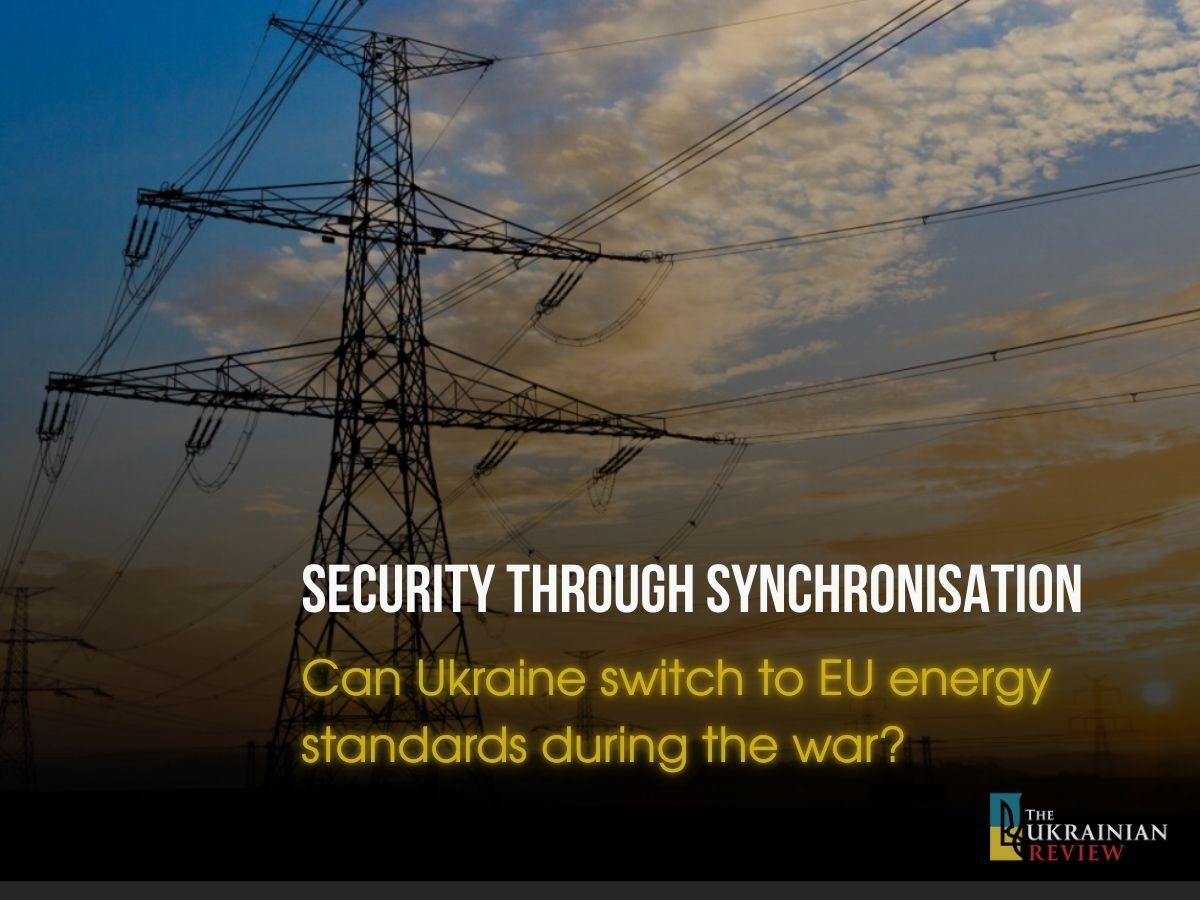


The Ukrainian energy system is facing an acute shortage of generation and transmission capacity due to ongoing Russian attacks. Russia’s latest tactic involves not only strikes on power plants but also the systematic destruction of transmission lines and substations. As a result, even electricity imports from Europe via ENTSO-E cannot be fully delivered to consumers, particularly in cities on the left bank of the Dnipro River.
What ENTSO-E Is
Ukraine’s accession to the Unified Energy System of Continental Europe (ENTSO-E) in 2022 has helped stabilise the energy system and cope with electricity shortages. While Russia is trying to destroy critical infrastructure, the energy system is being balanced by imports from European countries. This effectively provided Ukraine with a form of technical security guaranteed by its Western partners.
Despite the fact that technical integration has already taken place, the process itself is still ongoing and requires changes at the legislative, financial and administrative levels.
Current Situation in the Energy System
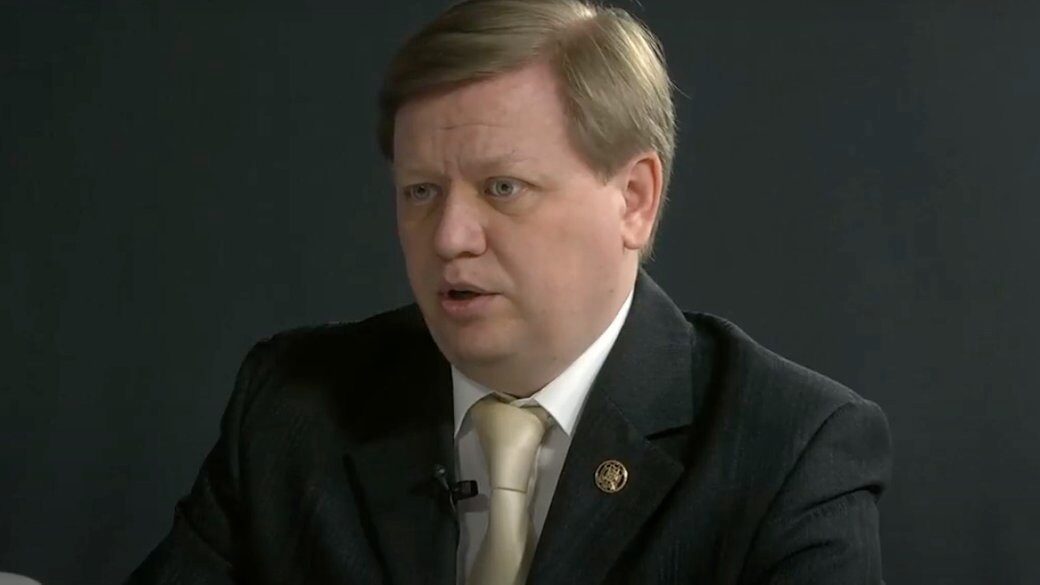
Gennadii Riabtsev, a freelance energy expert at the Razumkov Center, notes that even taking into account energy imports from Europe, Ukrainian power plants do not produce enough energy to meet the necessary needs:
“The president recently said that after the corresponding strikes in the energy system, there were 11 GW of capacity. This is without taking into account imports. The prime minister said that at the beginning of the heating season, 17.6 GW of capacity was ready.
This means that under normal conditions, Ukraine’s maximum electricity consumption reaches 17–18 GW. With only 11 GW of available capacity, this results in a significant deficit, which can be covered by imports only partially.”
Riabtsev explains that the biggest problem in the energy sector is that attacks by the Russian Federation cause disruptions at different levels of the power system. These can be divided into three categories: transmission, which involves high-voltage power lines and substations that transport electricity over long distances; distribution, which consists of networks that deliver electricity directly to local end users; and generation, which refers to the availability of power plants and their day-to-day operation. He states that distribution, transmission, and generation capacities are insufficient. This is because Russian attacks are primarily targeting large generation facilities — thermal power plants, combined heat and power plants, and hydropower plants (TPPs, CHPs, and HPPs)— which are critical to the stable operation of the energy system.
How Does the Power System Work?
The entire system works as a single organism and is operated through a single dispatch centre managed by NPC Ukrenergo, despite the constant attacks of Russia on energy facilities. In real time, the operator manages the operating modes of the system, balances generation and consumption, and makes decisions on stability and frequency.
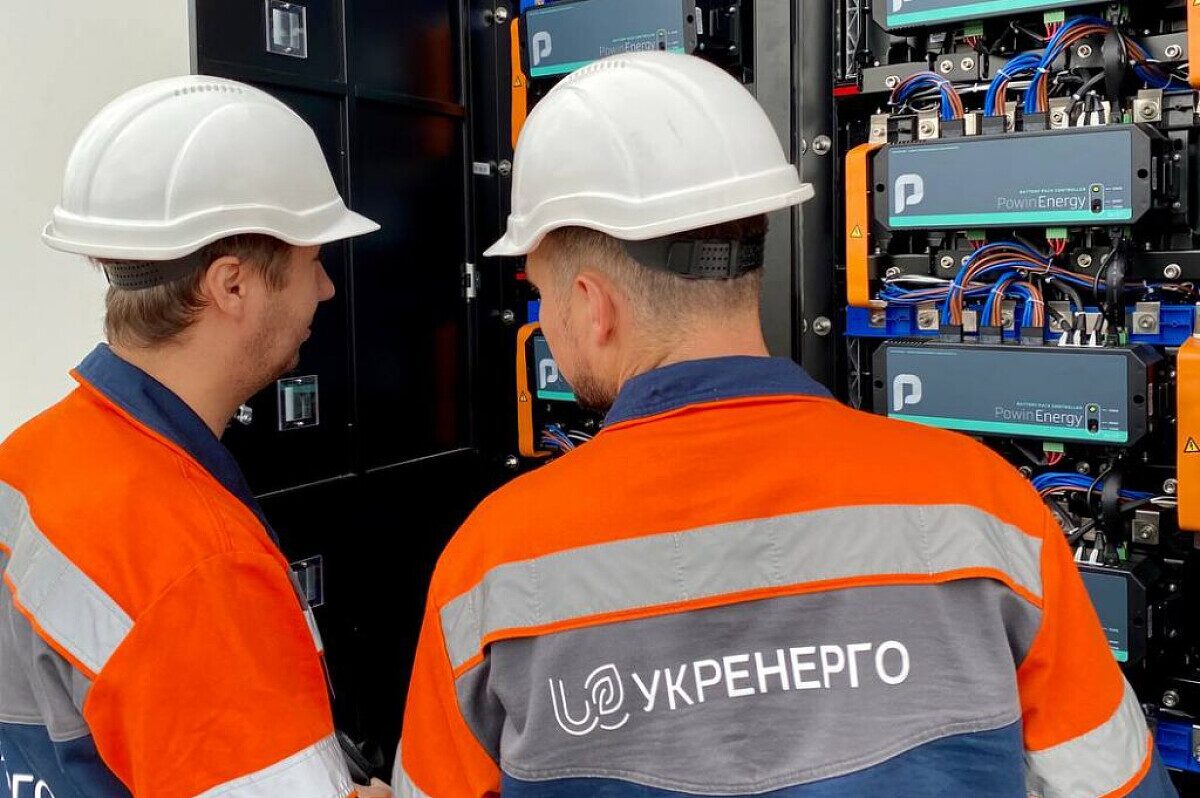
According to Gennadii Riabtsev, the unified energy system allows the transmission system operator to monitor and control its operation in real time:
“At present, Ukraine’s unified energy system maintains its integrity. No separate energy islands are operating independently from one another.
Second, the functioning of the unified energy system is under control. This means that the transmission system operator is fully aware of everything that is happening within the system and acts as a transmission system operator should in order to balance it.
If the operator sees that generation increases, consumption is increased accordingly. If the operator sees a decrease in the volume of available generation, consumption is reduced.”
On January 31, 2026, a cascading power outage occurred between Ukraine and Moldova. Riabtsev explains that the reason for this was the condition of the transmission equipment and weather conditions:
“There was an accident in the transmission system. It was caused by the equipment of the relevant power lines and their failure due to weather conditions, and since these lines are interconnected, since the power systems of Ukraine and the Republic of Moldova are synchronised with the power system of continental Europe, problems in Moldova automatically become problems in Ukraine, and vice versa.”
He also notes that the transmission system operator was the first to become aware of the incident, as it responded immediately and restored the operation of the interconnection and the system. This raises the question of whether the integrated system has any shortcomings if such failures can occur. Gennadii Riabtsev provided the following explanation:
“If the system had reserves of the same capacity, then no one would have noticed this accident. Other transportation routes, other energy transmission routes, other schemes would have been involved; that is, the system would have been instantly reconfigured. And that’s it. Well, maybe somewhere there, a light would have blinked, for example, somewhere in Kyiv, and everything would have been normal.
The metro would definitely not have stopped. That is, the problem is not that the synchronisation does not work here. The problem is that we cannot, due to the lack of capacities, all different, quickly restore the system’s operation as it would be under normal operating conditions.”
Financial Model of Energy Integration
PSOs (Public Service Obligations) require energy market participants to sell electricity below market value to households. This leads to the accumulation of debts and a lack of investment needed for the modernisation and development of the technical infrastructure.
The lack of investment in the sector is affecting the current state of Ukraine’s energy system. The maximum capacity for electricity imports is 2.45 GW, limited not only by financial but also by technical constraints. Increasing this capacity would require the construction of new transmission lines, both cross-border and within Ukraine. According to Gennadii Riabtsev, internal bottlenecks remain within the system at certain transmission points. This restricts the ability to transfer electricity from west to east and from north to south across the country.
Russia has also changed its attack strategy, increasingly targeting transmission lines and generation facilities in left-bank Ukraine and the Odesa region, further complicating the delivery of imported electricity. Replacing damaged equipment requires funding, but accumulated debts and current market conditions make the sector unattractive to investors.
The current PSO model provides electricity to households at regulated prices below market levels, regardless of consumers’ income. As a result, electricity producers receive only part of their revenues, creating a multi-level system of debts between market participants — from suppliers to transmission system operators. Limited financial flows complicate settlements with counterparties and reduce the sector’s investment capacity. Thus, the social function of the state is effectively financed through the resources of energy companies.
Volodymyr Omelchenko noted in an interview for the magazine “EnergoBusiness” that if financial changes in the energy sector do not occur, this will negatively affect the entire energy sector. Manual pricing appears unattractive to investors and leads to their absence. He emphasised that the energy legacy from the Soviet era is running out, and new capacities need to be built.
The European principle of market pricing is effective. Purchasing gas and electricity at market prices will stop the accumulation of debts and attract investments in the development of the energy sector. In addition, it may make it more difficult to create corruption schemes that exist due to administrative management of pricing.
At the same time, the transition to market pricing will inevitably affect financially vulnerable groups of the population. In a wartime context, when a significant portion of households has lost income, a sharp increase in tariffs may have socially sensitive consequences. This is why price liberalisation should be accompanied by targeted state support — through a mechanism of direct subsidies for the most vulnerable consumers.
In early January 2026, the regulator adopted a temporary decision to increase the price cap (limit price) for commercial participants. This restriction is valid until March 31, 2026. This creates more economic incentives to sell or import electricity, because market participants can receive higher prices if necessary. This removes the price limit on the purchase of imported electricity during peak hours, when market prices are higher than the established price cap.
Controlled low pricing leads to debt and a lack of investment. The budget is underfunded due to a lack of funding in the energy sector. This affects the underfunding of social sectors, which directly affects Ukrainians. Thus, low prices, which seem to be an advantage for the population, are actually a strategy that should be replaced by market pricing.
Legislative Progress and Market Restrictions
In its report of 4 November 2025, the European Commission assessed Ukraine’s level of preparation in the energy sector as “good” after the war and large-scale destruction. It has shown significant progress in implementing reforms, harmonising legislation with EU legislation, and developing the energy market.
Work has been carried out to develop and implement part of the National Energy and Climate Plan (NECP), create market legislation for renewables and a transparent wholesale energy market and have started to approximate the rules to EU norms. But without full implementation in practice, mainly at the level of legislative strategy.
At the same time, it is recommended to gradually abolish the price cap, or price ceiling, on the wholesale electricity market in order to make the market more efficient and free from restrictions:
- Create mechanisms to support vulnerable electricity consumers and achieve the liberalisation of gas prices envisaged by Ukraine.
- Identify a market operator and continue to improve energy rules and regulations in line with the EU acquis.
This shows that European partners are aware of the problems in the Ukrainian energy sector and financial model.
Energy Strategy
Integration with ENTSO-E requires the Ukrainian energy sector to change the architecture of the system. Therefore, according to Gennadii Riabtsev, the energy strategy envisages providing part of the electricity generation by nuclear power plants as baseload capacity, and the other part by maneuvering sources capable of changing production during the day:
“Instead of several dozen large thermal power plants, Ukraine should switch to a network of hundreds of small power plants with a capacity of one to one hundred megawatts, operating on local resources and combined into a smart grid.”
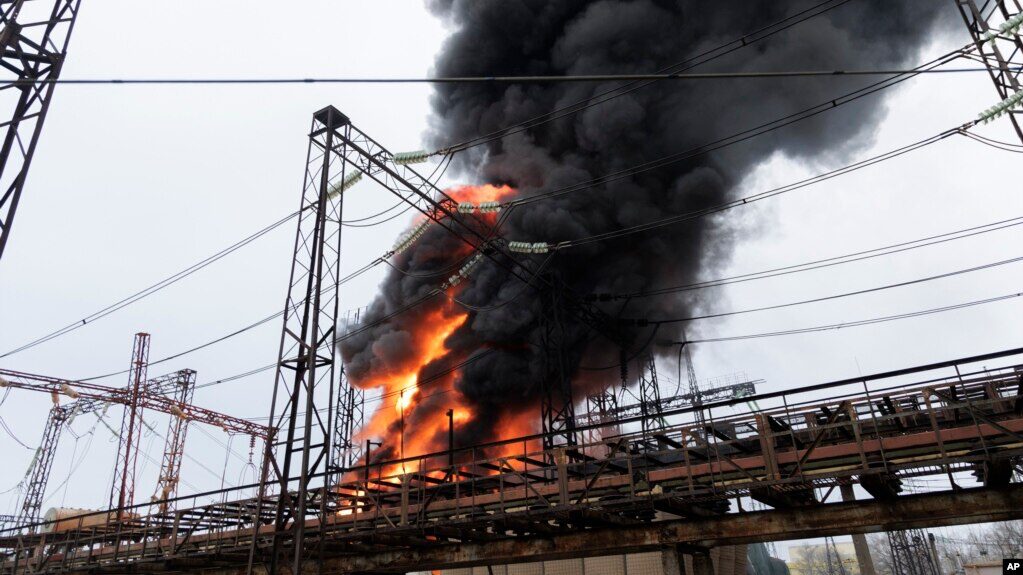
Russian attacks on Ukraine’s energy system have shown that the architecture itself is inflexible and unstable. In early 2024, the Russian Federation destroyed 10 GW of power generation capacity in Ukraine. Since the beginning of 2022, the country’s energy sector has suffered losses of $56.5 billion. The legacy from the Soviet Union is morally outdated (large nuclear units, thermal power plants, networks, dispatching) and requires changes. The strategy involves the use of small nuclear units (SMR – Small Modular Reactors, small modular reactors that are easily scalable and have a lower capacity compared to traditional nuclear power plants). Currently, projects are at the planning or testing stage, commercial implementation is expected in the 2030s. Gennadii Riabtsev notes:
“The future energy system of Ukraine should combine basic nuclear generation and a large number of local manoeuvring sources that will cover peak loads and ensure the stability of the system even under military threats.”
Conclusion
Integration with ENTSO-E has become a driving point in the changes of the Ukrainian energy sector. It has not only played an important role in strategic security, but also set the vector of movement and the necessary changes that need to be implemented.
Variability, mobility, and autonomy are the main principles of energy operation during the war. Ukraine has already managed to introduce changes at all levels (legislative, technical, and economic).
However, the war has demonstrated that the current architecture of the Ukrainian energy system does not provide a sufficient level of resilience and requires structural transformation.