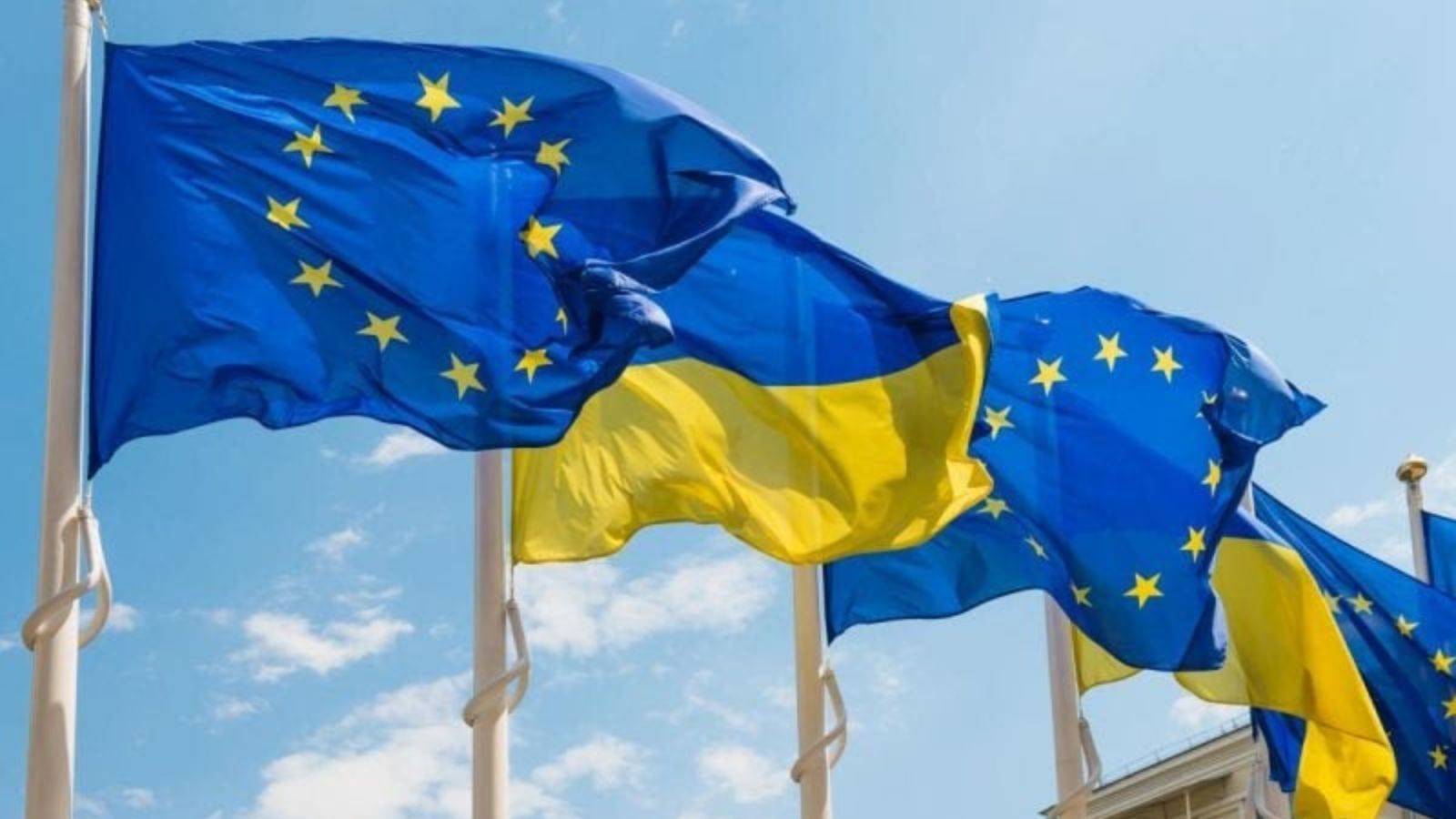


The European Commission is discussing a radical reform of enlargement rules to offer Ukraine a “light” version of membership. According to Financial Times, this plan aims to accelerate Kyiv’s integration amid the ongoing full-scale Russian invasion. The proposal could allow Ukraine to join the Union faster, providing essential security guarantees and a framework for post-war reconstruction. However, the idea of a two-tier system has sparked intense debate among current member states regarding the future unity of the bloc.
Gradual Access and Market Integration
As Financial Times writes, citing interlocutors, the plan provides for Ukraine’s accession with limited decision-making rights, in particular without a full voice at leadership summits and ministerial meetings at the initial stage. Instead, Ukraine will gradually gain access to parts of the EU single market. This includes agricultural subsidies and development funds after meeting certain conditions. This would fundamentally change the entry rules agreed upon in 1993. These rules require countries to comply with many EU regulations in various policy areas and entry only after fulfilling all requirements.
Current drafts of the 20-point peace plan mention Ukraine’s potential EU accession in 2027. This plan is being prepared with US participation. However, the European Commission itself estimates that full compliance with membership criteria may require up to ten years of reforms. Supporters argue that extraordinary times require flexible measures to anchor Ukraine within the European sphere and provide a clear political perspective.
Institutional Risks and Candidate Concerns
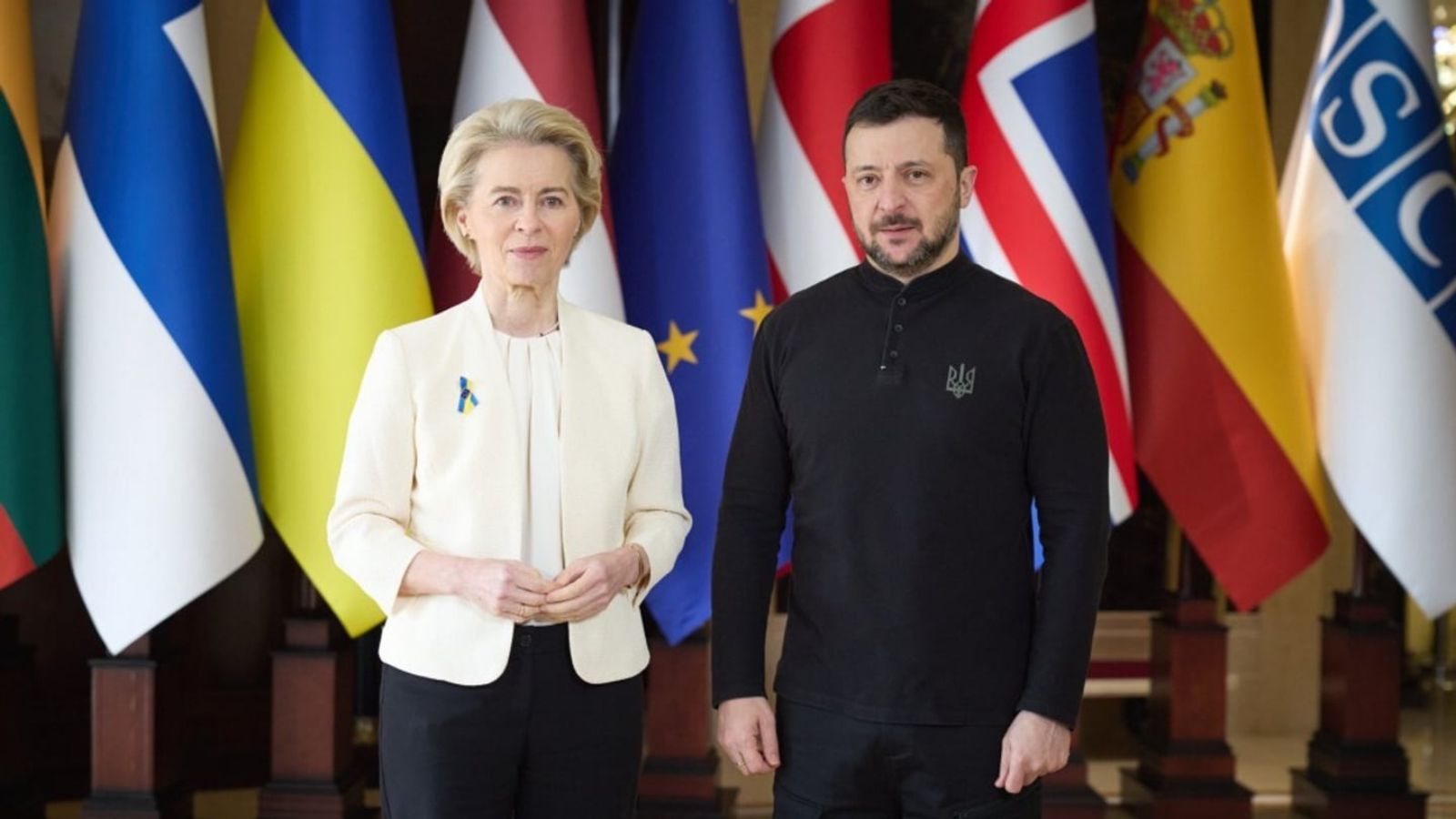
Diplomats from multiple EU countries warn that this “light” model might create a dangerous precedent. European Commission President Ursula von der Leyen links Ukraine’s accession to the EU with security guarantees and post-war recovery. At the same time, many member states insist that the accession process should remain merit-based, not based on political compromises. Some officials fear it could devalue the meaning of membership and provoke resentment among candidates like Montenegro and Albania. Furthermore, critics suggest this plan could be a “trap” that undermines European unity, potentially benefiting figures like Vladimir Putin.
Conclusion
In summary, the proposal for a “light” membership represents an attempt by Brussels to find a compromise between geopolitical urgency and rigid bureaucratic rules. While the plan offers a faster path for Ukraine’s integration, it faces significant internal opposition due to risks of institutional fragmentation. The debate highlights a fundamental choice for the Union between maintaining traditional standards and adapting to a new security reality in Europe.