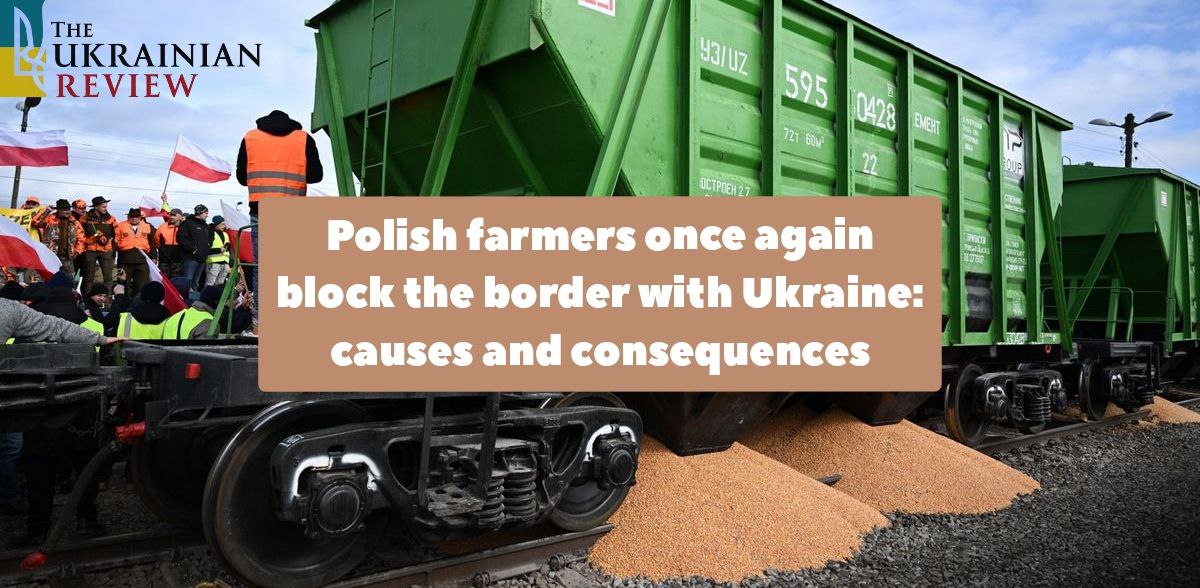


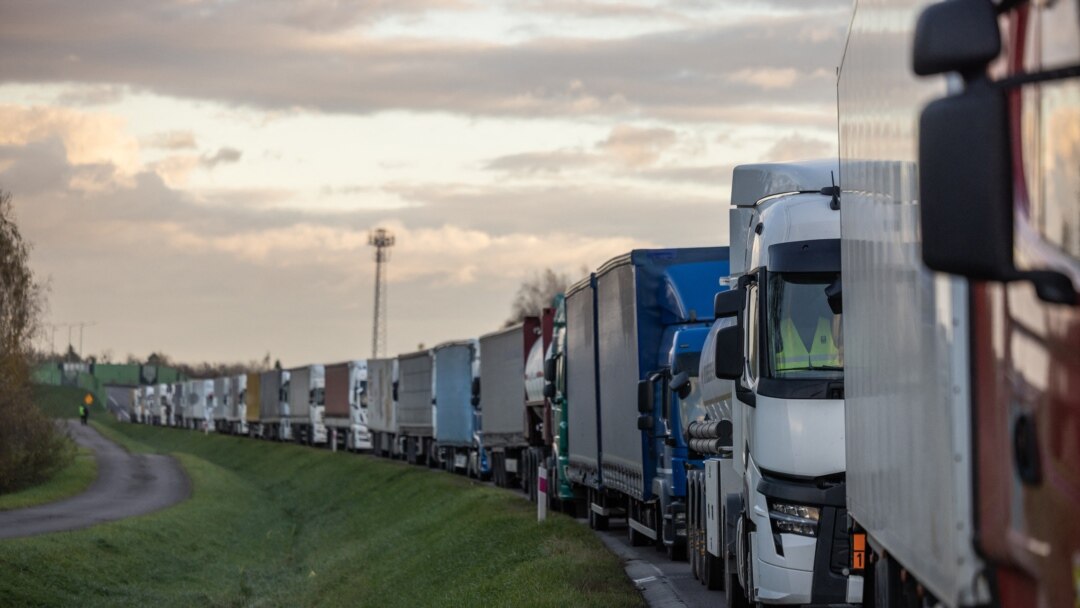
On November 6, 2023, Polish carriers initiated a blockade of cargo transport to three border crossing points – “Yagodyn-Dorohusk,” “Krakovets-Korchova,” and “Rava-Ruska-Grebenne.” The following day, protesters completely halted the passage of cargo trucks at two crossing points on the border with Ukraine. The blockade persisted until January 16, 2024, with minimal breaks.
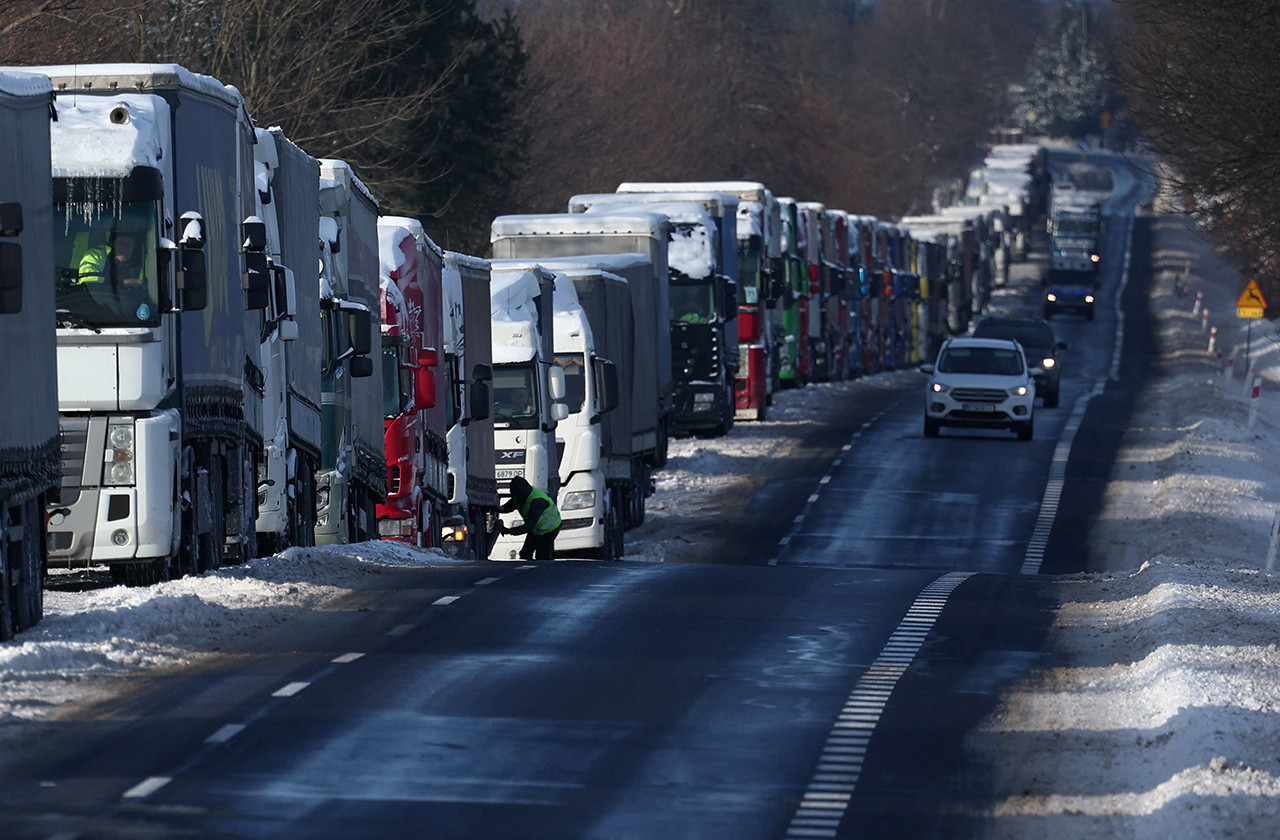
From November 21 to December 14, 2023, Slovak carriers blocked trucks passing through the sole crossing point with Ukraine, “Vysne Nemecke-Uzhhorod.
Romanian farmers blocked the movement of Ukrainian trucks through the “Siret” crossing point. On January 15, the blockade of the “Vikovu-de-Sus” crossing point began. On January 18, Romanian farmers initiated a blockade of the “Diacove – Halmeu” checkpoint. However, as of January 20, the operation of these crossing points has been unblocked.
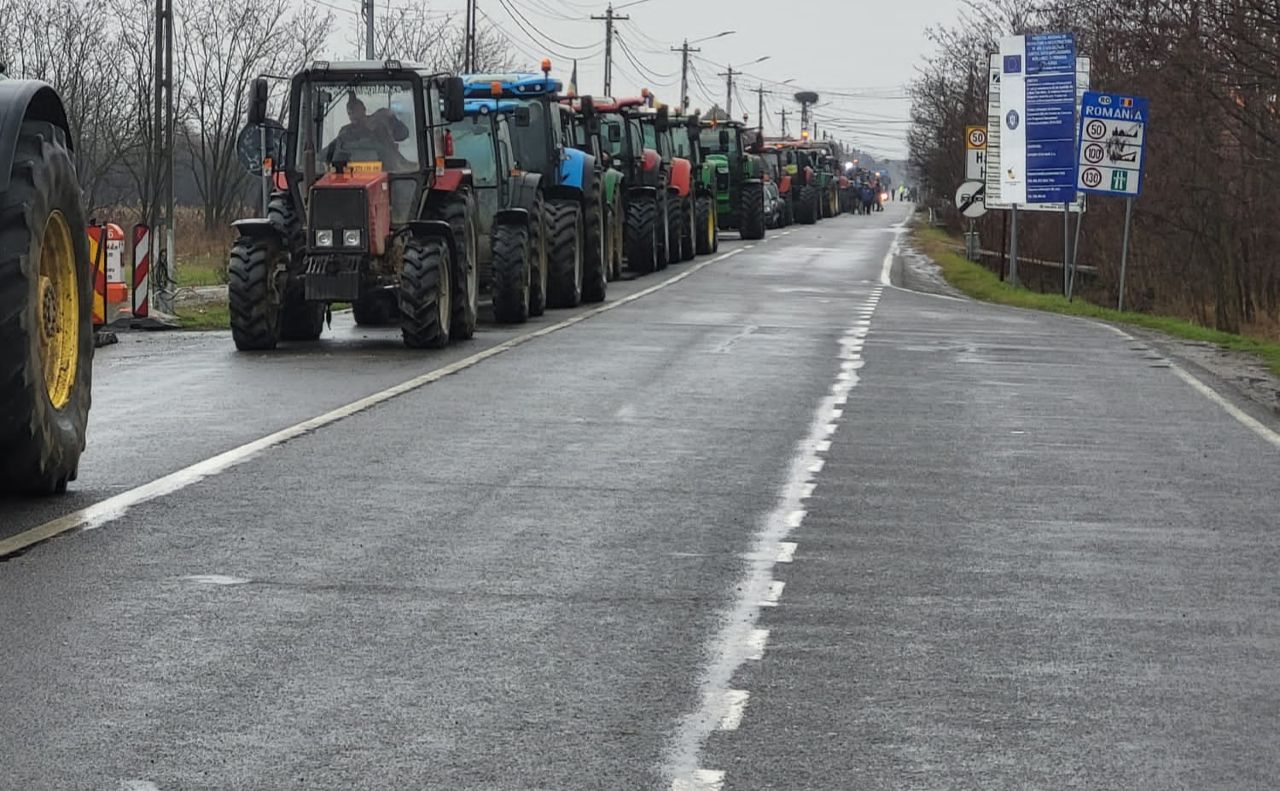
On December 12, 2023, Hungarian truck carriers joined the blockade but did not impede the movement of trucks, limiting their protest activities.
Also, in November 2023, Bulgarian farmers demanded compensation for the war in Ukraine. In Sofia, farmers protested, urging the government to provide subsidies for their losses.
Polish protesters agreed not to block Ukrainian crossing points until March 1. But on February 9, 2024, they resumed blocking the Ukrainian border.
As of February 12, Polish protesters are still blocking the movement of freight vehicles towards the Yagodyn and Rava-Ruska border crossing points.
Reasons for the Blockade
We interviewed Michal Potocki, a journalist from the Polish legal and business daily newspaper ‘Dziennik Gazeta Prawna,’ to discuss the reasons behind the border blockade by farmers and carriers.

About the farmers’ blockade:
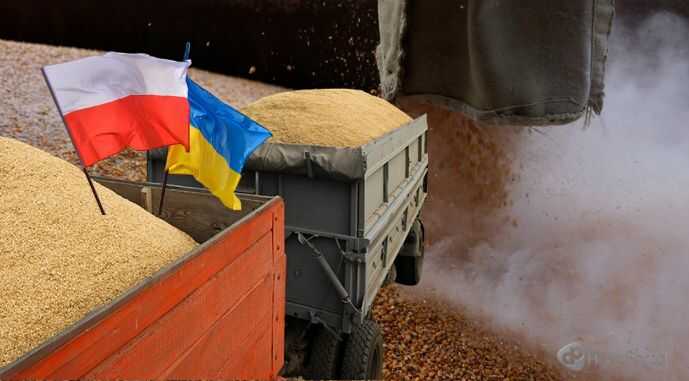
“Farmers have been protesting for almost a year. The first protests began in March 2023. The main reason cited by the farmers was that they had an agreement for Ukrainian grain to transit through Poland to other countries. However, a significant portion of that grain was getting lost somewhere in Poland along the way. Neither the Ukrainian nor the Polish authorities were interested in implementing any monitoring of this transit.
Both Ukrainian and Polish companies were profiting from this [grain, – ed.]. It was advantageous for the Poles to buy cheap Ukrainian grain, while Ukrainians found it profitable to sell this grain in Poland rather than in Turkey or other countries.
In April 2023, the Polish government began blocking Polish-Ukrainian grain trade, leading to a full-fledged political conflict and misunderstandings. There was no willingness to find a compromise.
Then, other products came into play. On one hand, the Polish government agreed in 2022, following the full-scale invasion, to open the EU market to Ukrainian products and carriers. Initially, there were humanitarian conditions (Ukraine being a victim of Russian aggression, requiring as much assistance as possible). However, at that time, no one anticipated (neither in Poland, nor in Brussels, and probably not even in Ukraine) that the war would last so long. Everyone hoped it would end fairly quickly and not have such a significant impact on the EU internal market. It turned out differently. Since it has been going on (the war, – editor) for quite a long time, this impact is very noticeable.
In Poland, by the way, the farmers’ market is quite fragmented, while in the Ukrainian market, large farm holdings dominate. So, losing 10% of the market for a large holding is one thing, but for a small farmer from the regions, it could be economically devastating. That’s why all these farmer protests began, which practically have the potential to erupt again and again until today.”
About the blockade of carriers:
Until February 24, this market was also quite regulated. Ukraine and Poland were mutually issuing permits for cross-border movements for our carriers. After February 24, the EU eliminated these permits, essentially opening the market for Ukrainian carriers. In this regard, Ukraine practically became a member of the EU, except that Ukrainian carriers did not have to adhere to all EU standards. As long as there was hope that the war would not be prolonged, Polish carriers said, ‘Okay.’
However, since the war has been lasting for quite a long time, they also started to feel the consequences, especially those who traded with Ukraine. Competition became quite noticeable for carriers. This does not apply to the entire carrier market; primarily carriers from the eastern regions of Poland, who traded with Ukraine before the invasion, are involved in these blockades.
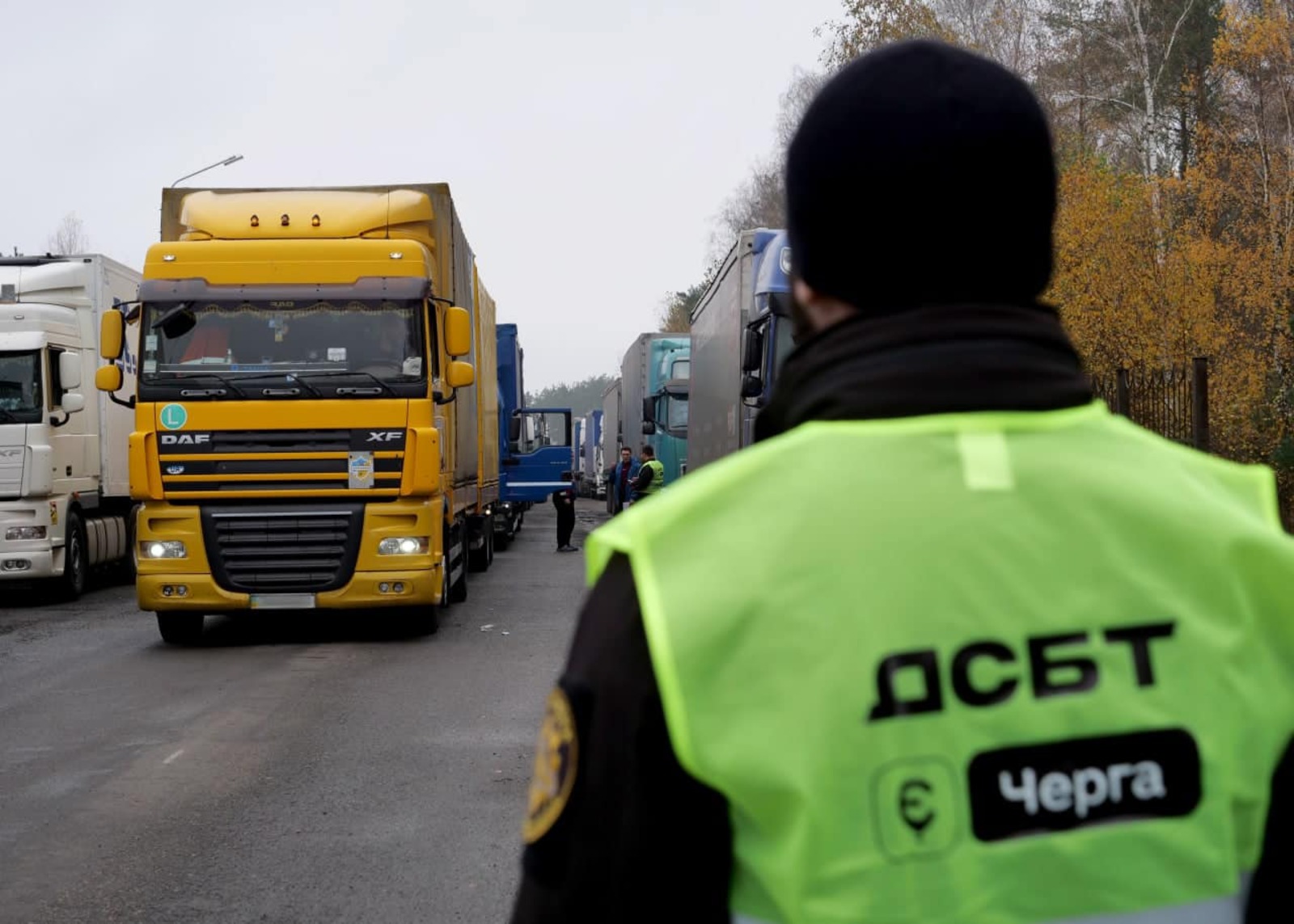
The second problem is the ‘eCherga’ system, which is useful for those who transport goods far from the border (you stay in Ukraine until you reach, for example, Kharkiv and return, you already have a place in the queue). Since many Poles trade not with Kharkiv, but with Lviv, theoretically, they could import goods in one day and return. However, the ‘eCherga’ does not allow this possibility because the queues are not fast.
The third problem is that many Polish carriers employed Ukrainian drivers, some of whom returned to Ukraine after February 24, while others cannot currently cross the border. Polish drivers are also afraid to travel to Ukraine due to the war. As a result, carriers lost a portion of the Ukrainian market, and Ukrainian carriers entered the Polish market as competitors.
Politicians from the pro-Russian far-right party Confederation also got involved, finding a very successful moment from their perspective where they could gain popularity. This was before the October elections and continues to this day, as we are soon approaching the next electoral campaign. We have local elections at the end of March and early April, followed by European Parliament elections in June. So, this campaign continues to this day: they see an opportunity to earn popularity through these protests.
Another problem was that before and after the elections, the old government did not feel motivated to do anything about it. Because why negotiate and compromise when you are packing your things and leaving the offices.
Therefore, there are many different factors at play here. There are objective reasons, but there are also political ones.”

We also discussed the reasons with Stepan Cherniavskyi, People’s Deputy of Ukraine, Servant of the People faction, Committee on Agriculture and Land Policies in Verkhovna Rada of Ukraine:
“One of the arguments from the side of Polish carriers is that Ukrainians are allegedly taking their jobs. Poles have long held the dominant position among carriers in Europe, having the largest fleet among European colleagues, accounting for about half of the entire block. Now, they are dissatisfied with the high competition that has arisen since the start of the full-scale war. At that time, a document at the level of an agreement between Ukraine and the EU, known as the ‘Transport Visa,’ was approved for Ukrainian carriers. Now, Poles demand its cancellation and the return of special permits for Ukrainian carriers. However, the thing is that Poland cannot unilaterally cancel the agreement ratified between Ukraine and the EU. Poland not only demands a return to the old permit system, that is, canceling the ‘Transport Visa,’ but also wants to strengthen transport regulations. Some of the points are practically unrealistic. Poland is the key gateway for Ukraine’s exports to Europe. Ukrainians constitute about 85% of those who cross the Ukrainian-Polish border to bring goods into Ukraine or export them.
In the conditions of war, blocking the border is both immoral and counterproductive when the western border has become the real ‘lifeline’ for the entire Ukrainian economy. It is a mockery of the Ukrainian agro-sector, which is already suffering and on the brink of bankruptcy. The embargo on the import of Ukrainian grain and the border blockade are, in fact, nothing but tools of a trade war that Poland is waging against Ukraine. And this is happening at a time when Ukraine, among other things, is defending it from Russia”.
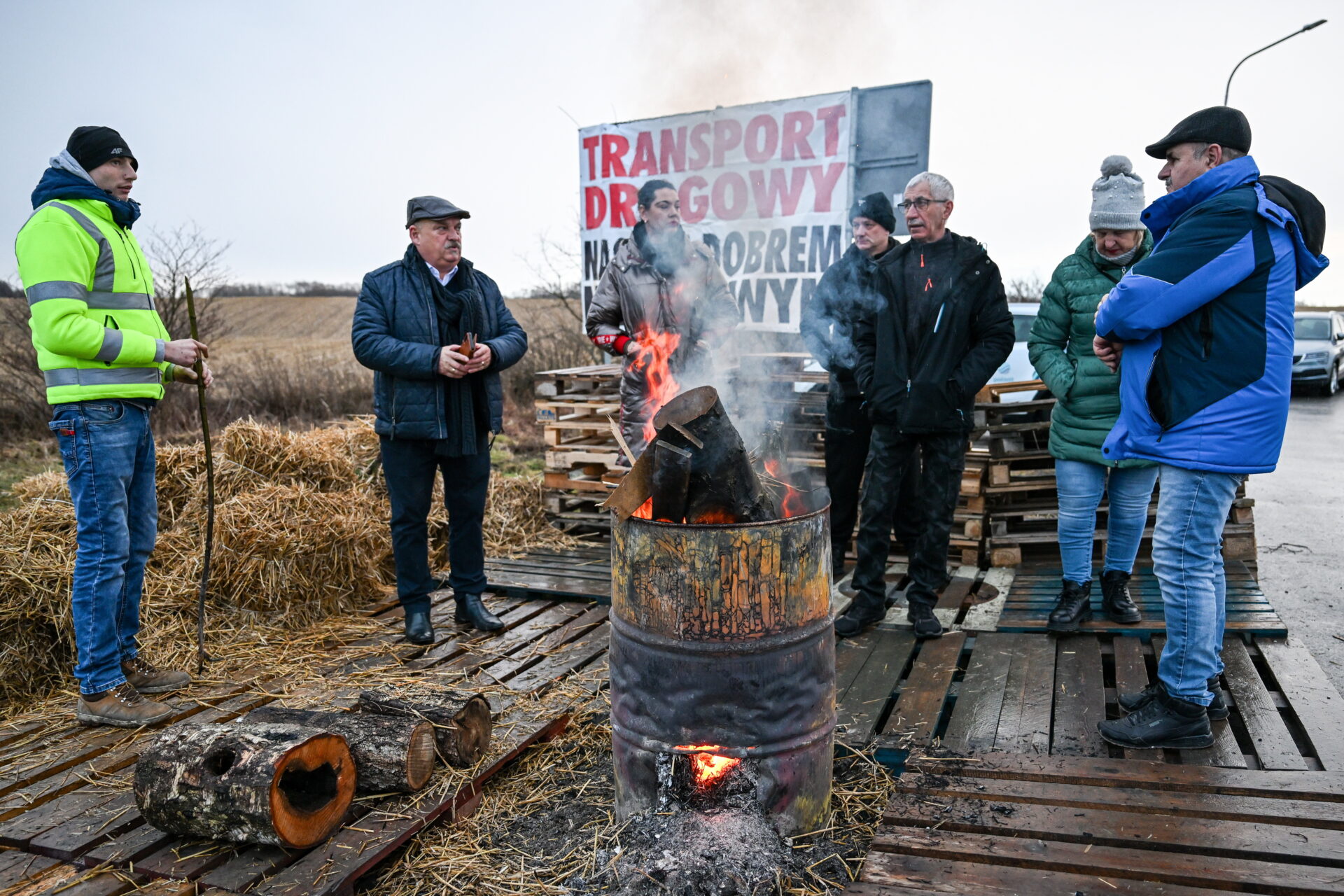
“Ukraine is a country that just wants to take, take, take, and give nothing in return. This infuriates us; we have helped them so much, and the gratitude we receive is that we cannot sell our wheat or corn,” – says Roman Kondrov, one of the organizers of the blockade, speaking to Politico.
However, as reported by Politico journalists, the issues raised by Polish farmers ‘have nothing to do with Ukraine: farmers want subsidies for corn production, lower agricultural tax in 2024, and maintain preferential loans for liquidity.'”
Consequences of Border Blockade
Tetiana Popovych, the head of the marketing department of the wholesale agricultural products market Shuvar in Lviv, may provide valuable insights into the consequences of the blockade. From her point of view, blockade leads to several consequences:

“Economic Consequences for the Agricultural Sector:
For Ukraine: Ukraine is one of the world’s largest grain and sunflower oil exporters. Blocking the export of these goods can lead to significant financial losses for Ukrainian farmers, who may already be facing internal challenges such as military conflict or economic difficulties.
For the EU: Dependence on Ukrainian agricultural exports means that the blockade can result in a shortage of certain products in EU countries, leading to price increases and possible disruptions in supply chains.
Humanitarian Consequences:
Food Shortage: If the blockade continues for an extended period, it could lead to food safety issues in some regions of the EU, especially those heavily reliant on imports from Ukraine.
Impact on Consumers: Rising prices for essential food products can significantly affect household budgets in the EU.
Impact on the Global Market:
Global Consequences: Ukraine is a significant player in the global agricultural market, so blocking its exports may have consequences far beyond Europe, affecting global prices and supplies.”
Also about the consequences we asked Stepan Cherniavskyi:
“Every day of the blockade means colossal losses, and the question arises of who will compensate for them. Ukrainian entrepreneurs have lost their contracts and clients in European countries because the goods were not delivered on time. This also includes spoilage of goods. However, these losses already exist, not only for Ukrainian entrepreneurs but also for European companies operating in Ukraine. According to some estimates, the Ukrainian economy has lost over 1.5 billion euros due to the blockade of western borders.
Indeed, due to the blockade of checkpoints, the volumes of Ukrainian agro exports by road have decreased by 40%.
For Ukraine, these are losses not only economically but also for national defense. Our military forces have already felt the consequences of the actions of Polish protesters.
Ukrainians can already feel the consequences of border issues, leading to a 3-5% increase in the prices of imported goods. Prices for this group of goods may continue to rise. However, this does not affect basic products, such as items for traditional Ukrainian dishes. Eggs, milk, vegetables, and grains – all of these are supplied by the domestic market. But if the situation does not change, there is a likelihood that some goods may become more expensive or scarce”.
What is being done to end the blockade
The newly appointed Minister of Agriculture of Poland, Cheslav Sękorski, signed an agreement with Polish farmers. The agreement introduced financial demands of the protesters, including the initiation of subsidies for corn production, maintaining agricultural taxes at the 2023 level, and increasing preferential loans for liquidity. However, it did not include restrictions on imports from Ukraine.
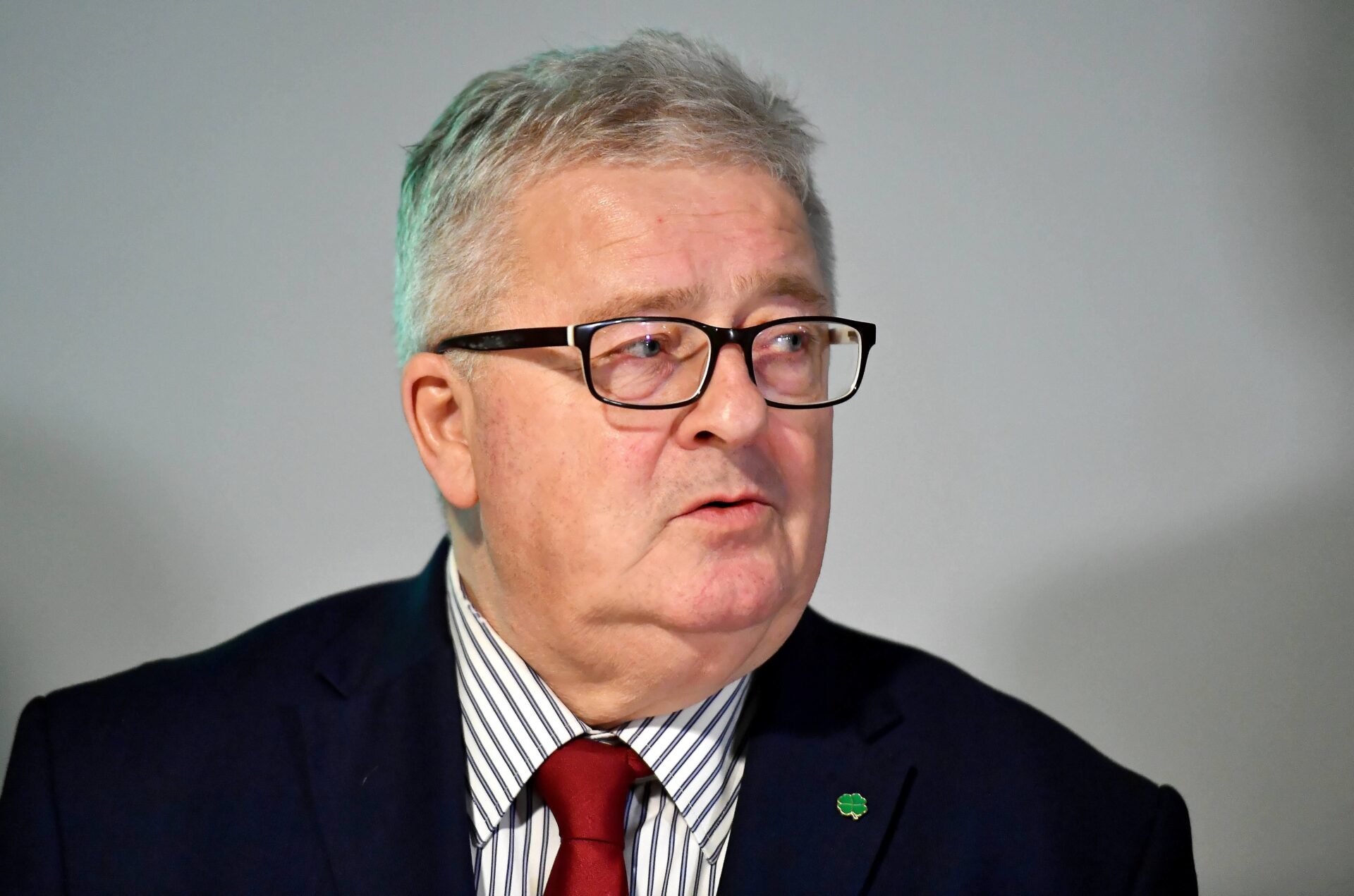
Despite the lifting of the blockade, protesting farmers stated that the “most important” demand now is to “restrict the inflow of goods from Ukraine.” EU
Commissioner for Agriculture Janusz Wojciechowski announced that he would demand restrictions in the EU on certain goods from Ukraine, such as sugar, eggs, and poultry.
On January 24, protests by farmers took place throughout Poland. They demanded an end to the “uncontrolled import of agricultural products from Ukraine and other non-EU countries that do not meet European standards.”
The Ministry of Agriculture of Romania and representatives of major agricultural organizations reached an agreement that satisfied several demands of the farmers.
The government pledged to fully subsidize all agricultural excise duties until 2026 and immediately implement provisions for subsidized interest loans.
“The Ministry of Development of Communities, Territories, and Infrastructure of Ukraine is in constant communication with Polish counterparts. Several meetings have already taken place not only with Poland but also with representatives of the European Commission to find compromise solutions. The Ministry of Infrastructure of Poland has agreements with protesters until March 1. Therefore, ongoing substantive work is being carried out to prevent the blockade from resuming after this date. Today, online queues, which previously took several weeks, are now counted in a few days, and in some cases, there are none.
The biggest problem now is veterinary and phytosanitary queues. These are goods, mainly agricultural products, subject to separate control by Poland. Waiting time online for border crossing for such trucks can reach 20 days. The Ukrainian government continues to seek ways to improve border crossing indicators, and most importantly, minimize any queues.
On its part, Ukraine has implemented all previously agreed measures. Pilot projects have been launched at two border crossings. Meetings at the government level are regularly held for negotiations. I hope that the Polish side will also work on everything agreed with the protesters, and from March 1, the blockade will not resume,” – explains Stepan Cherniavskyi.
Is the blockade threatening the security of the EU?
“Thus, the issue of agrarian protests goes far beyond the topic of the Ukrainian border’s blockade by Polish protesters. Political and economic factors are involved, affecting a large category of voters in most EU countries. On the one hand, European farmers’ protests aim to address the increasingly stringent technical and environmental requirements for growing crops and animals for the EU market. The ‘Green Deal’ leads to higher production costs and, consequently, price non-competitiveness in the market, especially for small farms that dominate Poland.”
In this case, Ukraine becomes a supplier whose participation allows EU governments to partially ignore the demands of their voters, as Ukrainian producers do not receive subsidies or privileges and do not require them from the EU (Ukraine is not yet a member of the EU). Thus, the EU does not face a deficit in agricultural products and does not spend extra money on stimulating or supporting the industry.

It should be understood that the primary demand of the protesters — to stop duty-free imports of grain from Ukraine until 2025 — will not have the desired effect as demanded by farmers in the EU. If EU legislation is not violated and agricultural producers from Ukraine and the EU are placed on equal terms, Ukrainian products will remain at the same level of competitiveness, and the situation will not change. Blocking Ukrainian exports to the EU in the short term may impact the EU market by increasing prices for processed agricultural products for the end consumer, inflation, and increasing government spending to cover the economic consequences of the protests. From the political point of view, these protests may affect the electoral field of certain countries as a bargaining chip ahead of the upcoming elections, but only in the short term. However, these protests will not change the market in the long term but may change the geopolitical situation.
Agricultural exports currently constitute the lion’s share of Ukraine’s budget revenue from exports, so blocking the border is consciously or unconsciously playing along with the aggressor. Politicians in the EU need to decide what is more important for Europe: short-term political gains or a new direct border with Russia that is several thousand kilometers long. Let’s consider that Russia has territorial claims to certain EU countries and will not stop at Ukraine. And what do we conclude: that farmers’ protests and the ban on agricultural export from Ukraine will negatively impact the security situation in EU countries, especially those with direct borders with Ukraine,” – Viktor Shatov, International Lawyer and entrepreneur.
NB! All data in the article is accurate as of February 16, 2024.
***
The blockade of the Ukrainian border by farmers and carriers is an extremely important and serious issue for both Ukraine and EU countries. It is crucial to make joint efforts for the prompt resolution of this problem.
Anya Ostymchuk