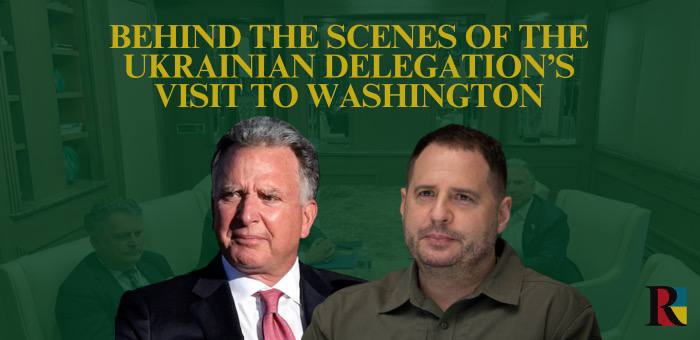


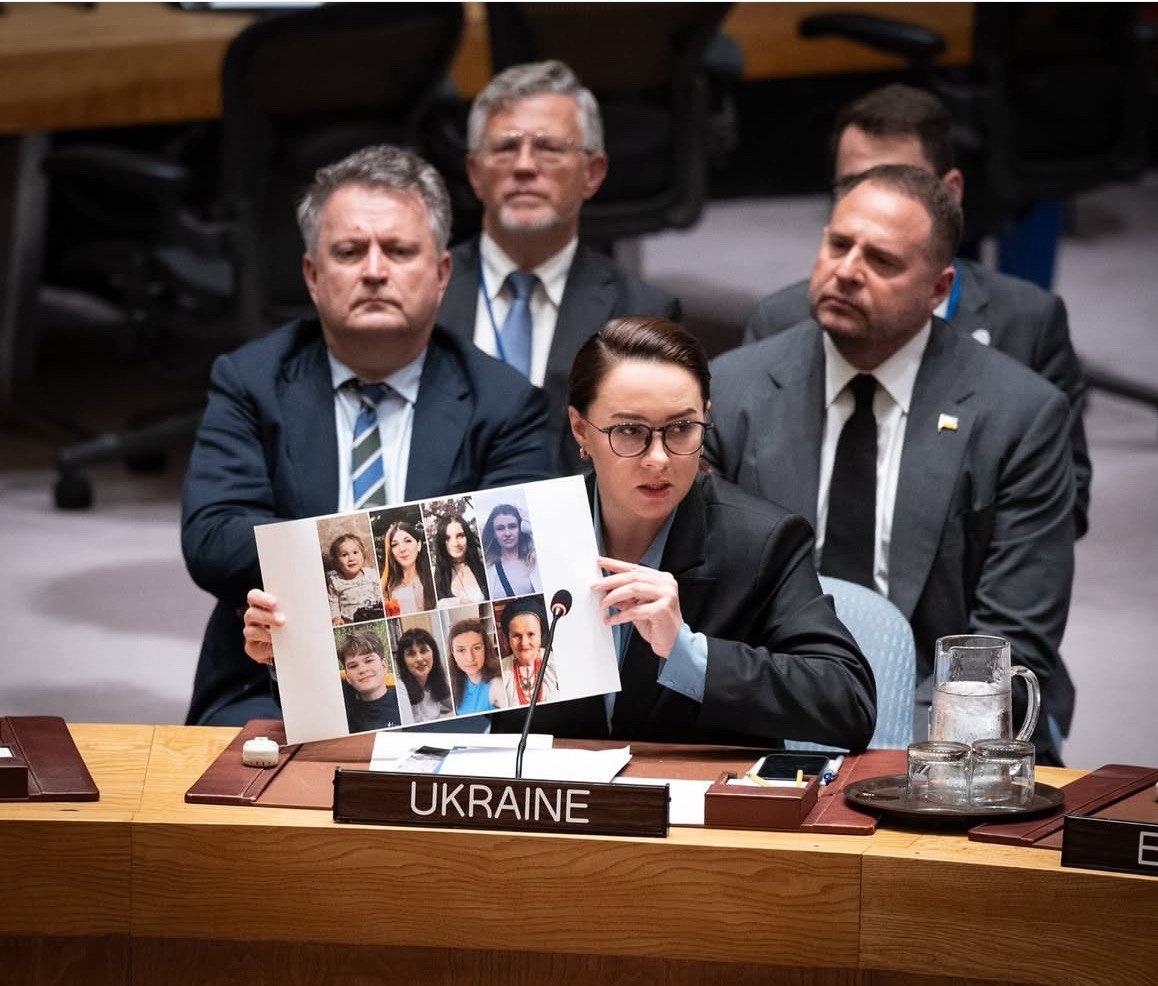
The visit of Andriy Yermak, Head of the Presidential Office, Prime Minister of Ukraine Yuliia Svyrydenko, and First Deputy Minister of Foreign Affairs Serhiy Kyslytsia to Washington became one of Kyiv’s key diplomatic initiatives at the close of this political season. Officially, the agenda focused on strengthening strategic partnerships and continued military support. Yet behind closed doors, discussions touched on issues that may determine the trajectory of the war and the future architecture of Ukraine’s security.
Yermak’s Talks with Trump’s Envoy
Particular attention in Washington was drawn to Andriy Yermak’s meeting with Steve Witkoff — Donald Trump’s special representative on Russia, a figure maintaining a direct channel with the Kremlin and personally with Vladimir Putin.
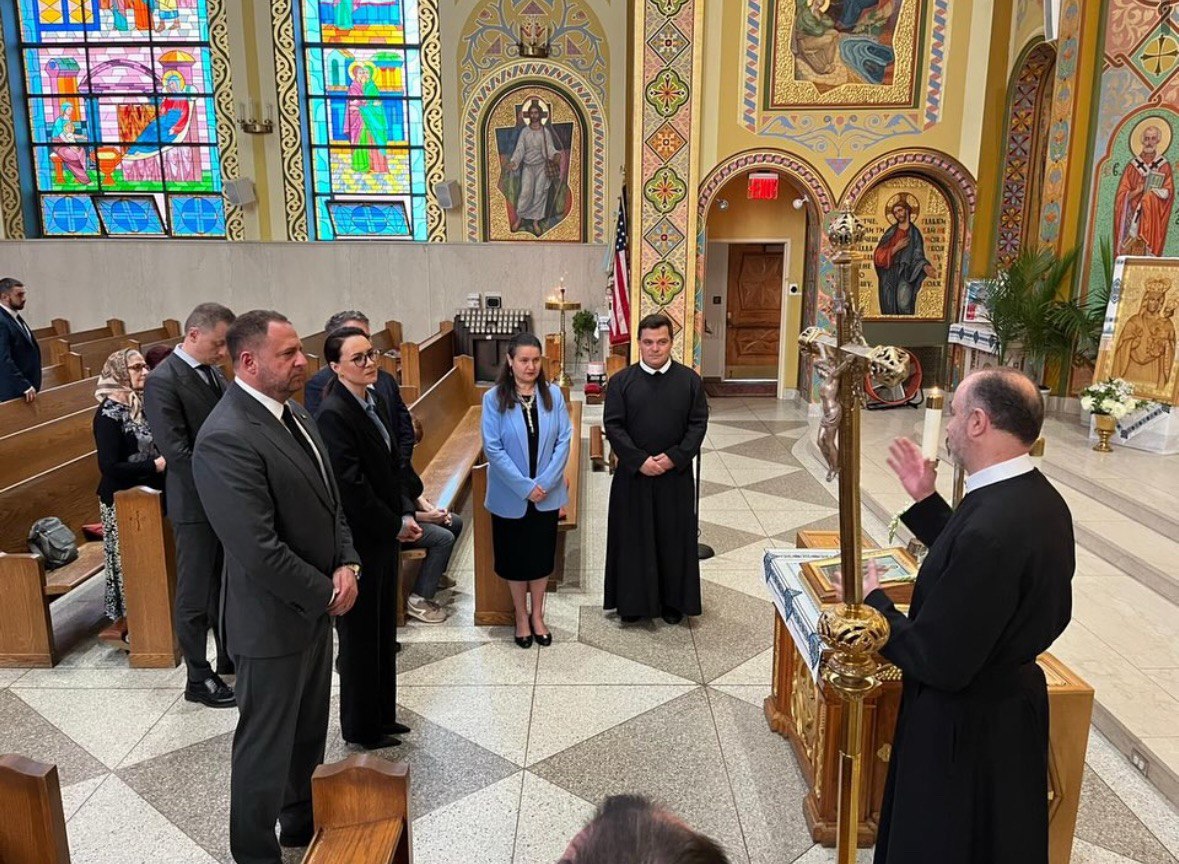
According to sources, Yermak invited Witkoff to visit Kyiv. This step was intended not only to demonstrate openness but also to underline that Ukraine is ready for dialogue on its own territory and does not shy away from direct contacts with U.S. negotiators who have access to the Russian side.
Security Guarantees: Article 5 Outside NATO
Analysts at The Ukrainian Review note that the central, though unofficial, focus of the visit was the question of security guarantees. Kyiv insists on establishing a mechanism analogous to Article 5 of NATO: any attack on Ukraine should trigger an automatic response from its partners.
For the Ukrainian leadership, this is a matter of survival. Without clear guarantees, any agreements with Moscow risk appearing fragile and temporary. Washington, for its part, made clear that the issue is under active consideration but remains extremely difficult to implement.
The U.S. Position and Moscow’s “Sensitive” Demands
The American side also raised a series of issues reflecting Russia’s demands. Among them were the potential withdrawal of Ukrainian troops from Donbas, recognition of the Russian language’s status, and guarantees of non-persecution of the Ukrainian Orthodox Church.
For now, these points remain at the level of preliminary drafts. The real outcome will become apparent only after direct meetings between Ukrainian and Russian delegations.
The Question of Strikes on Refineries and a Possible Ceasefire
Another line of discussion concerned Ukraine’s strikes on Russian oil refineries. The United States urged Kyiv to temporarily suspend these attacks, promising in return to use its channels of influence to persuade Russia to refrain from strikes on Ukrainian cities and critical infrastructure.
In essence, this amounts to an attempt to establish at least an air ceasefire, or potentially a broader cessation of hostilities. According to participants, this issue is expected to become decisive at the technical level of future Ukrainian-Russian negotiations.
The Dispute Over Frozen Russian Assets
According to information obtained by “The Ukrainian Review”, both American and European negotiators have received a clear demand from the Kremlin: Moscow categorically rejects any clause that would allow the transfer of frozen Russian state assets to finance Ukraine’s reconstruction.
Russian representatives have repeatedly emphasized this position across all diplomatic platforms, particularly in talks with U.S. officials. The Kremlin insists on the principle of mutual renunciation of claims, framing this as a fundamental condition for any potential settlement.
This dispute over frozen assets has therefore emerged as one of the key stumbling blocks in shaping a future peace framework.
Prospects for a Zelenskyy — Putin Meeting
Also under consideration was the possibility of a personal meeting between President Volodymyr Zelenskyy and Vladimir Putin. Yermak and Witkoff discussed a preparation scheme: first, talks at the level of foreign ministers or direct contacts between Yermak and Russian representatives, followed by a leaders’ summit.
This format would represent a “zero step” toward discussing a preliminary peace agreement or at least a temporary ceasefire arrangement.
Conclusion
The Washington visit of Yermak, Svyrydenko, and Kyslytsia was more than a diplomatic gesture. It signalled a shift toward a more pragmatic agenda, centred on security guarantees, the debate over frozen assets, and preparations for possible peace negotiations.
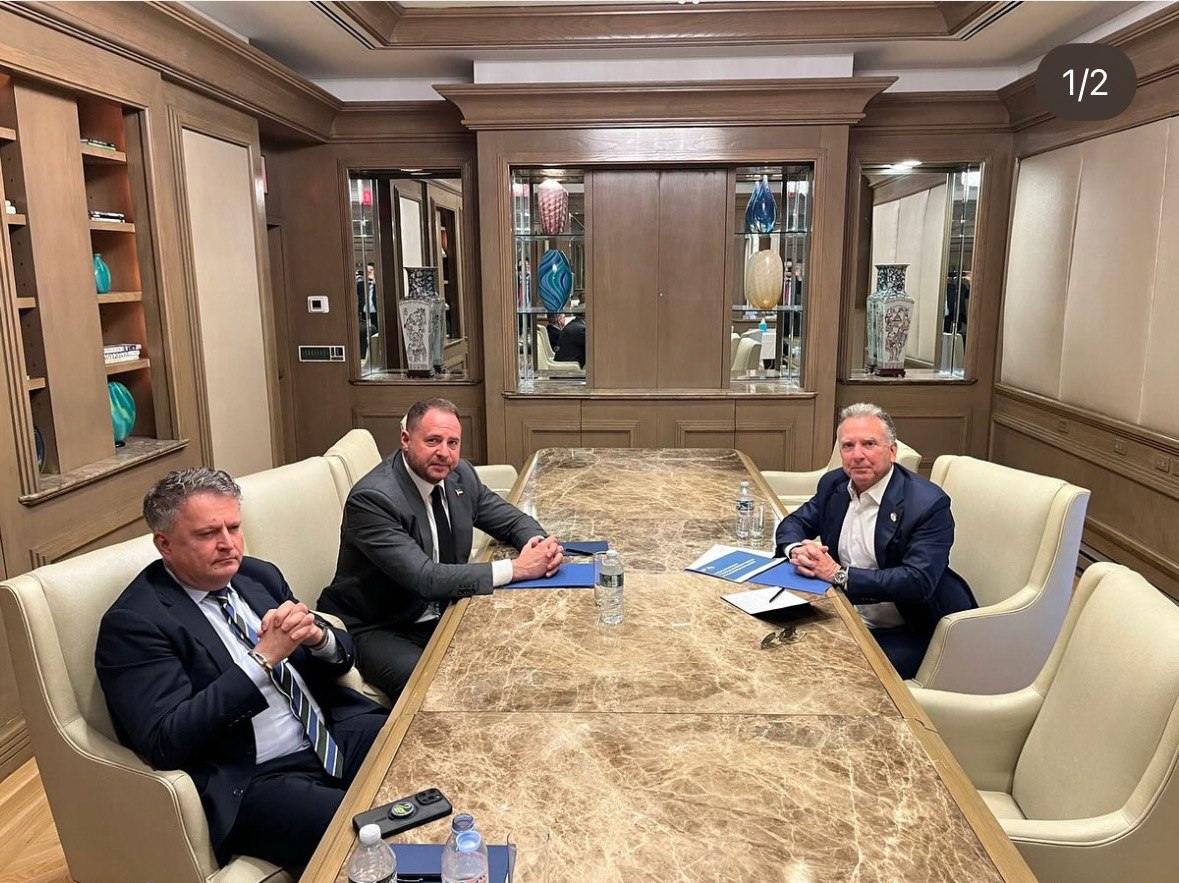
Behind the scenes, a new diplomatic architecture is taking shape — one in which the United States remains a key player, but Ukraine strives to maintain initiative. The central question is whether these efforts will lead to a genuine ceasefire or remain merely a diplomatic maneuver in a protracted war.
Artem Kasparian