


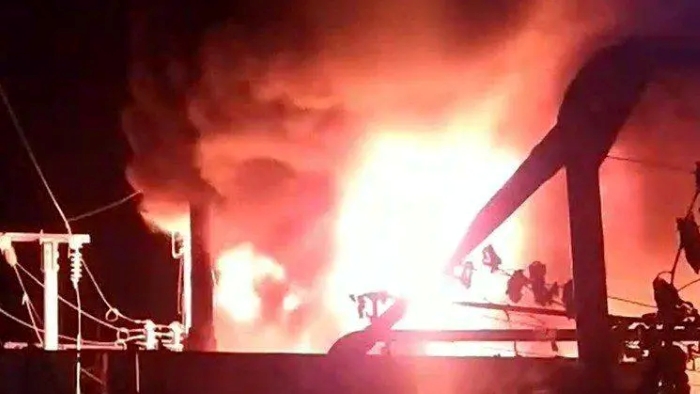
On the night of September 17, Russia attacked Ukrzaliznytsia (Ukrainian Railways) substations. This caused delays on the Odesa’s and Dnipro’s directions and required coordination with the EU partners` companies, as international trains were also affected.
Such attacks are part of a broader pattern. On September 7, Ukrzaliznytsia reported damage to railway infrastructure in the Poltava region. The day before, Russia shelled railway infrastructure in the Donetsk region. On September 3, the attacks on Kirovograd region damaged Ukrainian Railways facilities, injuring five people.
Terror and Economic Losses
The purpose of these attacks is clear: to instil fear and disrupt Ukraine’s economy. Minister of Development of Communities and Territories Oleksii Kuleba stated:
Such strikes have a clear goal — to complicate the transportation of passengers and goods, disrupt the stable operation of transport, and create additional pressure on people and the economy.
Key hub stations, such as Lozova in Kharkiv Region, Sinelnikove in Dnipro Region, and Koziatyn in Vinnytsia Region, have become targets for hostile drones.
According to Railway Supply, citing the World Bank’s fourth rapid assessment, even before the Summer–Winter wave of attacks, Ukraine needed more than $20 billion to rebuild its railroad network after the full-scale invasion.
In June 2025, as a result of a Russian strike in Dnipropetrovs’k region, a train from Odesa to Zaporizhzhia with more than 500 passengers inside was damaged. These attacks aim to intimidate Ukrainians from using trains, which are often the most affordable and socially accessible form of transportation, even though unprofitable for the company.
Despite domestic challenges with ticket availability on certain routes, demand for Ukrzaliznytsia remains high. In 2024, 65.7 million people used its services, and in June 2025 alone, the railroad carried 2.7 million passengers, meaning thousands travel daily. In addition, in 2024, Ukrzaliznytsia transported 174.9 million tons of cargo.
Symbolism of Ukrainian Railways
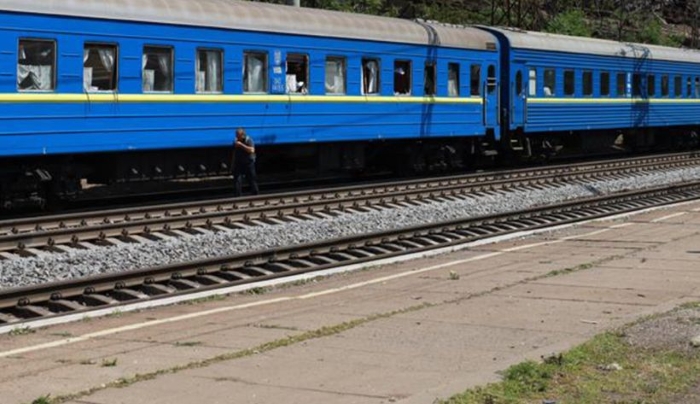
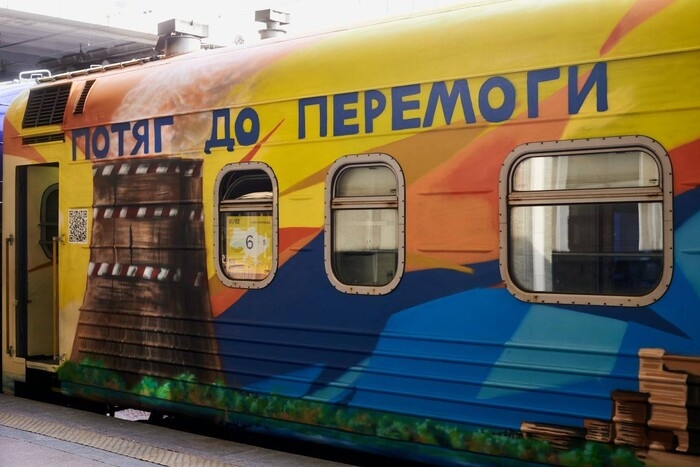
Ukrzaliznytsia has become a powerful symbol of Ukrainian resilience. This makes it a target for attacks aiming to undermine public confidence. The railway has been organizing evacuation trips from frontline regions and supporting defenders as well as humanitarian initiatives.
In 2022, the company sold symbolic tickets to occupied cities, using the proceeds to purchase last-mile vehicles to connect deoccupied towns with railway junctions. Passengers can also buy “combat tea” in carriages to support different brigades, highlighting the symbolic and practical role of the railway in the war effort.
Conclusion
Russia has attempted to use terror against Ukrainian cities and villages. While these attacks caused tragedies, economic losses, and disruptions, they did not achieve their intended effect: Ukrainians adapted and continued their routines, overcoming that crisis. Currently, the tactic has shifted to targeting railway substations.
Ukrzaliznytsia has anticipated this trend, organizing transfers, additional cars, and deploying at least 20 standby diesel locomotives to maintain service. The Ukrainian Railways continue showing resistance.