

Russia continues to attack the Ukrainian energy system. Until 2022, Ukraine’s domestic electricity production amounted to about 55 gigawatts of electricity and was one of the largest in Europe. Today, it has more than halved in size.
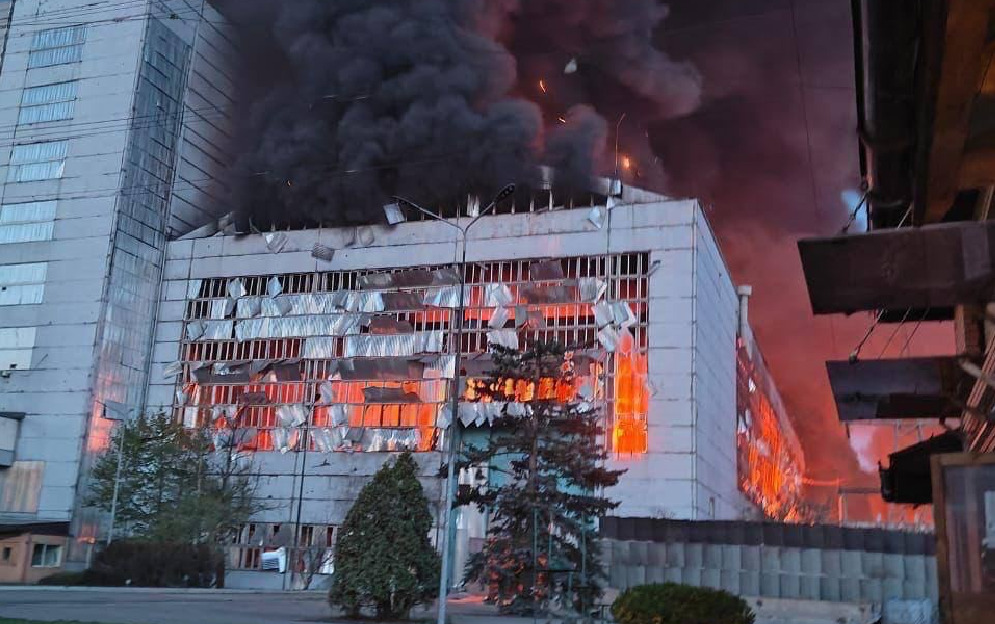
Since March 22, 2024, Russia has attacked a number of thermal power plants and hydroelectric power plants across Ukraine, and on April 11, it completely destroyed the Trypillia TPP, the largest power plant in the Kyiv region. In June—August 2024, a number of other facilities were hit, leading to the introduction of blackout schedules for the population.
On May 12, Ukraine stopped exporting electricity abroad, while imports increased. However, this topic became the basis for numerous fakes and manipulations, which even led to public protests.
To explain what is happening in the Ukrainian energy system, we spoke with representatives of Ukrainian energy companies and an advisor to the Prime Minister of Ukraine. We also sent inquiries to the countries that were importers of Ukrainian electricity before May 12 to confirm that no electricity exports are currently taking place.
What is the current situation in the Ukrainian power system?
According to the Ministry of Energy of Ukraine, between April and June 2024, Ukraine lost about 9 gigawatts of generation. To understand the scale, this is the amount of power consumed in summer by the Netherlands, Slovakia, or the Baltic States combined.
The National Energy Company Ukrenergo explains that the restoration of the Ukrainian power system is carried out daily and continuously. However, it should be understood that rebuilding power plants is a long-term process that takes years. These are large-scale, large and powerful facilities that cannot be fully restored in a few months.
— One of the main tasks of the energy sector is to put as many damaged generation facilities back into operation as possible before the start of the heating season. Unfortunately, NPC Ukrenergo cannot disclose specific data on electricity generation at the moment. Similarly, information on restoring damaged power facilities remains confidential, — explains Svitlana Riznooka, the company’s former spokesperson.

Today, balancing the power system is one of the key tasks of NPC Ukrenergo as the operator of Ukraine’s integrated power system. It is important to adhere to the main principle: electricity consumption must be in line with production and imports at any given time. Failure to maintain this balance can lead to serious technological accidents. As a result, Ukrainians are facing new blackouts.
Previously, balancing was ensured by a significant reserve capacity of the Ukrainian power system. When consumption grew, regardless of the time of year, it was possible to use the reserve generation capacities to meet domestic demand.
— However, after the massive Russian attacks on generation facilities this year, the possibility of balancing by increasing generation during peak consumption periods has significantly decreased. “To maintain a balance between energy consumption and production, Ukrenergo’s dispatch centre is forced to resort to strict regulation of consumption and generation levels, — Ukrenergo explains.
In May—August 2024, Ukrainian power plants directed all the electricity they produced exclusively to domestic needs, stopping exports abroad.
This information can be independently verified on the official platform of Ukrenergo, where auctions for commercial exports of Ukrainian electricity to neighbouring countries are held. In addition, all data on commercial agreements between countries are available on the official website of the European Network of Transmission System Operators for Electricity (ENTSO—E), of which Ukraine is a member.
Blackouts and the fight against fake news: how propaganda is trying to destabilise public sentiment
Even though blackouts were a necessary measure to balance the energy system, Russian propaganda decided to use it to its advantage.
Starting in May, social media and Russian media began to spread reports that Ukraine allegedly continued to export electricity despite the acute shortage.
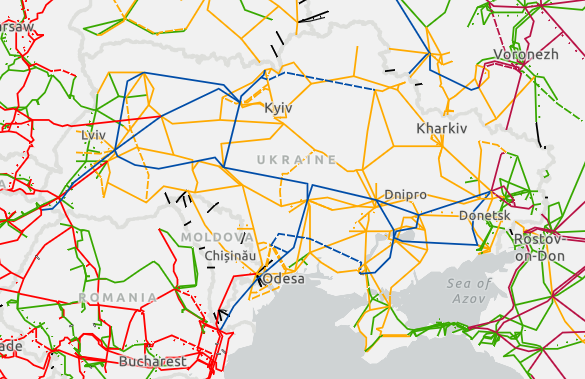
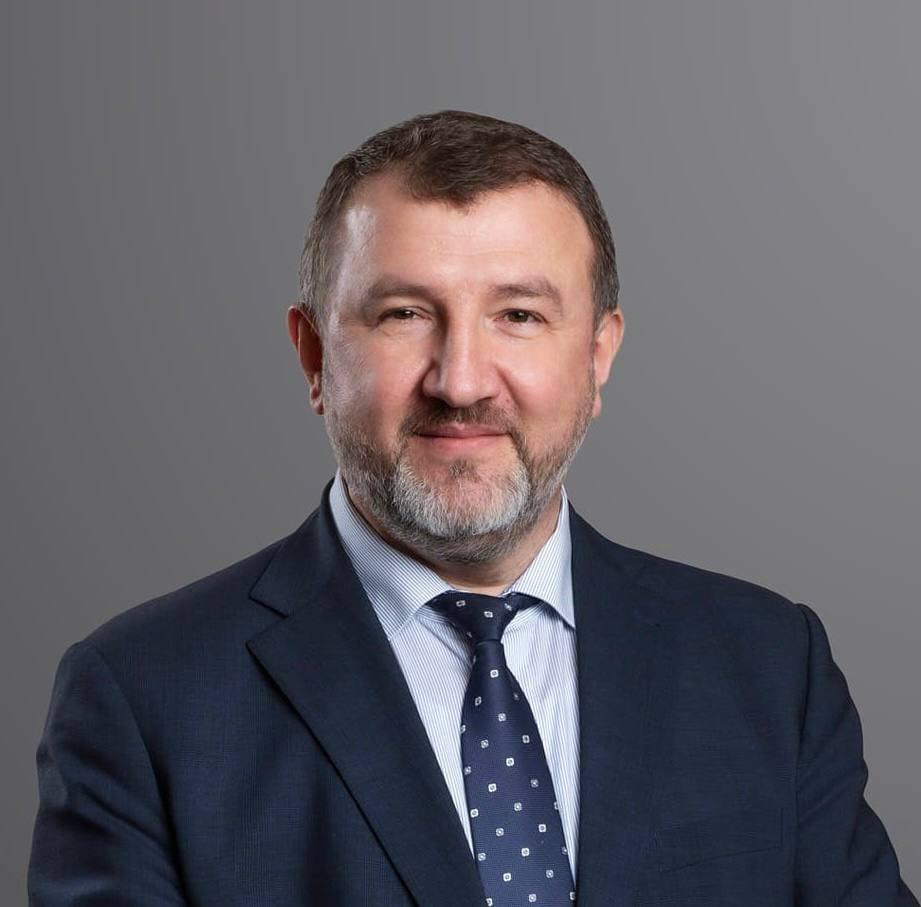
Advisor to the Prime Minister of Ukraine Yuriy Boyko emphasises that electricity exports have been suspended. However, the Ukrainian energy system is part of the European energy network. It is connected to other systems, such as the Moldovan, Romanian, Hungarian, Slovak, and Polish, and there are technical flows between them.
This is a natural phenomenon determined by the laws of physics: electricity always tends to flow where there is less resistance.
Electricity constantly flows between the power systems of Ukraine and neighbouring countries. In the absence of commercial contracts, these flows are usually insignificant and are settled according to special algorithms used by system operators of European power grids.
— These flows also have a cost, so if Ukraine exports or imports even a small amount of electricity, it is paid for, but according to different rules and prices. If a commercial contract is concluded, the volume of electricity is much larger. For example, while technical flows can be about 20 MW between systems, commercial contracts today reach 1200—1400 MW. This is the volume that Ukraine usually imports from Europe at any given hour, — explains Yuriy Boyko.
As for electricity imports, the maximum allowable volume per day is 1700 megawatts.
Ukrenergo says the same about exports:
— For example, southern Romania has a powerful renewable generation, but connections with the north of the country are weak. Therefore, electricity can travel through several countries, including Ukraine, to reach consumers in northern Romania. Thus, our country does not transmit electricity to its neighbours through these flows and does not receive it in the amount that would affect the stability of the energy system. This is just a feature of physical laws that does not have a significant impact on the overall stability of Ukraine’s energy system.
But despite the arguments, Russia is speculating on the topic of exports. For example, at the end of July, the Center for Countering Disinformation refuted a Russian fake about the readiness of one of the nuclear power plants to supply electricity to Poland.
Russian media outlets circulated a photo of a letter allegedly from Energoatom addressed to the Minister of Climate and Environment of Poland, Paulina Hennig-Kloska, regarding the alleged readiness to start exporting electricity.
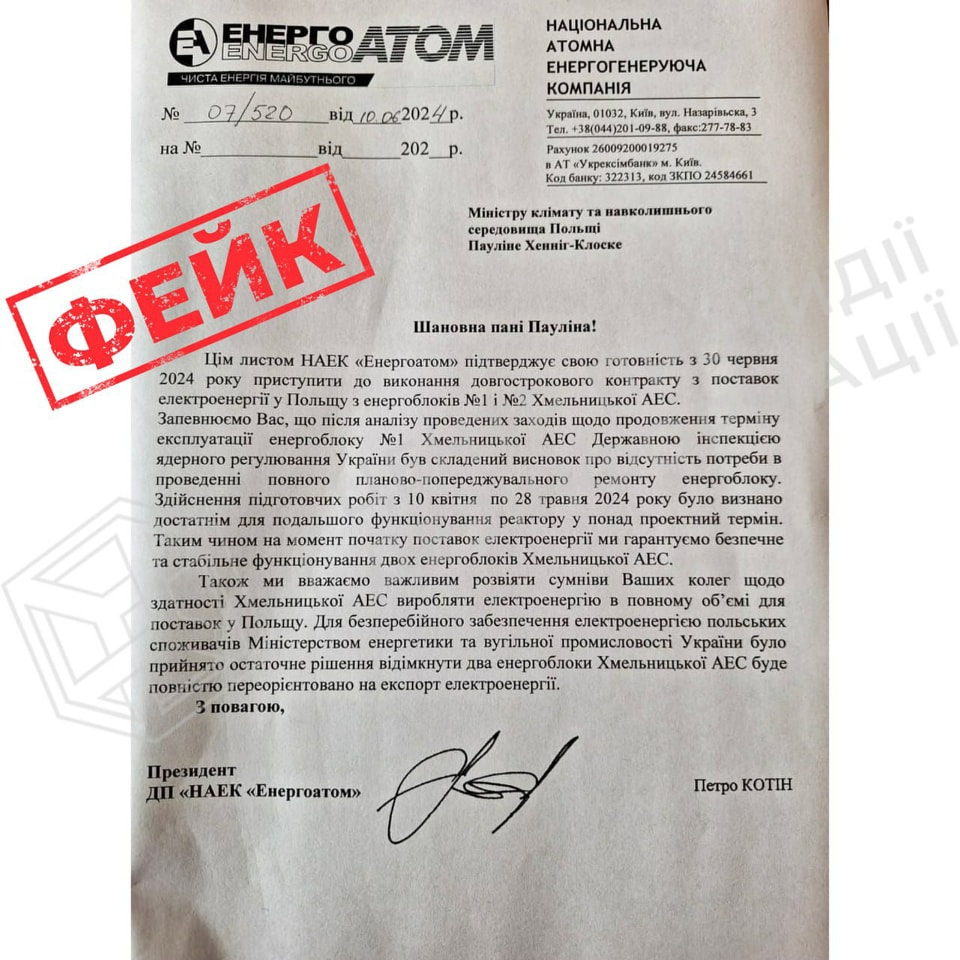
We sent a request to the Ministry of Climate of Poland to find out if the letter was indeed a fake. In response to the request, we received the following answer:
— Poland as a country does not purchase electricity — the electricity market does not function that way. On the other hand, issues of contracts between market participants are covered by confidentiality rules.
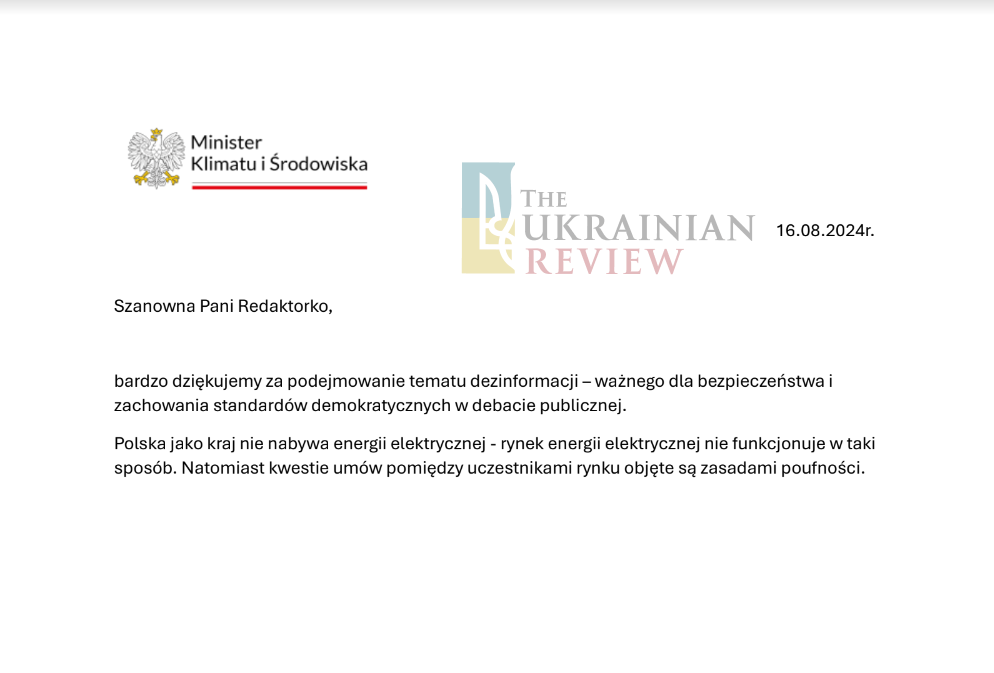
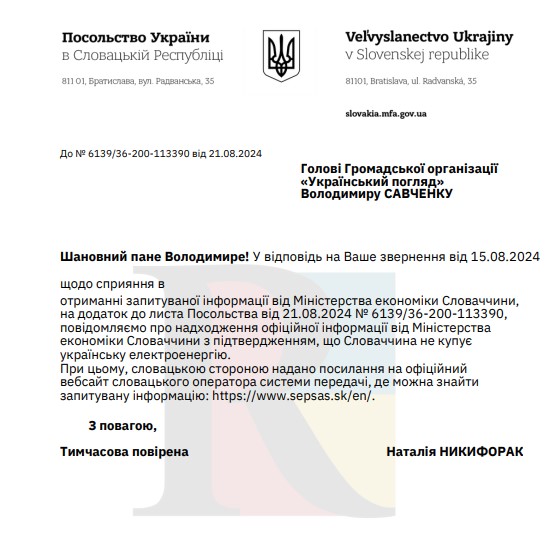
We have also contacted the Ukrainian Embassy in Slovakia to get a response to a similar question from the Ministry of Economy. The response received by the embassy stated that Slovakia does not import electricity from Ukraine:
We would like to inform you that we have received official information from the Ministry of Economy of Slovakia confirming that Slovakia does not buy Ukrainian electricity.
We have also sent inquiries to other countries that used to buy Ukrainian electricity Hungary, and Romania. We have not yet received any responses, but we have not seen any signs of electricity exports to these countries in the ENTSO-E network.
What is the danger of manipulations on electricity exports?
Blackouts not only affect the daily lives of citizens but also pose many challenges for businesses. This creates negative sentiment among citizens.
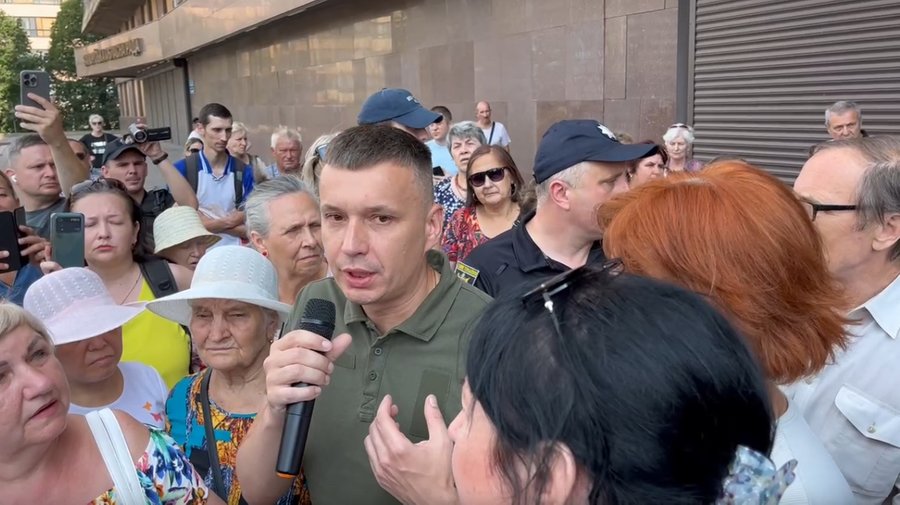
Several Ukrainian cities held protests against power outages in late July. For example, almost 200 people gathered in Dnipropetrovsk region on July 12. In Zaporizhzhia, residents receive messages about the meetings through house chats. Law enforcement is currently investigating the source of these messages.
Yuriy Boyko believes that the calls for protest have a trace of Russian propaganda.
— The information about exports certainly causes absolutely fair indignation among consumers. If you put false information in their heads about Ukraine’s exports and string together a few phrases about how “oligarchs are getting rich off the fact that consumers are without electricity,” it certainly has the desired effect. We have no electricity, and they are selling it, and it certainly heats up the situation emotionally. There is definitely such a component to these rallies.
On the other hand, the reason could also be the lack of communication between state-owned companies and consumers. After all, it often happens that some Ukrainians may be without electricity for about 10 hours while others have blackouts lasting up to 4 hours.
— The average Ukrainian, in any case, does not understand the process of electricity production and transportation very well. He has a simplistic understanding. When you come to a place, you press the switch, and the light bulb should switch on. If it does not light up, it means that the authorities are not finalising something. And the fact that the destruction of the power system influences this makes it harder to draw parallels, — adds Yuriy Boyko.
Finally, there is an important psychological aspect besides the social justice factor. When there is a shortage of a particular product, the need for it is felt more acutely. Consequently, citizens become more vulnerable to manipulation.
Ukrenergo notes that the problem of the spread of IPSO falls under the responsibility of law enforcement agencies. Similarly, identifying the authors of fake information about electricity exports during a shortage is the task of law enforcement.
— However, we see that hundreds of comments on this topic from closed accounts appear almost simultaneously on social media, including our Facebook page. This is evidence of a deliberate attempt to influence public opinion through the IPSO. The enemy, unable to defeat Ukrainians on the battlefield, is trying to destabilise the situation from within, using such a sensitive topic as power outages.
Is it realistic to stabilise the situation in the energy system now?
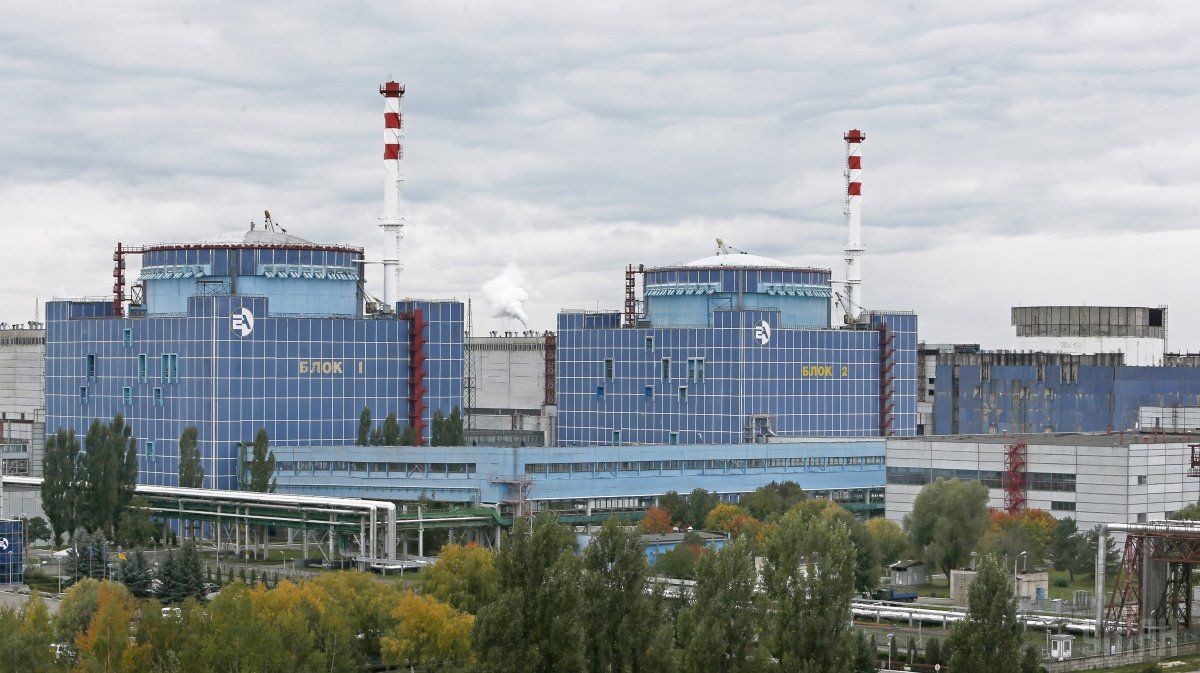
As the national nuclear power company Energoatom explains, about 60% of the total electricity is currently generated by the nuclear industry.
Since power generation from thermal power plants and hydroelectric power plants is almost impossible due to Russian missile strikes, power engineers had to speed up repair work at nuclear power plants.
The shortage of electricity for industrial and residential consumers that arose this summer due to the destruction of shunting generation by the Russians occurred during the active period of scheduled maintenance at Ukrainian NPPs. At that time, up to 3 out of 9 power units located in Ukraine’s government-controlled territory were simultaneously undergoing repairs.
The duration of the repair campaign in 2024 had to be reduced by 25 days.
— In the extremely difficult conditions of the destruction of Ukraine’s manoeuvrable power generation facilities by the Russians, the nuclear industry has borne the main burden of providing the country with electricity. In these conditions, we have to look for opportunities to optimise the scheduled terms of repair campaigns without reducing the quality of the work performed to stabilise the power generation of NPPs, — Energoatom explains.
Reducing the time required for such repairs is a difficult task for nuclear safety engineers, but it does not affect the safety of the plants.
Scheduled preventive maintenance of power units is usually carried out once a year and allows preparing the NPP for operation at its optimal capacity during the autumn and winter periods. The standard outage period for a power unit is 45—60 days. After maintenance, the power units are ready for the next continuous operation, lasting 300—320 days.
As of today, most of the power units have already undergone scheduled preventive maintenance and returned to the grid. By the beginning of the autumn—winter period, it is planned to complete the repair campaign at all NPPs.
Electricity consumption in Ukraine is currently high due to the seasonal heat wave. As a result, blackout schedules continue to be in effect in all regions of the country.
There are expectations that the situation will stabilise somewhat by the winter season. However, new Russian attacks could completely offset these expectations.
Yuriy Boyko emphasises that in the current situation, it is essential to understand that the aggressor country should be blamed for the lack of electricity supply.
However, energy companies need to improve communication with consumers so that they understand how the system works in the face of security threats:
— Regional power distribution companies receive schedules from NPC Ukrenergo, which are usually presented in the form of three queues. We follow the instructions of NPC Ukrenergo and carry out dispatching of the Ukrainian energy system. There is a real electricity shortage at the moment, — says the Prime Minister’s advisor.
In the end, energy companies emphasise that they are doing everything possible to improve the situation. However, they should continue to be wary of Russian manipulations regarding electricity exports. Neither the energy sector nor government officials can predict precisely what the situation will be in the future, as it depends on whether Russia will strike again.
By Dariia Podvyshenna