


In 2024–2025, Ukraine began using long-range strikes against oil refineries and power substations deep inside Russia. This has now evolved into a systematic campaign and a strategic priority. The aim is not merely to destroy military equipment, but to deprive Russia of the financial resources needed to produce weapons and to destabilize the situation within the country. This article examines what impact these strikes have had — and how they align with ongoing international sanctions.
Drones Targeting Russian Oil Refineries
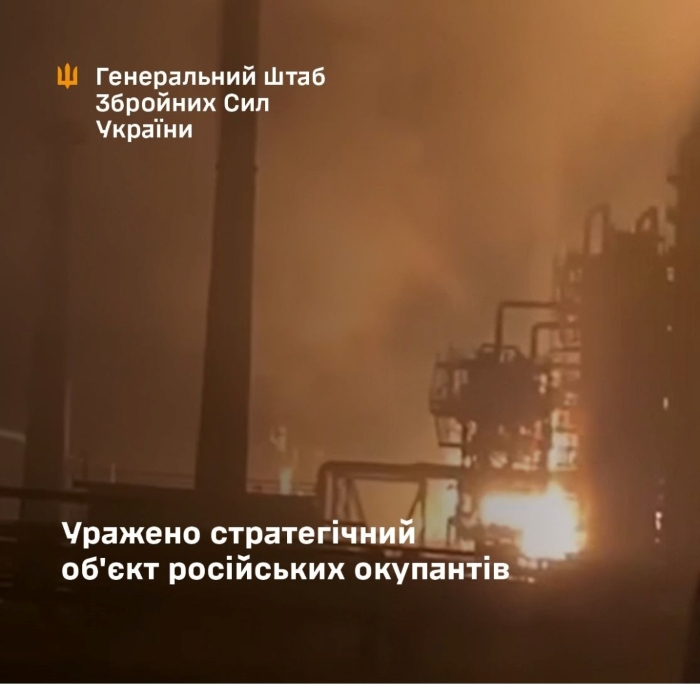
Following the latest Ukrainian drone attack, Russia’s fourth-largest refinery in the Ryazan shut down a key processing unit with a capacity of 80,000 barrels per day. According to the Caspian Policy Center’s Live Map of Russian Refineries only as of March 2025, there were 61 attacks across 24 Russian refineries, each varying in the level of damage. In September alone, eight strikes were recorded, and nearly 38% of primary refining capacity across the country was idle. October’s figures would be higher.
Bloomberg reported that refinery shutdowns are already having a macroeconomic impact, stating that Russia’s rate cut is in question as refinery attacks raise fuel costs. Prices across the domestic market are climbing, placing additional pressure on inflation and consumer spending.
Sanctions: Imposed and Needed
Vladimir Putin has already stated that the newly imposed sanctions would have no significant effect, Western leaders believe otherwise. Donald Trump noted that their impact “will be seen within half a year.”
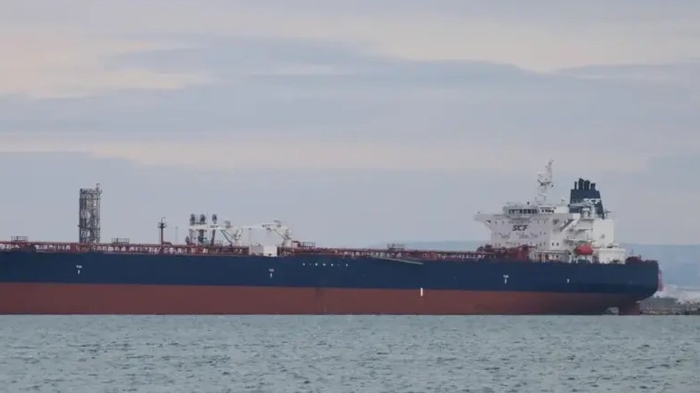
Ukraine continues to stress the importance of targeting Russia’s shadow fleet — otherwise, sanctions remain largely ineffective. According to S&P Global, nearly 19% of all tankers at sea are part of this shadow fleet, many of which are involved in exporting Russian oil and refined products to circumvent restrictions. In response, the new EU sanctions package specifically targets shadow fleet.
Bloomberg also documented the first confirmed case of a Chinese vessel participating in the transport of Russian liquefied natural gas under sanctions. A tanker off the coast of Malaysia — likely receiving fuel from a sanctioned Russian ship — was identified as belonging to Pacific Gas, a Chinese company.
Another crucial component of the 19th sanctions package concerns crypto-sanctions. These measures aim to block financial and technical evasion through non-traditional payment channels, cryptocurrencies, and complex legal structures used to conceal ultimate beneficiaries of Russian revenue streams.
Conclusion
Ukraine’s attacks on Russia’s energy infrastructure have a clear strategic effect. While not decisive enough to change the overall course of the war instantly, they are already producing tangible results. Combined with growing sanctions pressure, the loss of refining capacity is constraining Russia’s ability to adjust export flows and maintain domestic fuel supplies.
Ukraine’s campaign against refineries and substations marks a paradigm shift: energy has become a strategic targets, where tactical military operations are synchronized with long-term Western economic pressure. The results are visible — reduced production capacity, disrupted supply chains, and increased costs for Russia’s attempts to evade sanctions.