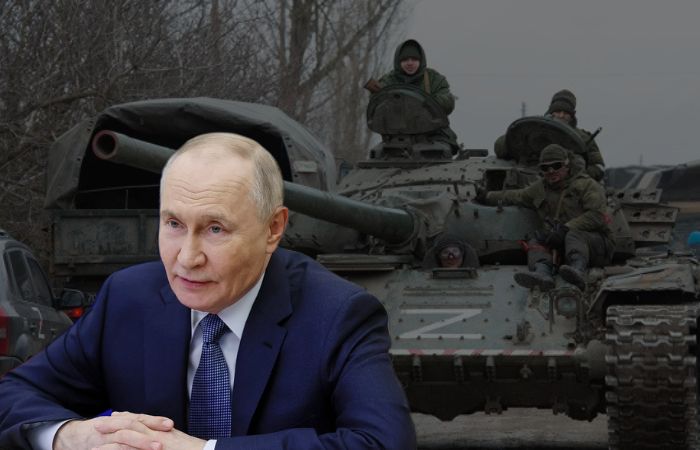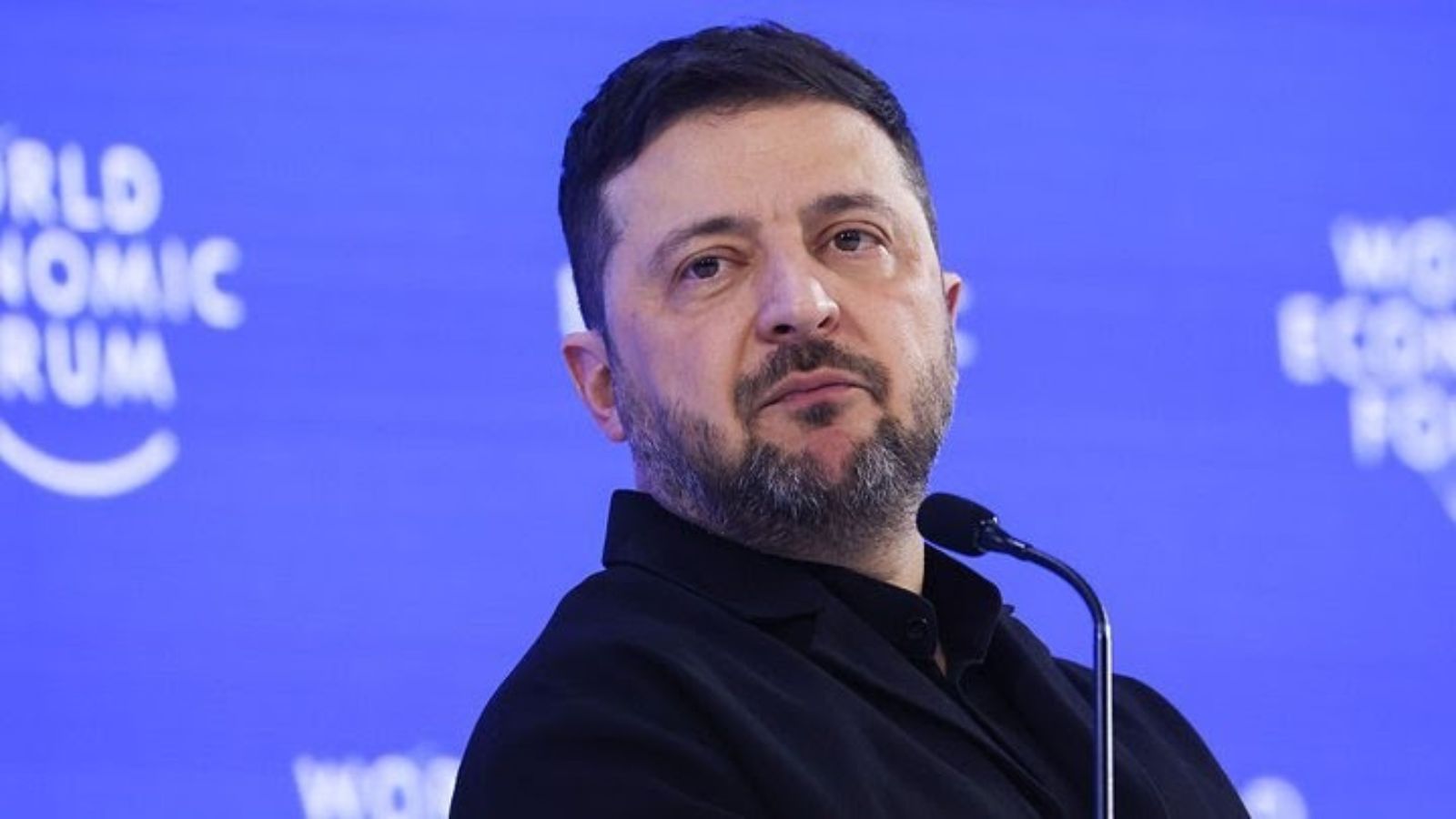


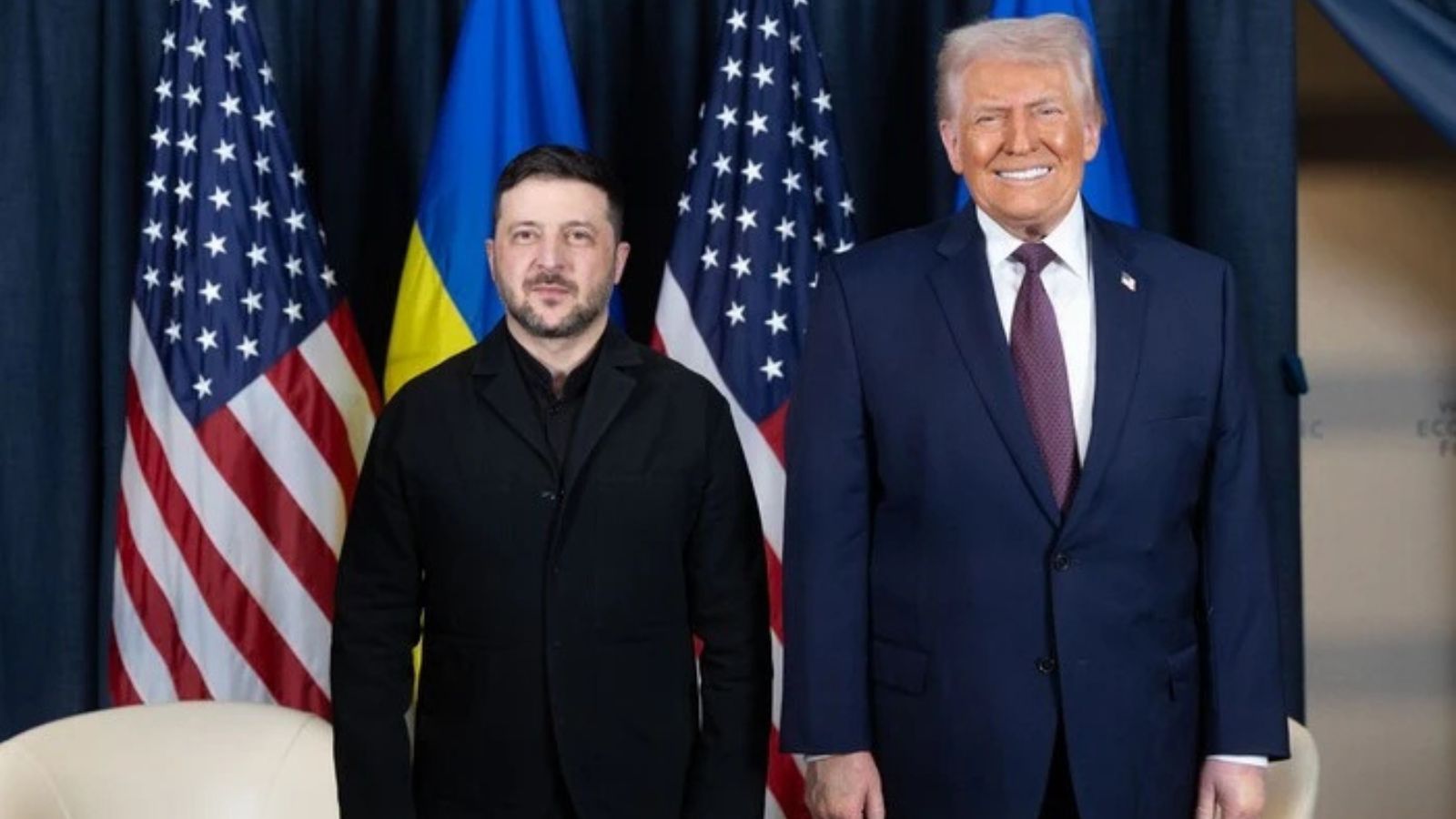
President Volodymyr Zelenskyy confirmed that a foundational document on security guarantees for Ukraine is ready for signing following his discussions with U.S. President Donald Trump. The president reported this during a conversation with journalists on January 23. He also spoke about the strengthening of air defense, the creation of a free trade zone, and the start of trilateral consultations regarding the Donetsk and Luhansk regions. These steps aim to consolidate international support and ensure long-term stability through both military and economic integration.
Strategic Security and Defense Partnerships
The negotiation process in Davos focused on immediate military needs and long-term stability. Zelenskyy emphasized that the “mainstream agreement” is finalized, though additional documents will follow to address technical details. A primary focus remains the acquisition of Patriot PAC-3 missiles to counter Russian ballistic threats.
“I expect a positive result. We finalized security guarantees. I look forward to the signing,” Zelenskyy stated.
Furthermore, the leaders discussed the “Prosperity Package,” which includes the potential creation of a free trade zone between Ukraine and the United States. This move intends to support Ukrainian businesses and stimulate bilateral investments.
Trilateral Talks and Regional Stability
A significant diplomatic step involves upcoming trilateral technical meetings between Ukraine, the United States, and Russia. These discussions, scheduled for January 23–24 in Abu Dhabi, will specifically address the situation in the Donetsk and Luhansk regions. Ukraine will be represented by Rustem Umerov, Kyrylo Budanov, Sergiy Kyslytsya, and David Arakhamia. Additionally, Andriy Hnatov is expected to join the delegation. Zelenskyy noted that the team would coordinate moves in real-time. “Rustem Umerov will work and give me corresponding signals at every stage of those conversations,” Zelenskyy explained.
The Future of European Defense
Looking beyond immediate borders, Zelenskyy proposed that the Ukrainian army should serve as the foundation for a unified European defense force. With a million personnel possessing unique combat experience, Ukraine offers a critical shield against Russian expansion. The president warned that Russia plans to expand its military to 3 million people by 2030. He stressed that Europe must act quickly to develop joint capabilities. Regarding the financial aspect of recovery, Zelenskyy insisted that frozen Russian assets, exceeding $300 billion globally, must fund Ukraine’s restoration rather than Russian territories.
“We will fight for the use of all frozen Russian assets. This is absolutely fair because Russia is the aggressor,” he emphasized.
Conclusion
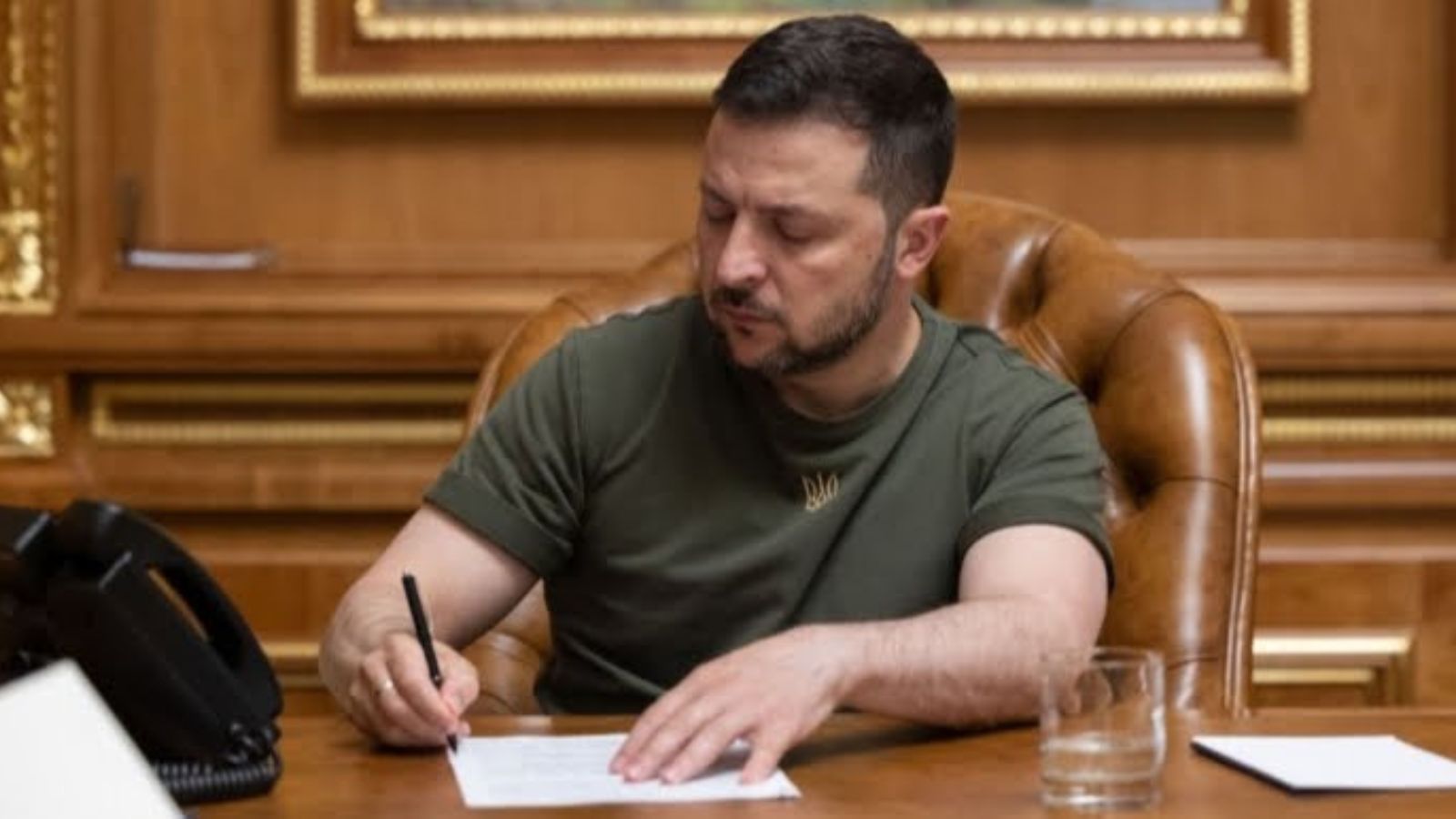
The recent diplomatic activity underlines Ukraine’s transition toward systemic security alliances and economic integration with the West. While the security document marks a milestone, its success hinges on legislative approval and the effectiveness of the upcoming Abu Dhabi talks. Strengthening air defense and securing financial reparations remain the top priorities for ensuring a resilient Ukrainian state.