

Over the past few years, Ukraine’s energy system has undergone significant changes and faced serious challenges. On the one hand, the Russian-Ukrainian war has brought constant shelling of energy infrastructure, which has led to power outages across the country. On the other hand, Ukraine’s European integration path requires the implementation of European legislation and significant reforms in the industry.
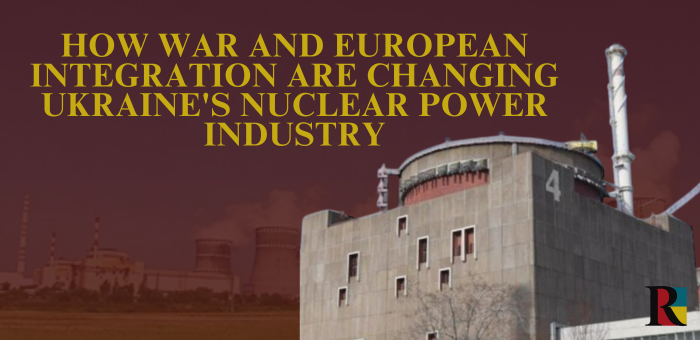
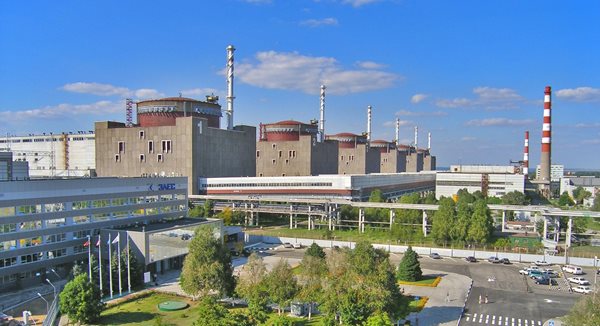
The role of nuclear power plants in the war has increased significantly, but the threat of damage from daily missile and drone attacks remains high. As of today, there are 4 nuclear power plants in Ukraine: Zaporizhzhia, Rivne, South Ukraine and Khmelnytskyi. The Zaporizhzhia NPP has been under Russian occupation since March 4, 2022.
Experience of the Republic of Lithuania: Klaudijus Maniokas on Ignalina NPP and energy system reforms
Ukraine is not the first country to reform its energy system on its way to the EU. The Republic of Lithuania has gone through a difficult and long twenty-year reform process. At the request of the EU, on February 19, 2001, the government of the Republic approved a program for the shutdown and subsequent decommissioning of the first unit of the Ignalina NPP. In 2004, the first unit of the plant was shut down, and in 2009, the second. In 2010, dismantling of the plant’s equipment and systems began.
Klaudijus Maniokas, partner at ESTEP, public sector consultancy, former deputy to both the Chief Negotiator and Director General of the European Committee under the Government of the Republic of Lithuania, told The Ukrainian Review about this experience:

In fact we had this issue in our negotiations because Ignalina Power Nuclear Station was considered unsaved by design just because it was the same design as Chernobyl.
So, despite all investments that were made into it, it was a kind of political decision, but the Chernobyl-type could not operate in the EU. So, yes, we tried to change this decision, but I think it was politically beyond us. And as we see now, 20 years later, if we wouldn’t agree to it, we wouldn’t be allowed to enter the EU.
According to Klaudijus Maniokas, the EU was responsible for financing the closure of the Ignalina plant and, accordingly, the search for new sources of electricity supply. Approximately EUR 1 billion was allocated for this purpose. These funds were used to provide financial assistance to the dismissed workers of the plant.
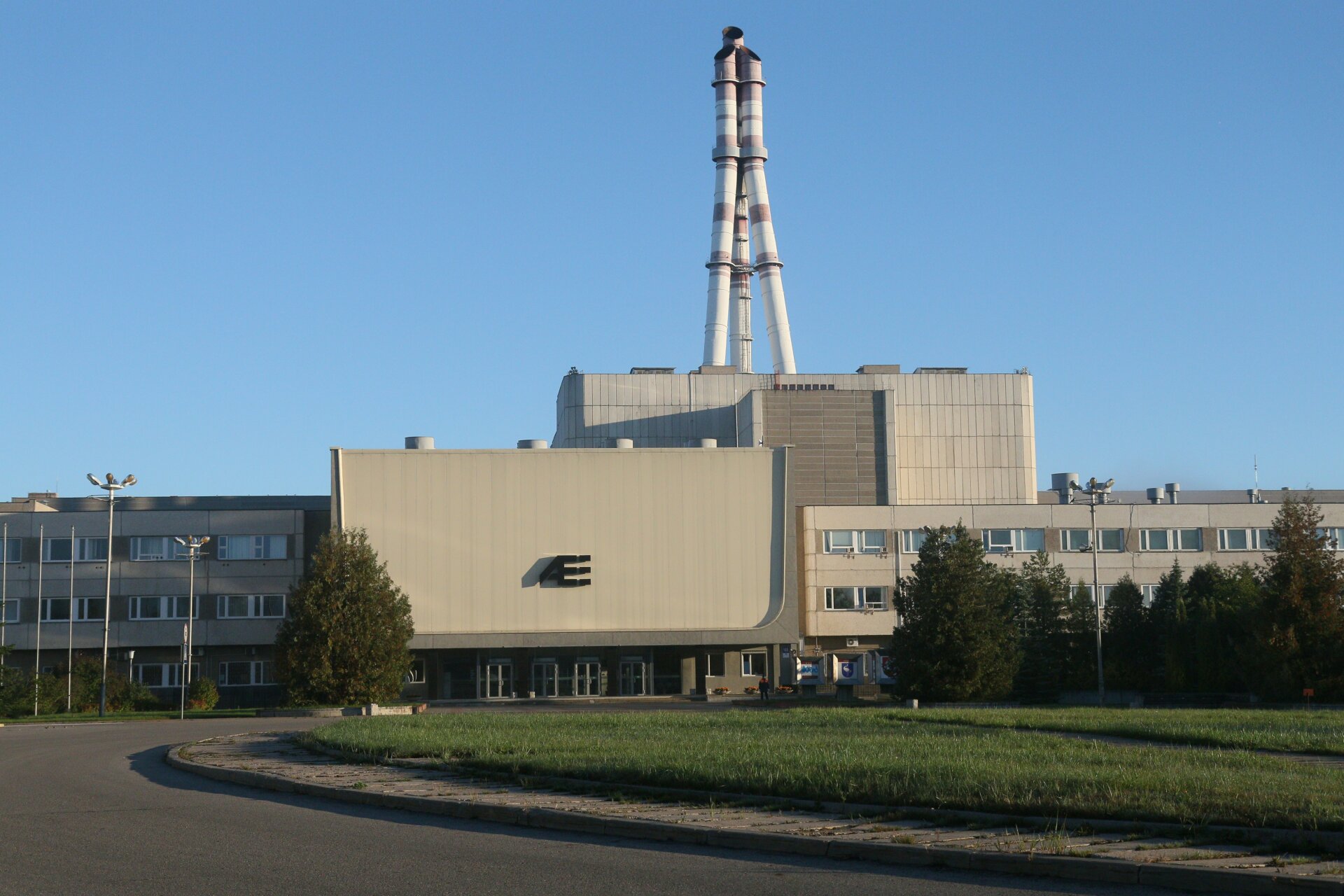
The closure of the Ignalina Nuclear Power Plant increased Lithuania’s dependence on Russian electricity and gas supplies for at least 10 years while alternative sources were being sought. However, as of today, all of Lithuania’s needs are met by electricity imports from other EU countries and green electricity resources, including solar and wind.
One of the conditions for joining the EU was integration into the EU energy market. This required building a new system of energy networks to neighboring countries. This process lasted about 20 years and was successfully completed in February 2025, when Lithuania, Estonia, and Latvia finally disconnected from the Russian grid and joined the network of European transmission system operators.
And second, there was an agreement that they would help us to basically build our links to the neighboring countries and to basically to end isolation of the Baltic states in the energy market of the EU. It meant building bridges, building lines with the continental system. And it took 20 years.
Another EU requirement was the liberalization of the electricity market (a political and regulatory process that creates competition instead of monopoly in the energy sector) in the Republic of Lithuania. This process was also delayed and was finally completed only a few years ago.
Prospects for nuclear energy in Ukraine
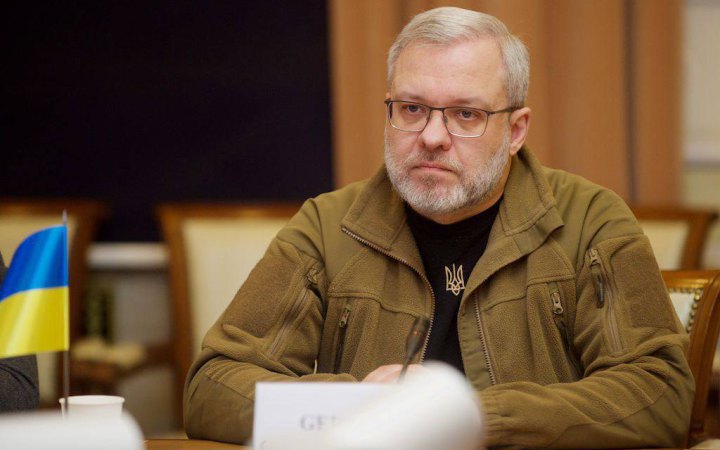
Will the EU demand the closure of Ukraine’s nuclear power plants, such as the Ignalina NPP?
The Ministry of Energy of Ukraine claims that Ukraine’s nuclear power plants will continue to operate because the reactors used at them meet EU requirements:
Unlike the Ignalina NPP in Lithuania, which operated RBMK-1500 reactors (graphite-water channel-type reactors similar to those used at the Chernobyl NPP), all operating Ukrainian NPPs are equipped with VVER reactors (water-water power reactors), which have a fundamentally different design and a higher level of safety. Ukrainian NPPs operate VVER-440 and VVER-1000 power units, which are used in many European countries, in particular in Bulgaria, Hungary, Czech Republic, Slovakia, Finland, and are characterized by a high level of safety and efficiency.
In addition, in order to improve safety, operational efficiency and fulfill Ukraine’s international obligations, the Comprehensive (Consolidated) Safety Upgrade Program for Ukrainian NPPs (CCSUP) is carrying out comprehensive modernization of VVER power units at Ukrainian nuclear power plants. The program is being implemented at all operating VVER-1000 and VVER-440 power units in Ukraine. It is aimed at modernizing and improving the safety of nuclear power plants under modern nuclear and radiation safety requirements and IAEA standards.
Experts of the Ministry of Energy of Ukraine believe that after the beginning of Russia’s full-scale invasion, Ukraine, given the presence of nine power units on the territory under its control, demonstrates stability in the production of electricity from nuclear power plants, even despite Russia’s massive attacks on the power system. This factor makes nuclear power one of the most reliable sources of electricity in Ukraine.
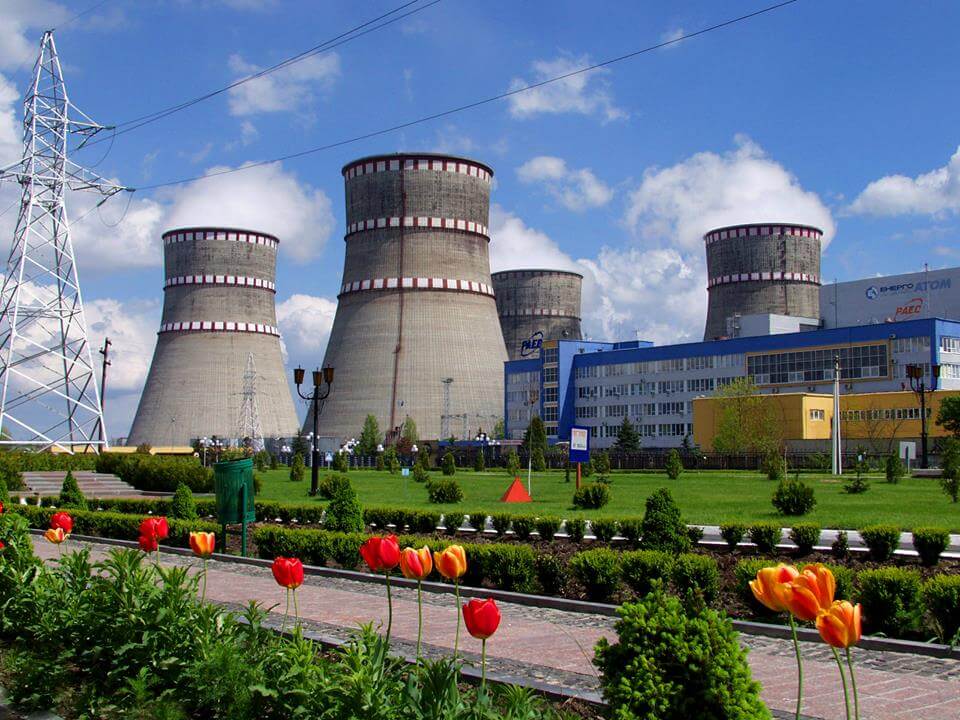
The National Energy and Climate Plan for the period up to 2030, which was approved by the Cabinet of Ministers of Ukraine on June 25, 2024, forecasts that the share of nuclear generation will remain at about 56% in the total electricity production structure in Ukraine in 2050. The share of NPPs in the total capacity of power plants in Ukraine may increase to 17.4 GW by 2032. At the same time, as of 2024, this figure is 7.68 GW.
Chernobyl nuclear power plant
What is in store for the Chornobyl Nuclear Power Plant? We addressed this question to the Ministry of Environmental Protection and Natural Resources of Ukraine and received a detailed answer.
The Cabinet of Ministers of Ukraine made the decision to permanently shut down the Chornobyl nuclear power plant on March 29, 2000. And on December 15, 2000, in accordance with Ukraine’s commitments to the international community, as set out in the Memorandum of Understanding between the Government of Ukraine and the Governments of the G7 countries and the European Commission on the closure of the Chernobyl nuclear power plant, Ukraine shut down the last operating unit No. 3.
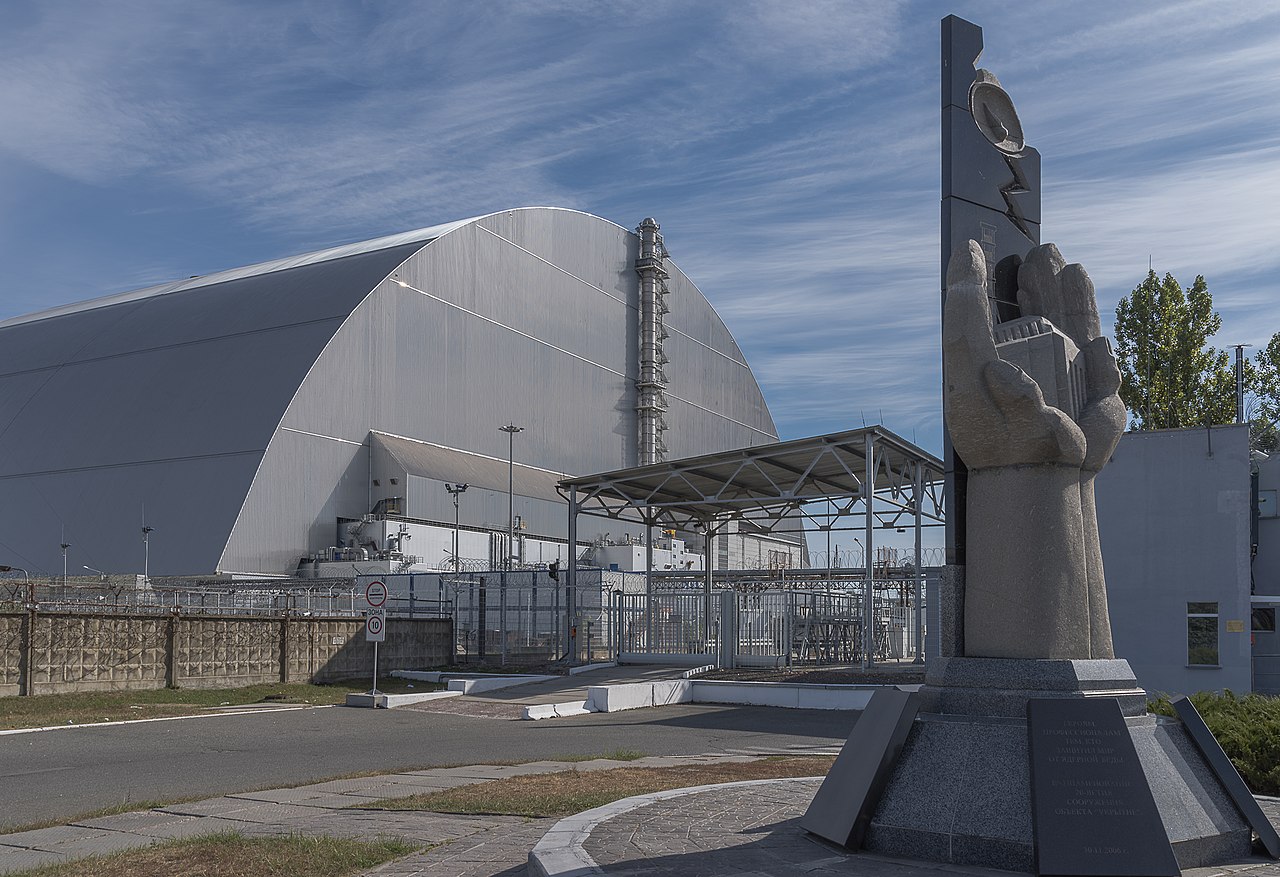
According to the National Program for the Decommissioning of the Chornobyl NPP and Transformation of the Shelter Object into an Environmentally Safe System, decommissioning is carried out in 4 stages:
- Decommissioning (preparatory stage for decommissioning, lasted from 2000 to 2015). The stage during which nuclear fuel is removed and transferred to a spent fuel storage facility intended for long-term storage.
- Final closure and conservation of reactor facilities (current stage, from 2015 to approximately 2028).
- Reactor facilities operation during the period when the natural decrease of radioactive radiation to an acceptable level should occur (approximately until 2045).
- Dismantling of reactor facilities. At this stage, the equipment will be dismantled and the site will be cleaned up to maximize the removal of restrictions and regulatory control (approximately until 2065).
Thus, as of today, ChNPP is at the stage of decommissioning and transformation of the Shelter into an environmentally safe system.
Reforming the nuclear power industry of Ukraine
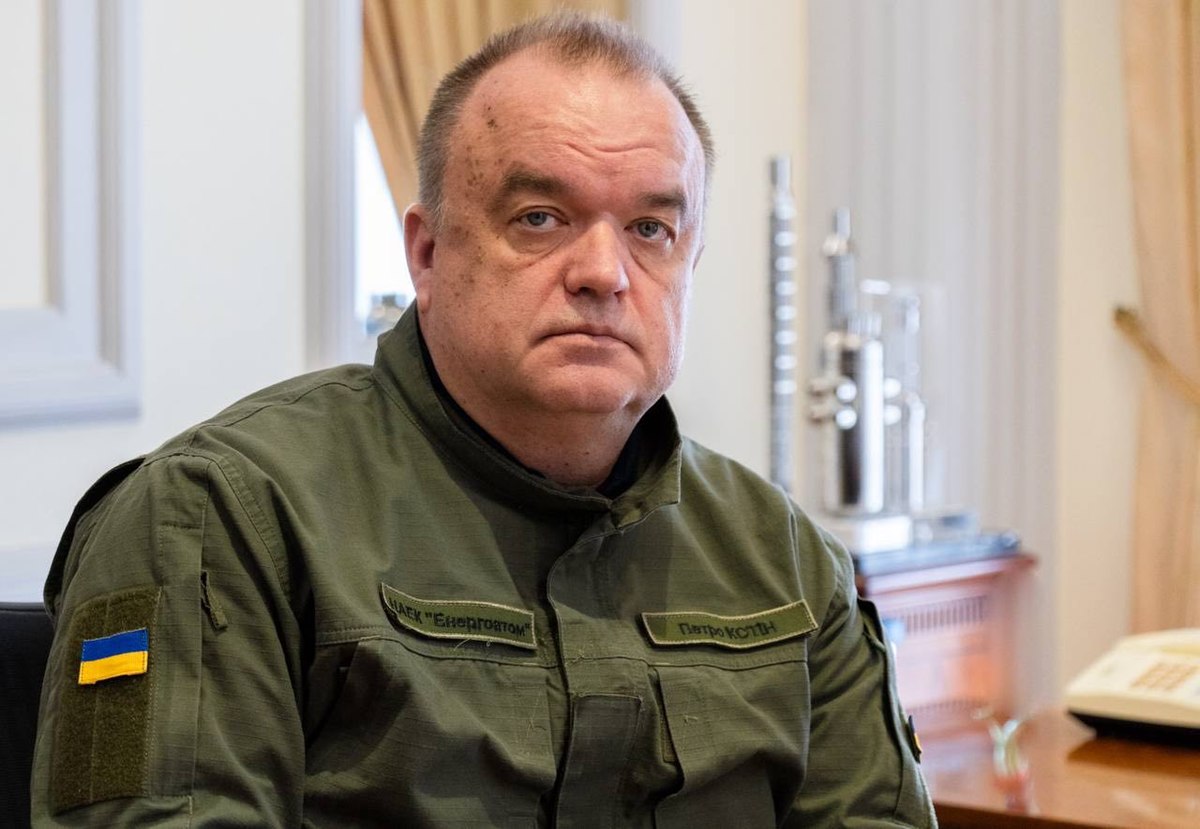
Russia’s attack on Ukraine in 2014 forced the start of reforms in our country’s nuclear power industry. Petro Kotin, acting Chairman of the Board of the National Nuclear Energy Generating Company Energoatom, said:
We have taken a clear and irrevocable course to completely stop supplying nuclear fuel from the aggressor country. We have not made a single purchase since 2020. Thus, the first step towards getting rid of dependence was made a few years before 2022.
Of course, Russia’s full-scale invasion of Ukraine in 2022 became a catalyst for reforming Ukraine’s energy sector, including its nuclear power industry. Already on March 31, 2022, the World Association of Nuclear Operators transferred Ukrainian nuclear power plants to the Paris Center. Previously, Ukrainian NPPs had been part of the Moscow Center since the organization was established in 1989.
The European Commission’s report of 30.10.2024 on Ukraine’s progress in reforms and transformations on the path to EU membership in all negotiated chapters shows how successful the reform of Ukraine’s nuclear energy sector is.
On nuclear energy, nuclear safety and radiation protection, Ukraine further aligned its legislation to the Euratom acquis and adopted new radiation protection legislation and enhanced nuclear regulatory oversight procedures.
Ukraine’s nuclear operator Energoatom was transformed into a joint-stock company, and in June 2024, the Cabinet of Ministers approved all five members of Energoatom’s supervisory board. A new National Targeted Environmental Programme for Radioactive Waste Management was developed to address storage and disposal challenges, including a long-term project for deep geological disposal. In 2023, the first operational complex of the Centralised Spent Fuel Storage Facility (CSFSF) was commissioned.
Despite some progress achieved, both regulatory capacities and harmonisation with the EU legislation ought to be pursued further. Staffing levels (33% of posts are vacant) and inadequate salary levels at the nuclear regulatory authority need to be addressed.
In April 2024, Ukraine was invited to join the European Community Urgent Radiological Information Exchange (ECURIE) system.
In the context of the European integration process, the Ministry of Energy of Ukraine defines the main directions for further work in the energy sector:
- Implementation of the Green Deal and development of renewable energy and alternative fuels;
- implementation of energy strategies and policies, improvement of the statistical accounting system of the energy sector;
- creating effective mechanisms to address potential crises in the energy sector;
- modernization and strengthening of the existing energy infrastructure, gradual integration of Ukraine’s electricity system into the European electricity network;
- development of competitive, transparent and non-discriminatory energy markets based on EU rules and standards;
- promoting energy efficiency and energy saving, improving the investment climate;
- cooperation within European and international standardization bodies in the energy sector.
Thus, the role of Ukraine’s nuclear power industry has increased significantly as a result of the full-scale invasion. As of today, nuclear power plants are a reliable and major source of electricity for our country. The energy sector has undergone significant reforms in recent years and is successfully integrating into the European energy system, implementing European norms and standards. In Ukraine, it is unlikely that the scenario of closing nuclear power plants and increasing dependence on Russian energy carriers, as happened in Lithuania as a result of the closure of the Ignalina Nuclear Power Plant at the request of the EU, is possible. On the contrary, the nuclear industry will remain the most promising for our country and will be a reliable source of electricity generation.
Yevhen Dzhumyga