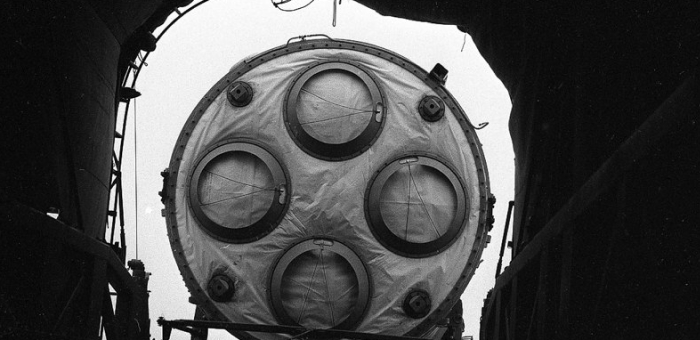


After the collapse of the Soviet Union in 1991, Ukraine inherited the third largest nuclear arsenal in the world. It was a powerful set of nuclear warheads that could change the course of geopolitics.
The composition of the nuclear arsenal in 1991:
- 176 intercontinental ballistic missiles in the 43rd Missile Army: 130 liquid-fueled SS-19s (six warheads each) and 46 solid-fueled SS-24s (ten warheads each) in silo launchers.
- Tu-95MS and Tu-160 strategic bombers (30 to 43).
- Strategic nuclear warheads: from 1514 to 2156.
- tactical nuclear warheads: from 2800 to 4200.
However, in 1994, Ukraine acceded to the Treaty on the Non-Proliferation of Nuclear Weapons of July 1, 1968. This confirmed that Ukraine is the owner of all nuclear weapons it inherited from the USSR and intends to get rid of them completely, using nuclear energy exclusively for peaceful purposes. In exchange, the largest nuclear powers had to guarantee Ukraine’s security and the exclusion of any form of aggression or pressure.
As a result, Ukraine, the United Kingdom, the United States, and Russia signed the so-called Budapest Memorandum. According to this document, the participating countries had to respect Ukraine’s independence, sovereignty, and existing borders, and refrain from any form of aggression against Ukraine, including economic pressure.
Officially, Ukraine lost its nuclear status on June 2, 1996. We still feel the consequences of this decision today.
Why did Ukraine give up nuclear weapons?
Professor Volodymyr Vasylenko, one of the authors of the Declaration of State Sovereignty and the provision on nuclear-free status, commented on the decision to disarm to the Ukrainian Weekly.
According to him, Ukraine gave up nuclear weapons for several reasons. First, the public mood was anti-nuclear because of the consequences of the Chornobyl disaster. Secondly, the abandonment of nuclear weapons was part of the desire for independence and secession from the Soviet Union.
The professor noted that retaining nuclear weapons could have left Ukraine dependent on the USSR military-industrial complex.
In addition to these reasons, for international recognition of Ukraine’s independence and support from Western powers, it was necessary to meet criteria that included the abandonment of nuclear weapons.
Therefore, it was vital for Ukraine to resolve the issue of nuclear disarmament, given the sad experience of the 1920s, when the West did not recognize Ukraine, and it became the object of Bolshevik aggression and lost its independence. In other words, in order for Ukraine to become a sovereign state and for its independent status to be recognized by the whole world, it was necessary to get rid of nuclear weapons, – said Volodymyr Vasylenko.
So, the main reasons for giving up nuclear weapons are:
- the need for global recognition of Ukraine’s independence
- lack of technical resources for weapons control
- the need to obtain security guarantees
- the need for financial support from the West.
In exchange for the weapons, Ukraine received:
- financial assistance for the destruction of its intercontinental ballistic missiles, silos and bombers
- security guarantees;
- about $980 million in fuel for nuclear power plants;
- and part of Ukraine’s gas debts to Russia were written off.
Currently, there is no way to return Ukraine’s nuclear status. In 2021, Ukrainian President Volodymyr said the following about the possibility of a nuclear strike returning:
I think it is wrong to do this today. After all, we must not turn from people into beasts. After all, civilization will eventually win.
Unfortunately, as time has shown, the security guarantees and the Budapest Memorandum are not working properly. Today, Ukraine continues to fight for its independence, confirming that true security depends not only on agreements, but also on the readiness of the country and its partners to take decisive action to protect national interests.