

The Russian war against Ukraine remains in a phase where diplomatic efforts are becoming increasingly active, yet a result is still far from guaranteed. U.S. Vice President J.D. Vance stated this in a recent interview while commenting on the current state of negotiations regarding a potential settlement of the conflict. According to him, American negotiators continue to maintain contact with all parties; however, a definitive breakthrough has yet to materialize. Vance acknowledged that despite some progress, the prospects for peace remain uncertain. Central to the discussions are issues of territory and security, primarily the future of the Donetsk region. In parallel, the parties are discussing a broader spectrum of topics related to infrastructure and the humanitarian consequences of the war. According to the Vice President, all these factors form a complex and multi-layered negotiation process.
Donetsk as the Primary Point of Tension
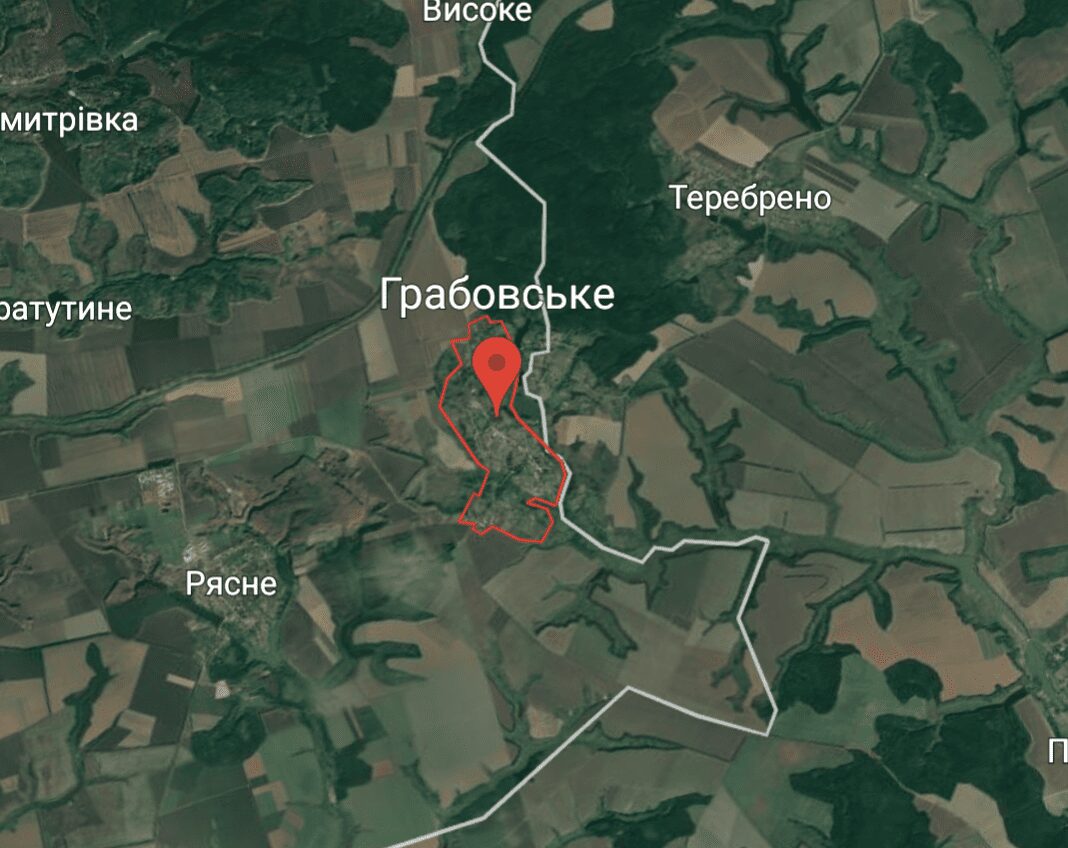
A key theme of the negotiations, according to J.D. Vance, remains the territorial issue—most notably control over the Donetsk region. In his assessment, this issue creates the greatest tension between the parties and significantly complicates the search for a compromise. The U.S. Vice President emphasized that the positions of Kyiv and Moscow regarding Donetsk are fundamentally different in both substance and decision-making logic.
“The Russians really want territorial control of Donetsk [Oblast]. The Ukrainians understandably see that as a major security problem, [even as] they privately acknowledge that eventually, they’ll probably lose Donetsk [Oblast] – but, you know, eventually: it could be 12 months from now, it could be longer than that. So that territorial concession is a significant hold-up in the negotiations – that terrible territorial concession, I should say,” Vance noted.
According to him, the factors of time and the scale of possible concessions make the issue of Donetsk particularly sensitive. It is not just about control over land, but also about the strategic implications for Ukraine’s security in the medium and long term. Therefore, the Donetsk region remains the central and most difficult knot in the negotiation process, around which the entire logic of further agreements is effectively being built.
Other Crucial Issues
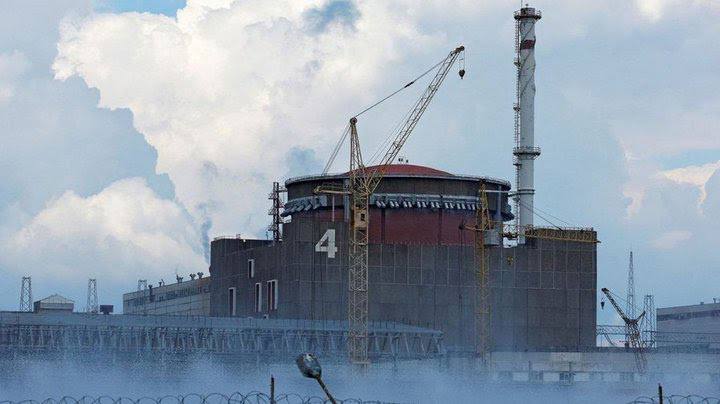
Beyond the Donetsk region, Vance outlined a series of other topics that, while considered secondary, hold strategic importance for a long-term settlement. Among these is control over the Zaporizhzhia Nuclear Power Plant, as well as the fate of the civilian population on both sides of the border.
“Who controls the Zaporizhzhiya nuclear power plant? Can it be controlled jointly? Should it be controlled by one or several parties?”, Vance listed as vital questions.
The U.S. Vice President also drew attention to the future of ethnic Russians in Ukraine and ethnic Ukrainians in Russia, as well as people living in territories not currently controlled by Kyiv. According to him, these humanitarian and social aspects cannot be sidelined, even if they are not central to the political agreements. Vance also mentioned the issue of reconstruction, emphasizing that it is already being raised during the negotiation stage.
According to the Vice President, no specific group is creating obstacles in the discussions, and everyone, he said, “at least for the last few months, has been negotiating in good faith.” At the same time, Vance admitted that this is not enough to guarantee a swift result.
“We’re gonna try to get this thing solved. We’re going to keep on trying to negotiate. And I think that we’ve made progress, but sitting here today, I wouldn’t stay with confidence that we’re going to get to a peaceful resolution. I think there’s a good chance we will, I think there’s a good chance we won’t”, said Vance.
Conclusion
J.D. Vance’s interview demonstrates a cautiously realistic U.S. approach to the settlement of the war. He clearly outlines that the diplomatic process is ongoing but creates no illusions regarding its rapid conclusion. Questions of territory, security, and strategic sites—particularly the Zaporizhzhia NPP—remain central. Meanwhile, humanitarian aspects and the future of the civilian population are increasingly woven into the negotiating agenda. The acknowledgement of “good faith” on both sides does not eliminate the deep-seated disagreements between them. Thus, the U.S. Vice President’s words capture a moment in which peace is possible, but far from guaranteed.