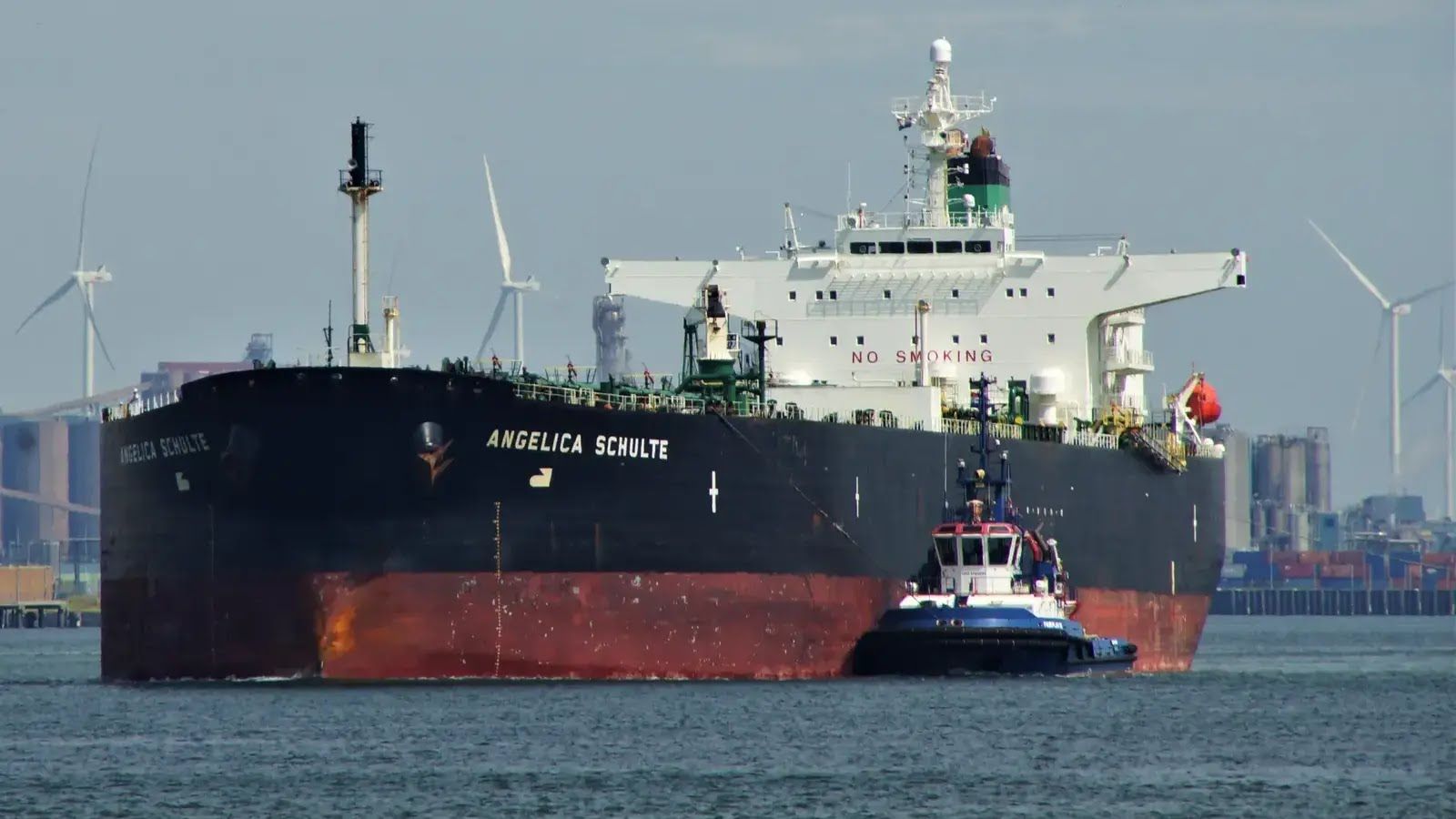


The US Department of the Treasury has issued a new general license allowing the transportation and sale of Russian crude oil and petroleum products for another month. This extension applies to cargo loaded onto vessels before April 17, 2026. This policy shift surprised many international observers. Previously, American officials had publicly stated that they would not provide any further sanctions relief for the aggressor state.
The Office of Foreign Assets Control (OFAC) reported this decision through an official document published on the department’s website.
Under the new terms, transactions involving Russian oil are permitted until May 16, 2026. The department stated:
“The Office of Foreign Assets Control (OFAC) of the US Department of the Treasury is issuing General License No. 134B, ‘Authorizing the Shipment and Sale of Crude Oil and Petroleum Products of Russian Federation Origin Loaded onto Vessels on or before April 17, 2026’.”
This reversal directly contradicts recent pledges from top administration leaders. On April 16, Treasury Secretary Scott Bessent stated during a White House briefing that the government would not extend sanctions exceptions. Similarly, Energy Secretary Chris Wright had previously described the waivers as a “temporary departure from the rules.” Despite these public commitments, the administration has chosen to reactivate the permits for maritime oil trade.
Context and Global Impact
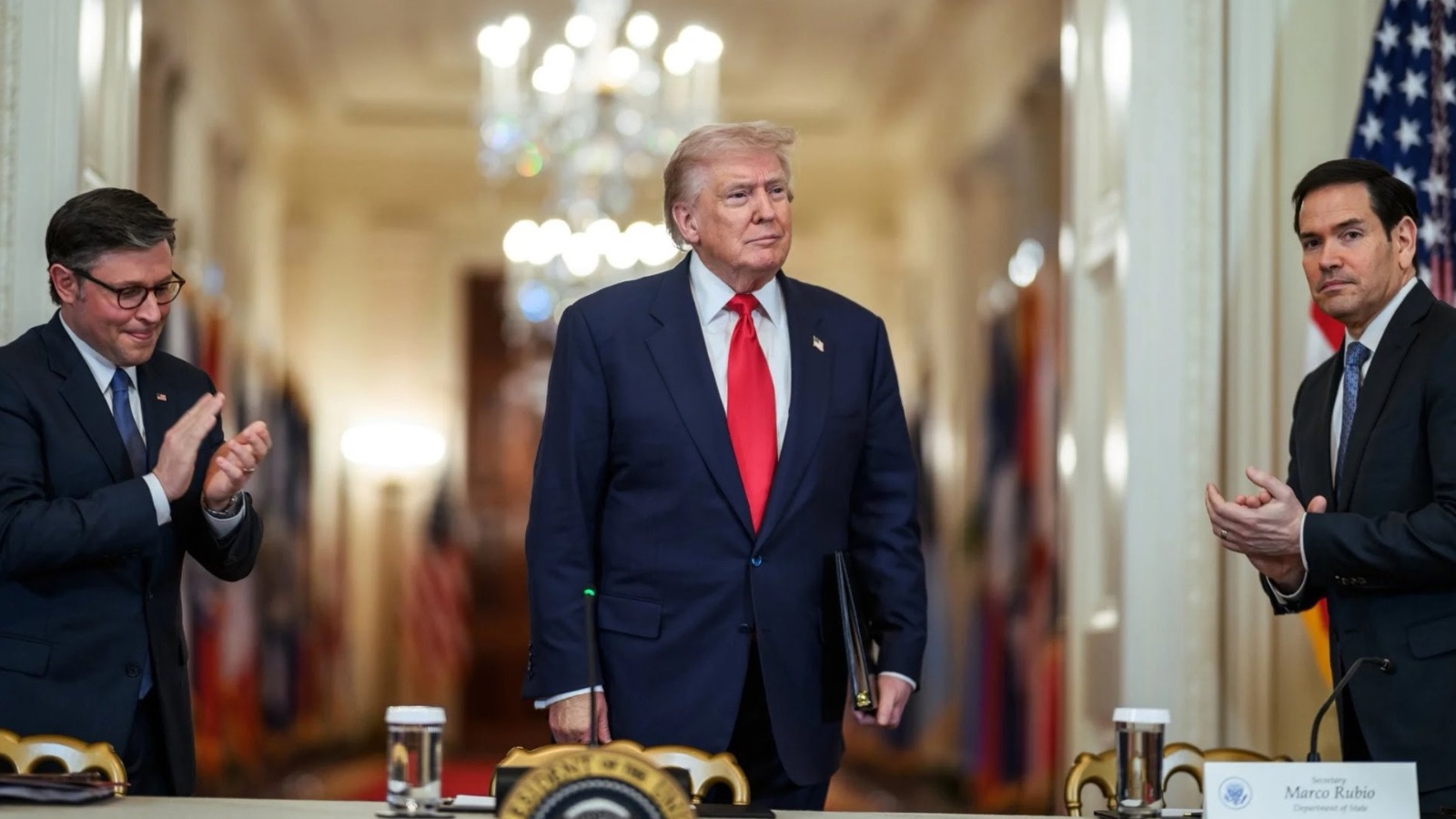
The administration reached this decision following extensive internal and international deliberations. Reuters reported that President Donald Trump discussed the extension with Secretary Bessent. They reportedly agreed that maintaining global price stability was a primary objective during the ongoing crisis. Furthermore, Bloomberg reported that several Asian nations, including India and the Philippines, urged Washington to maintain access to Russian energy supplies.
However, the decision faced immediate criticism from European leaders and Ukrainian officials. The Office of the President of Ukraine highlighted that this waiver could provide Moscow with up to $10 billion in additional revenue. These funds directly support the continued financing of the full-scale invasion of Ukraine. In response to the backlash, Donald Trump claimed that full sanctions would return once the current geopolitical crisis ends. For now, the exception applies only to oil already loaded onto tankers.
Previously, The Ukrainian Review reported that Slovakia backs the EU loan for Ukraine but may block sanctions.