

The White House has officially unveiled the composition of the Gaza “Board of Peace,” to be chaired by US President Donald Trump. This decision marks the transition to the second phase of the US peace plan. The plan was presented in October and supported by the UN Security Council in November. Beyond the Middle East, the US administration is exploring the creation of similar structures to address conflicts in Ukraine and Venezuela as an alternative to traditional UN mechanisms.
Composition and tasks of the Gaza transition authority
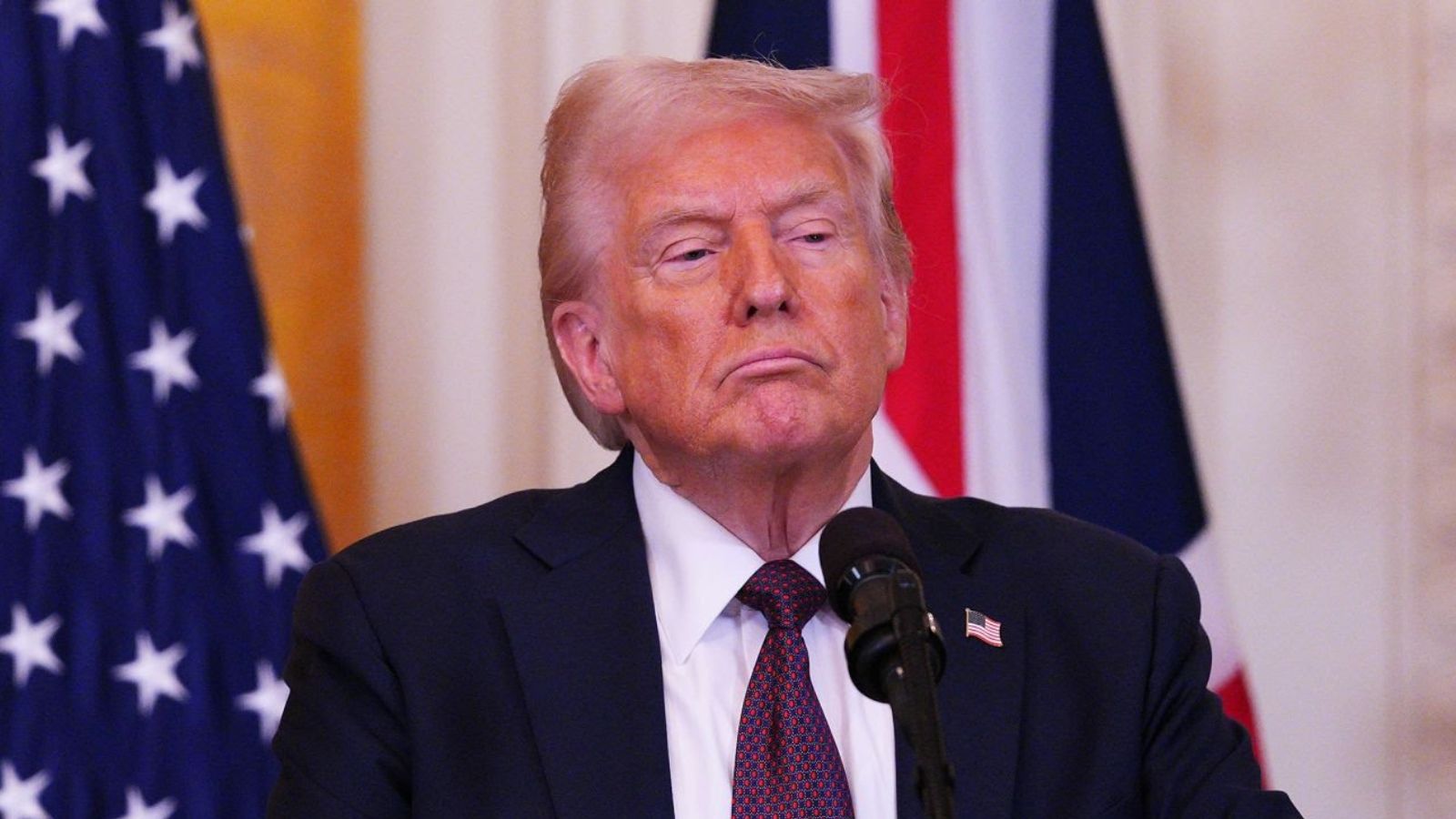
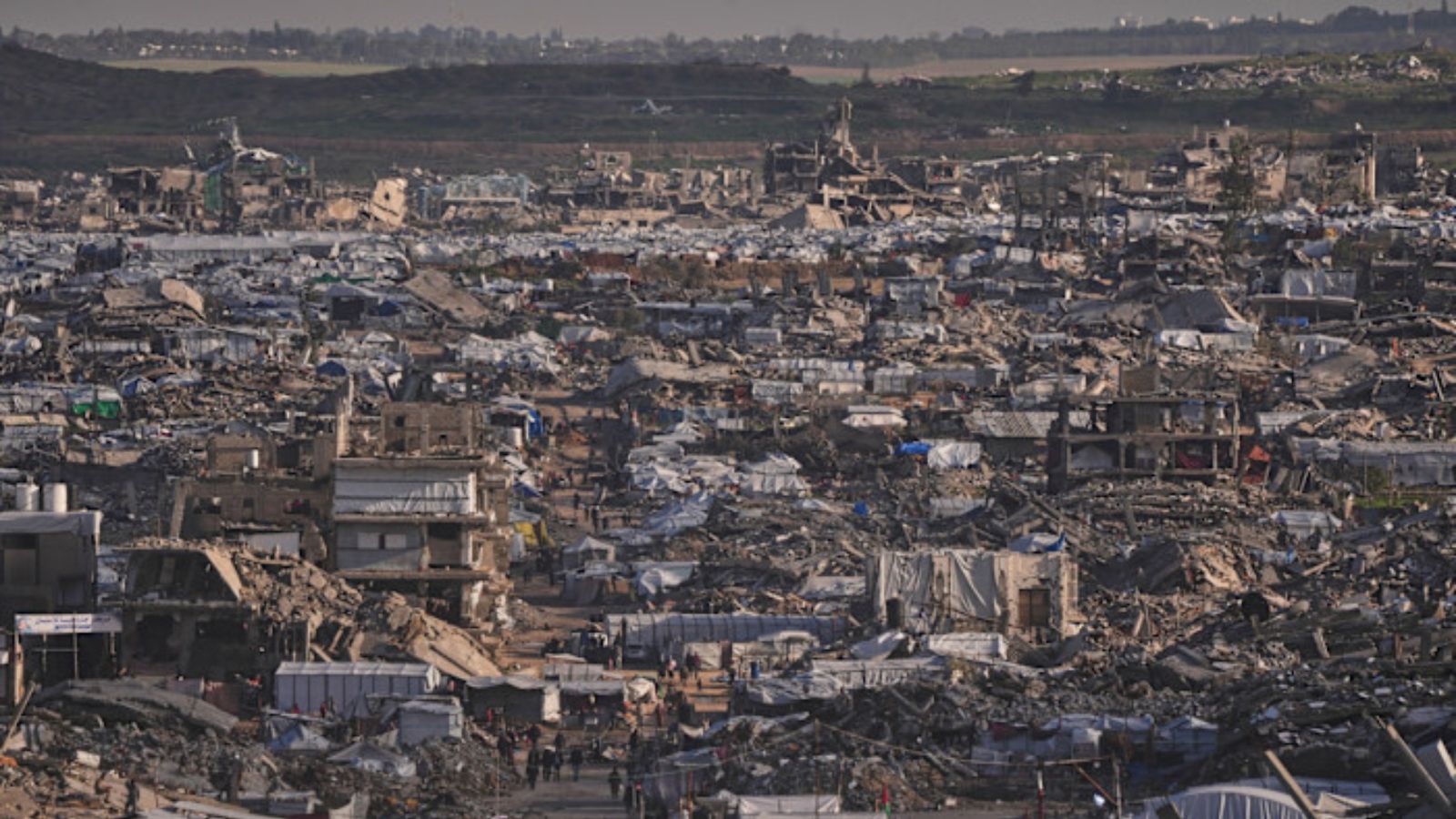
According to Reuters, the White House released the names of select members of the Gaza “Board of Peace” on January 16. This decision is part of the transition to the second phase of the US peace plan. Donald Trump’s administration presented it in October, and the UN Security Council supported it in November. President Donald Trump will head the Board. Its membership includes Secretary of State Marco Rubio, Trump’s special representative Steve Witkoff, former UK Prime Minister Tony Blair, and Trump’s son-in-law Jared Kushner. Other members include billionaire Marc Rowan, World Bank President Ajay Banga, and Trump advisor Robert Gabriel.
Under the plan, the Board will oversee the activities of a transitional Palestinian technocratic government formed from forces not affiliated with Hamas. US Special Operations Commander Jasper Jeffers will lead the International Stabilization Forces in Gaza. Former UN coordinator Nickolay Mladenov will serve as the high representative in the region. Additionally, The White House appointed eleven officials to the Gaza Executive Council. This group includes Turkish Foreign Minister Hakan Fidan and representatives from the UAE and Israel. Washington noted that the names of other Board members will be announced in the coming weeks.
Expanding the mandate to Ukraine and Venezuela
The Financial Times reports that US officials are discussing expanding the Board of Peace’s mandate to other global “hotspots.” Sources state that the Trump administration views this structure as an alternative settlement mechanism that would partially replace the UN. According to one source, the Board is seen as a parallel unofficial body for resolving global crises beyond Gaza.
Regarding the full-scale war in Ukraine, there is a proposal to establish a separate “Board of Peace” also chaired by Donald Trump. This body would include representatives from Ukraine, European nations, NATO, and Russia. A senior Ukrainian official confirmed that this structure is a crucial part of the proposals to end the war. It is intended to monitor and guarantee the implementation of a 20-point peace plan, which Volodymyr Zelenskyy described as “90% ready.” However, diplomats from Arab nations express concern regarding this format. They call the procedure “not a normal” one. They also note that the board’s legal mandate outside the Middle East remains unclear.
Conclusion
The White House initiative demonstrates a radical shift in approaches to global diplomacy. New Boards of Peace under Donald Trump’s leadership suggest a personalized system of international governance. While the idea of replacing UN mechanisms triggers mixed reactions among world leaders, this tool is becoming a central element of Washington’s strategy. The future of these structures depends on the stabilization of Gaza. Success also requires the readiness of Ukraine and Russia for this format.