

The United Kingdom will convene 35 countries to discuss ways to restore navigation through the Strait of Hormuz. The United States will not take part in the talks.
Details
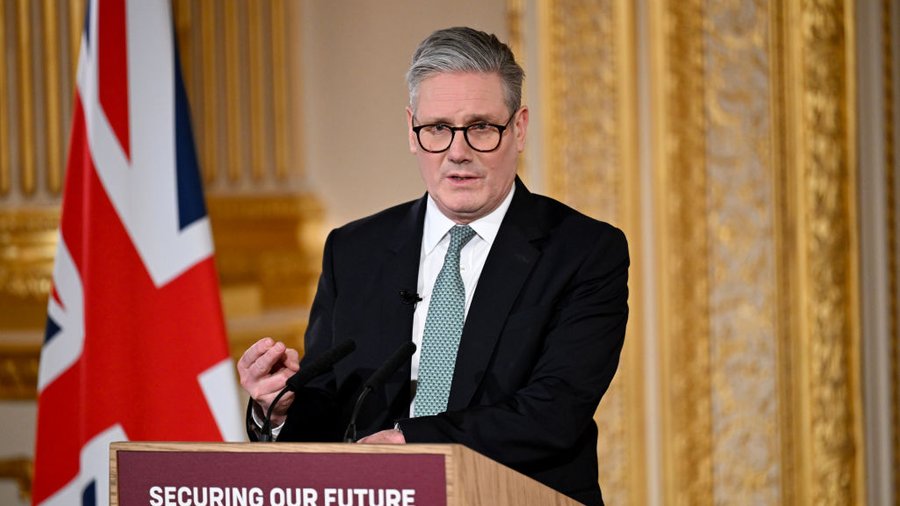
The Guardian reports that the next stage of negotiations between the UK and France on securing the waterway. They will take place on April 2. UK Prime Minister Keir Starmer made the announcement.
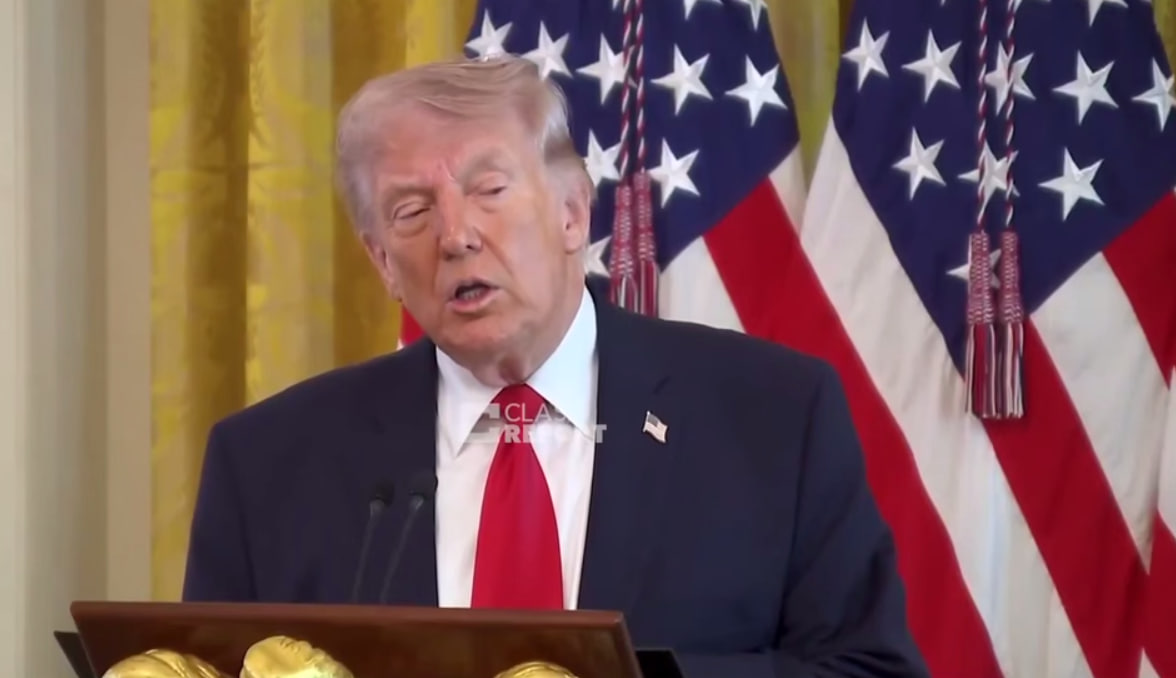
According to US President Donald Trump, if Washington halts its strikes on Iran, allies should take responsibility for ensuring the security of the strait. He also criticized European countries for not supporting his war effort.
At the meeting, representatives of 35 countries will assess measures they can take “to restore freedom of navigation, guarantee the safety of trapped ships and seafarers and to resume the movement of vital commodities.” This will be the first time countries gather to discuss a coordinated plan to restore operations in the Strait of Hormuz.
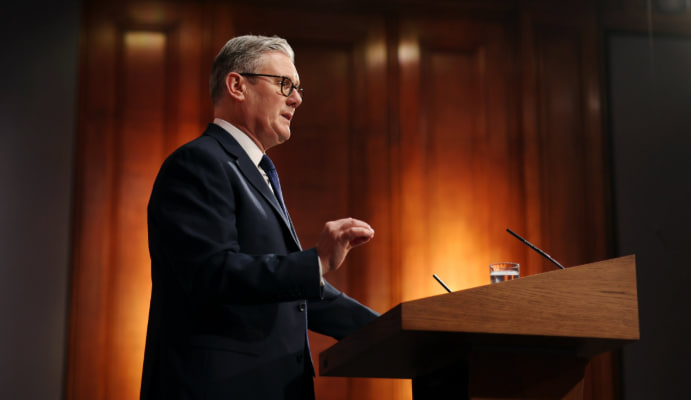
Starmer stressed that the consequences will be felt long after active hostilities end.
“(…) the primary challenge they face is not one of insurance, but one of safety and security of passage,” the UK prime minister said.
He added that efforts must combine military capabilities, diplomacy, and industry, with “clear and calm leadership” at the core. Starmer emphasized that the UK is ready to provide such leadership, noting that freedom of navigation in the Middle East is a British national interest.
Format of the meeting
The talks will include countries that signed a joint statement last month, along with several others that have since joined. Participants include the United Kingdom, France, Germany, Italy, and Netherlands. There are also Australia, Japan, Canada, South Korea, New Zealand, the United Arab Emirates, and Nigeria. The US will not participate.
Around 1,000 vessels have been stranded due to the partial blockade of the strait. Iran blocked the route in response to strikes by the US and Israel. Prior to that, tankers transported about one-fifth of the world’s oil and gas supplies through the Strait of Hormuz, as well as roughly one-third of global fertilizers, which are essential for sustaining about half of global food production.
Since the start of the conflict, only about 130 vessels have been allowed to pass. That is a number that previously moved through the strait in a single day.
The US Department of Defense has deployed military planners to assess options for enabling tankers to transit the waterway. On April 1, Iran’s Islamic Revolutionary Guard Corps stated that the Strait of Hormuz would remain closed to the “enemies of this nation”. They added that Iranian naval forces control it.
Earlier, The Ukrainian Review reported that Trump said US strategic objectives in Iran are “nearing completion.” He warned that if there’s no deal, Washington would carry out simultaneous strikes on all Iranian power plants.