

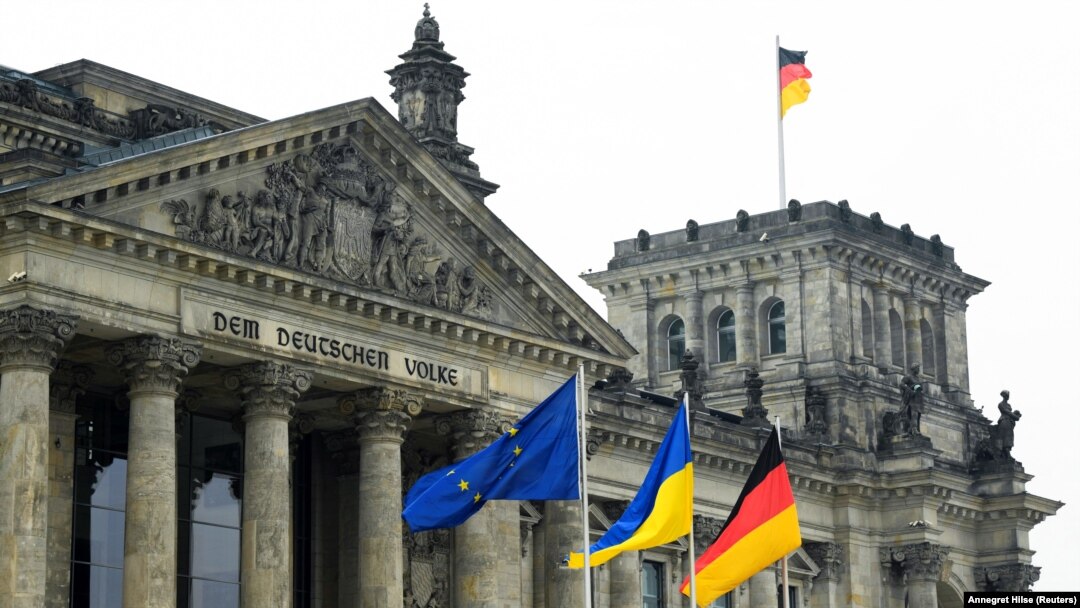
Germany is one of Ukraine’s allies in the war against Russia. According to the German government, in 2022 the country provided Ukraine with €1.6 billion in military aid, in 2023 – €5.6 billion, and in 2024 – €7.1 billion, including through the European Peace Facility. In 2025, the ally will continue to provide financial assistance, but on a smaller scale.
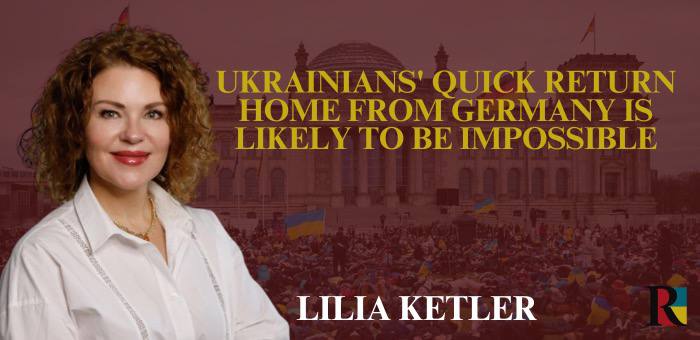
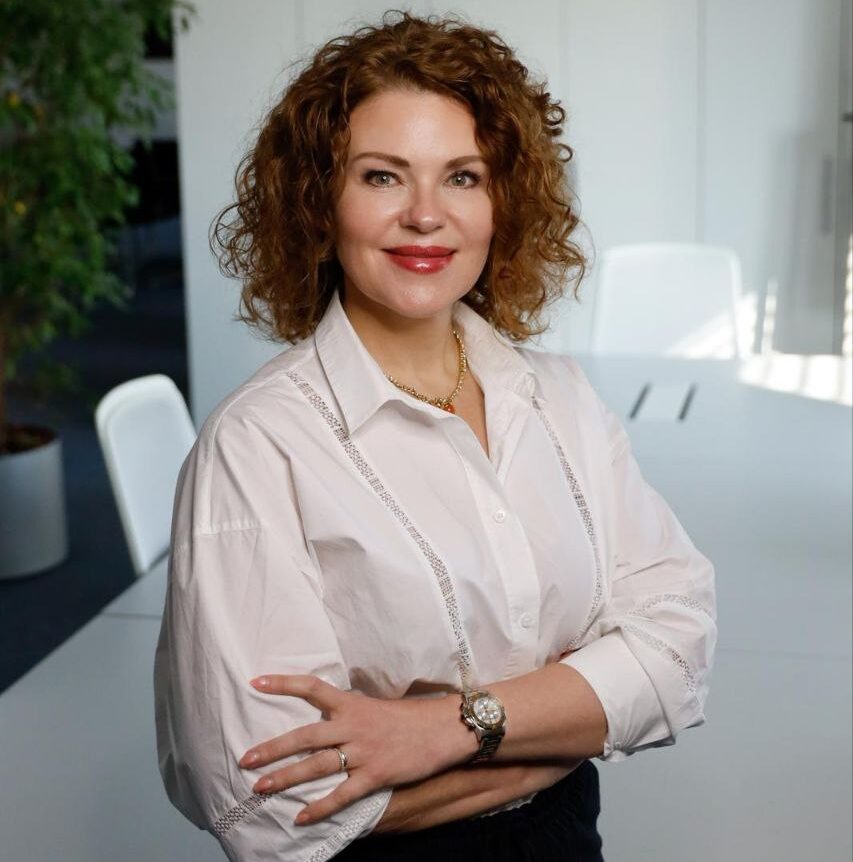
We talked to Lilia Ketler, CEO at the Association for German-Ukrainian Cooperation “Feine Ukraine”. She told us about the realities of Ukrainian refugees.
Tetiana Stelmakh: How do Germans feel about their government’s policy on the war in Ukraine?
Lilia Ketler: I’ll explain a little bit how the government works in Germany: if Germans want and demand changes, they openly declare this to their politicians, and not vice versa. That is, the government supports the will of the people. The German people have been overwhelmingly supportive of Ukraine, refugee assistance, and arms supplies so far.
However, the effect of Russian propaganda in Germany cannot be underestimated. Pro-Russian parties receive funding and promote the narrative of a terrorist country, which cannot but affect the general mood of Germans. Unfortunately, we do not yet have effective tools to counteract this situation. Your magazine can become one of these tools, helping to inform society and form a more objective opinion.
T.S.: In 2025, Germany will have new elections to the Bundestag. Do the two key opponents have different visions of Ukraine? What are the risks?
L.K.: In the context of the Bundestag elections in 2025, there are different views on Ukraine policy between the main political parties. This could affect support for Ukraine and refugee integration strategies. Risks may include changes in foreign policy that could affect assistance to Ukraine, as well as the treatment of Ukrainian refugees. We are now waiting for the new elections in February 2025 and the formation of a new coalition.
T.S.: Germany annually allocates about €9-10 billion for social assistance for Ukrainians, according to an analytical paper by the German Institute for Economic Research Ifo. How have Ukrainian refugees affected the German economy?
L.K.: Germany is indeed investing heavily in social assistance for Ukrainians, but it is important to consider how this affects the economy as a whole. Refugees are not only a cost, but also a valuable resource in the labor market. It is important to dispel the myth that Ukrainians are a burden: many of them are actively learning the language, taking training and courses, confirming their diplomas and working in various sectors. Supporting Ukrainians is a long-term perspective, and it is too early to draw final conclusions in three years.
T.S.: According to the same statistics, the employment rate among Ukrainian refugees in Germany is only 25%, which is much lower than in neighboring Poland or the Czech Republic. Why is this the case? Doesn’t Germany encourage refugees to work?
L.K.: The employment rate of Ukrainian refugees: The low employment rate (25%) is due to various factors. Firstly, it is the language barrier and the lack of opportunities to practice the language in a German-speaking environment; secondly, the difficulty of recognizing qualifications, which can take years; thirdly, limited access to vacancies in small towns and rural areas. Germany has approved integration programs, but their implementation needs to be improved. German society and the labor market have not yet fully adapted to the new realities of the Russian-Ukrainian war.
T.S.: How has the attitude of Germans toward Ukrainian refugees changed since the beginning of the full-scale invasion?
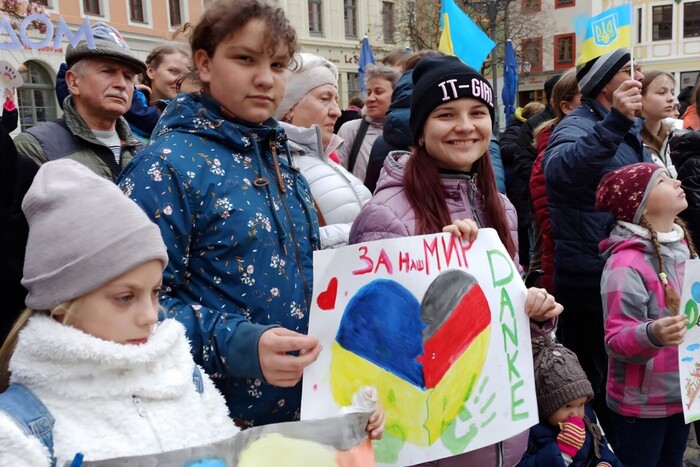
L.K.: Yes, I have noticed such changes. At the beginning of the war, the Germans literally opened their doors to Ukrainian refugees. The assistance from the German society was maximized, both in terms of support for refugees and donations. German society reacted very quickly to the situation, and then the political and state systems began to catch up.
However, we are now seeing a decline in this support. The Ukrainian topic is not so popular on the eve of the election of the new government, so we should prepare for a decrease in the amount and level of assistance. On the other hand, having provided support, ordinary taxpayers expect maximum return from Ukrainians and interest in the labor market integration process. The integration process is underway, but not so fast. Because people are traumatized and the situation in Ukraine is unstable. If the Germans see that Ukrainians are not interested in learning German and looking for work, it causes disappointment.
However, on the positive side, many Germans I know say that the Ukrainians who lived with them at the beginning of the full-scale invasion have become a real family for them.
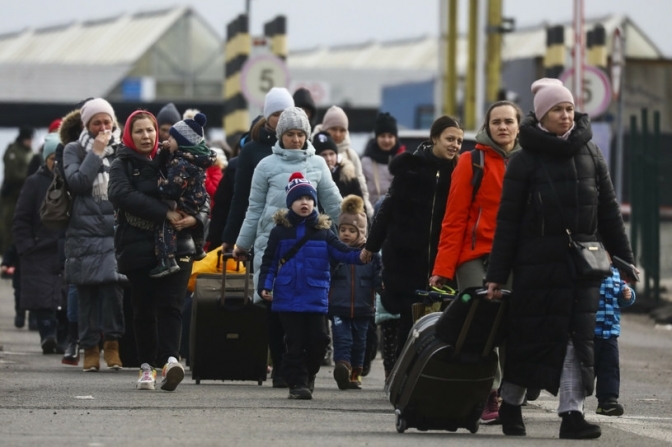
T.S.: In case of peace, how long will Germany continue to provide shelter for our refugees? Should we expect them to return home soon?
L.K.: In the event of a peace, the question of refugees returning home will be complicated. Many of them will want to stay in Germany, especially those who have found new opportunities for work and life here, as well as prospects for their children. Older people and people with disabilities also feel more comfortable in a society that is more socially developed. A quick return is likely to be impossible and may take years; Ukraine’s recovery from the war will also take time.
T.S.: Do you think Ukraine has chosen the right strategy to encourage refugees to return home?
L.K.: It is definitely worth supporting those who want to return to their native land. Many Ukrainians want to build their future in Ukraine, where they have relatives, homes and property, as well as many other reasons to return. Unfortunately, not everyone can integrate into a new environment or learn the language, and this is also an important factor.
For those who want to return, Ukraine must ensure the possibility of return and social assistance. This is one of the main articles of the Constitution – ensuring the rights and freedoms of citizens. I hope that the Ukrainian state will choose a policy that is in line with its legislation and not change it to avoid fulfilling its obligations.
The state should be on the side of its citizens and create conditions for their return, because it is not only a duty but also an opportunity for the development of the country as a whole.
T.S.: German diaspora and refugees: how do you help Ukrainians affected by the war?
L.K.: The Ukrainian diaspora actively supports refugees by providing assistance with translation, job search, housing, counseling, and organizing social events. It is gratifying that over the years of war, these initiatives have become coordinated and are supported by local authorities to maximize their effectiveness. Our organization of German-Ukrainian cooperation, “Feine Ukraine”, operates five social projects aimed at helping children, adolescents, people with disabilities, athletes, and wounded soldiers of the Armed Forces.
In general, we work in two areas: helping the wounded of the Armed Forces of Ukraine with treatment and rehabilitation in Germany and supporting Ukrainian veterans and the families of prisoners, missing and killed.
Our mission is to develop the global Ukrainian community through respectful treatment and assistance to Ukrainian veterans abroad.
Vectors of work:
- Appeal to the German society about the need to help those who defend Europe from a terrorist country;
- Cooperation with the Bundeswehr and its structures;
- Attracting aid in exchange for our military and civilian experience;
- Active volunteer community in different countries;
- Cooperation with governmental and civic organizations in Germany and Ukraine.
T.S.: Which refugee story impressed you the most?
L.K.: I was personally struck by the story of wounded Ukrainian Armed Forces soldier Yevhen Shabuni, who, at the beginning of the full-scale invasion, while still a civilian, saved his village, which was captured by the Russian occupiers. When I tell the Germans that he learned how to clear mines from a YouTube video and thus saved his fellow villagers, and after the Ukrainian army arrived, he handed over a bag of ammunition and volunteered, they just shake their heads and marvel at the courage of Ukrainians.
Tetiana Stelmakh