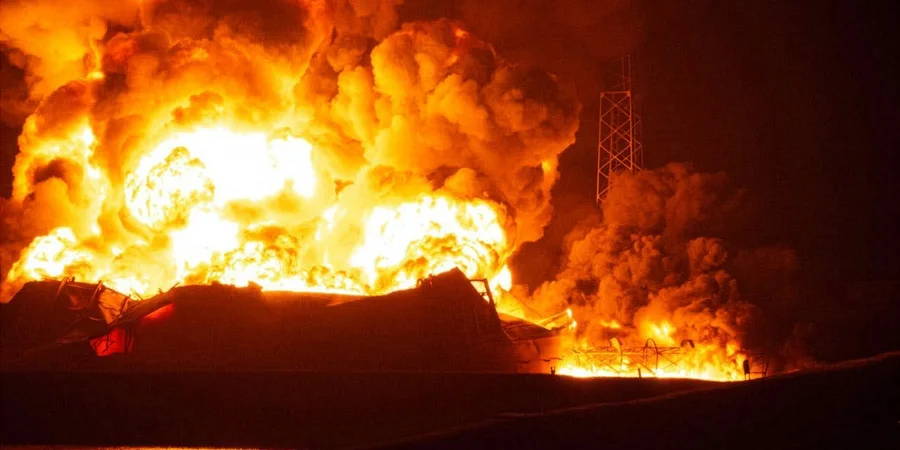


On the evening of December 1 and the morning of December 2, Russian drones launched another series of strikes on civilian gas infrastructure in Ukraine. No workers were injured, but damages have been reported, according to Naftogaz.
Strike on Gas Production and Storage Facilities
Naftogaz reports that the attacks targeted facilities responsible for gas production and storage.
Fortunately, no employees were harmed. However, there are damages, the company stated.
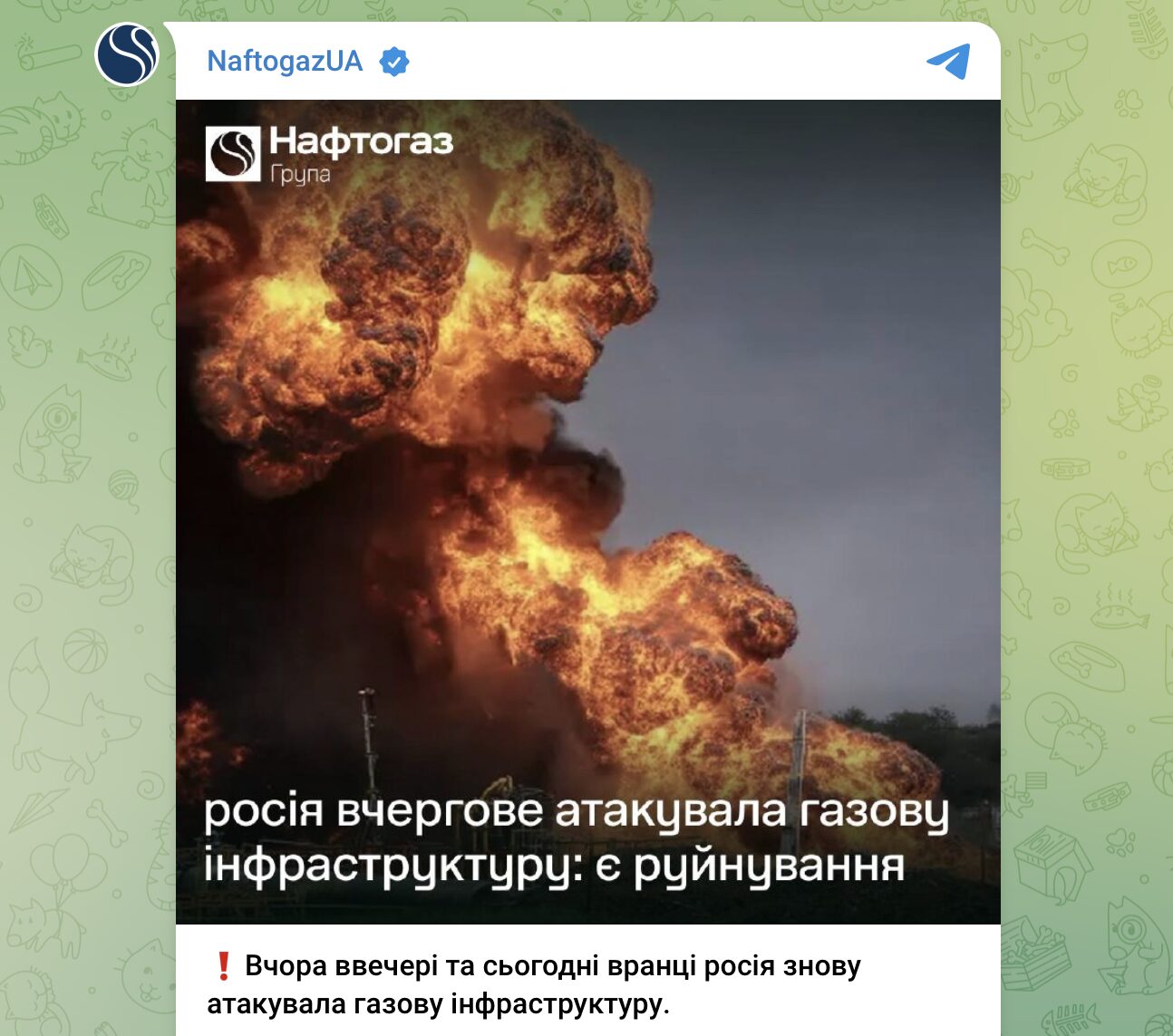
Serhii Koretsky, Chairman of the Board of Naftogaz of Ukraine, noted that operational teams and specialists are already assessing the extent of the damage.
Operational teams and company specialists are working to eliminate the consequences of the attack. As soon as the State Emergency Service (SES) gives permission, Naftogaz teams will begin restoration immediately, he added.
Systematic Attacks on Ukraine’s Energy Sector
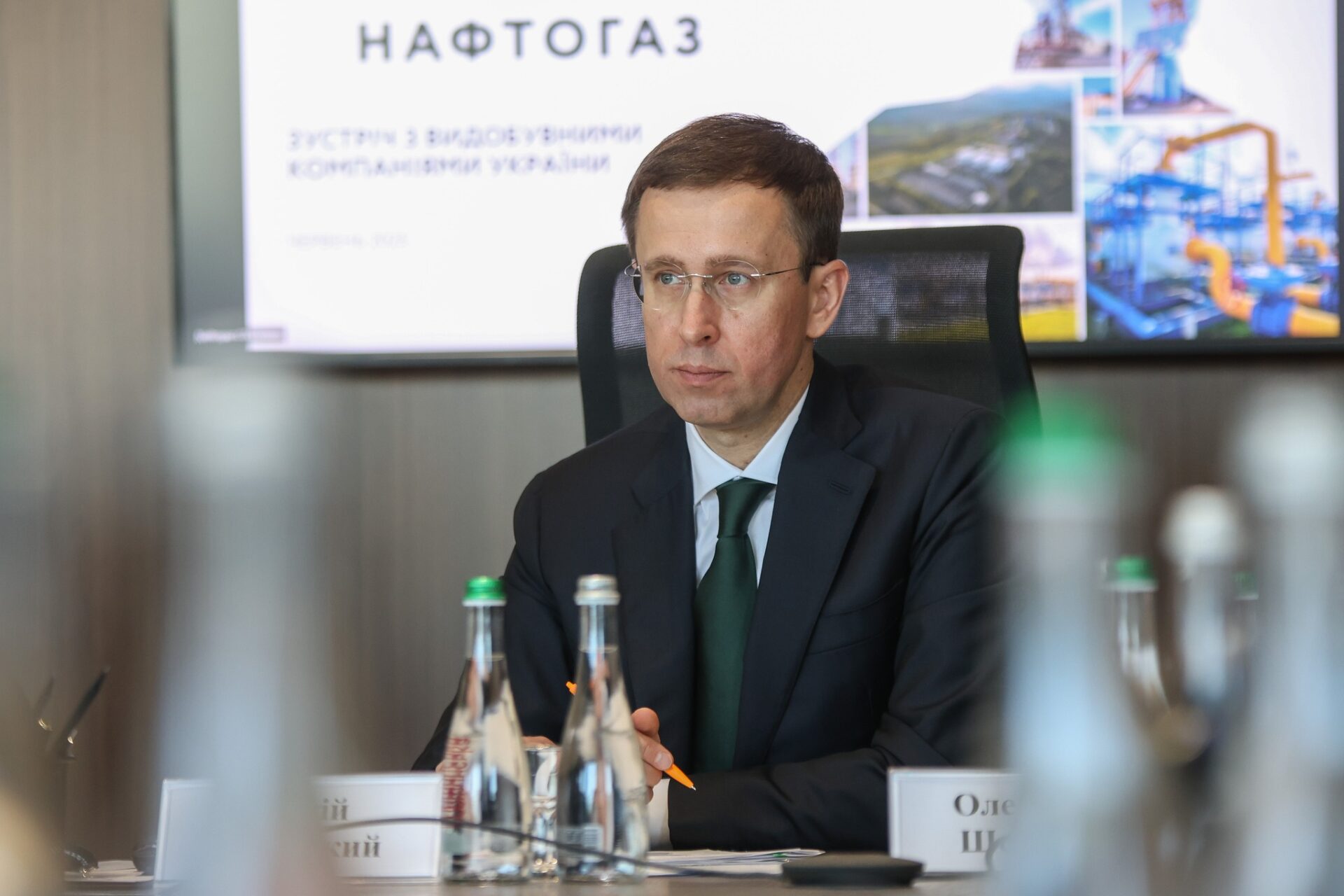
This is not the first attack on gas infrastructure. Since early October, Russian forces have systematically targeted Naftogaz facilities across various regions of Ukraine. For instance, in early October, facilities in the Kharkiv and Poltava regions were hit, and on November 8, the ninth massive attack struck facilities that provide heat to the country.
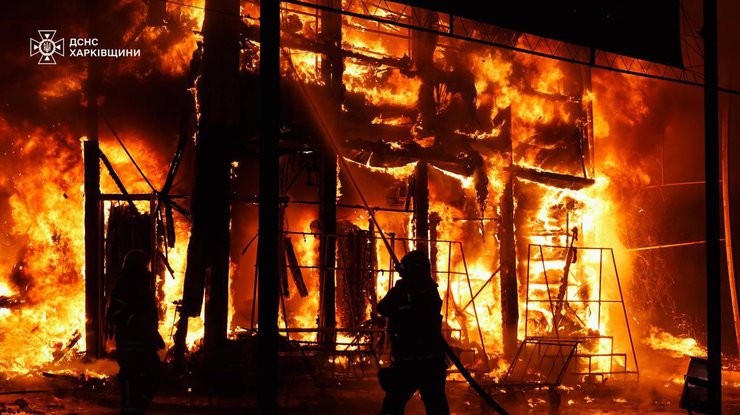
Due to losses in gas volumes, Ukraine has had to partially compensate through imported supplies, Bloomberg reports.
Why Russia Targets Gas Facilities
Experts explain that Russia is deliberately striking gas infrastructure to destabilize energy supplies, complicate the heating season, and increase Ukraine’s dependence on imported gas. Such attacks carry risks of halting production and damaging equipment, which could slow down the restoration of gas volumes and affect prices for consumers. In addition, these strikes aim to create psychological pressure on the population.
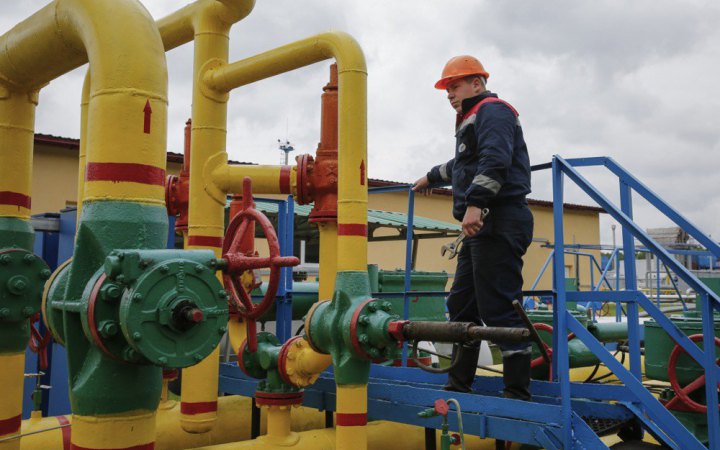
Photo: EPA/UPG
Consequences and Restoration Efforts
Despite the damage, key services continue to ensure uninterrupted operation of facilities. Rescue teams and gas specialists are ready to carry out restoration work promptly. The Ministry of Energy emphasizes that the primary goal is the safety of people and the stable supply of gas across the country.

Conclusions
Attacks on gas infrastructure remain systematic and targeted at critical facilities. Ukrainian services respond quickly to the consequences, and restoration is prioritized as soon as permission from emergency services is granted. However, repeated attacks pose additional risks to the country’s energy security, may complicate the heating season, and impact consumer prices. Furthermore, these strikes create psychological pressure on citizens and require constant monitoring of critical infrastructure.