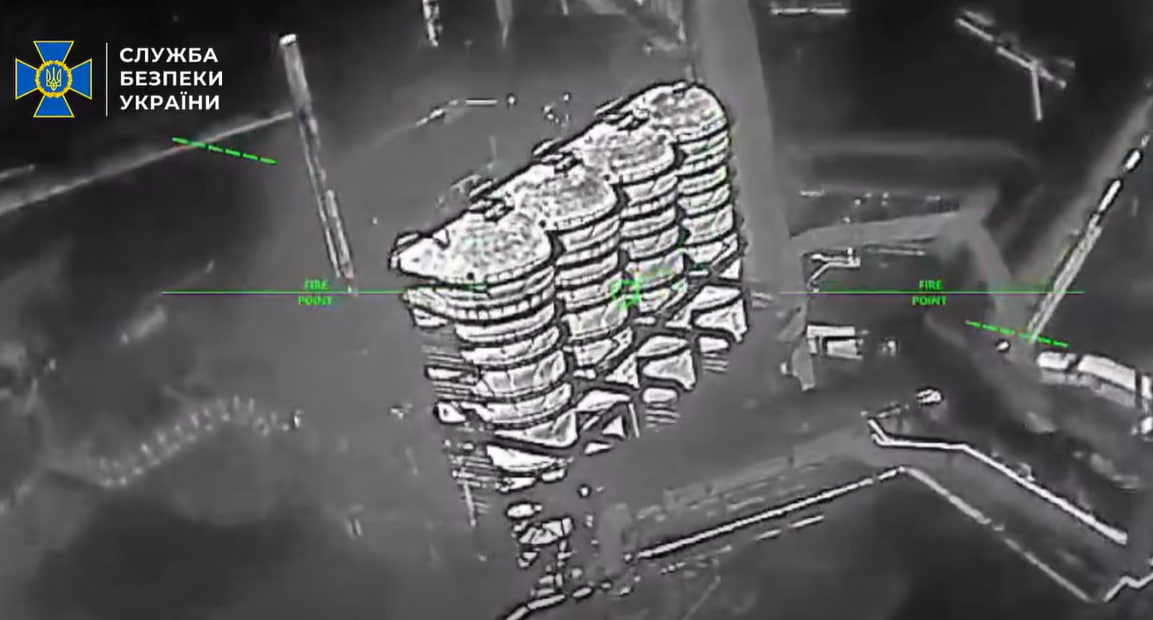


On April 4, Ukraine struck the Alchevsk Metallurgical Plant, which Russia uses to support its military production. Ukrainian forces also hit Russian drones and fuel trains. The attacks may reduce Russia’s oil output.
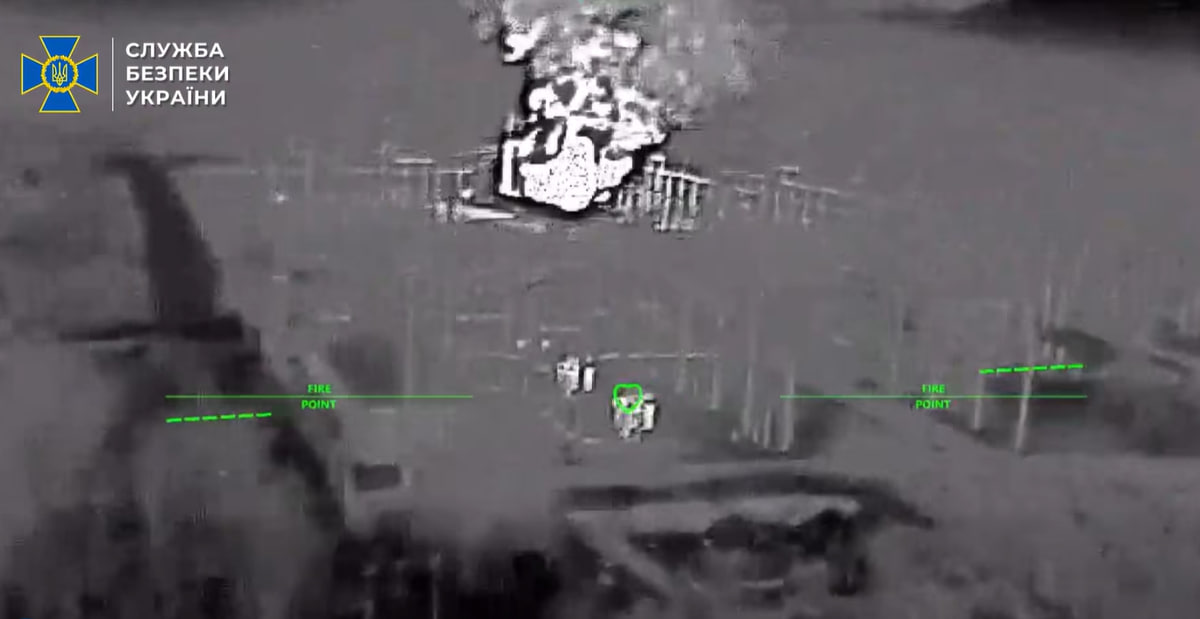
Alchevsk Metallurgical Plant
The Security Service of Ukraine halted operations at the Alchevsk Metallurgical Plant with a drone strike on April 4. The facility is located in Russian-occupied parts of Donetsk Oblast and Luhansk Oblast. Forces used FP-2 drones produced by Fire Point. This marks the second strike on the plant within a month.
The Alchevsk plant is a key industrial site. Russia relies on it to supply materials for military production. It sends output to Uralvagonzavod. The company builds military equipment, including T-90M “Proryv” tanks and Msta-S howitzers.
The strike damaged blast furnaces, production workshops, distillation columns, gas pipelines, and electrical substations. These systems keep the plant running. After the attack, the facility stopped operations.
Fuel Trains and Drones
The General Staff of the Armed Forces of Ukraine reported a series of successful strikes overnight on April 4. Ukrainian forces hit fuel trains in Russian-occupied Luhansk Oblast. They also targeted a drone storage site in occupied Crimea. The strike damaged three “Inokhodets” UAVs and destroyed one.
These drones are expensive. One system costs several million U.S. dollars. Russia uses the “Inokhodets” (export name “Orion”) for intelligence processes, patrol missions, and countering naval drones. It can operate at a range of up to 250 km, stay airborne for up to 24 hours, fly at altitudes up to 7.5 km, and carry up to 200 kg of payload.
Impact on Russia’s Oil Sector
Russian oil export hubs in Ust-Luga and Primorsk cannot process cargo after Ukrainian strikes, Reuters reported on April 3. The disruption has forced Russian refineries to look for alternative export routes. Ukrainian drone attacks continued throughout the last two weeks of March and damaged port infrastructure. At least five strikes hit Ust-Luga within ten days.
Sources say limited exports and disruptions at major refineries could reduce Russia’s oil production. Finnish maritime officials report a sharp drop in shipments from Primorsk and Ust-Luga. Traffic fell from about 40–50 vessels per week to only occasional shipments.
Earlier, The Ukrainian Review reported additional Ukrainian strikes on April 4. Targets included chemical plants in Tolyatti, logistics hubs, and military sites in occupied territories and border regions of Russia.