

Ukraine is preparing for a new phase of the war, but talks with the United States and Russia have stalled. Instability in the Verkhovna Rada and the Cabinet of Ministers threatens to disrupt continued international financial and military support.
Ukrainska Pravda reported the situation.
Details
In recent talks with the U.S., Ukrainian negotiators faced limited flexibility from their partners. The main focus remains the status of the non-occupied Donbas, which underpins the entire negotiation framework. Other issues, such as energy and humanitarian aid, are largely used to demonstrate progress.
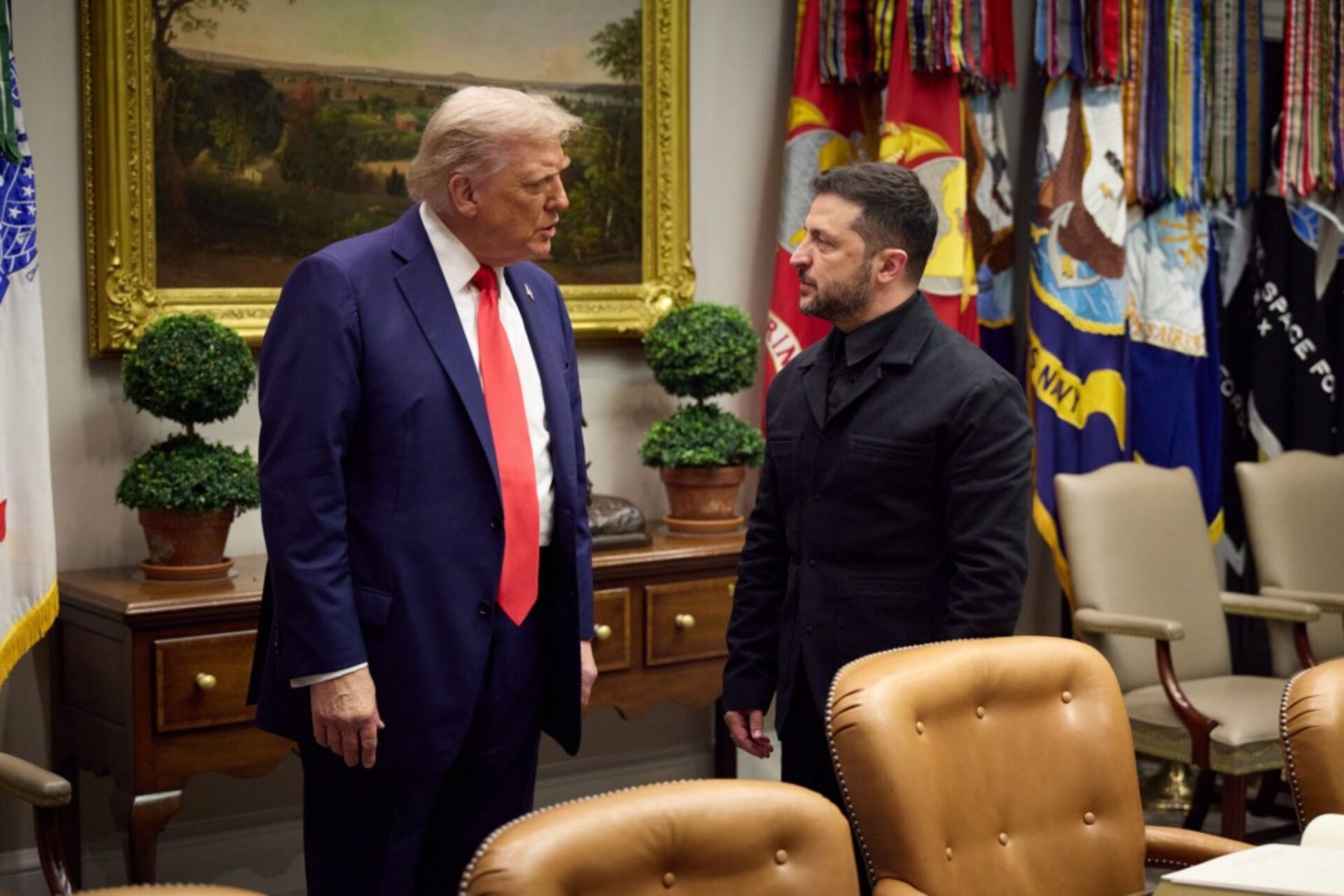
The U.S. increasingly treats Ukraine as a transactional partner, offering guarantees and financial support only in exchange for concessions. Ukrainian military officials and politicians consider these demands unacceptable.
Despite diplomatic pressure, Ukraine is gradually regaining initiative on the battlefield. New drone-assault units, digital battlefield control, expanded short-range air defenses, and counteroffensives allow Ukraine to reclaim more territory than it loses. Meanwhile, the start of a U.S. operation against Iran has made drone technology a global strategic priority, creating additional opportunities for Ukraine.
However, domestic political instability complicates negotiations. The Verkhovna Rada faces its sharpest crisis since 2019: the core of the president’s faction has shrunk from 170–180 to 120–130 votes, and coordination with the government is weak.
Parliamentarians and officials often operate in parallel “sandboxes,” preventing rapid adoption of critical decisions. Internal initiatives targeting anti-corruption agencies like NABU and SAP, along with media campaigns against them, further hinder legislative work and delay commitments to the IMF and EU integration reforms.
Under these circumstances, Ukrainian authorities must pursue long-term strategies: stabilize parliamentary operations for 1–3 years, improve coordination with the government and the Office of the President, and maintain the partnership with the U.S., which is crucial for financing the war and national reconstruction.
Context
At the end of November 2025, the administration of U.S. President Donald Trump sharply resumed peace talks, presenting a 28-point “peace plan” and demanding that Ukraine accept it by the end of the month.
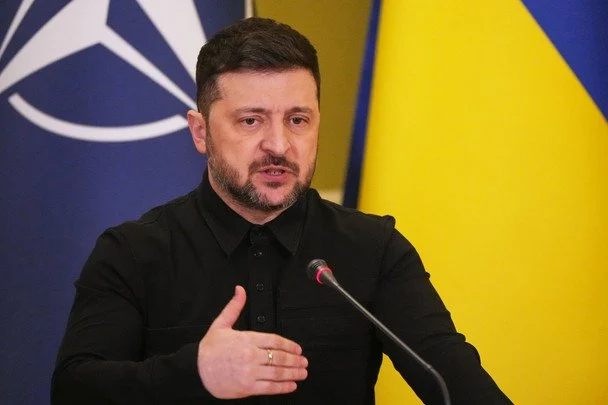
Following negotiations in February 2026, President Volodymyr Zelenskyy said Ukraine made progress on the military track, while political progress remains limited.
Earlier, The Ukrainian Review reported that President Trump could change U.S. policy toward Ukraine, potentially reducing support if he seeks to penalize Europe amid possible setbacks in the Middle East.