

Ukrainian forces carried out a series of strikes on Russian military infrastructure during the night of March 14.
Military vessels
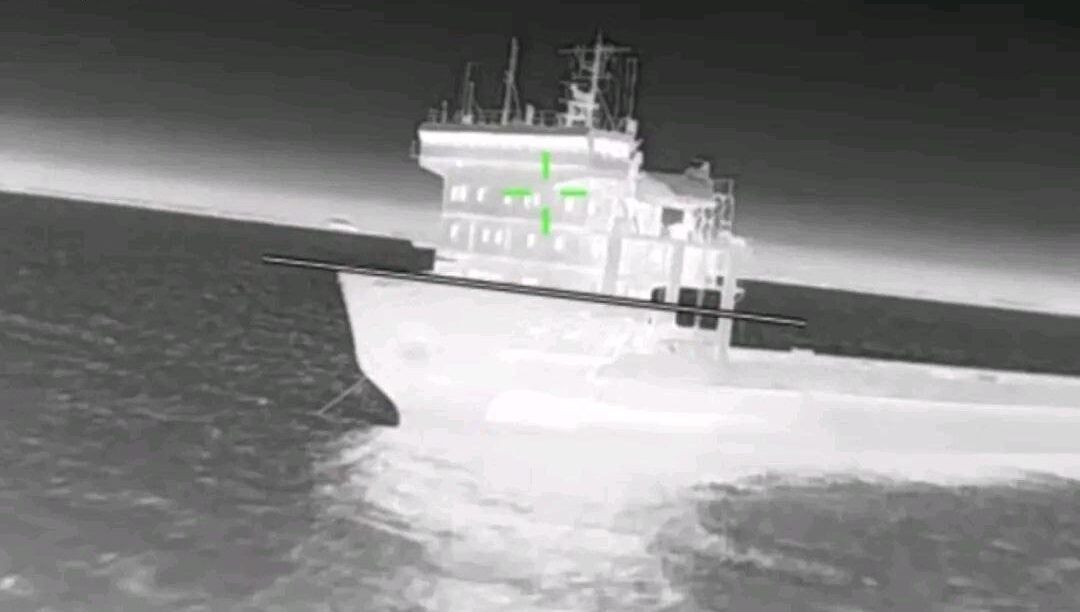
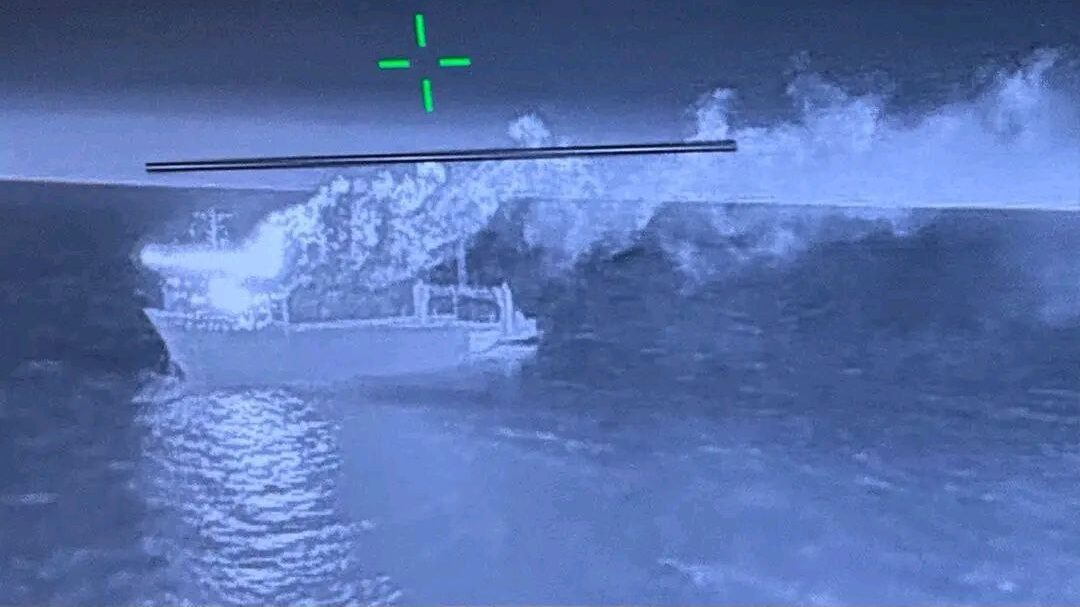
During the night of March 13–14, 2026, operatives of the Active Operations Department of the Main Intelligence Directorate of the Ministry of Defense of Ukraine attacked two Russian military vessels. The operation disabled the Russian rail ferry Slavyanin. The Ukrainian strike also damaged the vessel Avangard.
Russia used these vessels in its war against Ukraine. They served as key elements of the so-called Kerch ferry crossing. Russia relied on them to maintain maritime military logistics. The vessels transported weapons, military equipment, and ammunition.
Russian port
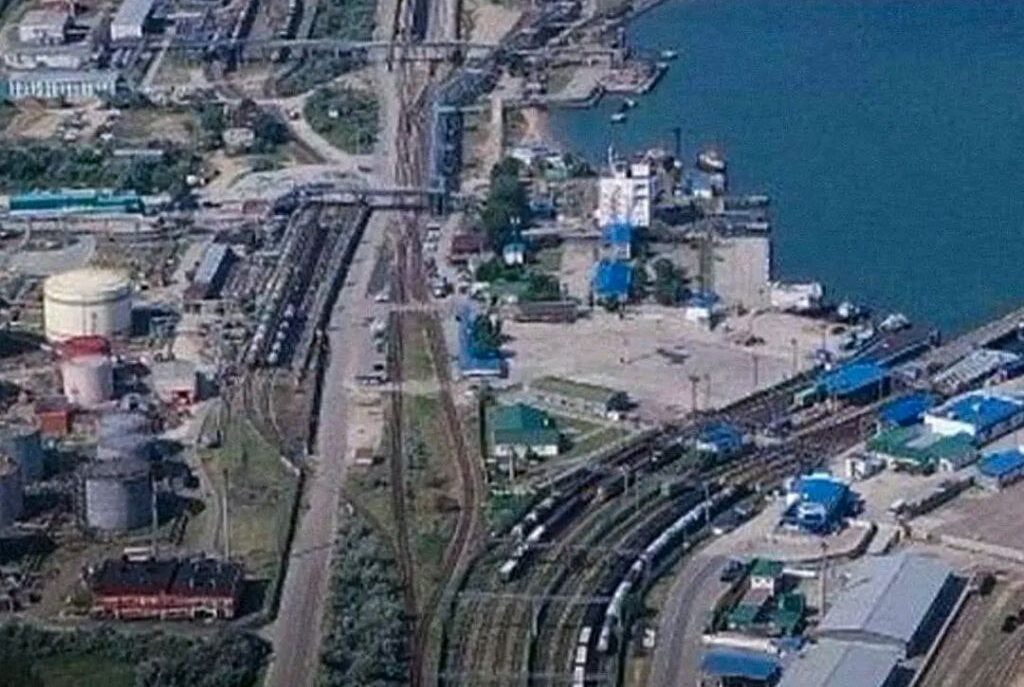
Ukrainian forces also attacked the Port Kavkaz in Russia’s Krasnodar region. Deep-strike units of the Special Operations Forces of Ukraine struck the port in the settlement of Chushka on the Russian side of the Kerch Strait.
Russia uses this port to maintain logistics with occupied Crimea. The facility lies almost 300 kilometers from the front line. Through Port Kavkaz, Russia carries out export and import operations and transfers cargo between large vessels. The port complex includes berths, a ferry terminal, and terminals used to handle grain, oil products, and chemical cargo.
Strike on Iskanders
Deep Strike units attacked Russian Iskander launchers during the night of March 14. Russian forces had prepared these systems to launch missiles at Ukrainian cities. Ukrainian forces used long-range drones in the attack. The launchers were based in temporarily occupied Crimea.
Ukrainian forces destroyed one Iskander launcher near the village of Vyshneve in occupied Crimea. Russian troops had already moved the vehicle to a launch area and hid it in a tree line. The launcher carried missiles and had a crew on site.
Special Operations Forces also struck a storage site for Iskander launchers in the settlement of Kurortne in occupied Crimea. Local resistance members provided intelligence that helped identify the target.
Command posts and radar stations
Ukraine also attacked command and observation posts of Russian units. Among them was a command center of a drone unit near Vuhlehirs’k in Donetsk region. Ukrainian forces also struck two command posts in the areas of Hrafske and Kermenchyk in the occupied part of Donetsk region.
Ukrainian forces hit a Nebo-U radar station near Hvardiiske in occupied Crimea. They also struck a radar station belonging to the S-300 near occupied territory in Donetsk region.
“Systematic strikes on missile weapons, radar stations, and command posts significantly reduce the enemy’s ability to conduct combat operations and control its forces,” Ukrainian military officials said.
Troops, artillery, and logistics
On the night of March 13, Ukrainian forces also struck an area where Russian troops had concentrated in the temporarily occupied parts of Zaporizhzhia and Donetsk regions.
Ukrainian forces attacked an artillery gun at a firing position in occupied Donetsk region. They also struck a repair unit and a logistics warehouse in occupied Zaporizhzhia region. In addition, Ukraine destroyed five pieces of Russian military equipment in Donetsk region on March 11.
Earlier, The Ukrainian Review reported on other Ukrainian strikes against Russia during the night of March 14. Ukrainian forces hit the Maykop Air Base, logistics infrastructure at Port Kavkaz, and several defense industry facilities. Ukrainian drones also disabled the strategic plant Kremniy El in Bryansk, which forced a halt in the production of missile components.