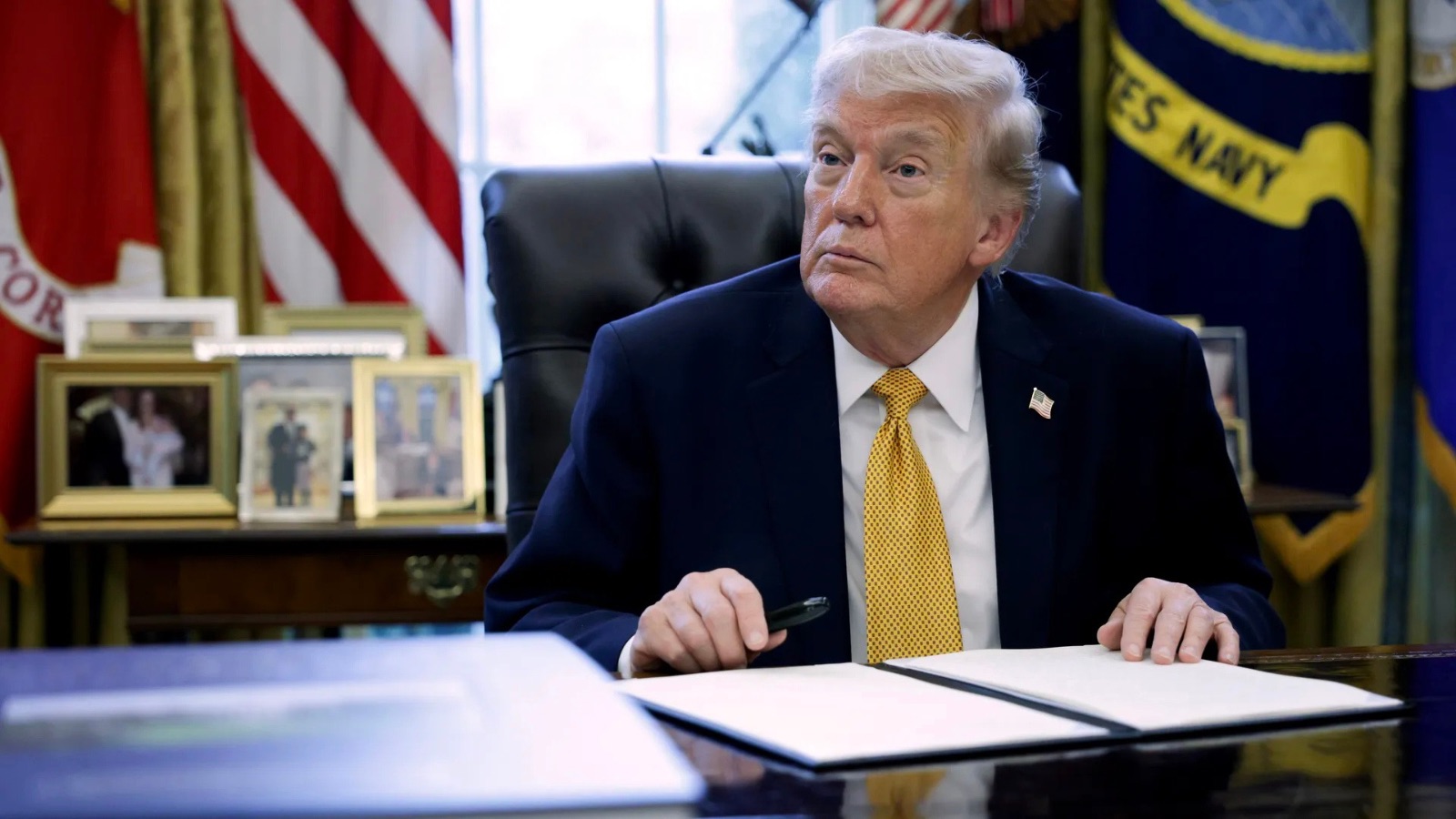


The administration of US President Donald Trump has started preliminary discussions regarding the next stage and possible format of peace talks with Iran. These discussions follow three weeks of war in the Middle East.
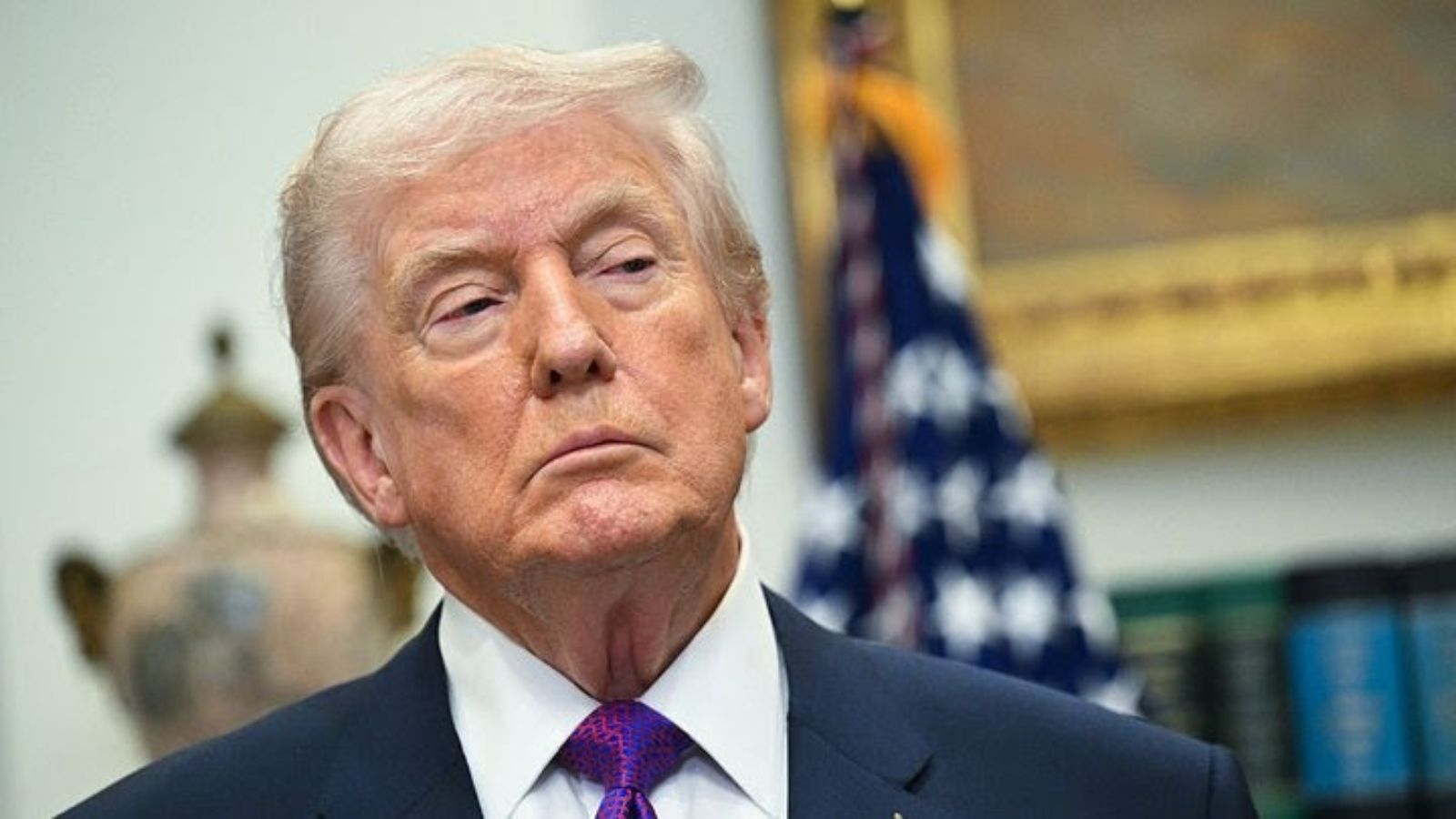
Axios reported this, citing its sources. Trump stated he is considering “ending” the war, but officials said hostilities could last another two to three weeks. Simultaneously, presidential advisors want to prepare the ground for diplomatic negotiations.
According to sources, Trump’s envoys Jared Kushner and Steve Witkoff are participating in these discussions.
“Any deal to end the war must include the reopening of the Strait of Hormuz, addressing Iran’s stockpile of highly enriched uranium, and concluding a long-term agreement on Iran’s nuclear program, ballistic missiles, and support for allies in the region,” Axios adds.
Requirements for the deal and Iran’s position
Two other informed sources emphasized that there have been no direct contacts between the US and Iran recently. However, Egypt, Qatar, and the United Kingdom have passed messages between the two sides. Egypt and Qatar informed the US and Israel that Iran is interested in negotiations, but on very tough terms.
Specifically, Iran’s demands include a ceasefire, guarantees that the war will not repeat, and compensation. “In our view, we have stalled Iran’s growth,” remarked one US official who believes Iranians will come to the table. According to him, the US wants Iran to take six commitments:
- Abandoning the missile program for five years.
- Complete cessation of uranium enrichment.
- Decommissioning reactors at nuclear sites in Natanz, Isfahan, and Fordow.
- Strict external monitoring protocols for centrifuge use.
- Arms control treaties with regional countries.
- Refusal to fund proxy organizations like Hezbollah, the Houthis, or Hamas.
Trump considers Iran’s demand for reparations “unrealistic,” the US official added. Furthermore, sources reported that Trump’s advisors want to be ready if negotiations with Iran happen soon.
Previously, The Ukrainian Review reported that Donald Trump issued an ultimatum to Iran regarding the reopening of the Strait of Hormuz.