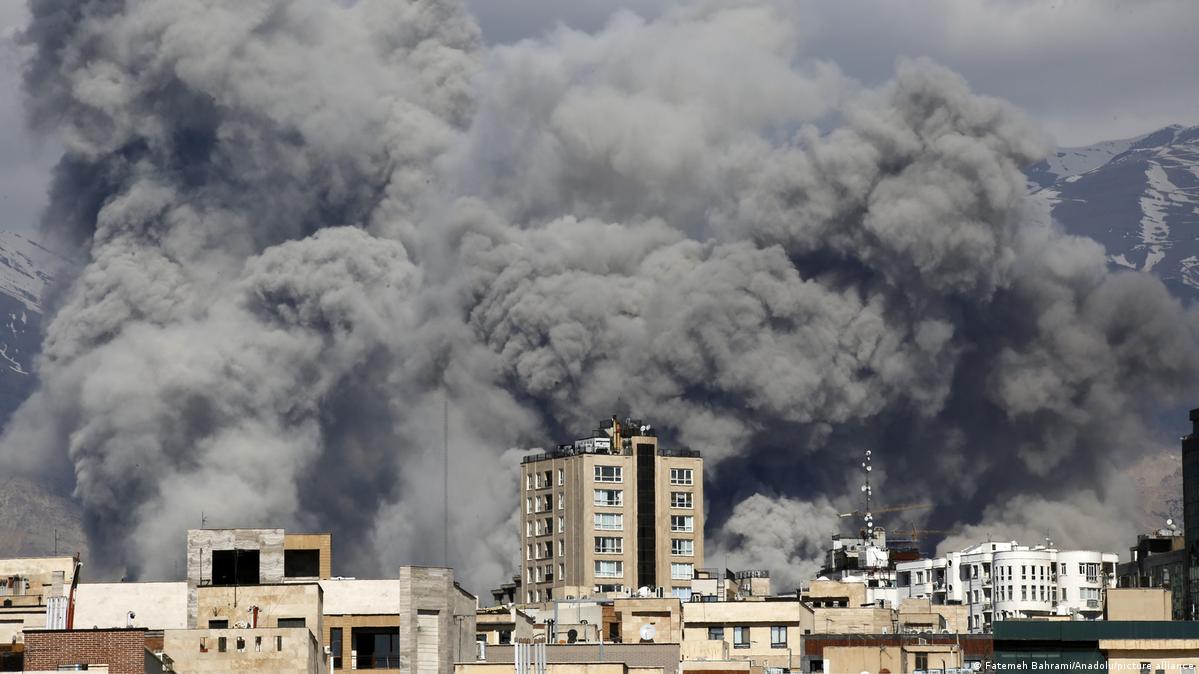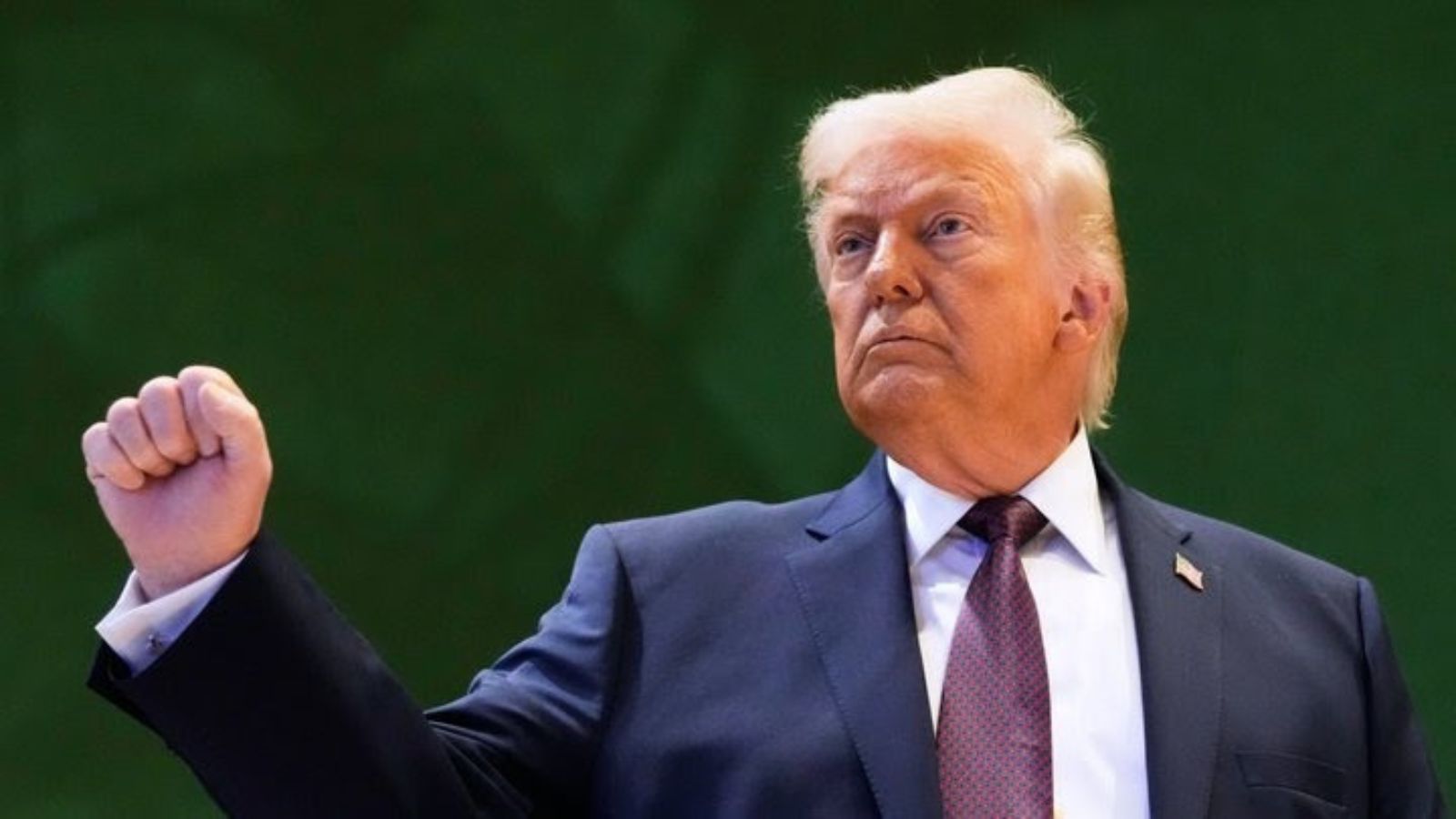


U.S. President Donald Trump ordered the military to postpone any strikes against Iranian power plants and energy infrastructure for five days. This decision follows what he described as successful negotiations regarding a Middle East peace settlement. However, officials in Tehran quickly denied that any direct discussions with Washington took place.
Donald Trump reported the news on his Truth Social account. The American leader stated that discussions over the last two days were deep and constructive. He expressed hope for a comprehensive settlement between the United States and Iran.
“I have instructed the Department of Defense to postpone all military strikes on Iranian power plants and energy infrastructure for five days, subject to the success of ongoing meetings and discussions,” Trump wrote.
Following the White House statement, global oil prices fell by over 13% on Monday, according to Reuters. Brent crude futures dropped approximately $17 to reach $96 a barrel. Simultaneously, U.S. West Texas Intermediate fell by about $13.5% to a session low of $85.28 per barrel. Investors view the delay as a sign of potential de-escalation in the volatile region.
Iranian reaction and context
Iranian authorities denied Trump’s claims regarding the negotiations. Media outlets linked to the IRGC suggested that the U.S. President is backing down due to fear of retaliation. Ebrahim Rezaei, spokesperson for Iran’s National Security Commission, called the situation a “defeat for the United States.” Tehran maintains that firm warnings forced Washington to reconsider its aggressive stance against Iranian infrastructure.
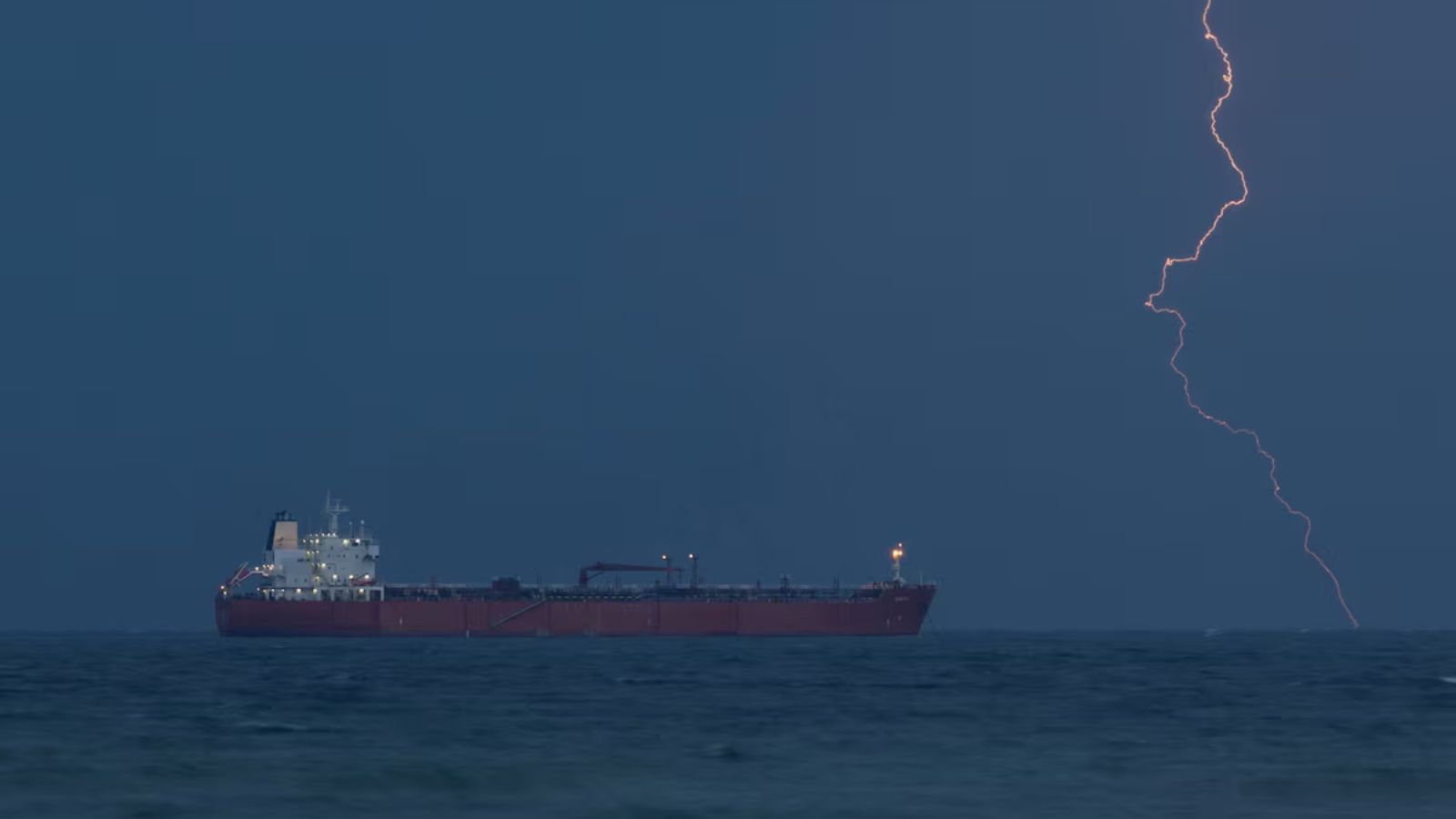
The confrontation peaked on the night of March 22, 2026. Trump had previously demanded that Iran “fully open” the Strait of Hormuz within 48 hours. He threatened to destroy Iran’s largest power plants if they failed to comply. Iranian officials responded by highlighting the potential for global energy price spikes during a full-scale conflict.
Previously, The Ukrainian Review reported that Gulf states urged the U.S. to maintain military pressure on Tehran. These countries argued that weakening Iran’s military capabilities remains essential for regional security.