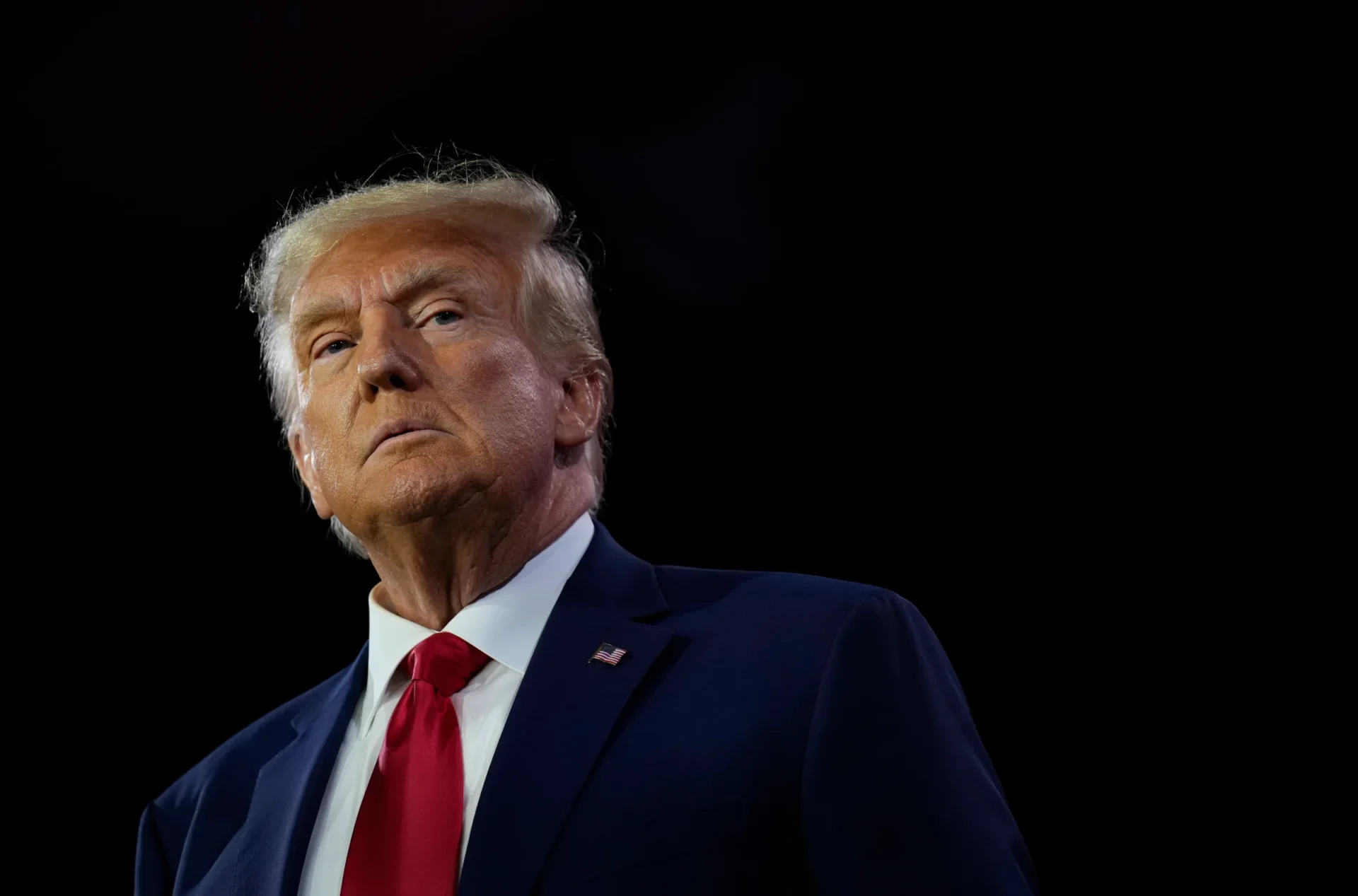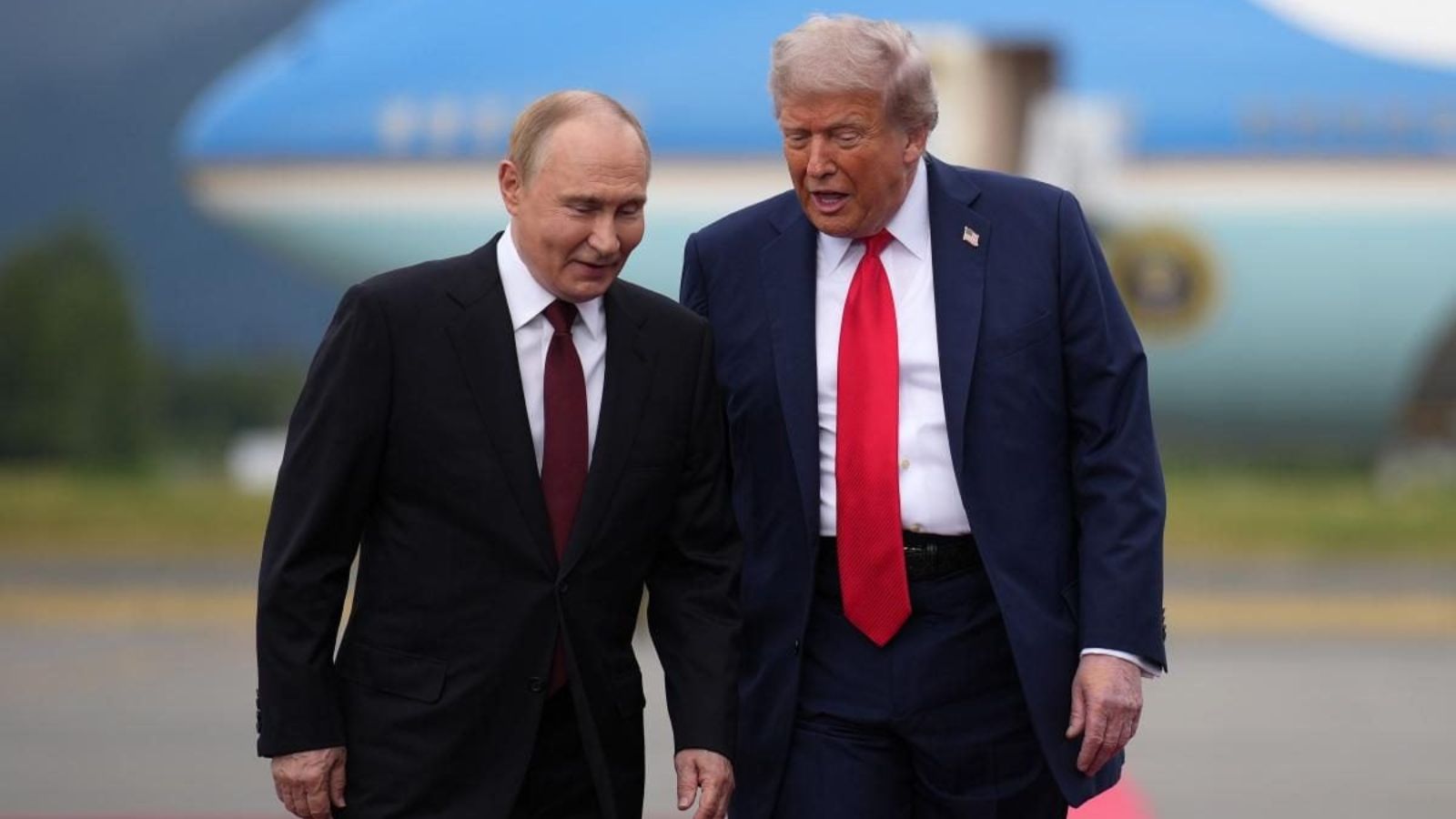


Donald Trump has not introduced any impactful sanctions against Russia for its full-scale invasion of Ukraine during his first year back in office. The US President attempted to weaken the Russian ruble twice, but these efforts yielded negligible results. Currently, Russia’s declining oil revenues stem from European actions rather than American policy, as experts point out a significant shift in transatlantic cooperation.
BBC reports that the Trump administration has effectively paused economic pressure on the Kremlin. Before Trump’s return to the White House, the US administration consistently increased pressure on Moscow alongside G7 members. However, Trump reportedly fears that new restrictions might provoke Vladimir Putin to abandon peace negotiations. Consequently, this approach has shifted the strategic burden of supporting Ukraine onto Europe.
The European response
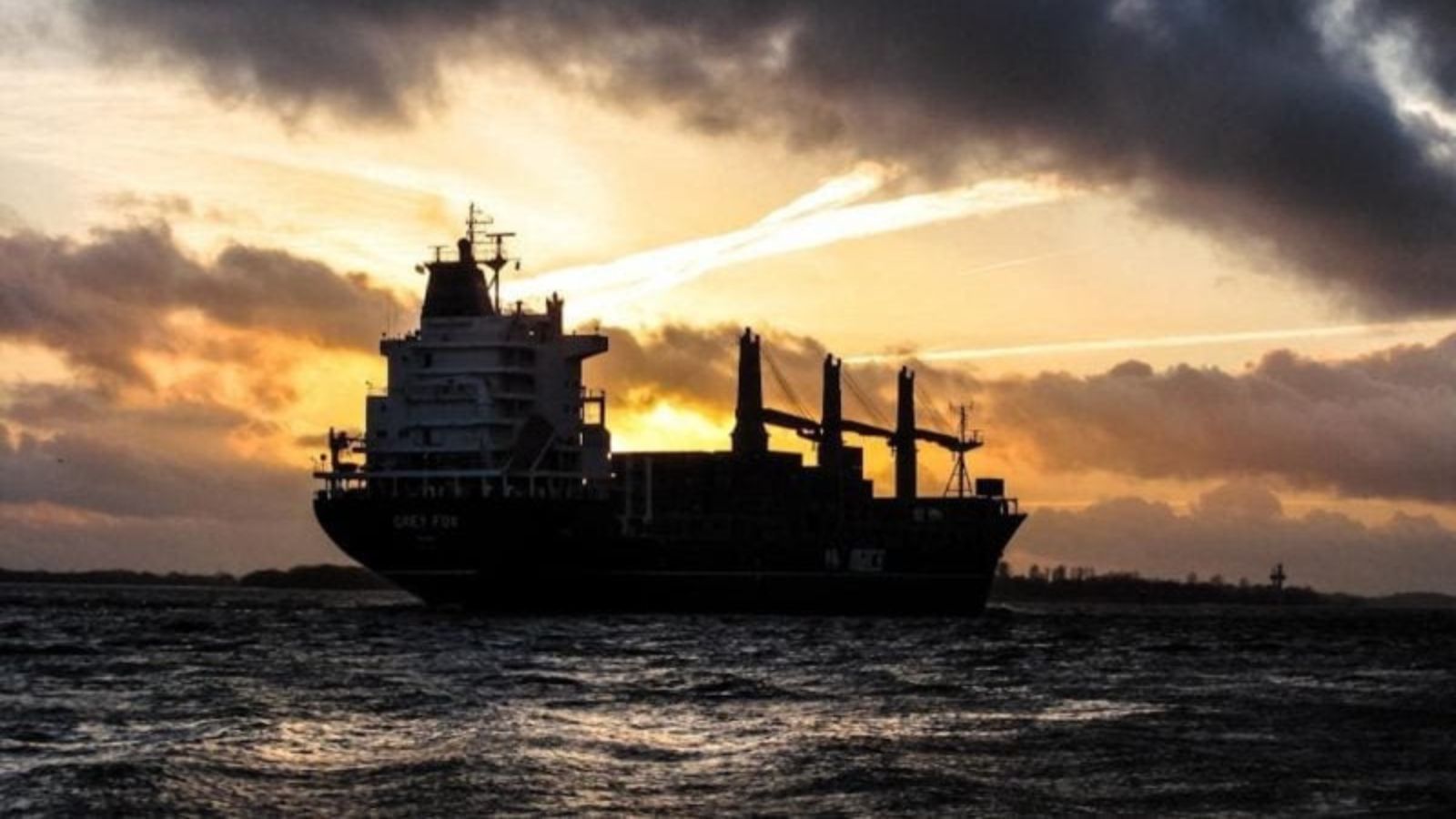
The “America First” policy led to a widening gap between US and European sanction lists. In 2025, the EU and the UK sanctioned nearly 500 tankers belonging to the Russian shadow fleet. However, 422 of these vessels remain untouched by American restrictions. Nobel laureate Simon Johnson emphasizes that sanctions require strict enforcement and close cooperation between the G7 members to be effective.
Russian oil revenues currently account for one-quarter of the national treasury. These revenues dropped by nearly 20% in 2025 due to global price fluctuations and European maritime bans. Despite this economic strain, the Kremlin continues its aggression. Analysts argue that without active US participation, the collective West cannot maximize pressure on the Russian economy.
Previously, The Ukrainian Review reported that 14 European nations joined forces to block Russia’s shadow fleet from operating in the Baltic Sea.