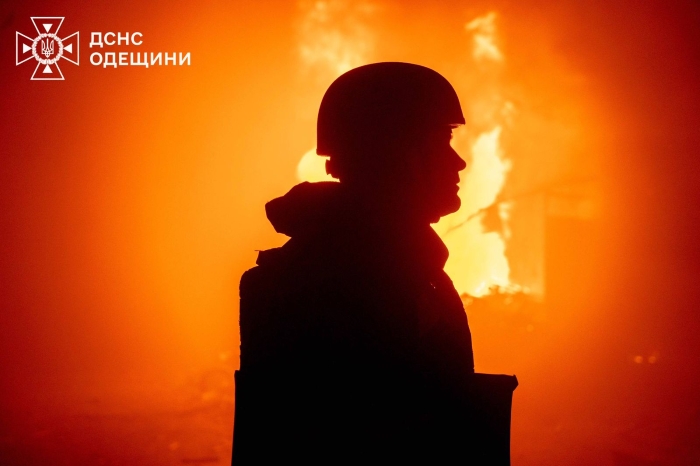



The United Kingdom is rapidly developing plans to prepare the entire country for a potential large-scale conflict, the armed forces minister Al Carns has said. The government is focusing not only on the combat readiness of the military but also on the engagement of civil society, the economy, and industry in the overall security system. Against the backdrop of increased activity from rival states—spying and cyberattacks—London emphasizes that modern threats far exceed traditional military risks. Such an approach demonstrates that the United Kingdom is genuinely concerned about the current situation.
The Shadow of War Over Europe
Britain’s Armed Forces Minister stressed: “The shadow of war is knocking on Europe’s door once more. That’s the reality. We’ve got to be prepared to deter it.”
This is how Al Carns assessed the security environment in the context of the growing hostile intelligence activity targeting the United Kingdom. According to the government, over the past year, the number of acts of espionage, hacking attacks and physical threats against the armed forces and the Ministry of Defense has increased by more than 50%. The main suspects are Russia, China, Iran, and North Korea. This has pushed London to consider the possibility that war could realistically affect Western Europe. Shortly before these remarks, The head of NATO Mark Rutte warned allies that Europe must prepare for a potential confrontation with Russia on a scale that “our grandparents and great-grandparents endured,” referring to the First and Second World Wars.

Shortly before these remarks, The head of NATO Mark Rutte warned allies that Europe must prepare for a potential confrontation with Russia on a scale that “our grandparents and great-grandparents endured,” referring to the First and Second World Wars.
Rethinking defense
The United Kingdom is already implementing structural changes: the government is taking measures to strengthen the intelligence capabilities of the Ministry of Defence by merging various military intelligence branches across the army, navy and air force, as well as the Defence Intelligence, into a new organisation called the Military Intelligence Service. However, Carns emphasizes that military modernisation alone is only part of the effort.
There’s a whole load of work going on now between us [the Ministry of Defence], the Cabinet Office, and the whole of society approach, and what conflict means, and what everybody’s role in society means if we were to go to war and the build up to war, he stated.
This may indicate the government’s intention to revive a comprehensive wartime strategy similar to the historic Government War Book, which once contained detailed plans for all sectors of national life—from the military to schools and hospitals.
Conclusion
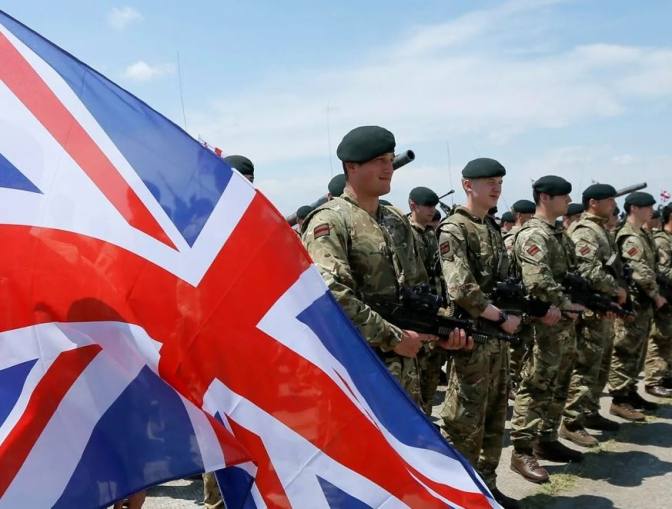
The announcement of “war readiness plans” is not a political stunt, but an attempt to bring national security into line with the realities of the 21st century. London believes that threats today are not limited to the front lines, but encompass the economy, the information space and the everyday life of citizens. This position raises serious questions about the readiness of Western countries for a new era of geopolitical confrontation. If the UK manages to properly mobilize both military and civilian resources, this approach could become an example for other states in Europe, which are increasingly thinking about their own defense capabilities.