

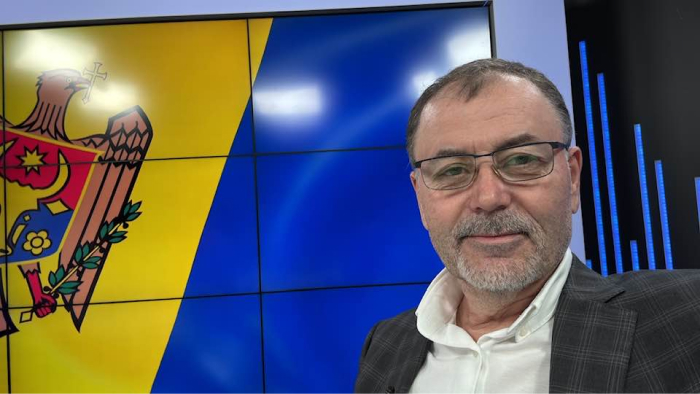
In 2024, Moldova held presidential elections and a referendum on its foreign policy course. As a result of the vote, citizens re-elected pro-European Maia Sandu as president, and voted in favor of European integration in the referendum. In 2025, the country will hold parliamentary elections, in which, according to polls, the pro-presidential PAS party will have a hard time gaining a majority. We discussed whether Moldova will be able to maintain its European course and how much influence Russia has on Moldovan politics with Anatol Salaru, former Minister of Transport and former Minister of Defense of the Republic of Moldova. The politician is currently a non-partisan politician, but he holds pro-European views. At the same time, this does not prevent him from criticizing the current government in Moldova.
Presidential elections: main conclusions
Kostyantyn Grechany (K.G.): I would like to start with the results of this year’s elections. In your opinion, what made it possible for Moldova to retain a pro-European president?
Anatol Salaru (A.S.): Despite some pessimistic forecasts, we managed to win the referendum and the presidential election, but there is still a very difficult process ahead of us – parliamentary elections, which are more important than the presidential election. The current ruling party has little chance of winning them. To ensure that pro-Russian forces win, Russia is making various attempts to destabilize and discredit the current president, Maia Sandu.
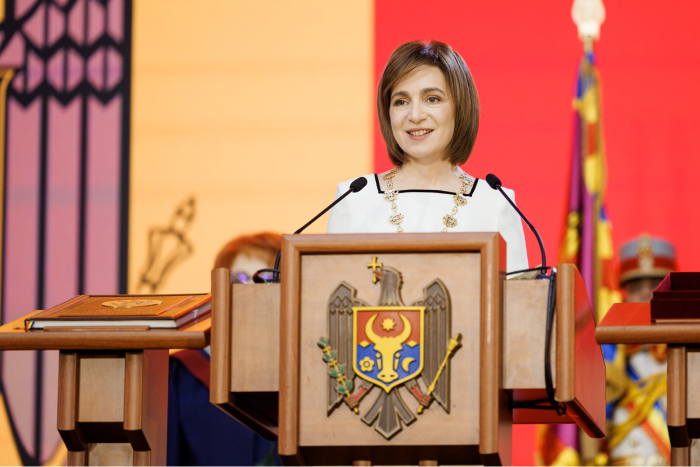
It is connected to the current majority and government, so all the mistakes of the government and parliament ricochet to the president. Given that Moldova is currently facing some problems, there are concerns about the parliamentary elections.
Russian influence and the mistakes of pro-Europeans
K.G.: As far as I understand, the situation in your country was similar to Georgia. I mean external funding for several pro-Russian projects, including the so-called “Ilan Shor networks” [groups of citizens organized with Russian money to influence the electoral process – ed]. But Moldova managed to maintain its pro-European course.
A.S.: The diaspora saved us. It mobilized, many people went to the polls and helped Maia Sandu win. Domestically, Sandu lost. In the last election, she won without the help of the diaspora. Now the situation has changed. Russian propaganda has been working against the current government of the Republic of Moldova for 5 years, supporting the fifth column. The Shor networks you mentioned worked, but the people who supported Putin and Russia were part of this network. They were not bought off with money, they were already ready to vote for pro-Russian forces.
The hybrid war that Russia started against Moldova has been going on for many years. Let me remind you that Russia attacked Moldova back in 1992. There was a Russian-Moldovan war on the Dniester. Back then, the world supported Russia because Russia had the ability to conduct high-quality propaganda. In recent years, we have been trying to counter Russian propaganda and influence. In particular, Moldova has taken decisive steps towards energy independence. We have built a gas pipeline from Romania, and a high-voltage line is currently under construction to supply electricity from Romania to Chisinau, bypassing Transnistria. Soon we will not have any threats that Russia will block our electricity supply. We have prepared for hybrid warfare, studying, among other things, the experience of Ukraine. But the minds of some of our citizens are still influenced by such mistakes as the rise in gas prices. Moldova was not ready for this.
K.G.: Do you consider this a mistake rather than an objective market situation?
A.S.: What I mean is this: when Russia is doing this kind of manipulation of the population and assuring people that gas prices have gone up because of Maia Sandu, and people believe it, then you need to talk to people, to convince them. The government failed to do this, and this is a mistake.
Another mistake was that Deputy Prime Minister Andrei Spinu flew to Russia. In St. Petersburg, he met with Miller and signed an agreement to continue gas purchases. All these agreements and annexes were classified. Rumors were spreading that the contract was signed on “bondage” terms. And people said: they get illegal interest, and we suffer because of their policy. When the enemy spreads rumors, you have to be ready to respond to it, you have to be ready to publish the agreements. After all, the price of gas has risen not only for Moldova, it has risen everywhere in Europe.
There are people living in the countryside who don’t have Telegram or Facebook. They consume information through TV and the aforementioned Shor networks. Therefore, government officials should come down to earth and explain that this is not the case.
K.G.: Following up on the topic of fighting Russian influence, why did Moldova fail to create a broad pro-European coalition?
A.S.: There were attempts at one time. They are still there, but the people voted pragmatically. They voted for Maia Sandu and the PAS party so as not to waste their votes. In the last election, some pro-European alliances were formed, but they gained almost nothing. In recent years, there have been no strong pro-European non-parliamentary parties. In addition, our voters are not yet so politically oriented. They don’t vote for ideology, they vote mainly for leaders. People hardly knew anyone from the PAS party in the last election except for Mai Sandu. And even now, we don’t have strong pro-European leaders who could gather the votes of those disappointed in Jokowi. But PAS is currently gaining around 30% of the vote.
Problems of uniting supporters of European integration
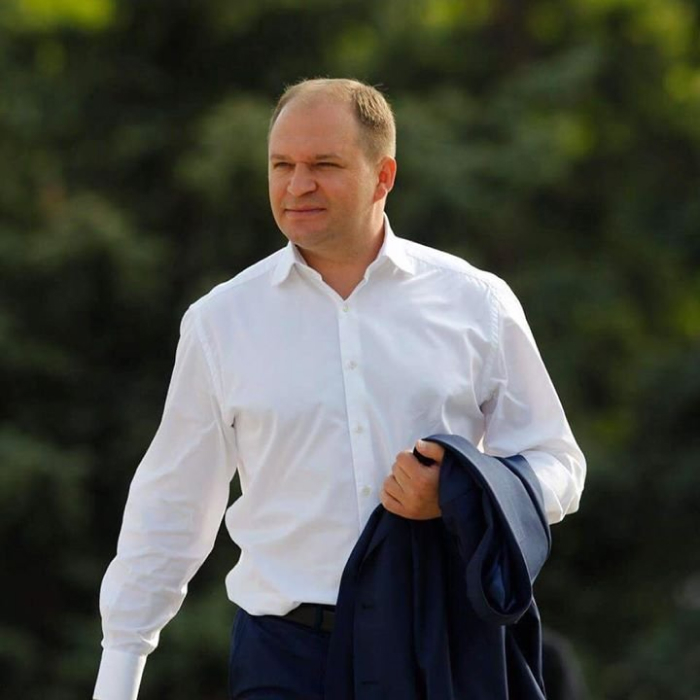
K.G.: In this regard, the logical question is: with whom can PAS form a coalition in the future parliament? From what I’ve read, the most logical ally could be Ion Ceban’s MAN party [Chisinau mayor]. But at the same time, Sandu’s fellow party members are constantly exchanging mutual jabs and accusations with him? Why is this being done?
A.S.: They say that he can pass, but so far he has an unpassable rating. He is not well known outside the capital.
K.G.: But Chisinau is a huge voter base.
A.S.: I would like to tell you that in parliamentary elections people do not vote for playgrounds and the like. Almost 60% of Chisinau residents voted for Maia Sandu in the presidential election. This is the most politically literate electorate. In the parliamentary elections, Chisinau residents are unlikely to vote for Ion Ciaban’s party. Especially since he is a graduate of the Russian Presidential Academy, was previously associated with the socialists, and is not too willing to take on pro-Europeans. Yes, he cooperates with the Romanian Social Democratic Party, but he doesn’t advertise this much. And he is in conflict with Maia Sandu. I also considered such a possible alliance, but so far…
K.G.: Yes, actually, my question was about hypothetical allies, because there is no one else to make a coalition with. There’s Renato Usatîi, but he’s even less of a natural ally for Maia Sandu.
A.S.: You know, in 2019, PAS formed a coalition with the Socialists [Partidul Socialiştilor din Republica Moldova, considered to be controlled by Russia – ed]. They formed a government together, and Maia Sandu was prime minister for six months. They have such precedents. I think that if necessary, she can form a coalition with anyone. But you have raised a very relevant issue for Moldova. There is a need to create a strong pro-European party, not one that will be with PAS today and pro-Russia tomorrow.
There is also one interesting potential project. Some PAS leaders who are dissatisfied and will be leaving the party want to create their own political force. They want to gather around them those people who have lost their commitment to PAS over the past 4 years. Perhaps they will succeed in doing so. After all, we understand that a pro-Russian coalition in our parliament is dangerous for Moldova, Ukraine, and Romania. It will mean the isolation of the Republic of Moldova and the expansion of Russia’s military presence in Transnistria [a self-proclaimed puppet republic on the territory of Moldova that is under significant Russian influence – ed.]
The Transnistria factor: threats to Ukraine
K.G.: I’d like to finish by talking about Transnistria. Do you think there is a threat to Ukraine today?
A.S.: As of today, there is no such threat. You have to understand what the contingent is there. 80% of the population of Transnistria are citizens of the Republic of Moldova. In the very first months of the war, tens of thousands left Transnistria and started buying up real estate throughout Moldova.
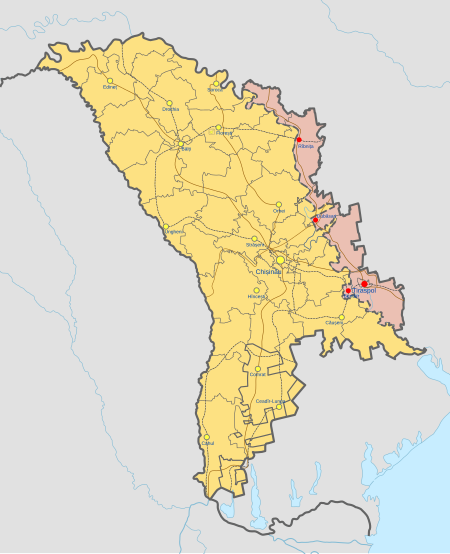
Secondly, the military contingent that is illegally on the territory of Moldova is limited. There are up to 1,500 people there, of whom only 30% are Russian officers. The rest are local people.
K.G.: And the so-called “Russian peacekeepers”?
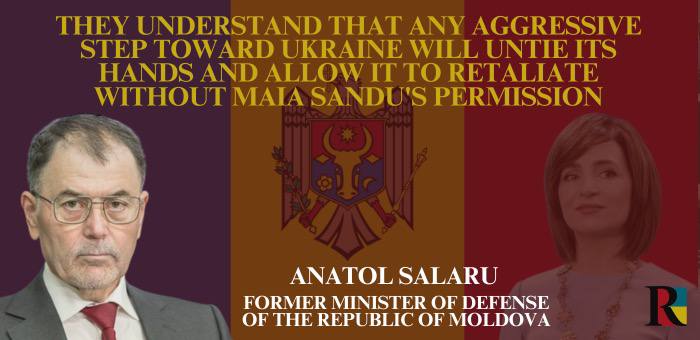
A.S.: There are about four hundred of them and they are not ready for combat. Even if the total contingent is up to 2,000. But the majority of Transnistrians do not want to participate in this war. They understand that any aggressive step toward Ukraine will untie its hands and allow it to retaliate without declaring war, without Maia Sandu’s permission. They are afraid that Ukraine will not take any decisions against them.
Kostyantyn Grechany