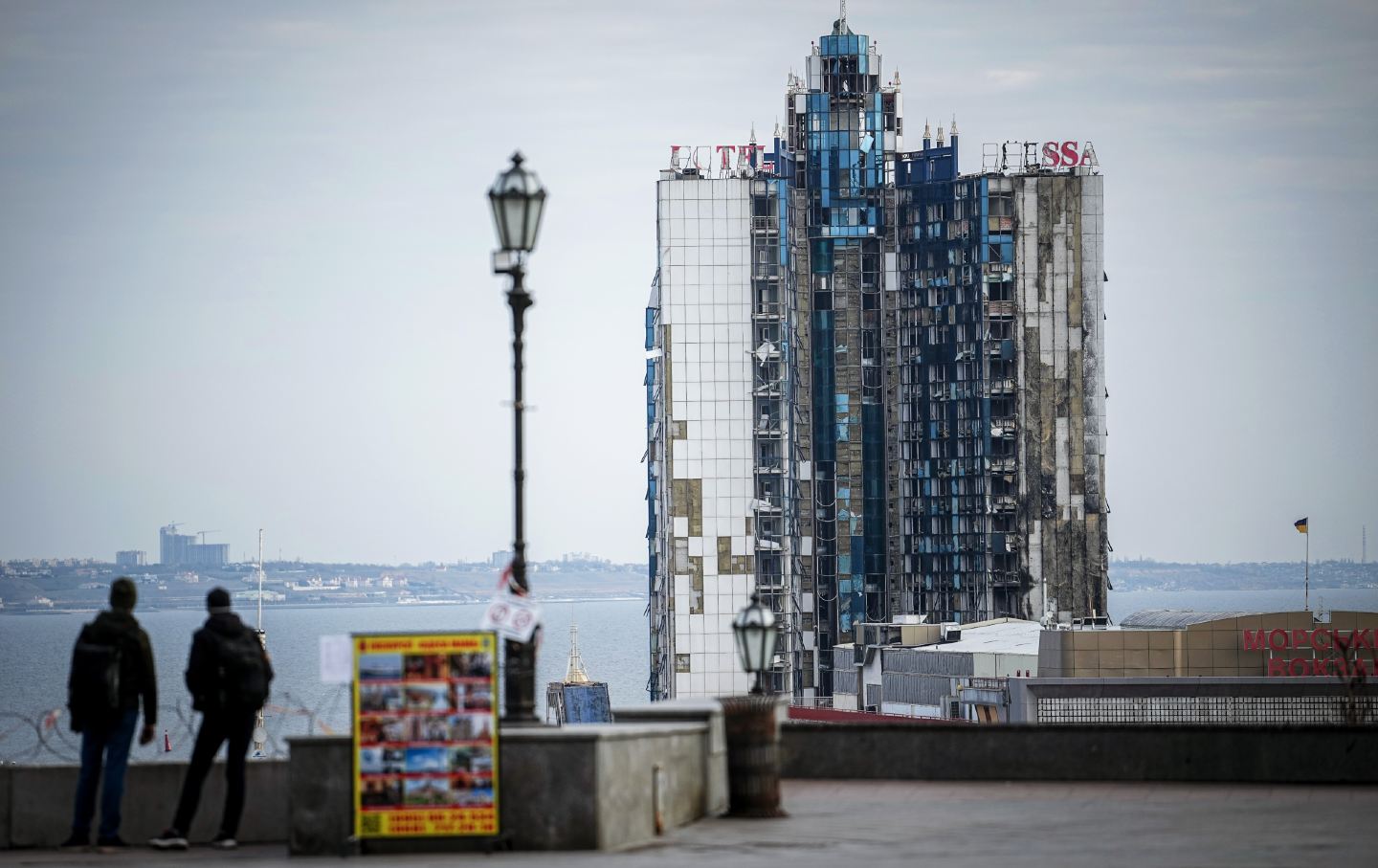


Recently, Russian missiles and killer drones have been causing more damage not to businesses or factories, but have been specifically targeting residential infrastructure, killing children and women. Does the presence of international delegations and diplomatic missions «protect» a city like Odesa from attack? The reality is more complex.
Why international delegations could reduce risk
Political deterrence (risk of escalation)
When high-level foreign officials are physically present, any strike risks:
Killing or injuring foreign nationals
Triggering a diplomatic crisis or escalation with NATO/EU countries
In theory, this raises the political cost of an attack, which could make military planners more cautious. It could increase global visibility. Visits by delegations typically involve: international media coverage, real-time diplomatic communication, and heightened intelligence monitoring. This reduces the attacker’s ability to operate «in the shadows» and may discourage strikes that could generate immediate global backlash.
When an international high-ranking delegation visits Odesa, several layers of visibility activate at once:
- Media saturation (international outlets (BBC, CNN, DW, Reuters, etc.) often track movements of high-level officials in near real time, social media amplifies this instantly, and any incident is reported globally within minutes).
Result: almost zero delay between event and global awareness
- Diplomatic communication channels (during such visits, embassies are actively monitoring, governments are in direct contact with Ukrainian authorities and military and intelligence services increase situational awareness).
This creates a dense network of observers and decision-makers.
- Intelligence focus (countries supporting Ukraine (e.g., US, EU members) may: intensify satellite monitoring, track missile launches more closely, share real-time warnings).
This increases the chance of: early detection, interception, and rapid attribution.
Temporary operational pauses («deconfliction windows»)
In some conflicts (Bosnian War, Syrian Civil War), informal or indirect communication channels are used to avoid accidental escalation. While not officially confirmed in most cases, analysts often assume that timing and targeting decisions may be adjusted during high-profile visits.
Why is this kind of protection limited or dubious?
There is no consistent pattern showing that strikes stop during international presence. Russian attacks on Odesa have been frequent and ongoing, including missile and drone strikes, causing civilian casualties and infrastructure damage; port infrastructure has been repeatedly targeted, with dozens of strikes over short periods. This suggests that military objectives often outweigh diplomatic considerations.
One of the strongest pieces of evidence against the «protective presence» theory: in March 2024, a Russian missile strike hit Odesa during a visit by the President of Ukraine Volodymyr Zelenskyy and the Prime Minister of Greece Kyriakos Mitsotakis. The explosion occurred within 500 meters of the delegation. This demonstrates clearly: the presence of foreign leaders does not prevent strikes with 100%.
Why did this happen? Targeting priorities outweighs constraints. Odesa is strategically important because it is a major Black Sea port; it is central to Ukrainian grain exports and logistics. Because of this, it has been repeatedly targeted regardless of context, including civilian infrastructure, port facilities, and shipping corridors.
Successful cases
An example of successful events that did not involve significant airspace violations or active attacks on the city’s infrastructure are the following events: the Black Sea Security Forum-2025, which took place at the end of May 2025, organized by an initiative group led by Ukrainian Verkhovna Rada deputy Oleksis Goncharenko, and the Ukraine-Southeast Europe Summit (2025), which took place in Odessa on June 11, 2025 and brought together several countries of Southeastern Europe, including the leader of Serbia, President Aleksandar Vučić, who is quite close to Putin.
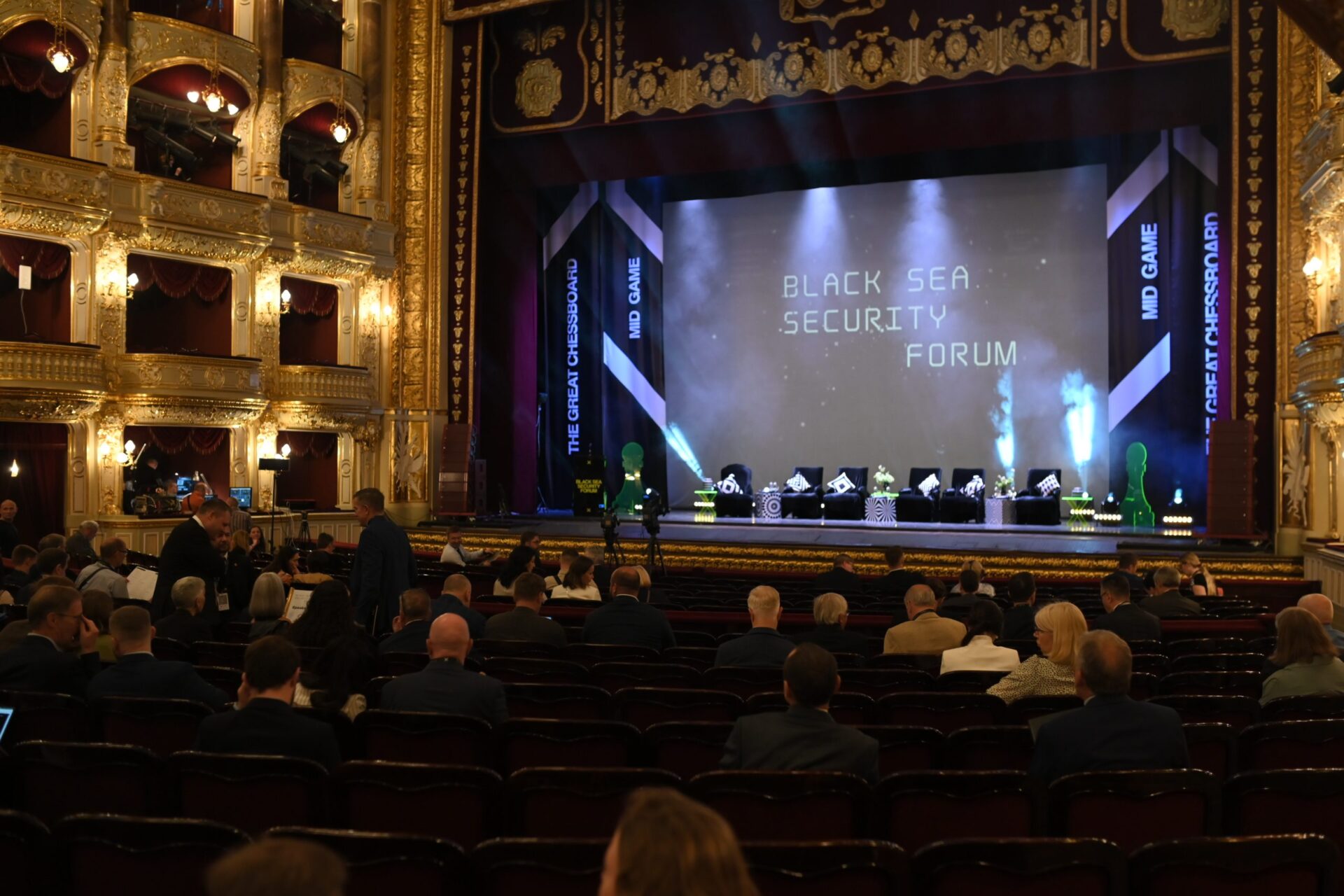
During these high-level meetings, the city was able to forget about the incessant sirens of repeated alarms, which sometimes sound throughout the city several times a day.
A word from those in power
“My presence here in Odesa is intended to demonstrate how we support Ukraine – through military support, economic support, and political and diplomatic activities aimed at finding peace, but a just peace that preserves Ukraine’s territorial integrity and independence,” – said European Union Foreign Minister Josep Borrell during his visit to Odesa in 2023. Incidentally, he recorded his address from the Orthodox Holy Transfiguration Cathedral, which was damaged by a Russian missile.
“It has been a privilege these last few days to be in Odesa as part of the Black Sea Security Forum, to show my ongoing support for Ukraine, along with so many others, including good friend Secretary Mike Pompeo and Tony Abbott who has been such an indefatigable supporter of the Ukrainian cause. The event was defiantly held at the Odesa Opera House, a magnificent historic building, which has been stoically restored after it had been significantly damaged during Russian bombing. It’s restoration is a remarkable statement about the the resilience of the citizens of Odesa”. This is how former Australian Prime Minister (2018-2022) Scott Morrison expressed his emotions during his visit to Odessa during the Black Sea Security Forum-2025.
Summary
Diplomatic visits or the presence of high-ranking officials in Odesa may coincide with temporary ceasefire agreements, but only if they:
negotiated
mutually beneficial
embedded in a broader political process
Without those conditions, visits may have limited effect.
The concept of “deterrence by presence” is one of the factors that Ukraine can and should use in this war, despite the fact that the effectiveness of these actions will always be correlated with the ability of the Ukrainian side to strike back, as well as with the military capabilities of Ukraine’s partner countries. Even one saved life of a child, woman, or civilian is worth the fact that Ukrainian diplomats and officials have encouraged foreign delegations to use “deterrence by presence.”
As the author of this article, I urge foreign politicians, diplomats, opinion leaders, and public figures to seriously consider the idea of an international presence as a tool to reduce risks to the civilian population in Odesa.
This is about thoughtful and systematic participation that can create an additional layer of deterrence and ensure constant international attention to the safety of civilians.
I am open to cooperation and ready to facilitate the organization of such visits, from logistics and accommodation to security escort and the formation of a meaningful program of meetings and events, including holding meetings with the leadership of the city and region.
Perhaps such initiatives will become one of the practical steps towards strengthening diplomatic mechanisms for the protection of the civilian population and, in a broader perspective, towards finding ways to end the war.
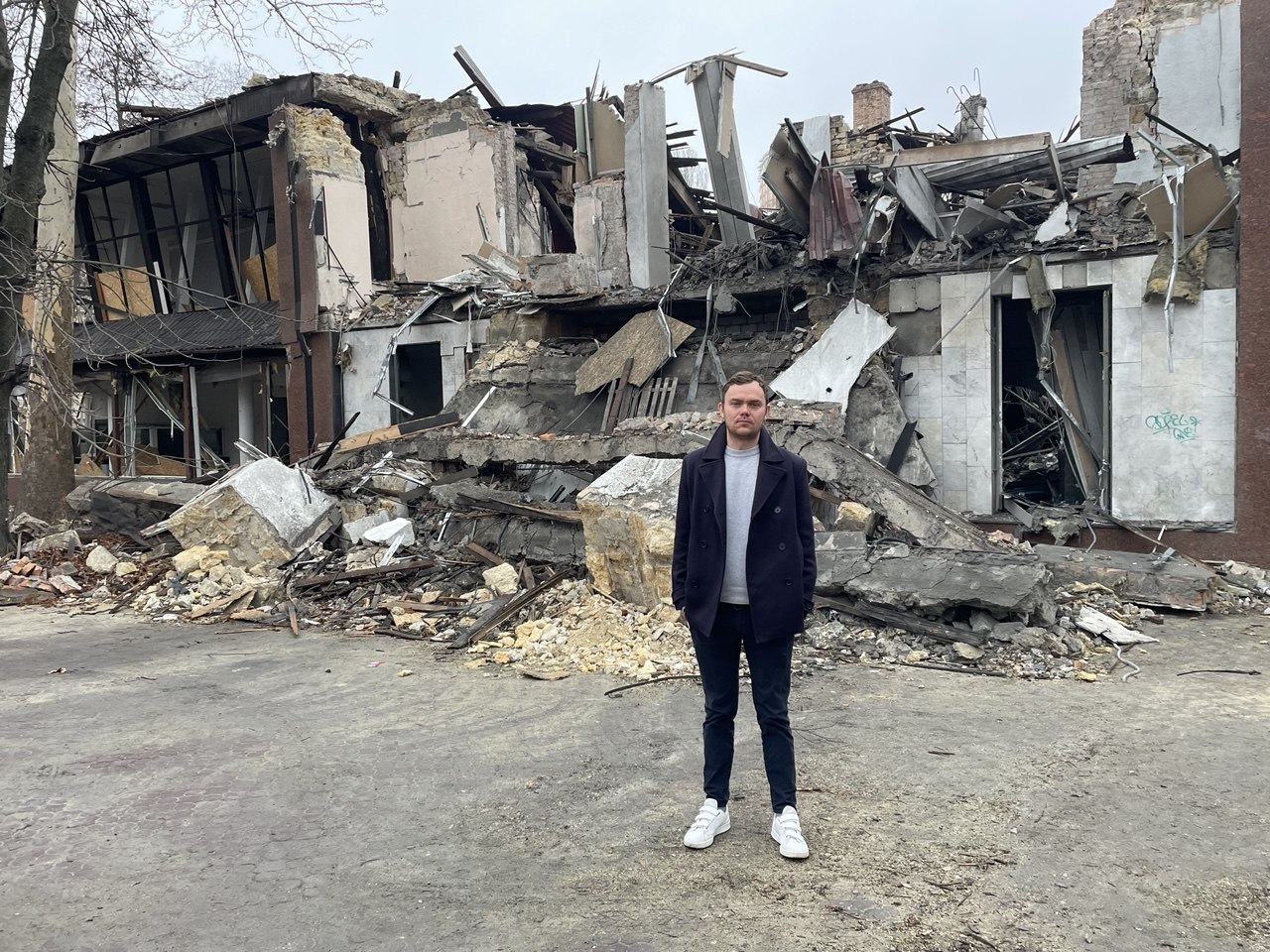
You can write to me personally at [email protected]
Volodymyr Savchenko