

On the night of November 17, Russia launched a large-scale attack on Ukraine on energy infrastructure. According to the Air Force of the Armed Forces of Ukraine, air defense intercepted 102 rockets and 42 drones, while at least 210 hostile aerial objects were detected.
Explosions were reported in several Ukrainian regions. So far, seven casualties have been confirmed.
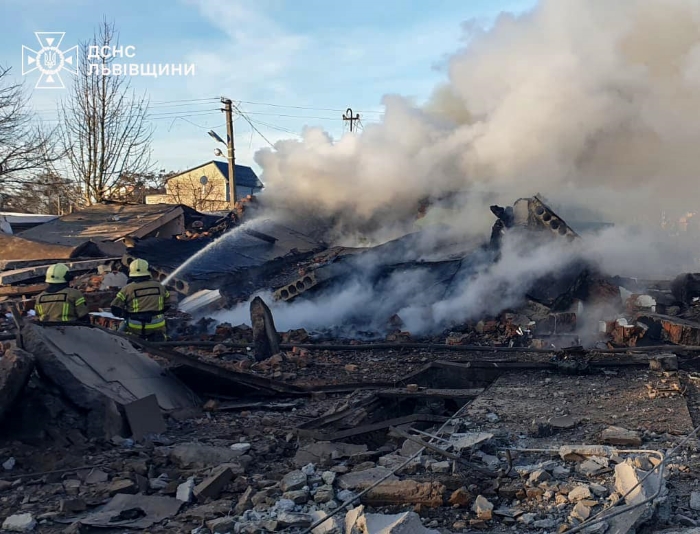
In Lviv Region, debris from a Russian rocket killed a woman, and two men were injured. A hitting pipeline was damaged and the attack caused a fire.
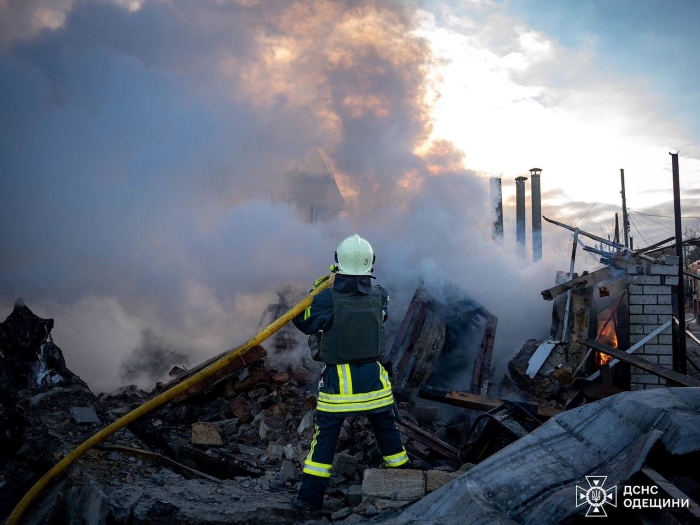
The Russian attack also severely affected the energy infrastructure of the Odesa Region, causing interruptions in heating, water, and electricity supplies. Electric public transportation was halted. Two employees of “Ukrenergo” (Ukrainian national energy company) were killed, and a 17-year-old boy was injured.
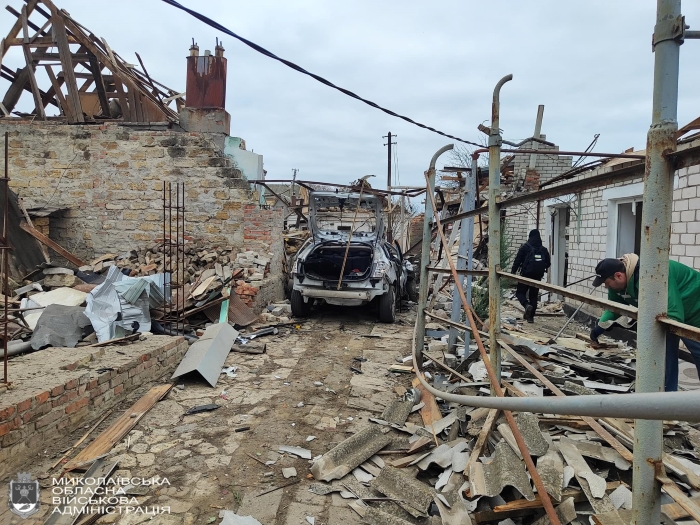
In Mykolaiv, a Russian air strike completely destroyed two houses, and partially damaged five others. Two women, including one who was pregnant, were killed.
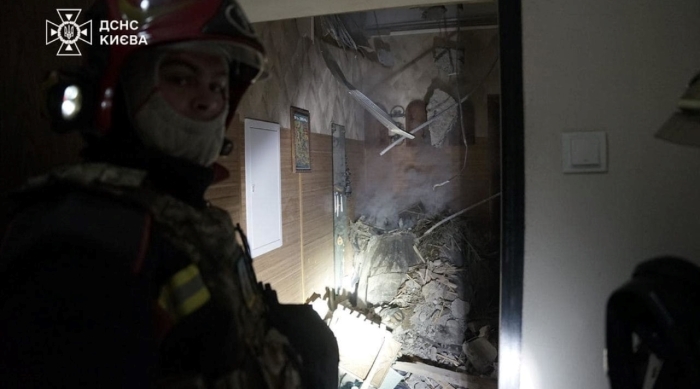
A five-story building in Kyiv caught fire, injuring two women.
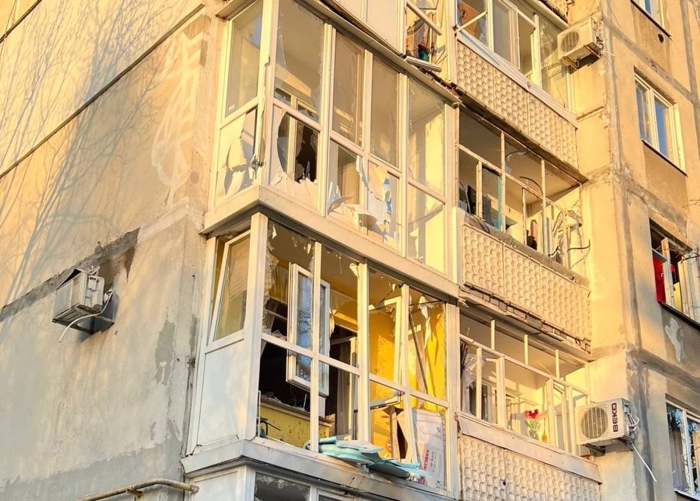
In the Poltava Region, debris from the rocket damaged the glazing of six high-rise buildings, one person was seriously wounded.
Several fires broke out in the Dnipro Region. In Nikopol, transport enterprises, several private houses, outbuildings, and cars were damaged. Two Ukrainian Railways workers were killed, and five people were injured.
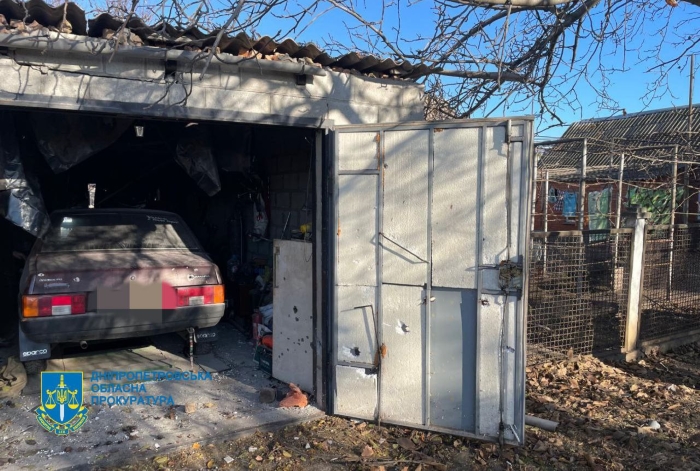
In Kryvyi Rih, an infrastructure facility was targeted, affecting the residential sector and two schools. This led to emergency shutdowns of boiler houses, pumping stations, and supply networks. In Dnipro, the attack damaged high-rise buildings, an educational institution, and a car. One man was injured.
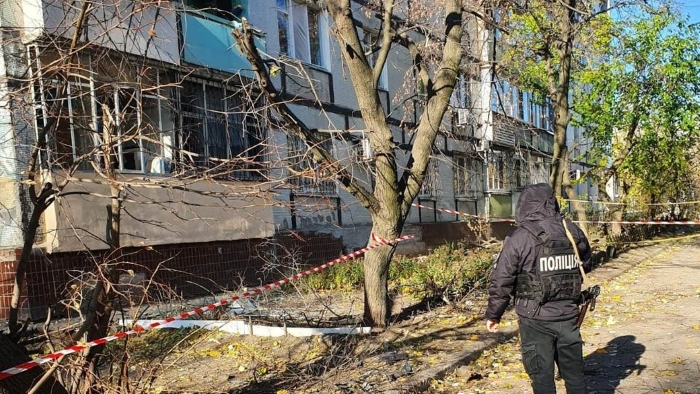
Russian forces attacked the Zaporizhzhia Region and the city of Zaporizhzhia with explosions occurring three times near infrastructure facilities. Two people were injured.
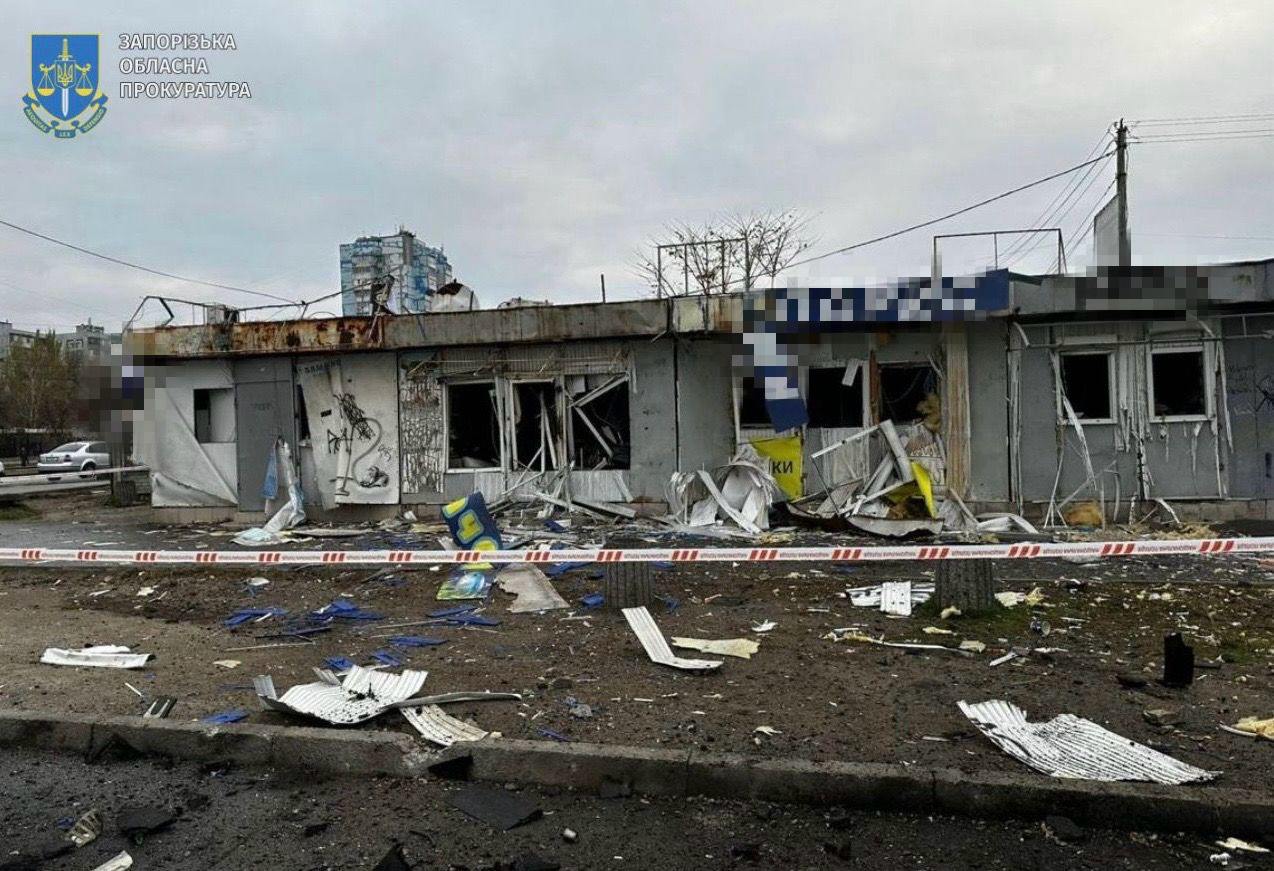
In the Rivne and Vinnytsia regions, several civilian buildings were damaged.Missiles targeted the energy infrastructure, as well as in the Volyn Region.
Under attack on the Carpathian Region was an object of critical infrastructure. Debris damaged a residential building.
The reaction of Ukraine and the world
Politicians and diplomats around the globe commented on the attack on their X accounts.
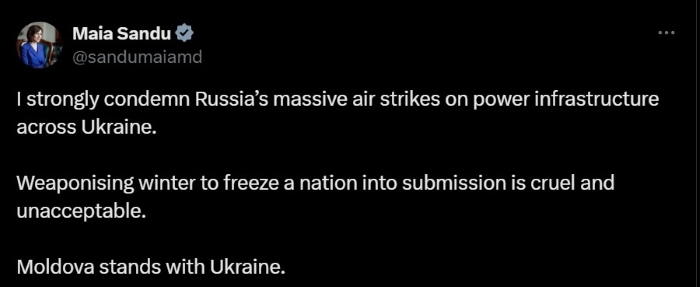
Wrote Maia Sandu, President of the Republic of Moldova.
Prime Minister of Poland Donald Tusk emphasized the ineffectiveness of phone calls, referencing the recent conversation between Federal Chancellor of Germany Olaf Scholz with Putin. Also, Tusk added the significance of the following weeks:

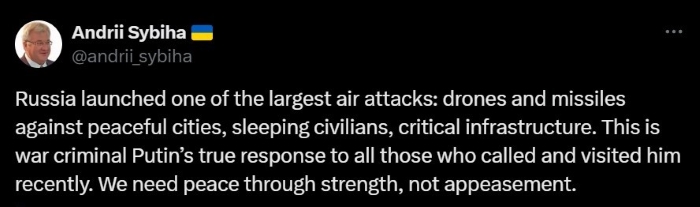
Minister for Foreign Affairs of Ukraine Andrii Sybiha articulated a similar message:
Representatives of Foreign affairs offices in different countries expressed their solidarity with Ukraine:
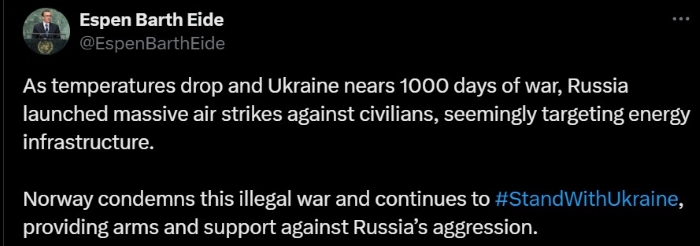
Wrote Espen Barth Eide, Minister of Foreign Affairs of Norway.
Caspar Veldkamp, Minister of Foreign Affairs of the Kingdom of the Netherlands also used the same hashtag to express the position:
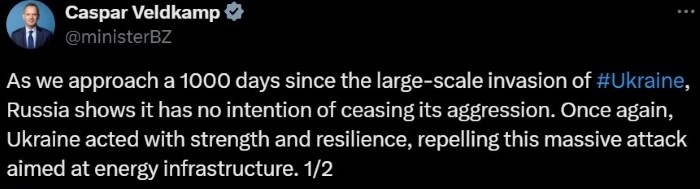

Jan Lipavský, Minister of Foreign Affairs of Czechia reminded his audience about the impossibility of negotiating with authoritarian regimes such as Russian one:

David Lammy, Secretary of State for Foreign, Commonwealth, and Development Affairs of the United Kingdom also confirmed the willingness of his country to continue support of Ukraine:

The attack on November 17 demonstrates that Russia is likely to intensify its strikes on Ukraine’s critical infrastructure as temperatures drop, signaling that such assaults may continue throughout the winter in an attempt to weaken the Ukraininan resilience and morale.
By Daria Maslienkova