



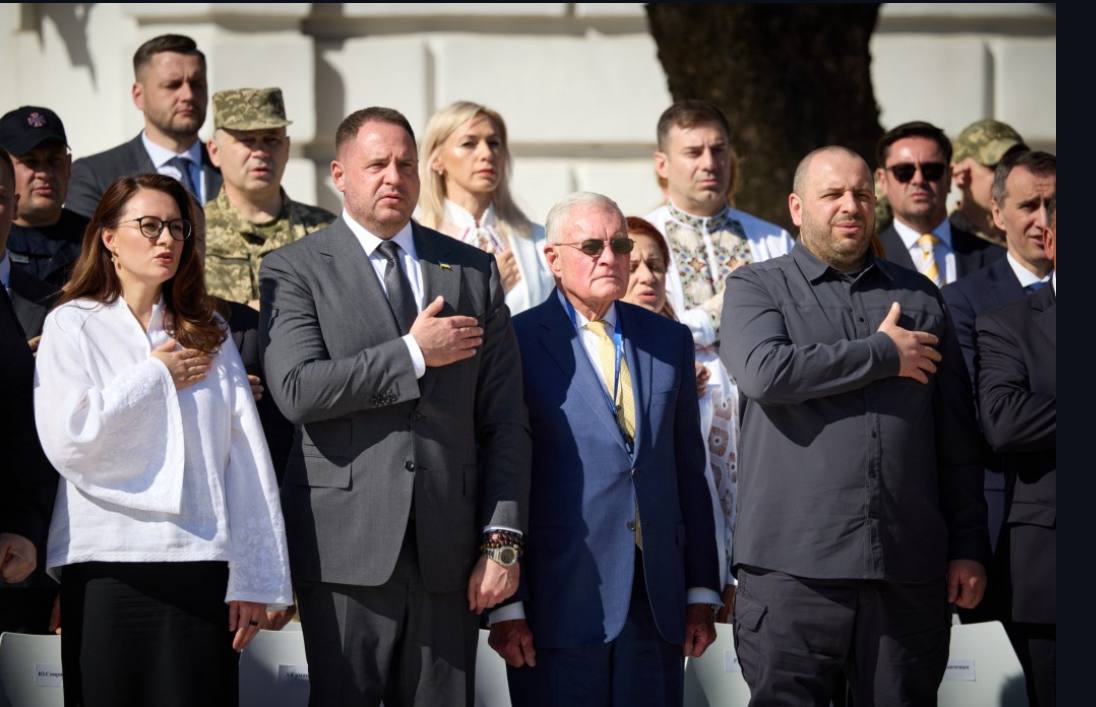
On August 24, as Ukraine marked the 34th anniversary of its independence, Kyiv was visited by Keith Kellogg, the Special Representative of U.S. President Donald Trump on Ukrainian affairs. His presence at the celebrations was a powerful symbolic gesture of support from Washington, and President Volodymyr Zelenskyy honored the American envoy with the Order of Merit, First Class. The timing of Kellogg’s visit, on Independence Day itself, is seen as a clear signal that the Trump administration recognizes the strategic importance of Ukraine and reaffirms its support for the country’s sovereignty—an especially vital message in the context of the ongoing war and difficult negotiations with Russia.
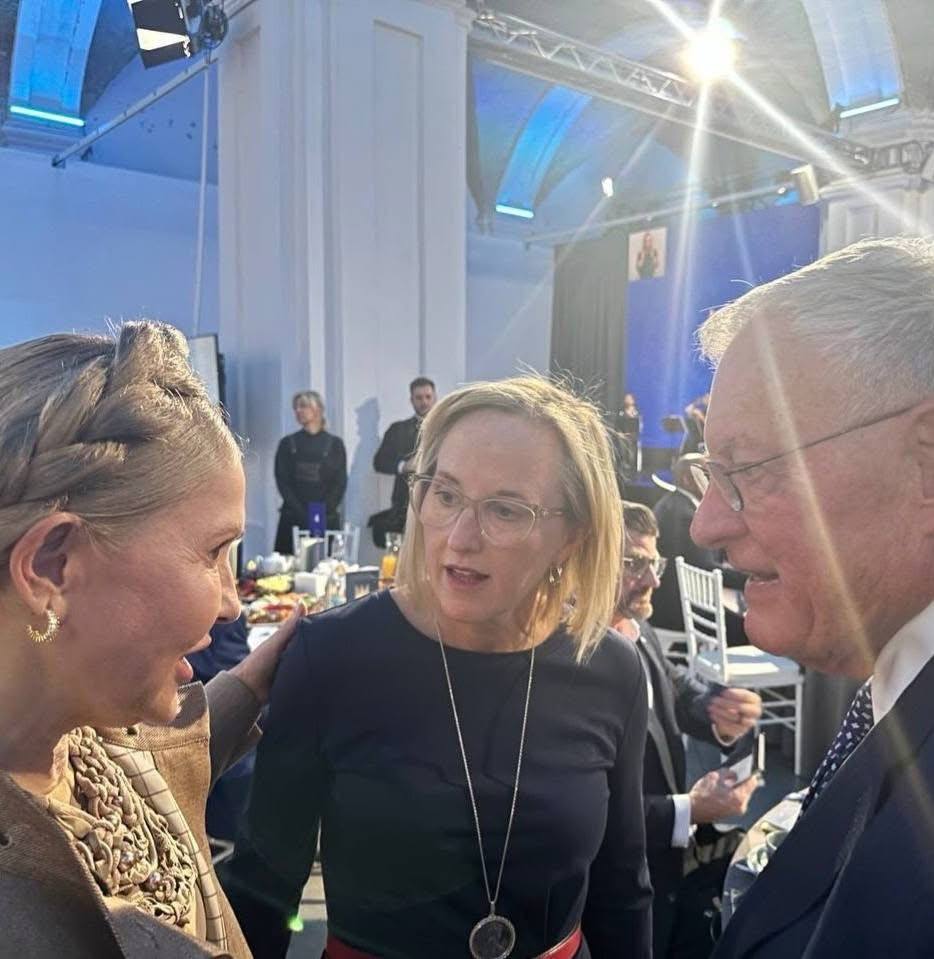
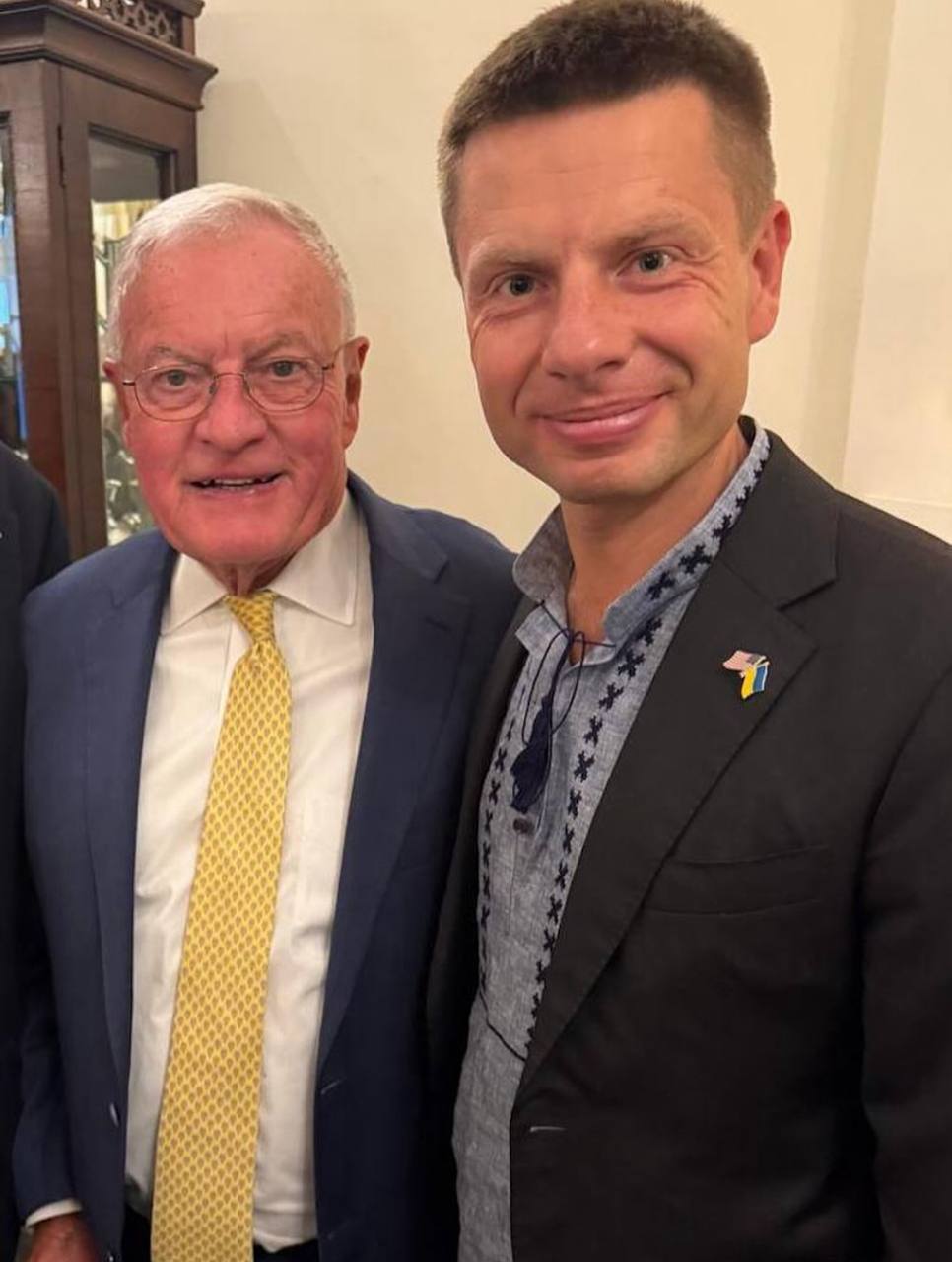
During his stay in Kyiv, Kellogg held a series of meetings not only with government officials but also with key opposition figures, including Yulia Tymoshenko, Petro Poroshenko, Oleksiy Honcharenko, and a number of members of parliament. These meetings highlight Washington’s intention to better understand Ukraine’s domestic political landscape and to take into account the balance of power in future negotiations. According to The Ukrainian Review, Kellogg’s visit was directly tied to discussions over a joint U.S.–European security guarantees package for Ukraine. A high-level meeting between Kyiv and Washington is expected later this week to finalize the package, which could mark an important step in strengthening Ukraine’s defense capabilities and integrating it into the Euro-Atlantic security system.
At the same time, notable attention was drawn to statements by U.S. Vice President J.D. Vance and Keith Kellogg, who suggested that the war in Ukraine could end within the next six months. While such forecasts may appear overly optimistic, they can also be interpreted as a political signal—or even part of a broader diplomatic game. Ukraine, for its part, cannot at this stage accept Russia’s conditions that would entail withdrawal from Donbas without solid guarantees. Instead, Kyiv has intensified strikes on Russian territory to demonstrate to both the international community and the Trump administration that it is capable of sustaining military operations and inflicting painful blows on Russia.
These strikes, particularly against Russian oil refineries, have already had a tangible impact: fuel shortages are spreading, prices are rising, and long queues at gas stations have appeared in regions such as Zabaykalsky Krai and in occupied Crimea. And this is only the beginning—if the situation continues, Russia could soon face a severe fuel crisis that may paralyze the country and send prices skyrocketing. This development underscores Ukraine’s ability to pressure Russia not just militarily, but also economically and socially, directly affecting ordinary citizens.
Such pressure strengthens Kyiv’s negotiating position and simultaneously provides Washington with a tangible demonstration that Ukrainian actions can dramatically alter the internal situation in Russia. For the Trump administration, this could become an argument in talks with Moscow: proof that a ceasefire is in Russia’s interest as much as Ukraine’s. If the Kremlin wishes to avoid deeper internal destabilization, it may be forced to accept at least a temporary truce and step back from its maximalist demands regarding Donbas.
Thus, Kellogg’s visit to Kyiv appears to be a pivotal moment in a broader geopolitical game, where Ukraine’s strength on the battlefield becomes a powerful argument at the negotiating table. And if U.S. forecasts of a possible end to the war in the coming months do indeed reflect real plans, we may soon witness the first steps toward a ceasefire—marking the beginning of a path to full peace.
Artem Kasparian