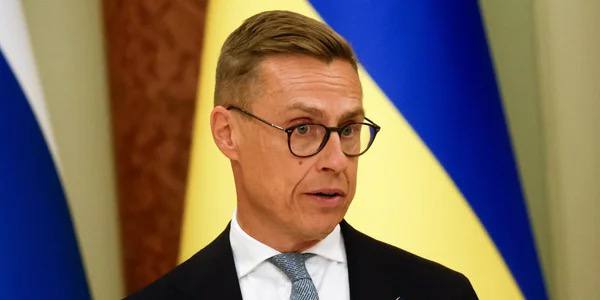


The prospects for a peace agreement between Ukraine and Russia have once again moved to the center of international attention following an interview by Finnish President Alexander Stubb on Fox News. In the segment, Stubb outlined the current state of negotiations and the West’s readiness for the final phase of the war. He described this stage of talks as the “closest” the parties have been to a deal since the beginning of Russia’s full-scale invasion of Ukraine.
Stubb also offered a sharp assessment of the Russian economy and the feasibility of achieving peace, noting that Moscow has failed to make significant military progress. His comments come amid rising tensions, discussions regarding new sanctions, and the development of security guarantees for Ukraine. The Finnish president’s appearance on a key American news platform underscores Finland’s growing weight in international diplomatic efforts surrounding the war. Although the negotiation process remains complex and far from finished, Stubb’s insights highlight the primary trends currently shaping the West’s approach toward Ukraine.
Stubb’s Interview
During his interview for “The Sunday Briefing” on Fox News, Alexander Stubb made several critical statements regarding the status of peace talks between Russia and Ukraine.
“We’re probably closer [to reaching a peace agreement] than we have been at any time of this war,” Stubb remarked.
He emphasized that a substantial portion of this progress is credited to U.S. diplomatic efforts—specifically administration special envoys who are “working around the clock” to narrow the gaps between the parties. The Finnish president also noted that while the final 5% of the negotiation process is the “hardest,” certain key points have been agreed upon, including security guarantees for Ukraine and a unified position among Europe, Ukraine, and the United States.
Stubb did not shy away from critiquing Russia, suggesting that Moscow has failed to achieve its strategic military objectives and is struggling economically. According to him, over the past thousand days of war, Russia has occupied “less than 1%” of additional Ukrainian territory, and the state of the Russian economy is extremely precarious.
“The Russian economy is actually not doing that well. They have zero growth. They have out of reserves. They have high interest rates and high inflation. And it is not improving,” Stubb emphasized.
Furthermore, Stubb pointed out that sanctions against Russian oil companies, such as “Lukoil” and “Rosneft”, have proven effective. He warned that if Russia rejects the agreed-upon peace framework, sanctions should be further intensified.
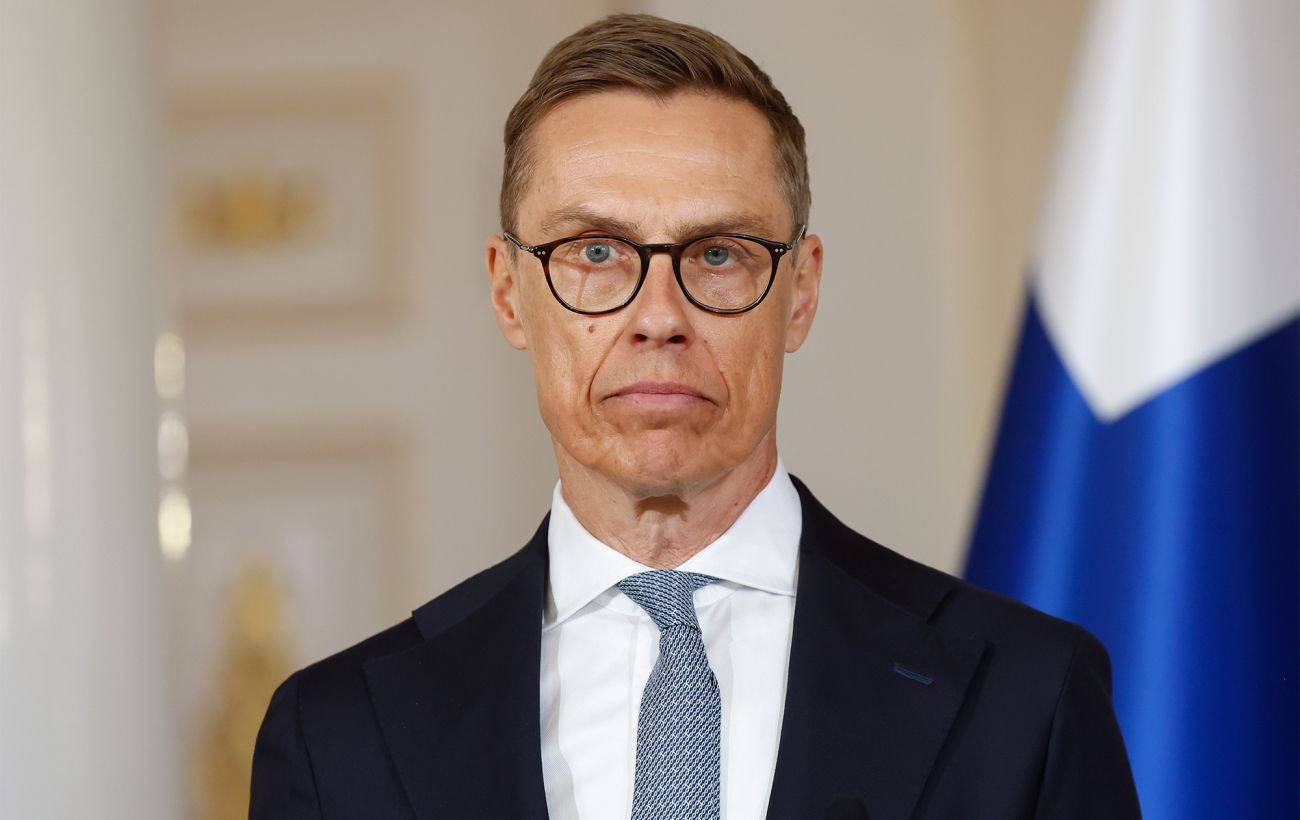
Why Stubb? Finland Between West and East
The interest in Finland’s position regarding the war in Ukraine has a deeper explanation. Finland, which recently joined NATO and shares a long land border with Russia, has a direct stake in regional stability. Its active role in negotiations is not a coincidence but a strategic choice. President Stubb has repeatedly stressed that NATO’s resolve deters Moscow from direct aggression against European nations and that Finland’s ability to effectively contain the Russian threat is a vital component of this mechanism.
Stubb, who has previously held several key political positions in Finland and possesses extensive experience in international politics, has built personal and professional ties at the highest levels. This positioning has made Stubb not only the voice of Finland but one of the prominent voices of the EU in the dialogue for peace. The Finnish leader’s involvement in the talks is also linked to the trust he commands from Kyiv and its allies; a country that was traditionally neutral but is now firmly integrated into the West can serve as a bridge between various parties.
Parallel to its diplomatic engagement, Finland actively supports Ukraine in security matters. The country has participated in discussions regarding defense guarantees, strengthening European defense capabilities, and cooperation with NATO. This confirms that Finnish diplomacy is not limited to media appearances but is part of a broader support system for Ukraine within Europe.
Beyond diplomacy, Finland provides significant military aid. According to official sources, since the start of the war, Finland has allocated approximately €3.9 billion in support, including roughly €2.9 billion in defense materiel. This includes 30 defense aid packages—comprising equipment, ammunition, and other hardware—the latest of which was valued at approximately €52 million.
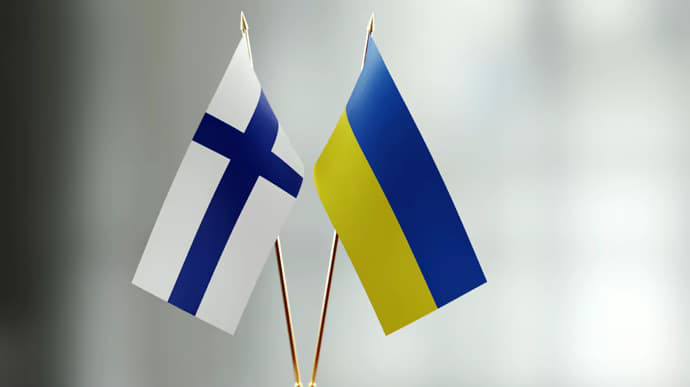
Conclusion
Alexander Stubb’s appearance on Fox News is more than just an assessment of the war’s progress; it is a message to the global community. It signals that peace negotiations are gaining momentum but are not yet concluded; that sanctions and international pressure are working, but they are insufficient without the political will of the parties involved. Stubb’s assertion that the parties are closer to peace than ever, yet still face the “hardest 5%,” highlights the thin line between opportunity and risk.
At the same time, Finland’s role as a mediator is a signal of a broader European strategy: not to leave Ukraine alone, to unite diplomatic efforts, and to seek dialogue even where it seems impossible. In this context, Stubb acts not only as the President of Finland but as a voice for a united Europe, reminding the world that peace is possible—but the path toward it requires patience, resilience, and a readiness for compromise.