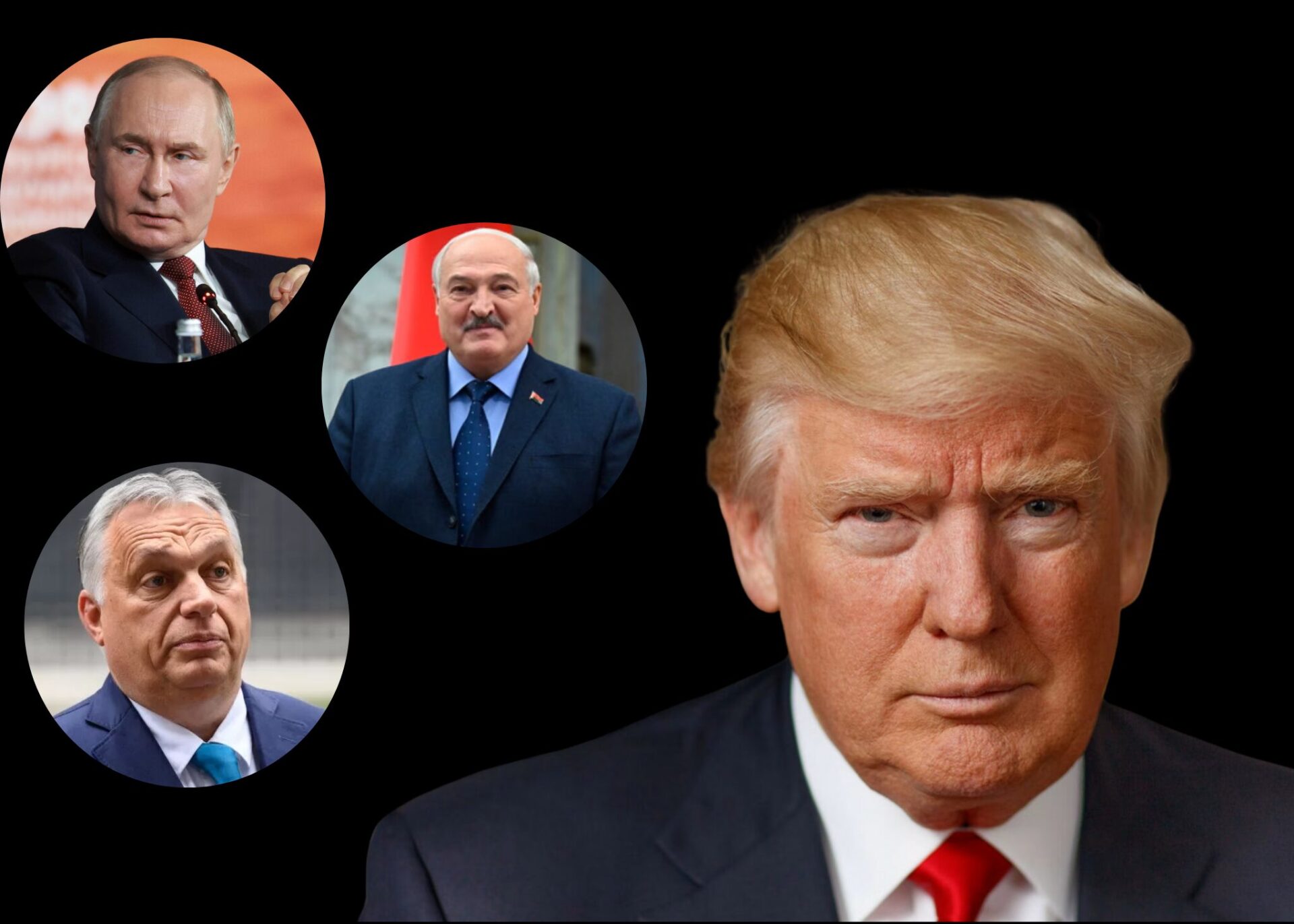
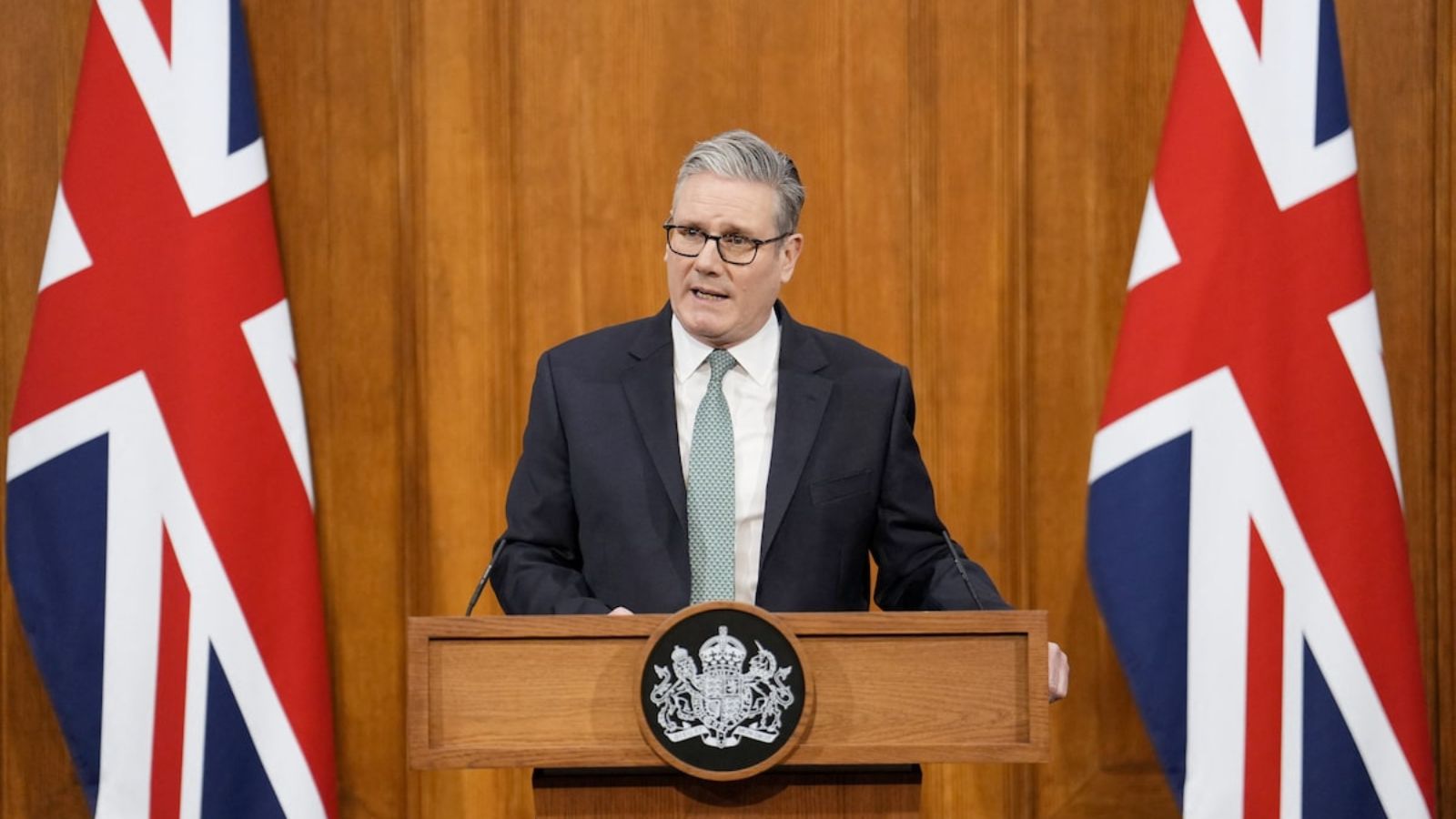


British Prime Minister Keir Starmer has condemned Donald Trump’s threat to impose trade tariffs on allies as “completely wrong.” Speaking at a Monday press conference, Starmer urged for calm diplomatic discussions to prevent a trade war. The dispute follows Trump’s warnings of 10% to 25% levies. These target eight nations, including the UK, for supporting Denmark’s sovereignty over Greenland. Starmer emphasized that such economic pressure undermines the stability of international cooperation and risks hurting British workers and businesses.
Diplomatic strategy and economic protection
Starmer characterized his approach toward the US administration as pragmatic, rejecting “performative” politics in favor of real solutions. While the European Union considers significant retaliatory tariffs, the UK Prime Minister has so far refused to follow suit. He argued that a trade war serves no one’s interests and that his focus is on ensuring the situation does not escalate to that stage. Starmer used his “behind-the-scenes” relationship with the White House to advocate for British workers. He specifically seeks to maintain preferential trade terms.
The Prime Minister underscored his position by stating:
“Alliances endure because they’re built on respect and partnership, not pressure, that is why I said the use of tariffs against allies is completely wrong.”
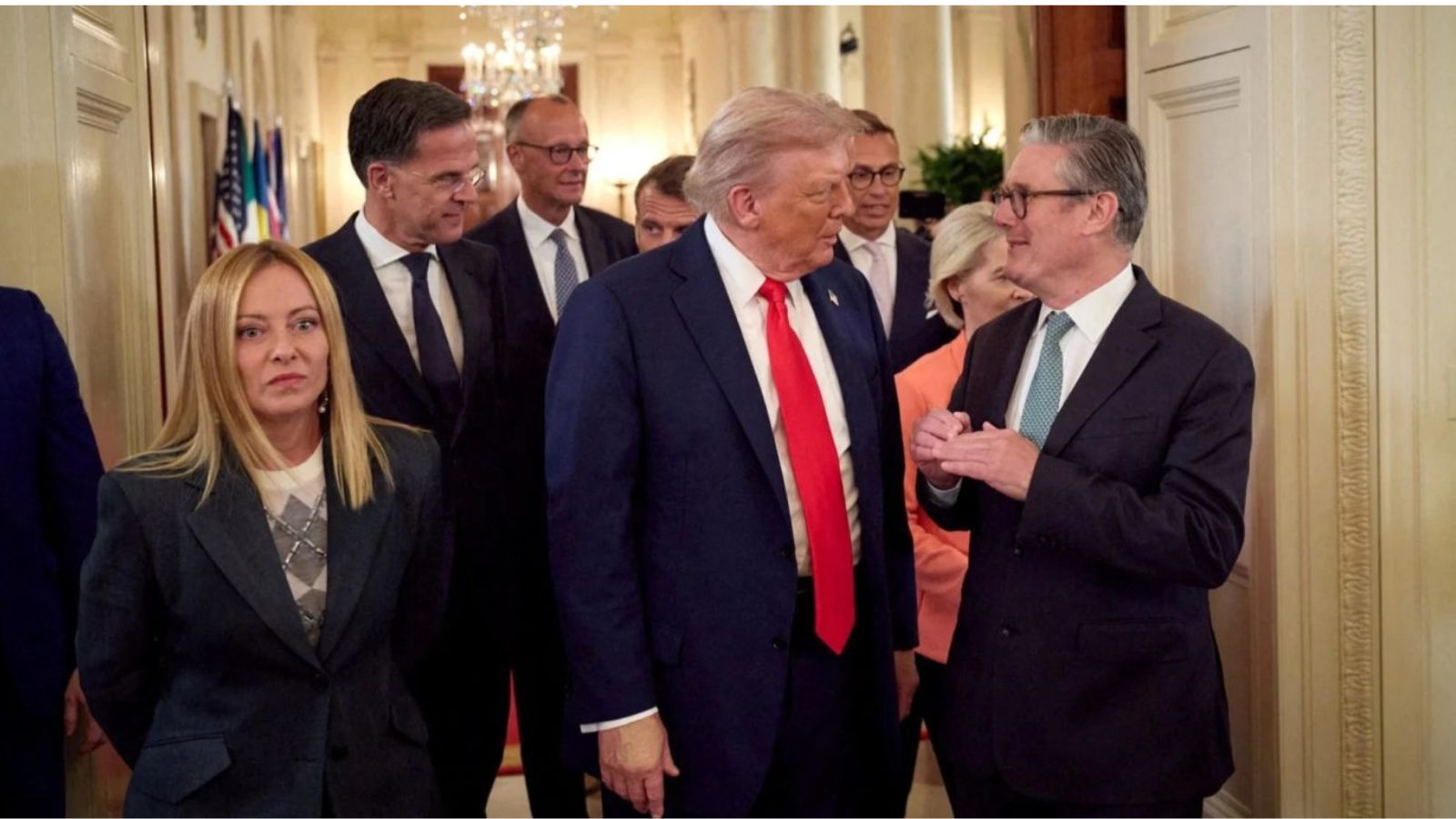
He also confirmed that he personally spoke with Donald Trump to clarify the role of NATO forces in Greenland. He explained that these small units are strictly tasked with assessing risks from the Russians, rather than countering American strategic interests in the region. By providing “real clarity” on this matter, Starmer hopes to de-escalate the tension and return to stable international cooperation.
Arctic security and sovereignty
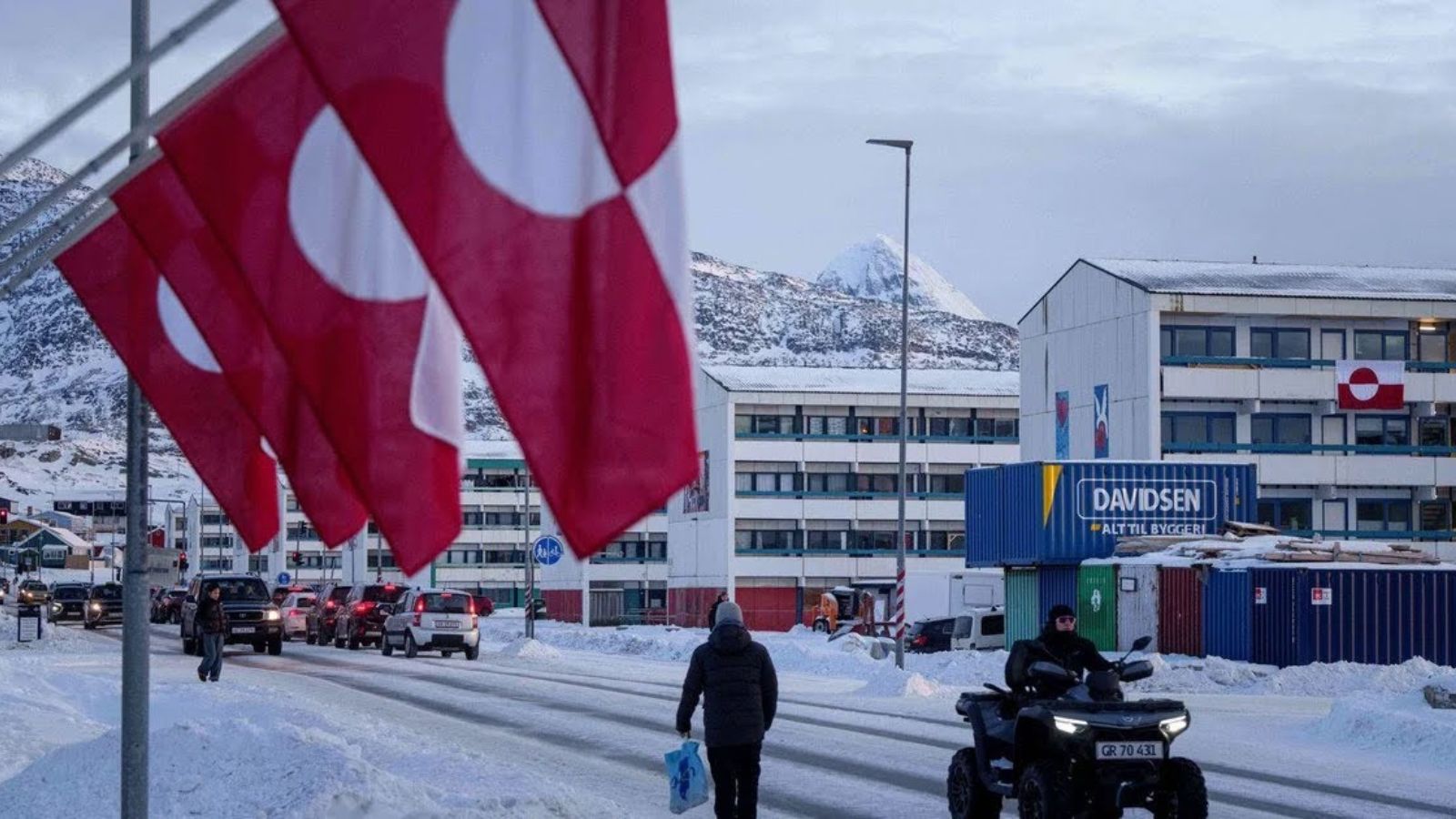
Regarding Greenland’s future, Starmer was firm that any decision belongs exclusively to its people and the Kingdom of Denmark alone. He described this right to self-determination as fundamental to global stability. Although he dismissed the likelihood of a US invasion, he noted that the Arctic is becoming a zone of heightened strategic competition due to climate change. The UK is prepared to contribute to the region’s security through NATO, provided the partnership is based on mutual respect.
Starmer remains focused on protecting the UK from the “huge damage” that a trade war or the weakening of alliances could cause. He stated he does not believe Donald Trump will actually use military force, as the issue should be resolved through calm discussion. By coordinating with European allies while keeping diplomatic channels open with Washington, the British government aims to preserve the strength of the transatlantic partnership.
Conclusion
Starmer maintains that a mature alliance does not mean pretending that differences do not exist, but rather addressing them with respect. He warned that the current threats from the US risk weakening the very alliances that ensure global security. By choosing calm discussion over aggressive rhetoric, the Prime Minister aims to protect the British economy from significant harm. Ultimately, the UK continues to defend the principle of sovereignty while navigating its complex relationship with its most important ally.