

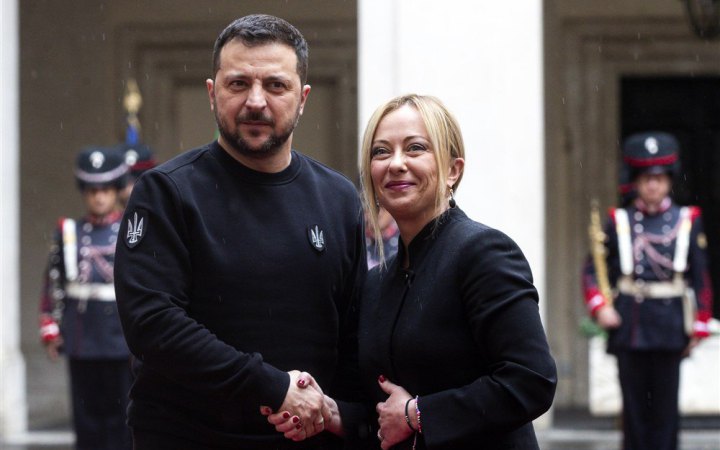
In the coming days, a shipment of heating equipment from Italy will arrive in Ukraine. This was announced by the Head of the President’s Office, Kyrylo Budanov. The delivery implements agreements between Ukrainian President Volodymyr Zelensky and Italian Prime Minister Giorgia Meloni. Its goal is to support regions that suffered the most from Russian attacks on energy infrastructure.
According to Budanov, the first phase will bring 78 industrial boilers with a total capacity of 116.5 MW. The second phase will deliver over 300 boilers with a total capacity of 806 MW during the next six months. The equipment will go to communities where heating is critically needed today. Budanov thanked Italy and other international partners for their practical support and solidarity with Ukrainians. He emphasized the importance of helping citizens meet basic needs.
Energy System Situation
On the night of January 18, Russia again attacked Ukraine’s energy infrastructure in Odesa region. The attacks affected Izmail and Kiliya districts. The regional administration reported a fire at an energy facility, a destroyed production building, and a car. Fortunately, no one was injured, and the fire was quickly extinguished.
At the same time, according to Chernihivoblenergo, a Russian strike damaged an important energy facility in the Korukivka district of Chernihiv region. As a result, several settlements lost power. Repair teams are working to restore electricity.
Overall, Ukraine’s energy system is operating under increased stress. The Ministry of Energy reports that the situation is most difficult in Kyiv and Kyiv region, where cold weather and system overloads have led to network restrictions. Some settlements remain without electricity. Repair crews continue to restore damaged lines, and hourly power outage schedules will return once the system stabilizes.
In most regions, power restrictions for industrial consumers and hourly blackouts for households are still in place. These measures help reduce system load during peak cold periods.
Conclusions
Italy’s assistance strengthens Ukraine’s energy system in the affected regions, but it does not solve systemic problems. The delivered boilers provide additional heating for certain communities, but they cannot offset the risks of repeated Russian attacks or system overloads. Without full network restoration and stronger protection for energy facilities, the risk of outages and emergency shutdowns remains high.
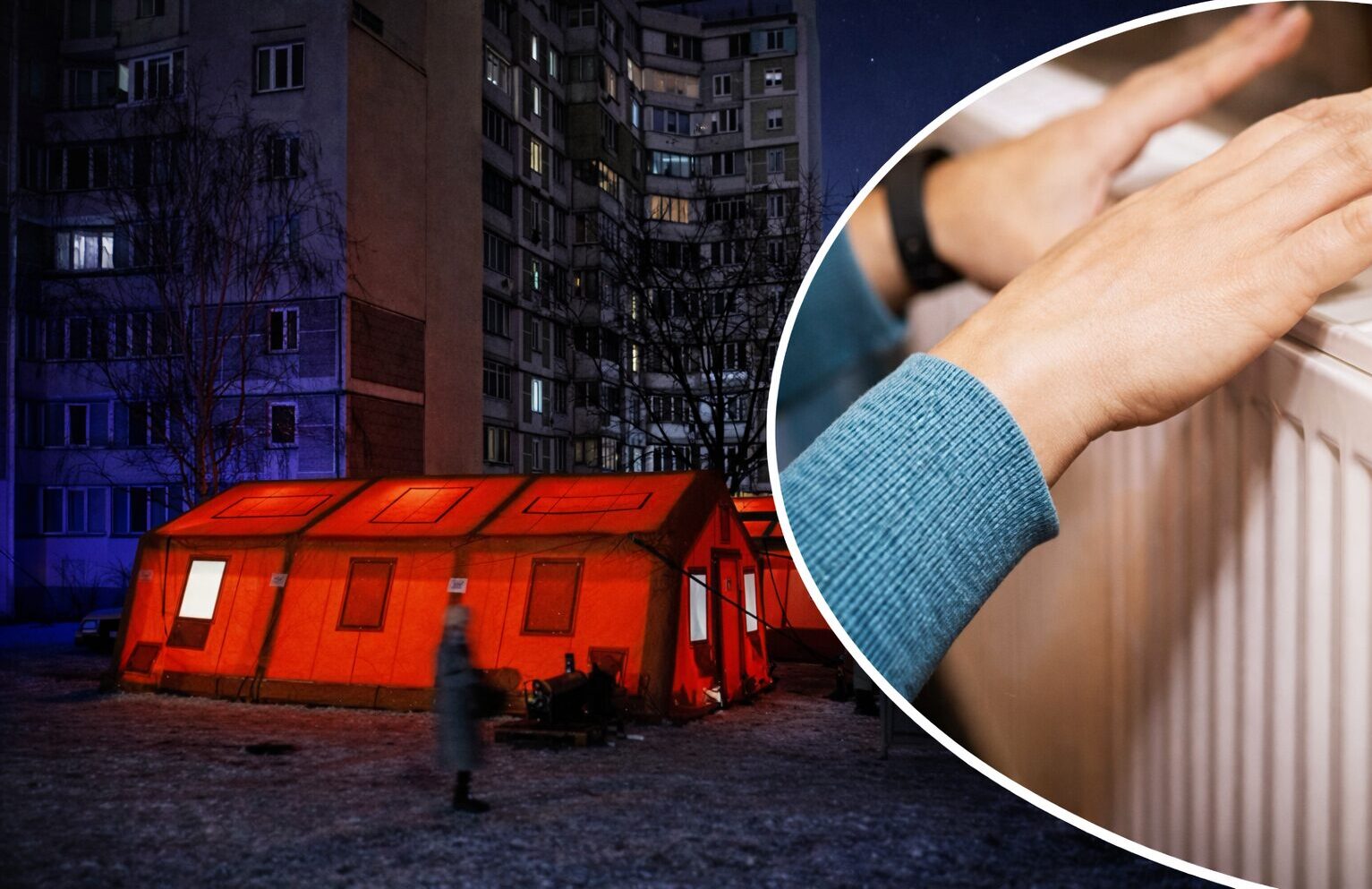
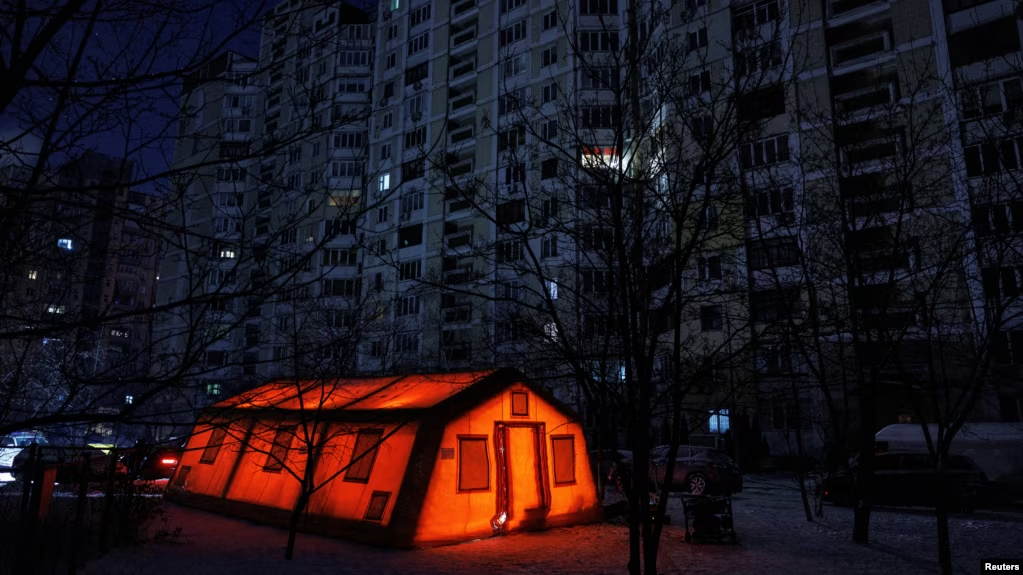
Meanwhile, in regions under an energy emergency, the government allowed a temporary easing of the curfew so that residents can reach heating points at night.