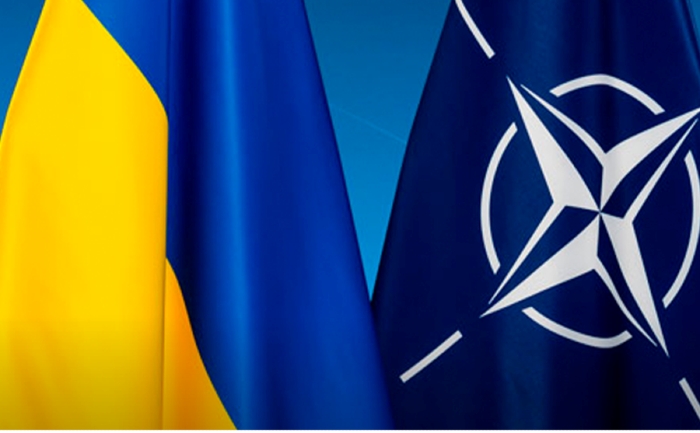


Despite Russia’s confidence in its ability to continue the war, the aggressor faces numerous problems and remains uncertain about having sufficient resources for future offensives. Meanwhile, NATO has begun taking steps toward increasing assistance and strengthening its rhetoric. However, the question remains whether would that be enough without the U.S. initiative?
Real Prognoses for the Donetsk Region
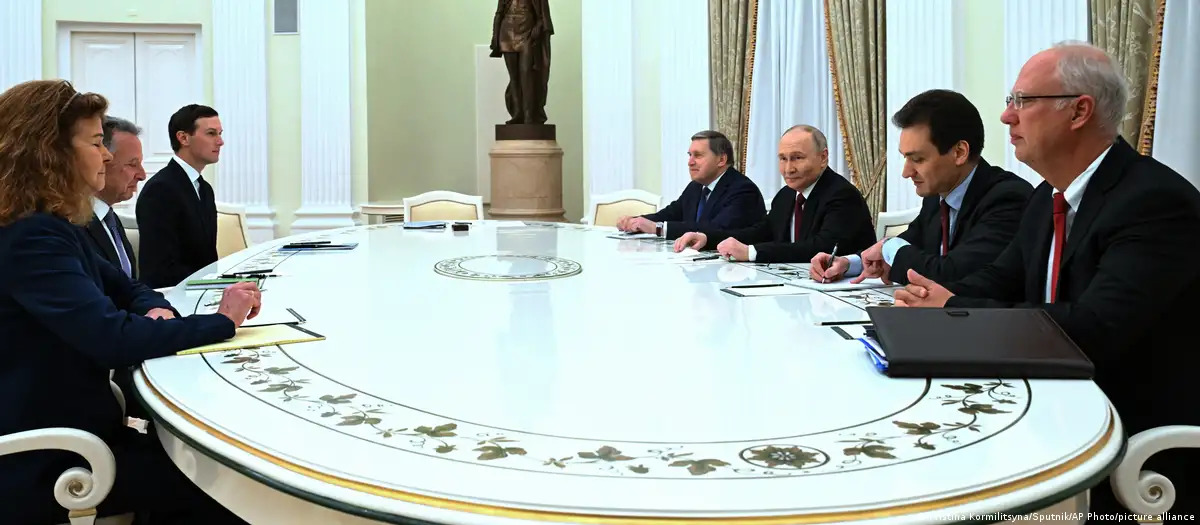
The U.S. side argues that Ukraine should make concessions by giving Russia the western part of the Donetsk region because it is “a matter of time” until they occupy it through military actions.
However, NATO believes that Putin will not be able to seize Donbas by the end of 2026, a high-ranking NATO official told the BBC.
The Institute for the Study of War (ISW) published a further forecast on November 26: the Russian army could hypothetically capture the entire Donetsk region by August 2027, but only if it maintains its current pace of gradual advancement.
According to the head of the Main Intelligence Directorate, Kyrylo Budanov, the occupiers want to take the entire Donetsk region in the spring of 2026. NATO also believes that despite the growing financial burden, Russia is capable of sustaining hostilities at the current level until 2027.
NATO’s Stance
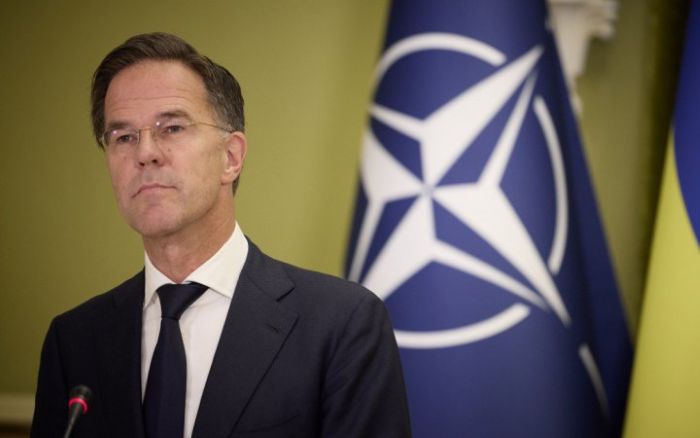
NATO Secretary General Mark Rutte is among those who understand that talks with the Russian side will not yield consistent results and are often not worth commenting on:
I have long stopped commenting on what Putin, Lavrov, Peskov say. I have met with all of them, even when I was PM of the Netherlands: let them say what they want, it is not always necessary to react, Rutte stated.
He also noted that NATO countries intend to spend €1 billion each month next year on purchasing weapons from the United States for Ukraine.
Rutte announced that more than 20 Alliance member states have already contributed to the purchase of American weapons under the PURL program.
However, discussions about a ceasefire negatively impact the willingness of some countries to participate in this initiative. According to Bloomberg, Italy currently considers participation in NATO’s PURL program “premature,” citing ongoing talks about a possible ceasefire.
Conclusion
Concessions of territory in favor of an aggressor are never a solution for achieving a real end to war. Russia continues to mislead the U.S. side by avoiding definitive commitments in negotiations, distorting the overall picture. The truth remains: Moscow will try to occupy as much Ukrainian territory as it can until it becomes economically or militarily exhausted.
European countries are more prepared to invest in defense than it was right after Trump came to power with his new views on war, including assistance to Ukraine. However, planning and decision-making must become firm and proactive now.