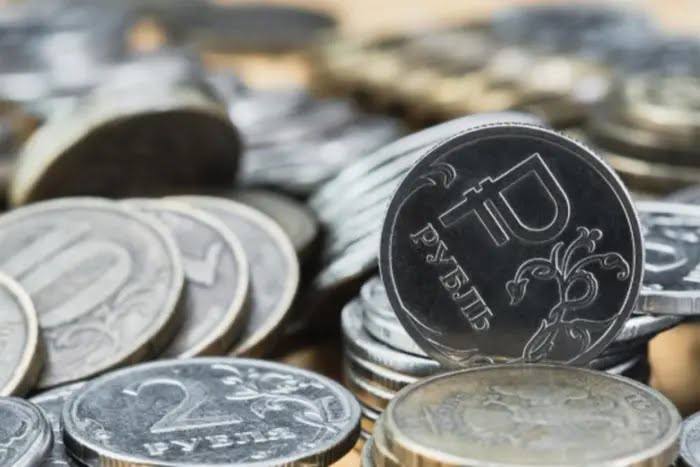


The Russian economy is facing its most challenging period since 2022, with the outlook for 2026 raising significant alarm among international analysts. After three years of massive military spending, plummeting oil revenues, and escalating sanctions, the Kremlin has effectively depleted the primary financial reserves that previously bolstered the budget and fueled growth. Structural shifts driven by the aggression against Ukraine have reoriented the economy toward military needs, leaving it highly vulnerable to external shocks and energy price volatility.
The Central Bank of Russia has been forced to push interest rates to record highs to curb inflation, a move that has only stifled credit access and slowed investment activity. Experts estimate that the drop in oil and gas revenues—the budget’s lifeblood—could lead to a severe deficit as early as the coming year. While some economists warn of a looming banking crisis, others point to a potential recession or even a systemic collapse in 2026. General macroeconomic indicators suggest that the positive factors previously sustaining the Russian economy have now largely vanished.
Sanctions and Oil: A Blow to Revenue
The primary driver of the current economic downturn is the combination of a sharp decline in energy export earnings and surging military expenditures. According to reporting by The Washington Post, the Kremlin has “burned through” most of its cash reserves and borrowing capacity that once financed the war and supported economic expansion.
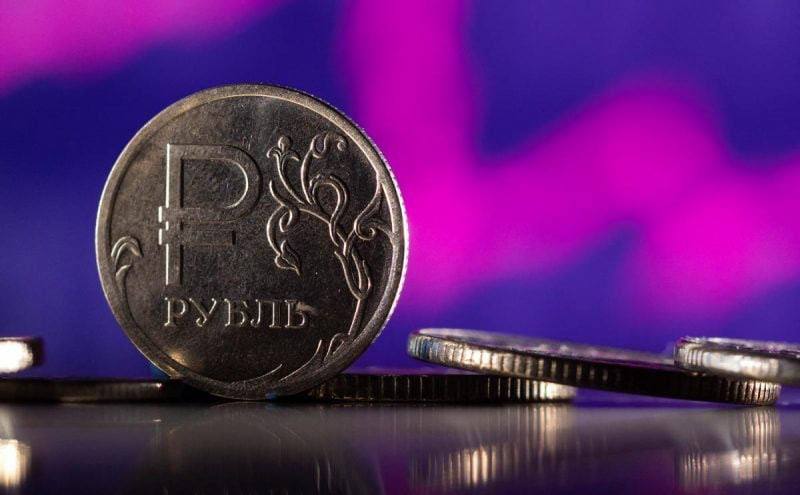
Sanctions—particularly those introduced in 2025 against major oil giants Rosneft and Lukoil—have forced Russia to sell its crude at significantly lower prices, with Urals trading at approximately $35 per barrel instead of the $69 projected in the budget. This has already resulted in a projected 49% drop in oil and gas revenues for December 2025 compared to the previous year. This rapid contraction of income is exacerbating the budget deficit amid the highest military spending in history.
“The Russian economy was benefiting from many positive factors like high global commodity prices and the spending-driven boom. And most of these factors have disappeared, and this is why Russia is right now in the worst situation since the war started,” said Janis Kluge, an economist at the German Institute for International and Security Affairs.
The situation is further complicated by the government’s need to raise interest rates to record levels of 20%+ to slow inflation, which has been driven up by the rising cost of imports and military outlays. Although the rate was recently adjusted down to 16%, it continues to exert heavy pressure on businesses and domestic demand.
An Economy Under Pressure
The consequences of the economic crisis are expanding beyond the budget, hitting the banking system and key industries. Massive corporate lending in the early years of the war created a debt “bubble,” much of which is hidden within the defense sector where regulations have been relaxed. While official data places the share of non-performing loans (NPLs) in the corporate sector near 5%, real figures could be significantly worse when factoring in defense enterprises.
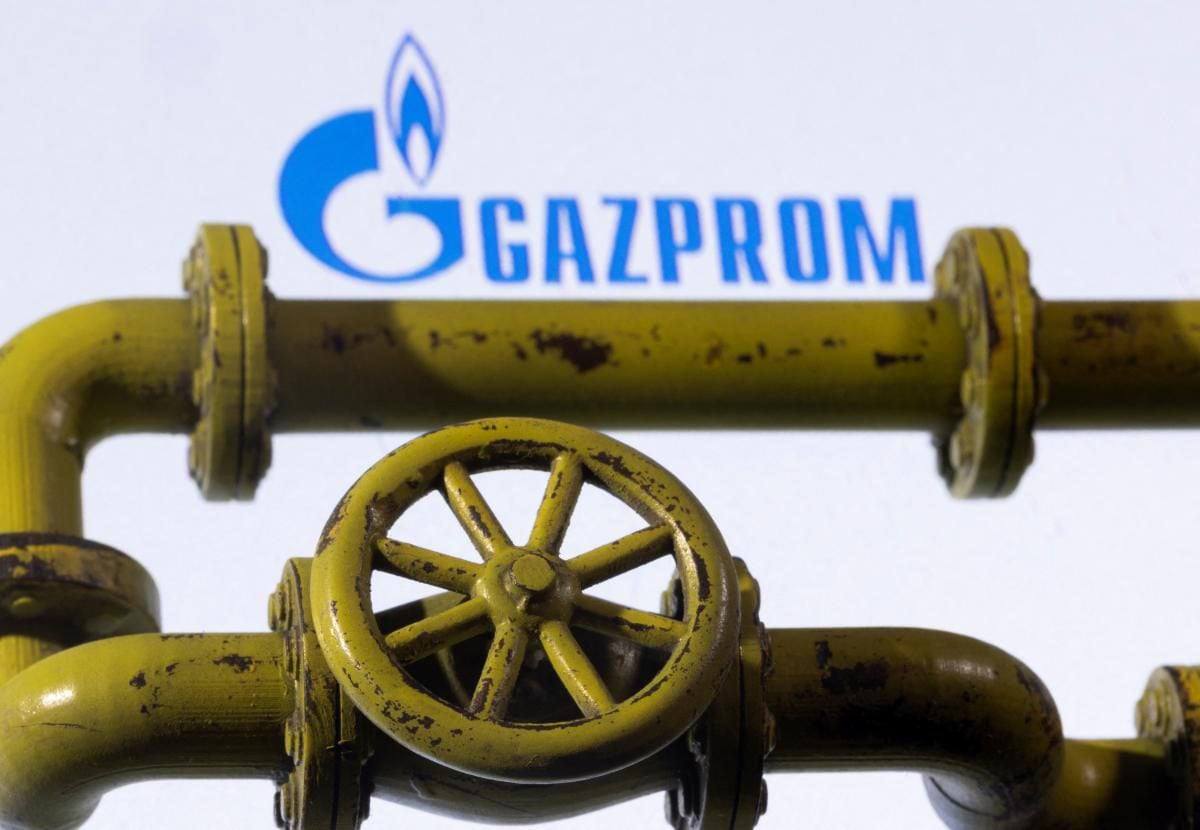
Furthermore, key energy companies are reporting massive losses. Gazprom alone reported a $12.9 billion net loss, seeing its cash reserves plummet from $27 billion to approximately $6–$8 billion. These trends heighten the risk of failure in the financial sector, including potential corporate defaults and a rise in non-payments.
Economic pressure is already being felt by ordinary citizens: income and consumer spending have declined, wage delays are becoming noticeable, and worker grievances are on the rise. Under these conditions, investment has nearly halted, production is contracting, and future growth is becoming increasingly unpredictable.
Conclusion
The current state of the Russian economy suggests there is no simple exit from the escalating crisis. The combination of depleted reserves, falling oil prices, harsh sanctions, high interest rates, and mounting corporate debt poses a severe threat of a systemic crisis in 2026. The budget deficit is likely to continue growing, while pressure on banks and industry intensifies.
While the government may still utilize certain tax and budgetary tools to soften the blow, these measures are unlikely to alleviate fundamental structural issues. Consequently, the prospects for economic growth remain bleak, and the risk of a deep recession is very real. Ultimately, without radical policy changes, the economic model that sustained the regime in recent years may not survive another year of such strain.