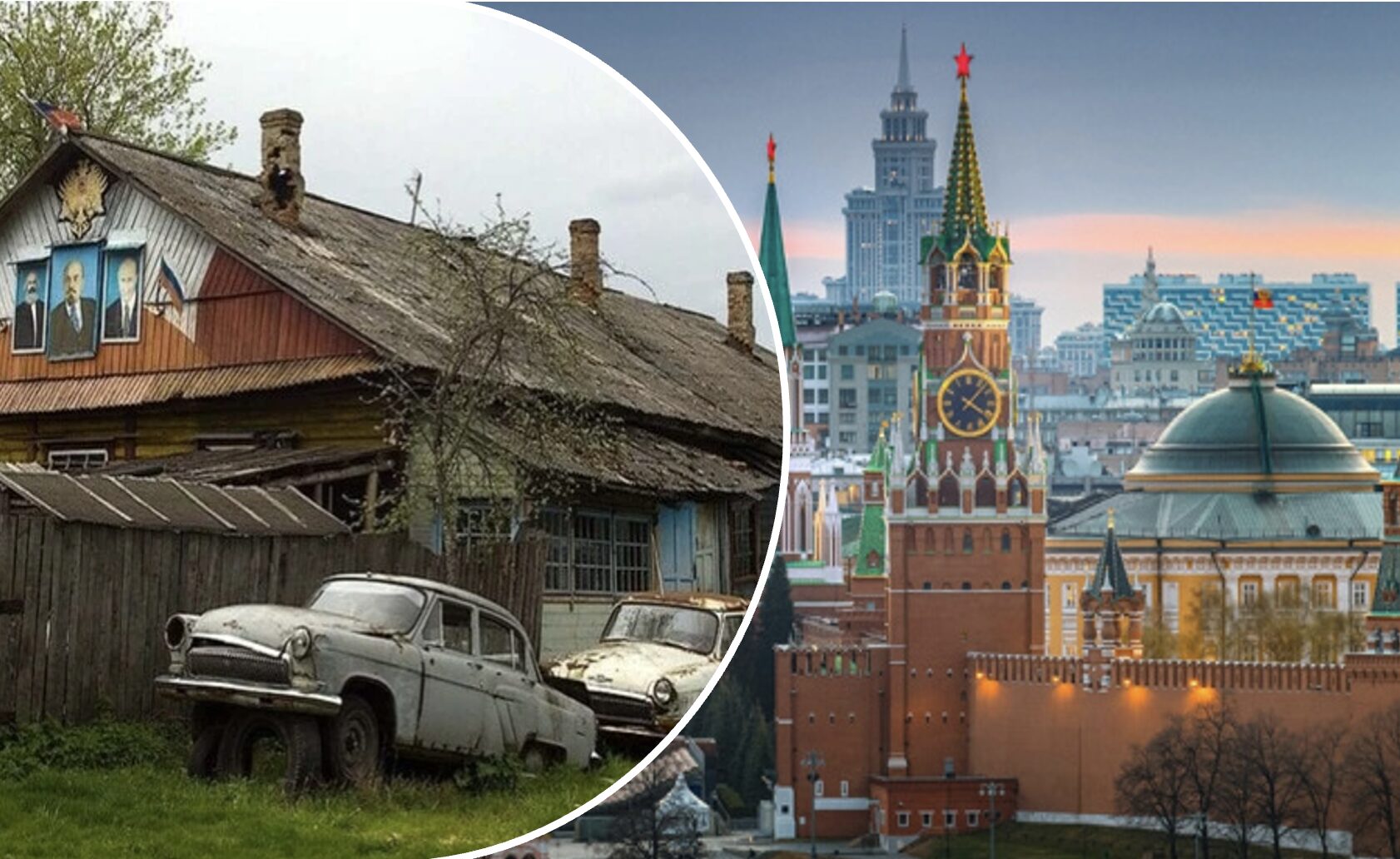


In 2025 alone, at least 266 settlements were officially abolished in Russia. This was reported by Ukraine’s Foreign Intelligence Service, which described the process as another stage in the systemic decline of Russia’s rural regions.
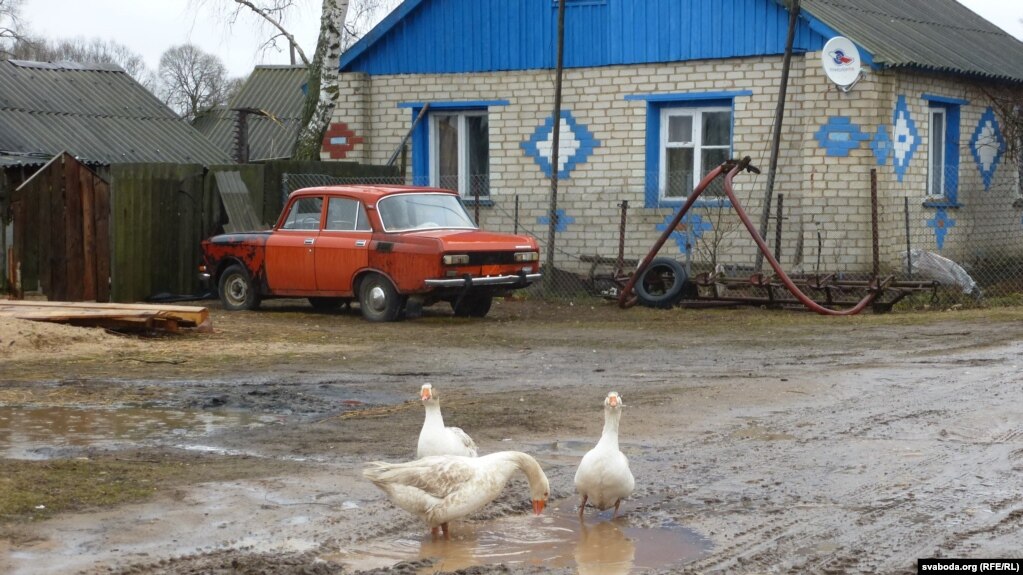
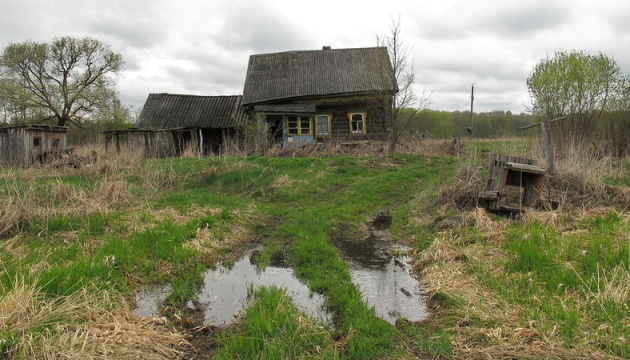
Most of these were villages where life had effectively ended long before the decisions appeared in official documents. Once again, the Kostroma region topped the list of “disappearances,” followed by the Novgorod region. Together, these two areas accounted for around three quarters of all abolished settlements. The Perm region came third. There, according to the Foreign Intelligence Service, the authorities are no longer just recording the death of villages but are deliberately resettling remote communities with only a few dozen residents.
Losses Instead of Development
Formally, villages are merged into larger settlements or their land is reassigned for economic use. De jure, these are administrative decisions. In practice, however, this looks like the legalisation of decline. Infrastructure gaps are closed on paper rather than in real life: schools, hospitals and jobs do not return to these places.
This process stands in sharp contrast to Moscow’s earlier public promises to “revive” the provinces.Shortly before, Ukraine’s Foreign Intelligence Service also highlighted Russia’s development of the new General Settlement Scheme. Although Russia presents it as a strategic document, it mainly reflects the depth of the country’s demographic crisis.
Plan Without People
The scheme focuses on individual housing construction and the supposed “revival” of abandoned villages. But, as noted in the intelligence materials, it is hard to imagine real demand for living in settlements with 10–15 residents and no access to healthcare, education or basic services. The declared goal of “redistributing the population” in central Russia and the north-west appears to be an attempt to soften the effects of resource concentration in major cities—Moscow and St Petersburg—a problem largely created by the state itself.
The issue of jobs remains unresolved. Without large numbers of well-paid positions, no level of transport connectivity can compete with major urban agglomerations.

Conclusions
Overall, the picture is quite clear. Russia is rapidly emptying beyond a handful of large centres. Villages have not disappeared overnight. They have been fading away for years. Now the state is simply putting a formal full stop to this process.
This trend is likely being reinforced by the war. Mobilisation, casualties and the outflow of working-age people are further draining rural areas that were already on the edge of survival.
Against this backdrop, loud development programmes and so-called “growth axes” remain largely declarative. Depopulation, spatial inequality and the decline of the periphery continue to deepen. This no longer looks like a temporary problem, but a long-term trend that administrative measures alone cannot reverse.