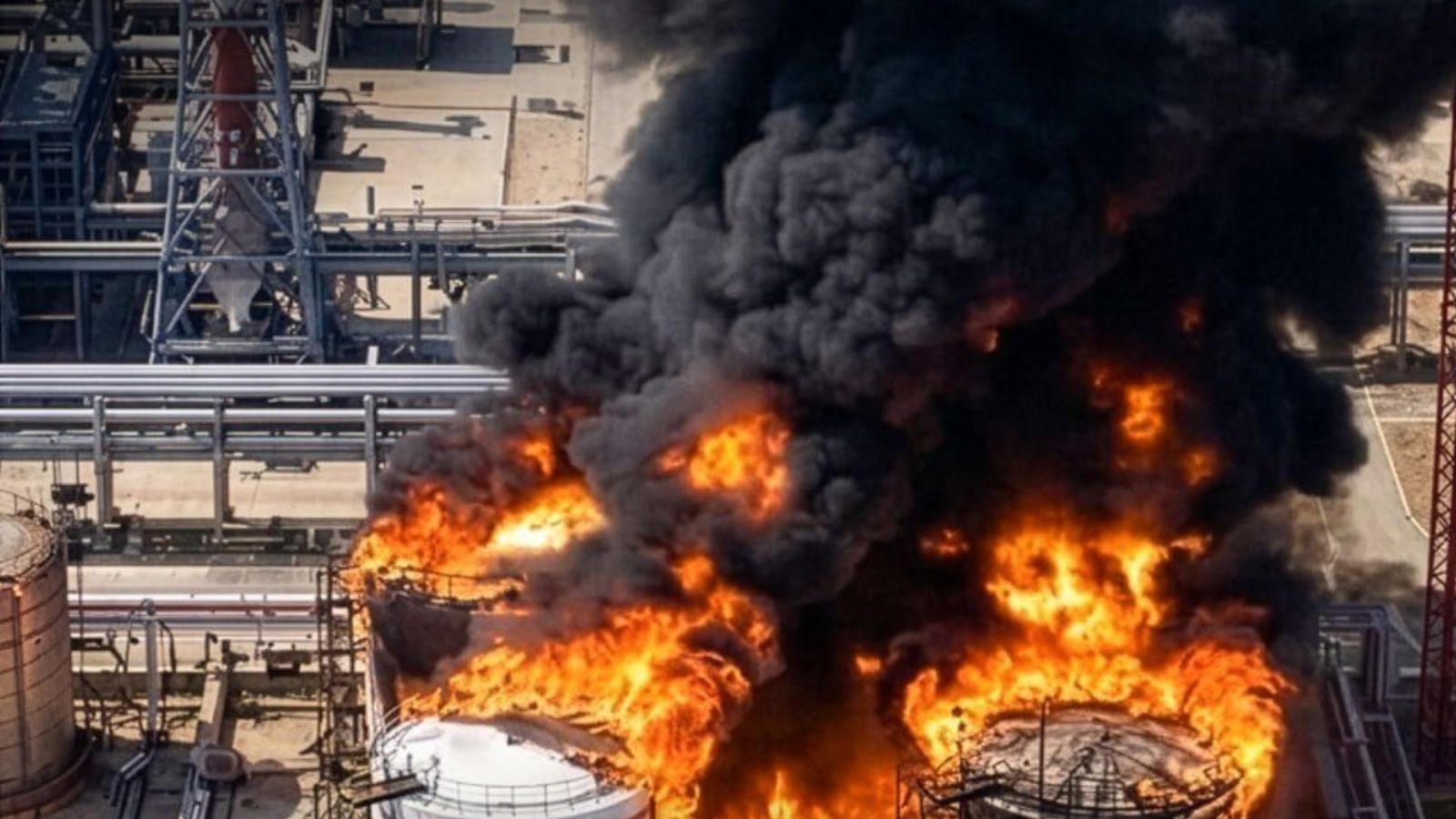
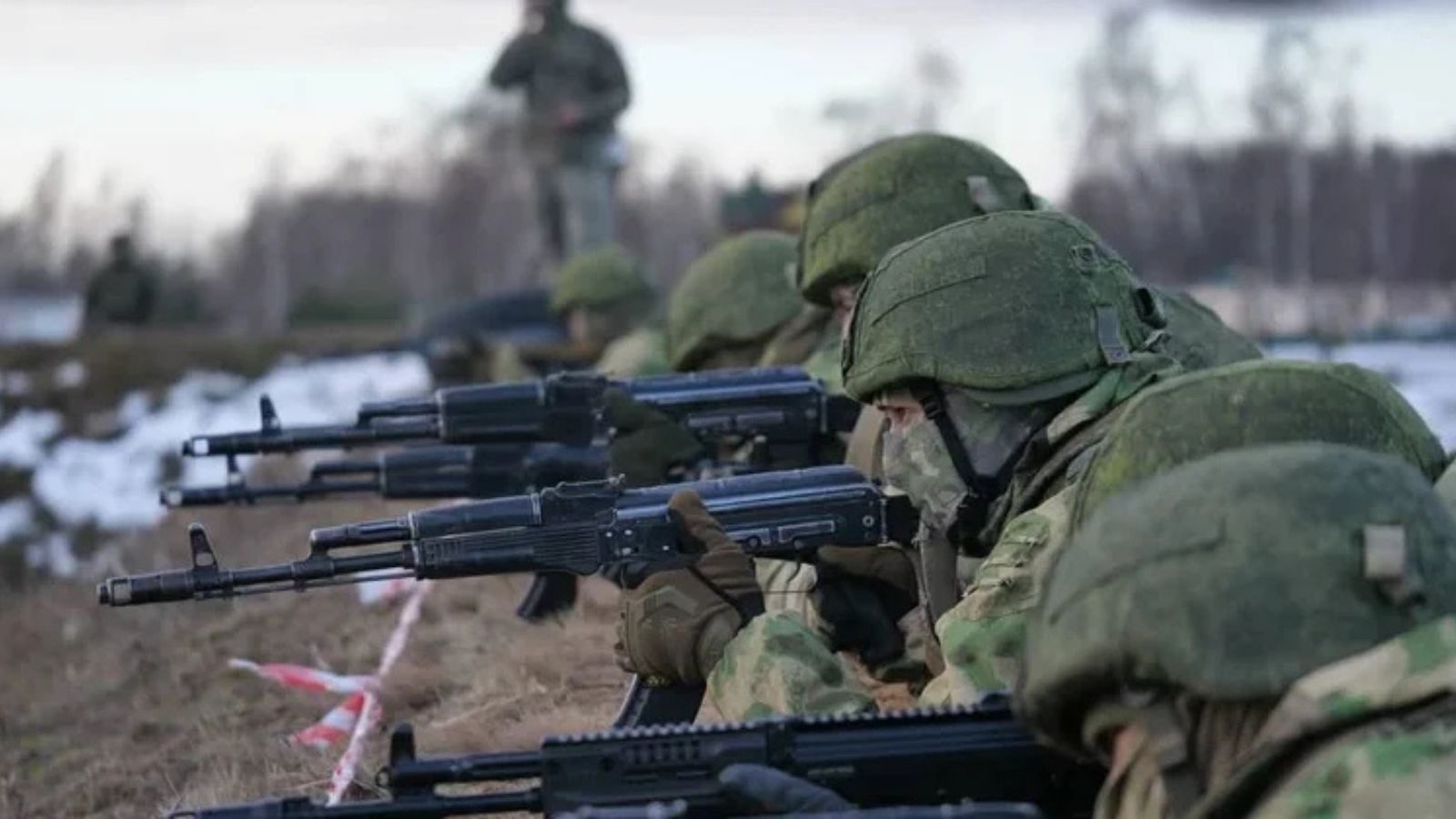


The Leningrad region of the Russian Federation is mobilizing reservists to protect strategic sites from persistent drone attacks. Governor Alexander Drozdenko announced the formation of mobile fire groups to defend critical infrastructure, including ports and oil terminals. Reservists will combine their civilian employment at industrial enterprises with military service to guard facilities in the deep rear.
The Institute for the Study of War (ISW) reported that these measures respond to the region’s new status as a “front-line” zone.
Local authorities plan to sign three-year contracts with citizens, requiring them to stay in military barracks for up to six months. On the night of April 17 alone, Russian forces reportedly neutralized 12 Ukrainian drones over the region.
ISW position and Lavrov’s threats
Strikes by the Ukrainian Defense Forces on Russian rear regions force the aggressor to spend scarce resources on internal defense. According to an analysis by ISW dated April 17, involving reservists in the Leningrad region represents an “unpopular decision.” These steps indicate the inability of existing air defense systems to fully protect critical facilities from Ukrainian weaponry. Russian regional officials are now forced to acknowledge the impact of long-range strikes.
In response to increasing pressure, Russian Foreign Minister Sergey Lavrov issued a warning to the West regarding Russia’s “red lines.” He emphasized that Russian patience has limits, cautioning against underestimating Moscow’s resolve.
“Perhaps some call us a paper tiger, but I would caution against such parallels. We do have a quality in our character called patience. We say, ‘God endured, and so did we.’ But at some point, patience wears thin,” Lavrov emphasized.
He added that no one truly understands where the final red line is drawn.
Analysts note that since March 2026, Ukraine has significantly increased attacks on Russian energy logistics. This strategy significantly reduces the enemy’s ability to export oil and finance the full-scale war. The Russian Ministry of Defense announced plans to create an active reserve in October 2025, but real deployment only began after significant losses in the rear.
“Ukrainian strikes are likely forcing Russia to deploy more resources to protect critical infrastructure in the Russian rear, which could prevent Russia from deploying these resources, including reservists, to the front line in Ukraine in the future,” ISW concluded.
Previously, The Ukrainian Review reported that Russia publishes a list of “targets” in Europe over drones for Ukraine.