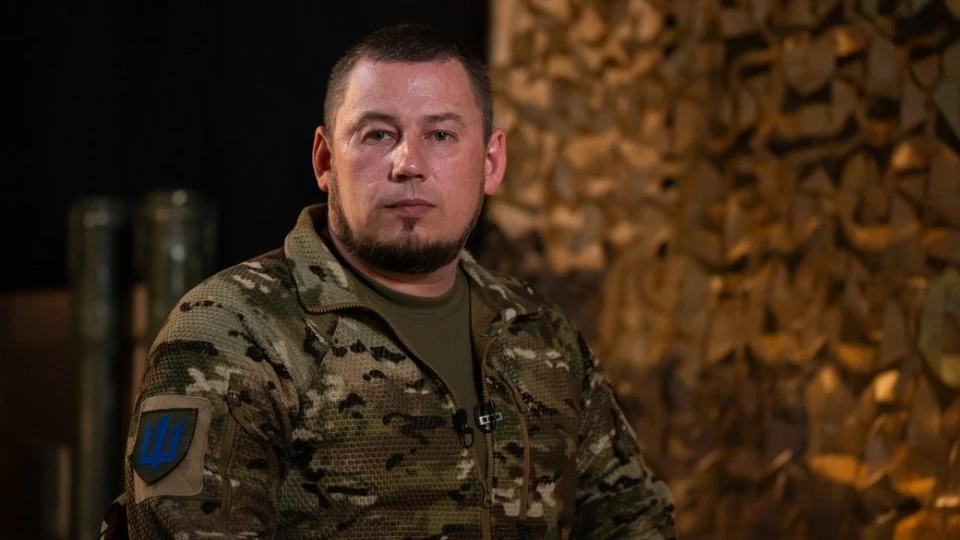


Deputy Head of the Presidential Office, Brigadier General Pavlo Palisa, outlined Russia’s latest plans in the war against Ukraine, the situation on the front, changes in attack tactics, and mobilization processes in Russia.
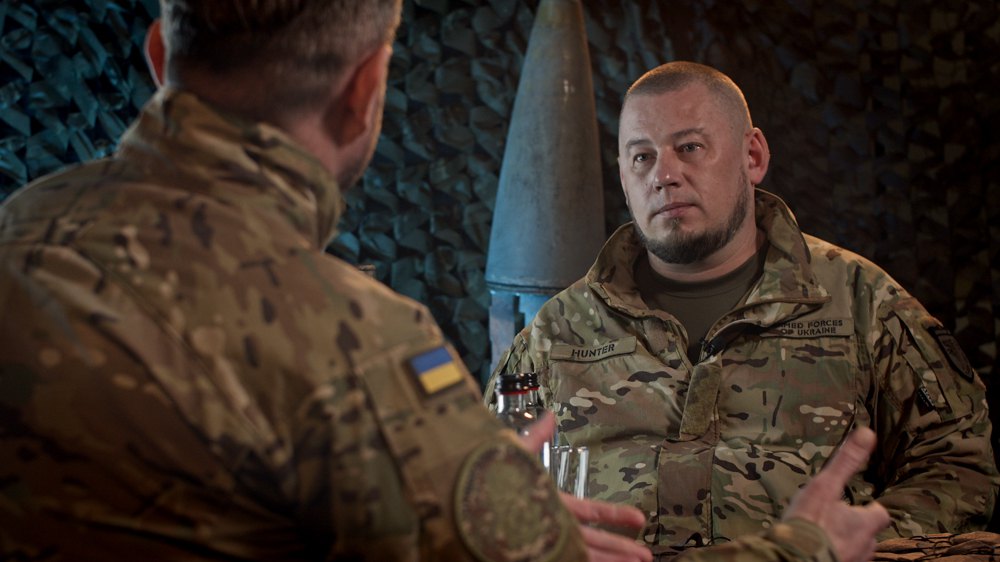
He shared the details in an interview with RBC-Ukraine.
Russia considers new buffer zones, including Vinnytsia region
According to Palisa, Russian forces are for the first time considering the possibility of creating a buffer zone in Vinnytsia Oblast from the side of Transnistria.
At the same time, he stressed that Russia currently lacks sufficient forces to implement these plans, so there are no grounds for panic.
Russia’s main focus this year remains the Donbas. Under favorable conditions, Russian troops may also intensify activity in the south, particularly in Zaporizhzhia Oblast.
In addition, Moscow continues to pursue buffer zones in Kharkiv Oblast, Sumy Oblast, and Chernihiv Oblast, as well as attempts to advance southward with the aim of reaching Mykolaiv Oblast and Odesa Oblast.
Russian losses in Donbas surge
Palisa said Russian losses in Donbas increased significantly in the first quarter of 2026.
In particular, for every square kilometer captured in Donetsk Oblast, Russia suffers 316 killed and wounded soldiers. For comparison, last year this figure stood at around 120.
Overall, average Russian losses along the front line have nearly tripled.
Despite this, Russian advances remain minimal, and claims about a rapid reach to the administrative borders of Donetsk Oblast are “detached from reality,” the general said.
Ukraine leads in drone warfare
Palisa noted that Ukraine’s Defense Forces currently hold an advantage in the use of strike drones.
According to him, the ratio stands at approximately 1.3 to 1 in Ukraine’s favor. Ukrainian forces also make more active use of fiber-optic drones.
He emphasized that the advantage is not only quantitative but also qualitative, as Ukraine has significantly boosted its technological capabilities, helping offset Russia’s numerical superiority.
At the same time, Russian forces can still create local advantages in certain sections of the front.
Russia shifts tactics, increases daytime strikes
According to Pavlo Palisa, Russian forces have begun combining nighttime attacks with daytime strikes to increase pressure on civilians.
Daytime attacks, in particular, aim to disrupt economic activity and business operations.
Russia is also adjusting target priorities, potentially focusing on energy, water supply, and transport infrastructure.
Additionally, due to limited capacity to launch large numbers of drones simultaneously, Russian forces are stretching attacks over the course of a day.
Hidden mobilization continues in Russia
Palisa said Russia continues its covert mobilization, steadily recruiting reservists and specialized personnel.
However, the Kremlin lacks a key element to launch an open mass mobilization like in 2022 – a unifying idea capable of mobilizing society.
He added that tighter control over social media reflects efforts by Russian authorities to maintain stricter internal control.
Context
In March 2026, Russian forces failed to achieve territorial gains in Ukraine for the first time in more than two and a half years, according to Agence France-Presse, citing data from the Institute for the Study of War.
Earlier, The Ukrainian Review reported that Volodymyr Zelenskyy said at the Bucha Summit 2026 that Russia aims to seize Donbas within two months while increasing pressure on the United States.