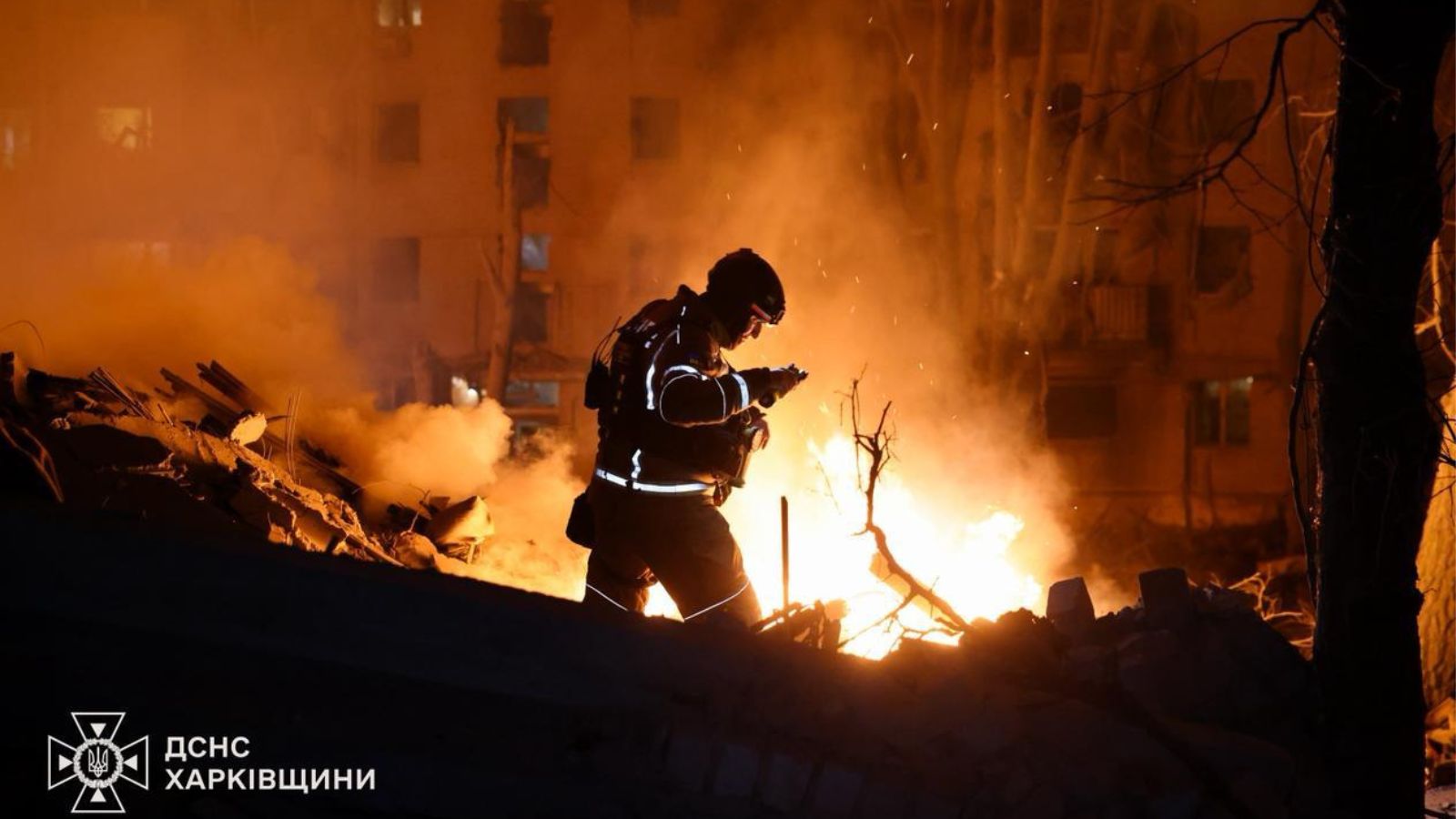


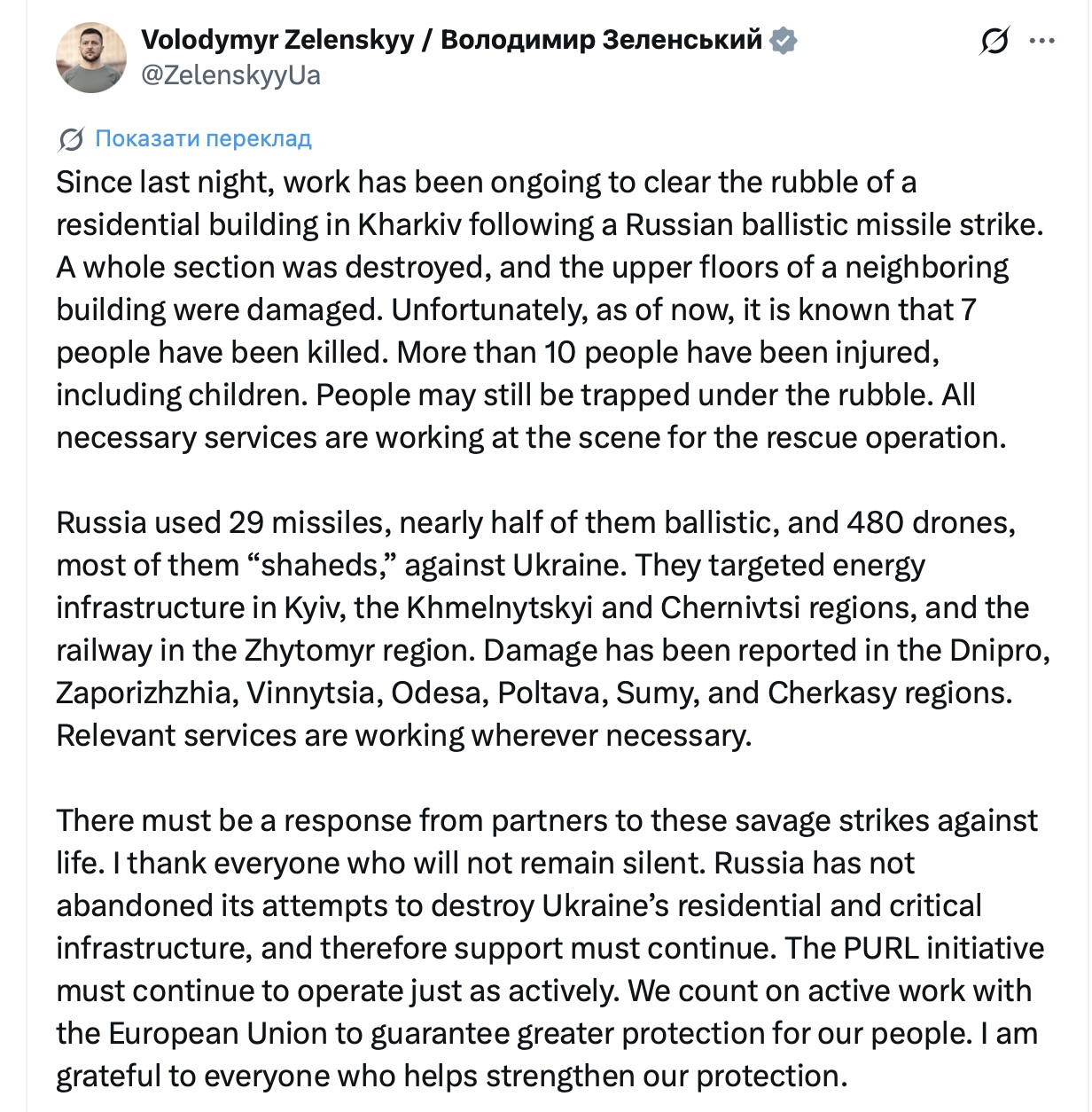
On the night of March 7, Russian forces executed a large-scale combined assault on Ukraine’s civilian and critical infrastructure. The occupiers deployed over 500 aerial weapons, including ballistic missiles and strike drones. The enemy deliberately targeted energy and railway systems in ten regions. The most severe destruction occurred in Kharkiv, where a Russian missile struck a residential high-rise building.

Ukrainian President Volodymyr Zelenskyy reported this via his official channels. According to the Air Force, radar units recorded 509 targets. These included two Zircon hypersonic missiles, 13 Iskander-M ballistic missiles, and 480 strike drones. Ukrainian air defense units successfully intercepted or suppressed 472 targets, though hits were confirmed at 22 locations.
The tragedy in Kharkiv
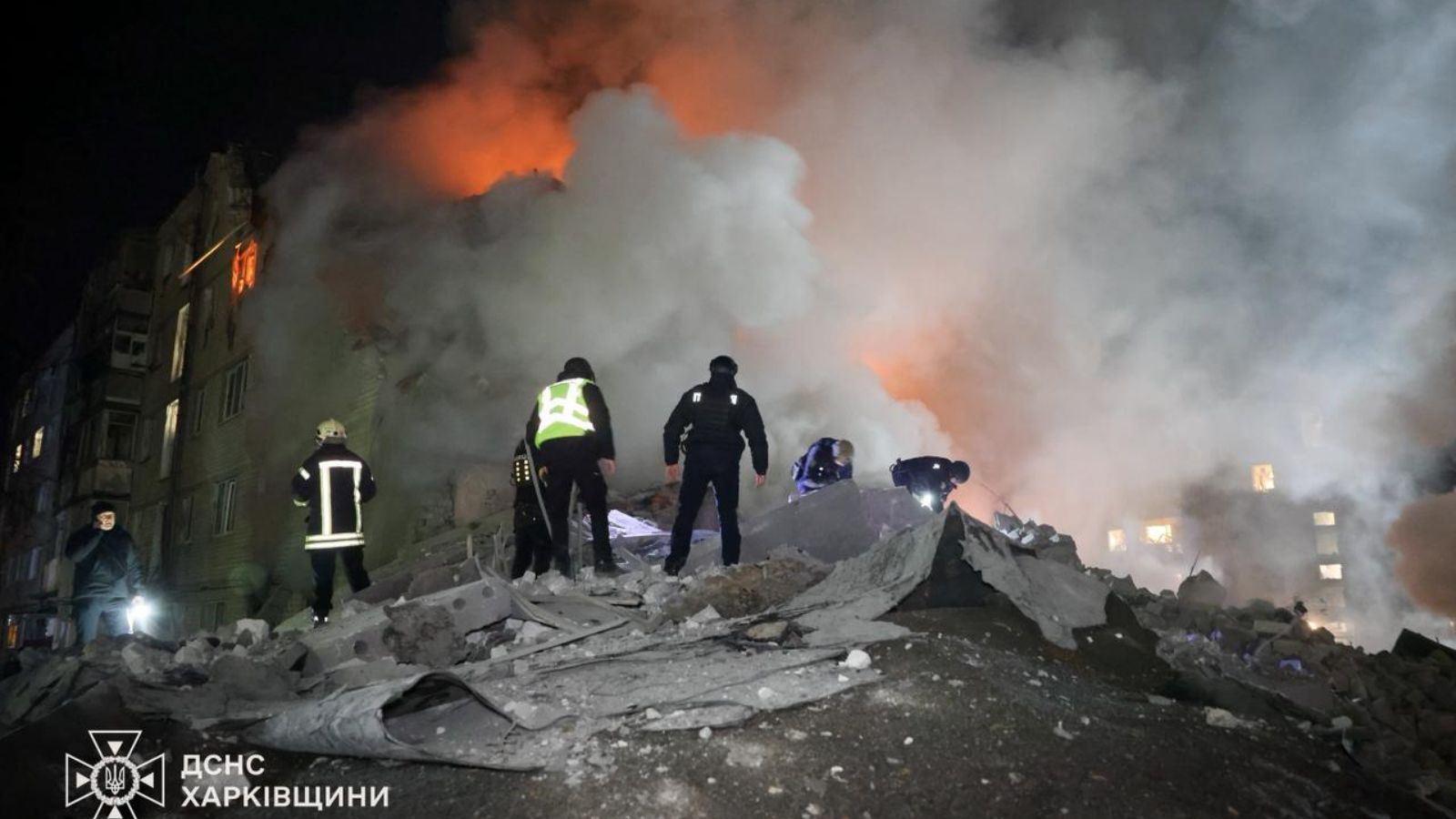
A Russian ballistic missile struck a residential high-rise building in the Kyivskyi district of Kharkiv. The impact completely destroyed an entire section from the first to the fifth floors. Mayor Ihor Terekhov stated that dozens of people were trapped under the debris. Currently, officials confirmed seven deaths, including two children.
The victims include a primary school teacher and her young son, a second-grade student. Rescuers also recovered the bodies of an eighth-grader and a 13-year-old girl. At least ten people were injured, including children aged 6 and 11. The blast also damaged an adjacent building. The city council declared March 9 a day of mourning for the victims.
Regional impact of the strikes
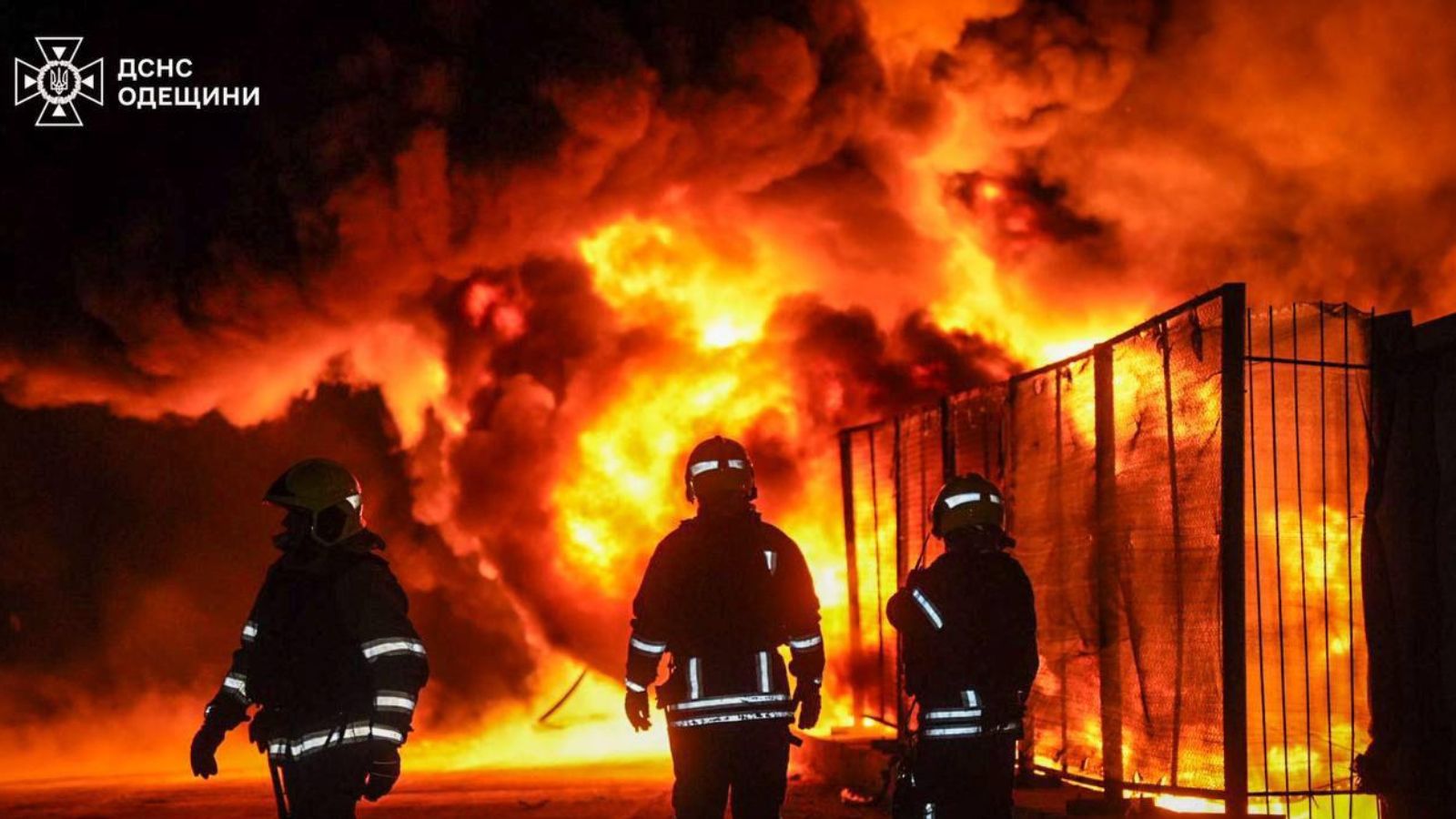
Russian troops targeted energy and infrastructure sites throughout the country. In the Odesa region, the enemy hit a port area, causing fires at vegetable oil and grain storage warehouses. In Zaporizhzhia, the blast wave damaged three high-rise buildings and three private houses. A three-month-old child was injured as a result of the attack.
In the Khmelnytskyi region, occupiers attacked a railway station in the Shepetivka district. This caused significant power outages across the region. In the Chernivtsi region, Russian forces attempted to destroy the Dniester Hydroelectric Station in Novodnistrovsk. Damage to energy and railway infrastructure was also reported in Vinnytsia, Zhytomyr, and Chernihiv. In Kramatorsk, aerial bombs damaged 12 high-rise buildings and injured several children.
Reaction of the Ukrainian authorities
President Volodymyr Zelenskyy emphasized that Russia continues its attempts to destroy vital infrastructure. He urged EU partners to increase air defense support through the PURL program. The Head of State stressed that every such attack requires a decisive response from the international community.
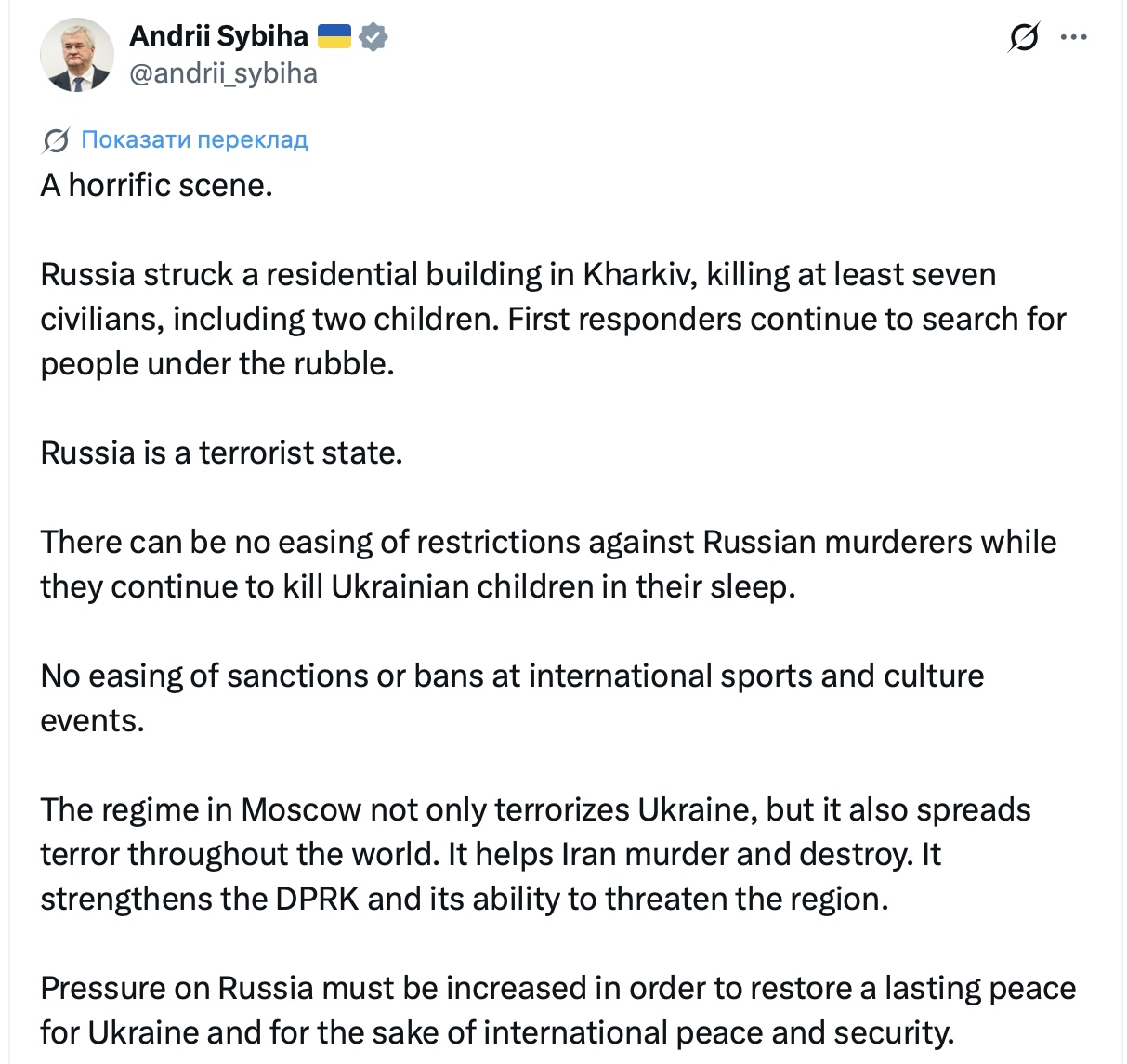
Foreign Minister Andrii Sybiha described the scene as horrific and called for increased pressure on the aggressor. He stated that there can be no easing of restrictions against Russian murderers. According to the minister, the Moscow regime spreads terror worldwide by assisting Iran and North Korea. Sybiha insists on Russia’s complete isolation in international sports and culture until peace is restored.
Previously, The Ukrainian Review reported that Russian forces attacked Ukraine with drones, resulting in civilian casualties.