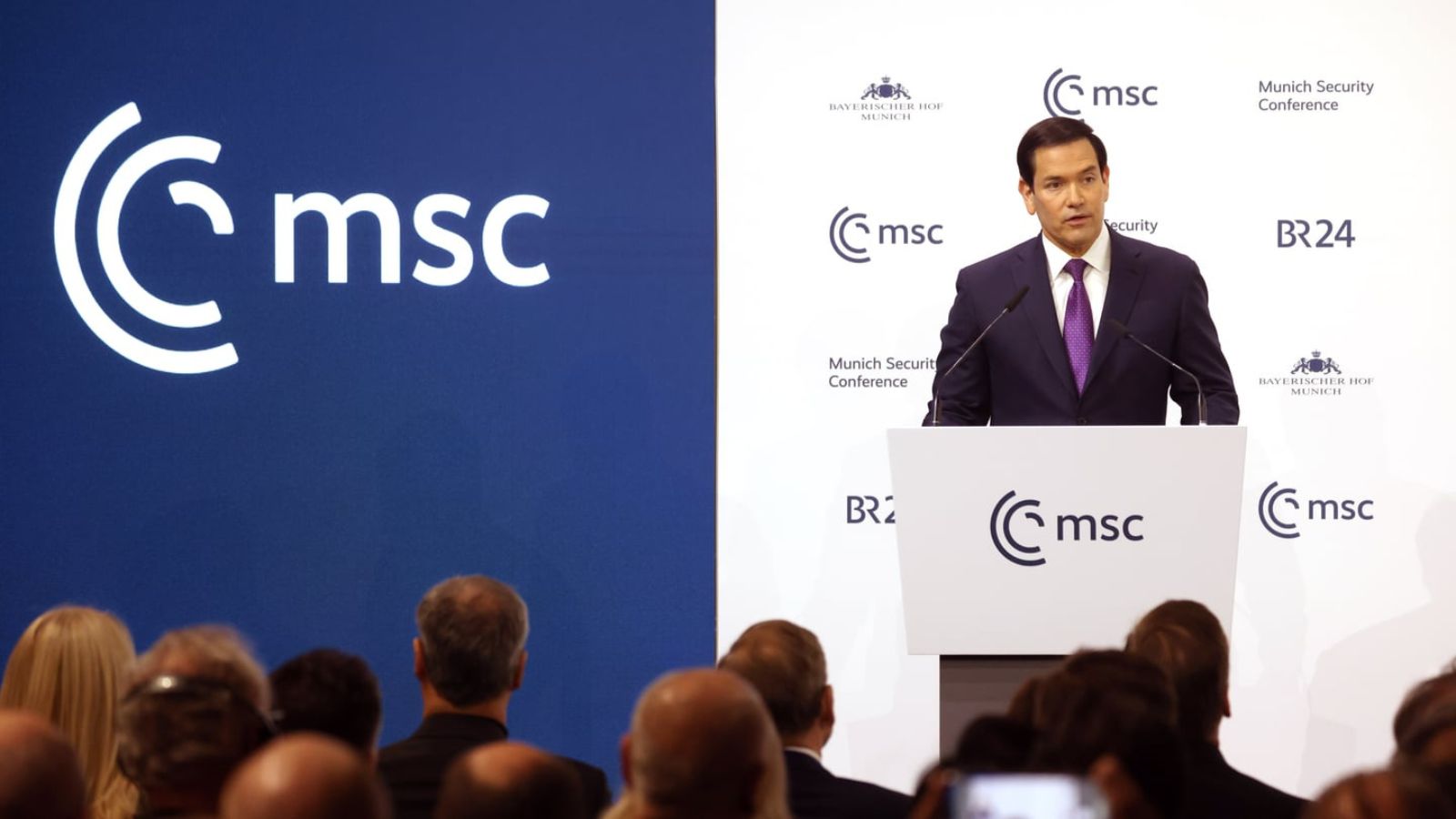


US Secretary of State Marco Rubio addressed the annual Munich Security Conference to calm European fears. He spoke about the “unbreakable bond” between Washington and Europe. However, EU leaders remain deeply skeptical about the stability of relations during Donald Trump’s second term. Despite the polite rhetoric, European officials are preparing for further shifts in American foreign policy.
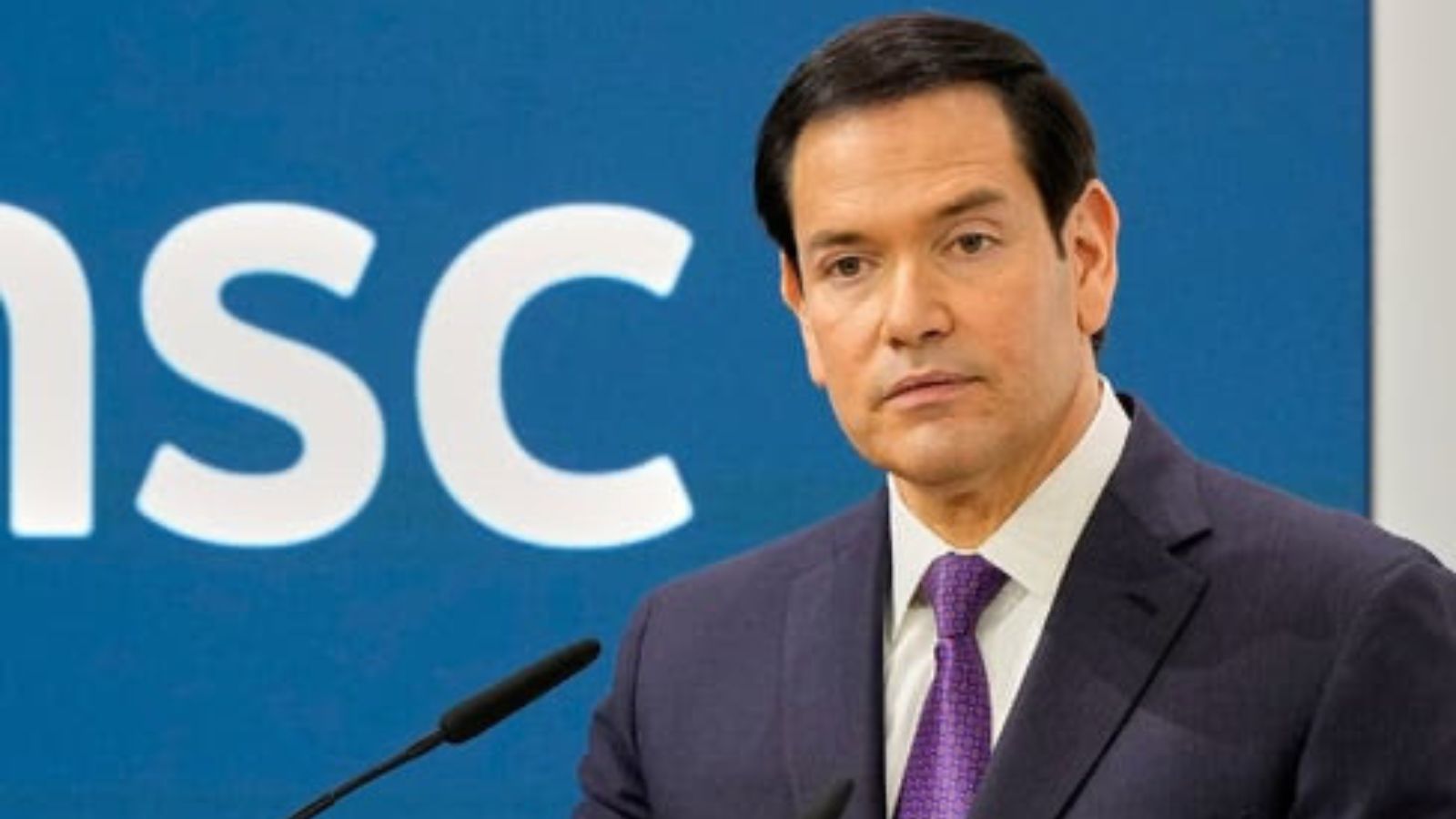
The Financial Times reports that Rubio called America a “child of Europe” and highlighted shared historical roots.
“We will always be the children of Europe,” he said.
Nevertheless, the audience responded with polite applause instead of genuine enthusiasm. For many, the speech provided temporary relief but did not restore trust. The first year of the current US administration has triggered a significant crisis in allied relations.
European leaders’ reaction
European Commission President Ursula von der Leyen stated that Europe has undergone “shock therapy.” She emphasized that certain boundaries in the relationship with the US have been crossed permanently. While Rubio’s tone was softer than JD Vance’s aggressive remarks last year, the core message remains the same. Washington continues to criticize European energy policies and the approach to migration.
German Chancellor Friedrich Merz urged Europe to seek greater strategic autonomy. Berlin is now discussing a potential nuclear deterrent partnership with France. This move signals a growing fear that the US might scale back its NATO commitments. Meanwhile, NATO Secretary General Mark Rutte tried to downplay tensions. He asked allies to understand Washington’s global interests after Rubio skipped a meeting on Ukraine.
The White House’s approach to ending the war remains a major point of contention. Trump demands concessions from Kyiv, while European capitals insist on increasing pressure on Moscow. EU leaders believe Vladimir Putin will only stop if Ukraine receives sufficient military support. Consequently, European states are actively debating nuclear rearmament to protect their democratic foundations.
Earlier, The Ukrainian Review reported that the US administration is not certain of Russia’s sincerity regarding ending the full-scale war against Ukraine.