

A sociological survey conducted by the Razumkov Centre earlier last year revealed that 61% of Ukrainians trust in the Church. This level of confidence in the Ukrainian Orthodox Church surpasses that in the National Police and NGOs, highlighting the significant role religious institutions play in Ukrainian public life. However, compared to previous surveys by the Razumkov Centre, the level of trust in the Church has seen a slight decline.
After the start of Russia’s full-scale war against Ukraine, the number of those who consider themselves loyal to the UOC-MP has significantly decreased (from 13% in 2021 to 6% in 2023).
In recent years, the proportion of those identifying as ‘simply Orthodox’ has also seen a significant decline, decreasing from 27% in 2020 to 22% in 2021, 19% in 2022, and 13% in 2023. In 2023, the largest share of Orthodox Church of Ukraine (OCU) believers was found in the Central region (52%). In the South, this figure stands at 40%, in the West at 36.5%, and in the East at 31%.
The faithful of the Ukrainian Orthodox Church – Moscow Patriarchate (UOC-MP) make up 4% of all respondents in the Western and Central regions, 8% in the Eastern region, and 11% in the Southern region. The lowest number of those identifying as ‘just Orthodox’ is in the Western region (4%), while in other regions, this group constitutes 15-16%.
Over the decades, a unique religious landscape has emerged in Ukraine, fundamentally different from Russia’s. A key feature of this landscape is the diversity and dense network of religious organizations. According to the Department for Religious and Nationality Affairs, under the Ministry of Culture of Ukraine, there were 35,646 religious organizations officially registered in Ukraine at the beginning of 2014. In contrast, the Russian Federation, which is approximately 30 times larger, had 29,831 active religious organizations.
Even after the occupation of parts of Ukraine’s territory, the number of religious organizations in the Russian Federation has yet to reach the level seen in Ukraine. This underscores the distinct and vibrant religious diversity that characterizes Ukrainian society. In particular, according to the State Service of Ukraine for Ethnic Policy and Freedom of Conscience, as of January 1, 2021, there were 37,049 religious organizations in Ukraine. Of these, 35 453 were communities, with the rest being spiritual administrations, monasteries, and other types of organizations. At the same time, 31,598 religious organizations were registered in Russia, including those in the temporarily occupied Ukrainian Crimea.
It’s important to note that in Ukraine, religious organizations can operate without registration. However, even when comparing only the number of registered communities, Ukraine has 35,372, which is several thousand more than Russia, despite Russia having nearly four times the population. This comparison highlights the dense and active nature of religious communities within Ukraine.
To understand the specifics of the religious situation in Ukraine, it is important to note that no single church has become a monopolist. Unlike the Russian Orthodox Church (ROC), which has accumulated more than half of all religious organizations in Russia and enjoys a privileged status in its interactions with state authorities, Ukraine’s religious landscape is characterized by its pluralism. This diversity ensures that no single religious organization holds a dominant position or monopolistic influence over the country’s religious life and its relationship with the government.
In contrast, the Russian Federation is witnessing the formation of a rigid hierarchical model of church-state relations, including restrictions on religious freedom and even bans on the activities of some religious communities on the grounds of extremism. In Ukraine, the principles of freedom of conscience and pluralism in religious life are maintained even during martial law. Moreover, during times of war, pluralism has become a key factor in community resilience, evidenced by numerous instances of mutual support between representatives of different religious organizations.
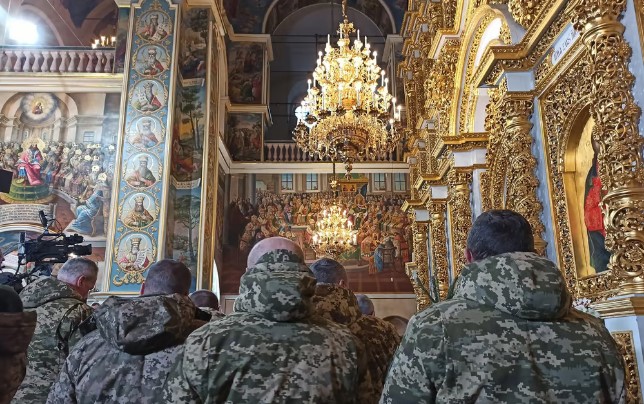
However, numerous missile attacks on religious buildings, their shelling, and their capture by the military of the aggressor country have severely impacted the ability of people, especially in regions with active hostilities, to safely and freely practice their religion. The restriction of religious freedom in Ukraine, particularly in the territories temporarily occupied by the Russian Federation, is not only a violation of international humanitarian law but also an attack on the Ukrainian way of life. This represents a kind of war against a civilized social order, targeting the fundamental freedoms and societal structures that underpin Ukrainian society.
The great war significantly intensified Russian terror against religious organisations
Since the beginning of the full-scale invasion in 2022, Russia’s terror against Ukrainian clergy, religious centers, and churchgoers has intensified. The situation for churches and other religious communities has significantly deteriorated, with almost all religious communities in the temporarily occupied territories of Ukraine facing repression. Churches in these areas have found themselves directly confronted by the Russian military.
The charges levied against them include cooperation with the Security Service of Ukraine, possession of weapons, transportation of explosives, and calls for armed uprising against the occupation authorities. This escalation of aggression against religious institutions represents a grave violation of human rights and religious freedoms, further exacerbating the already dire situation in the region.
Despite statements from the leadership of the Russian Orthodox Church, Russian troops are damaging and destroying Ukrainian churches, including those recognized as canonical by Russians, often perpetrated by the Russian military themselves. According to the Religion on Fire project, during the 330 days of the full-scale Russian invasion, at least 530 religious buildings, including churches, mosques, synagogues, and chapels, were damaged.
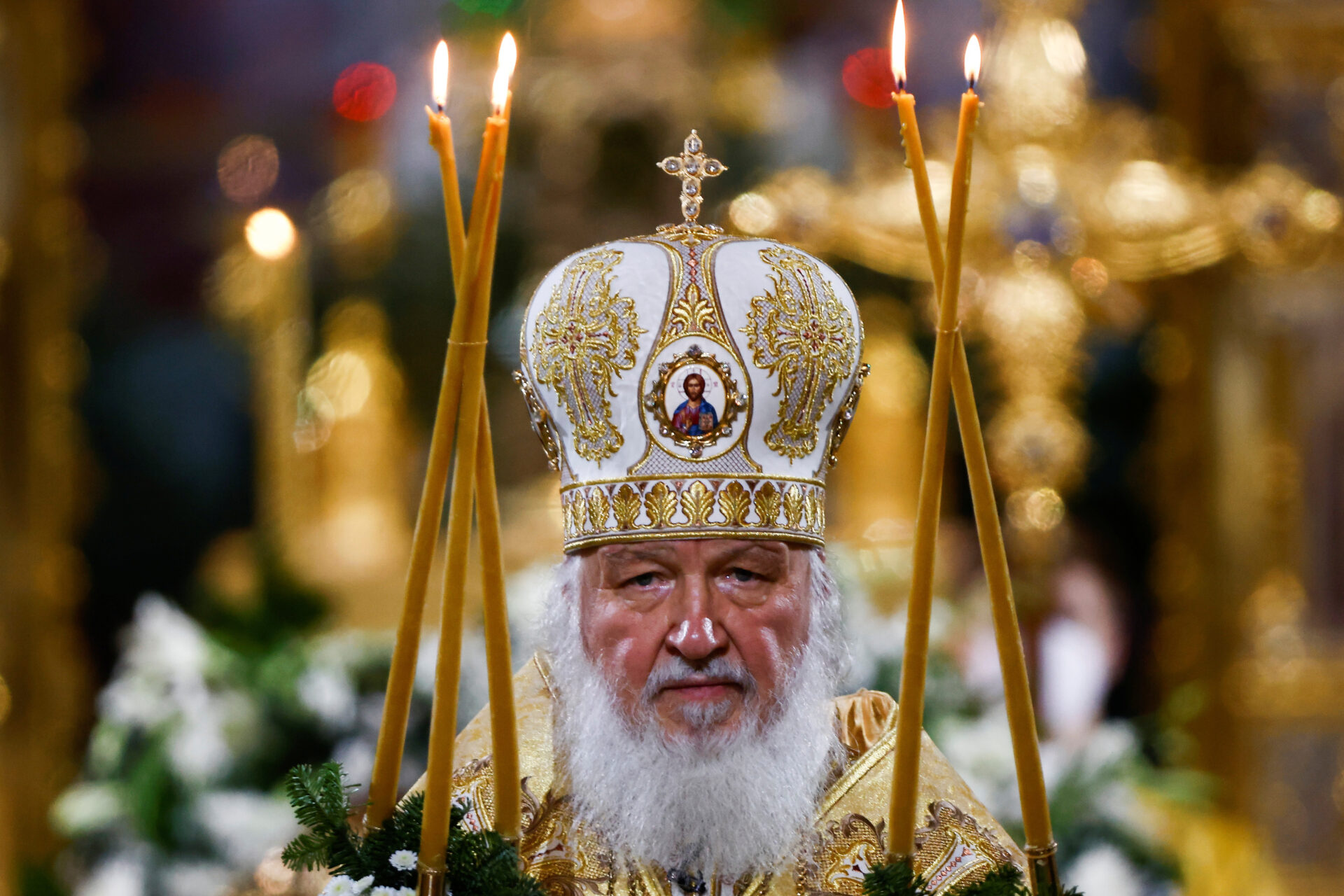
Of these, half belong to the Ukrainian Orthodox Church, which remains in unity with the Moscow Patriarchate. It’s noteworthy that during their services, they still mention the name of one of the ideologues of the so-called “Svoboda” – Patriarch Kirill, whom they remember in prayers as “our great Lord and Father”. This stark reality underscores the indiscriminate destruction of religious sites and the deep-seated tensions within the religious landscape of Ukraine, exacerbated by the ongoing conflict.
Almost a quarter of the churches damaged by the occupiers are now rendered unusable, having suffered significant damage or complete destruction. Of the 530 buildings affected, 9% have been completely destroyed, and 16% have sustained damage so severe that restoration is deemed impossible.
The highest number of damaged religious buildings is reported in the Donetsk region, with 102 affected. Following closely behind, the Kyiv region reported 81 damaged buildings, while the Luhansk region recorded 62 instances. Additionally, the Kharkiv region reported 61 affected buildings, the Kherson region 56, and the Zaporizhzhia region 32. Furthermore, dozens of religious buildings were damaged in the Sumy, Chernihiv, Mykolaiv, and Dnipro regions, illustrating the widespread impact of the conflict on religious infrastructure throughout Ukraine.
Russia labels Ukrainian evangelical churches as “American agents”
Another factor in the infringement of religious freedom under Russian occupation is the use of the Ukrainian language during worship.
There have been instances where Russian special services have attended religious services or sent visible observers to monitor the congregations.
Repression against all religious minorities, reminiscent of Soviet times, has returned to the Ukrainian territories temporarily occupied by Russia. Ukrainian Evangelical churches are particularly affected by this persecution. They are branded by Russian propaganda as “American agents”, “sectarians”, or “extremists”. This targeted repression highlights the broader strategy of the Russian authorities to suppress any form of religious or cultural expression that does not align with their own narrative and control.
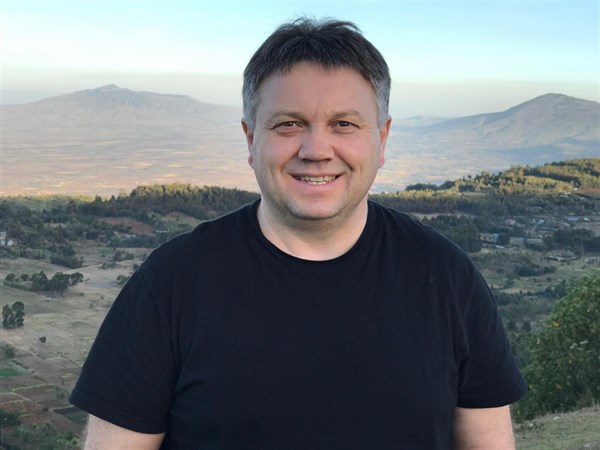
The persecution of evangelical churches in Ukraine under Russian occupation has been detailed by British journalist and professor at the Institute of Global Affairs at the London School of Economics, Peter Pomarantsev, in his article for Time magazine. Pomarantsev describes Russia’s persecution of Protestants as being carried out through intimidation, expropriation, forced conversion, and even murder. He argues that this persecution is indicative of Russia’s invasion of Ukraine being more than just another attempt by the Kremlin to suppress Ukrainian freedom. Instead, it is also part of the Kremlin’s broader “Great War against America.”
Petro Dudnik, the pastor of the Good News Church, elaborates that the occupation forces have a hostile attitude towards evangelical churches, perceiving and declaring them as “an American faith.” According to Dudnik, the occupiers stated, “Americans are our enemies, and enemies must be destroyed.” This reflects a broader narrative in Russia, where Jehovah’s Witnesses are banned, and Mormon missionary activities are prohibited. Additionally, evangelical groups in Russia face severe restrictions under laws that prohibit missionary activity and label some groups as “undesirable organizations.”
The US Congressional Commission on International Religious Freedom has identified Russia as one of the “worst violators” of religious freedom globally, placing it alongside countries like Iran and Pakistan. This designation underscores the severity of the religious repression occurring in Russian-occupied territories and the broader implications for religious freedom in the region.
Ukrainian churches have become support centres
Open repressions in the occupied territories began in the summer of 2022, affecting both cities and small towns. During the initial months of the full-scale invasion, the temporarily occupied territories could still receive aid from areas controlled by the Ukrainian government. During this period, the churches showed great cohesion, putting aside confessional differences to provide the population with essential means of survival. Religious communities accepted requests from residents of the occupied territories, helped establish communication channels, and found solutions for evacuation. As a result, churches became trusted assistance centers, a role that inevitably drew the attention of the occupation authorities.
Starting in the summer of 2022, the Russian military began to confiscate humanitarian aid at checkpoints and subsequently banned it altogether, significantly restricting the activities of the churches. Despite these challenges, the churches continued their efforts, although under much greater difficulty.
Harassment was directed against the parishes of the Orthodox Church of Ukraine, as well as Evangelical and Protestant churches, Catholic and Muslim communities. The only exceptions were the parishes of the Ukrainian Orthodox Church affiliated with the Moscow Patriarchate, provided their priests demonstrated loyalty to the occupation authorities. This selective repression underscored the occupiers’ intent to suppress religious institutions that were seen as independent or potentially oppositional while co-opting those willing to align with their control.
Nationalist ideology and the war against Ukraine: Kremlin-controlled Russian orthodox church clergy’s open call for genocide
On March 27, a congress of the World Russian People’s Council, an organization under the auspices of the Russian Orthodox Church (ROC), convened in Moscow. During this meeting, a document containing an open call for war and the genocide of the Ukrainian people was approved. The meeting was chaired by Patriarch Kirill, the head of the Russian Orthodox Church.
According to the document, the existence of an independent Ukraine, described by the Russian Orthodox Church as a “Russophobic political regime hostile to Russia,” should be terminated. It asserts that the entire territory of Ukraine should fall under the influence of the Russian Federation and that Ukrainians should “reunite with the Russian people.” This “reunification,” as envisioned by the Moscow Church, “should become one of the priorities of Russia’s foreign policy.”
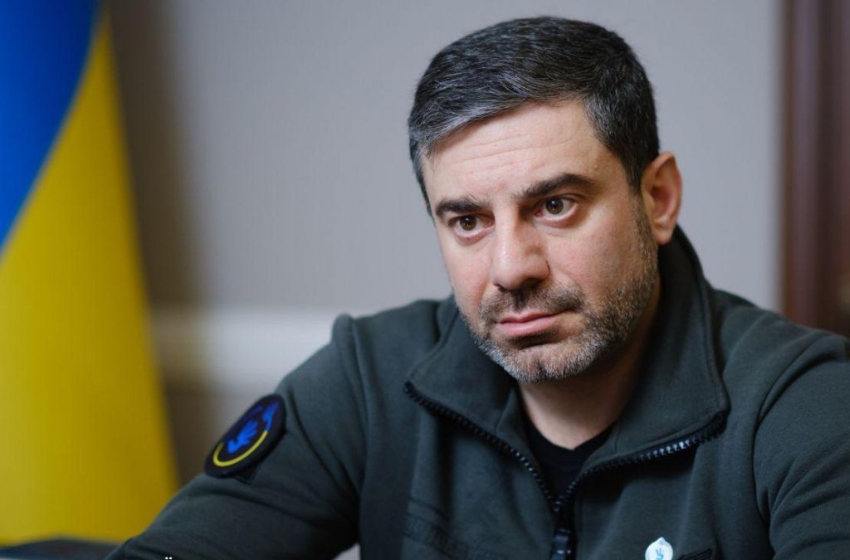
According to the Ukrainian Parliament Commissioner for Human Rights, Dmytro Lubinets, this document indicates that Russia plans to solve its demographic problems by using the occupied territories and the Ukrainian population living there. This plan involves “mass repatriation” of individuals willing to undergo linguistic and cultural integration, as well as the implementation of “an education system to align with the basic parameters of the sovereign Russian worldview.”
The Ombudsman stressed that such a policy has significant implications for preserving Ukrainian identity in the temporarily occupied territories and will have irreparable consequences for children and youth. The so-called order of the Russian Orthodox Church contains outright genocidal rhetoric and blatant disrespect for the territorial integrity of the sovereign state of Ukraine.
The Russian Orthodox Church has combined several Kremlin ideological narratives in an attempt to form a broader nationalist ideology around the war in Ukraine and Russia’s expansionist future. The ROC is a Kremlin-controlled organization and a well-known tool in Russia’s hybrid warfare arsenal.
Analysts at the US-based Institute for the Study of War (ISW) note that the ROC has amplified the Kremlin’s rhetoric on Russia’s war in Ukraine, calling it an existential and civilizational “holy war.” This marks a significant shift for Russian authorities, who have so far carefully avoided officially labeling Russia’s invasion of Ukraine as any kind of “war.”
The Russian Orthodox Church appears to be consolidating various parallel Kremlin narratives into a relatively coherent ideology centered on “national identity and demographic revival,” which promises Russians a period of national renaissance in exchange for social and civic responsibilities. While the official Kremlin may not fully embrace the ultranationalist ideology proposed by the ROC in public, it is likely to borrow and utilize these ideas to support its military actions in Ukraine and any future acts of aggression against Russia’s neighbors and Western states.
The most resonant examples of terror by Russian security forces against believers and churchmen in the occupied territories
Donetsk and Luhansk regions
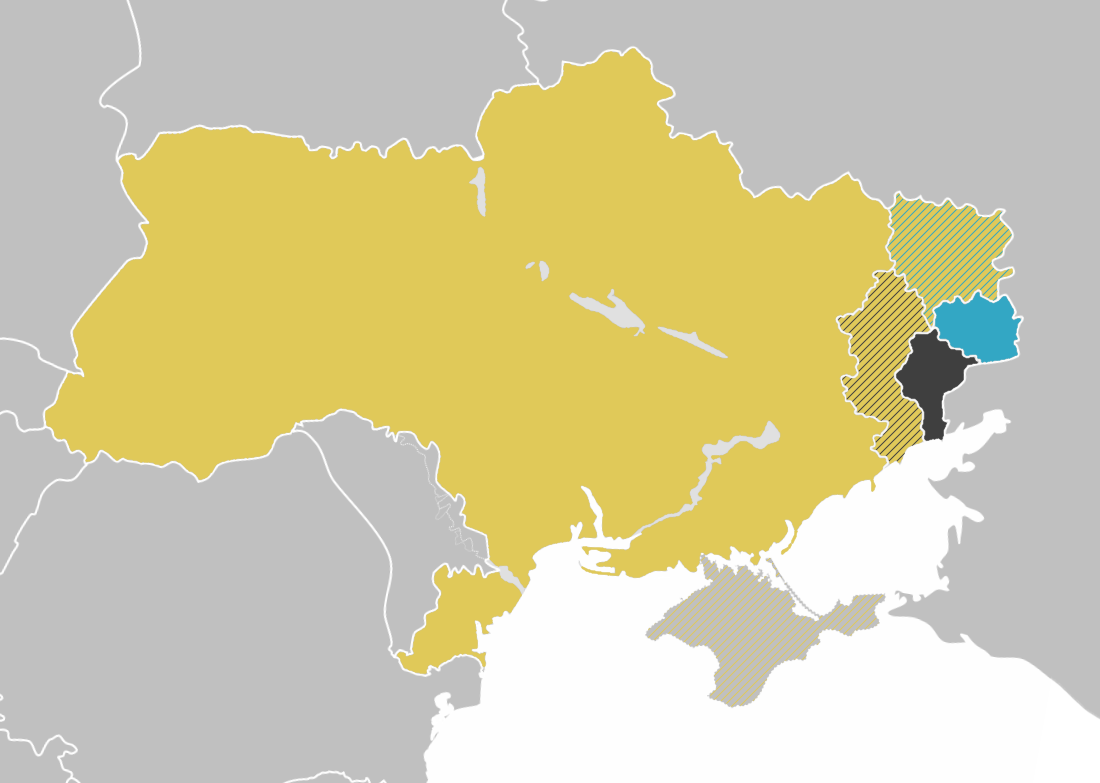
Since the beginning of Russian aggression in Ukraine in 2014, religious freedom in the occupied territories of the Donetsk and Luhansk regions has been completely obliterated. Illegal armed groups controlled by the Russian Federation, which had proclaimed the Orthodoxy of the Moscow Patriarchate as the main religion, began targeting the persecution of religious minorities. Dozens of churches, prayer houses, and places of worship were seized. Evangelical Christians were nearly banned, being declared American spies. Kidnappings, torture, and show trials of clergy and believers from the Ukrainian Orthodox Church of the Kyiv Patriarchate (Orthodox Church of Ukraine), the Ukrainian Greek Catholic Church, and Protestant churches became commonplace. Notably, four deacons of the Pentecostal Church were shot dead on Trinity Day in 2014. In Mariupol, the head of the Council of Churches and Religious Organizations of the city was killed. The “Russian world” demonstrated its approach to freedom of conscience well before the outbreak of the Great War.
Deliberate attacks, destruction, and damage to religious buildings, as well as their conversion into military objectives or use to cover firing positions, have sadly become routine tactics of the occupiers’ hostilities in the Donetsk and Luhansk regions. According to Timur Beridze, the Imam of Muslims in Sievierodonetsk and the Luhansk region, 25 civilians were killed on June 19 during the shelling of the Bismillah Islamic Cultural Centre in Sievierodonetsk.
Russian aggression has also inflicted damage on churches affiliated with the Moscow Patriarchate, with at least 143 reported as destroyed or damaged. For instance, the Sviatohirsk Lavra, a monastic stronghold of Russian Orthodox influence in eastern Ukraine, has been repeatedly targeted.
In occupied Horlivka, Donetsk region, the Russian authorities repurposed an Adventist house of worship into a funeral home, where coffins were put up for sale in the midst of the worship hall. These actions underscore the deliberate and malicious tactics employed by the occupiers to undermine religious freedom and cultural heritage in the region.
Zaporizhzhia region
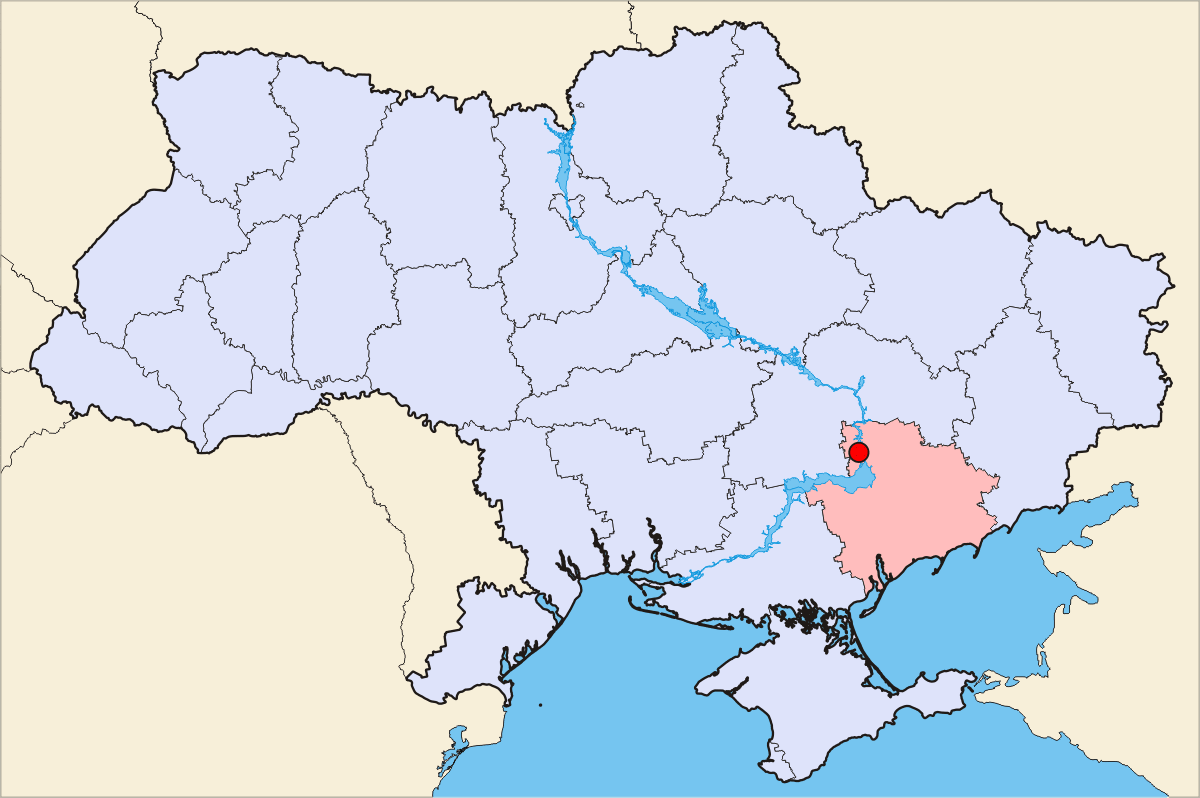
The Russian occupation authorities have issued an “order” banning the activities of the Ukrainian Greek Catholic Church, along with the Knights of Columbus and Caritas social service organizations, in the occupied territory of the Zaporizhzhia region. This “order,” purportedly from the head of the occupation military-civilian administration of the Zaporizhzhia region, collaborator Yevhen Balytskyi, was published on his official website.
The occupiers have provided groundless arguments to justify the ban on the activities of the Ukrainian Greek Catholic Church in the occupied territory of the Zaporizhzhia region. They claim the ban is based on allegations of the storage of “explosives and firearms on the territory of religious buildings and auxiliary premises,” as well as purported violations of Russian Federation legislation on religious and public organizations. These alleged violations include participation in mass riots and anti-Russian rallies, distribution of literature advocating for the violation of Russian territorial integrity, and active involvement in extremist organizations and the propagation of neo-Nazi ideas.
On November 16, 2022, in Berdiansk, the occupation authorities arrested two Redemptorist priests, Ivan Levitsky and Bohdan Geleta, who remain in Russian captivity. Furthermore, in December 2022, all UGCC priests who remained in Melitopol after Russia’s occupation of the Zaporizhzhia region in the spring of 2022 were ‘deported’ by the occupation authorities.
Kherson region
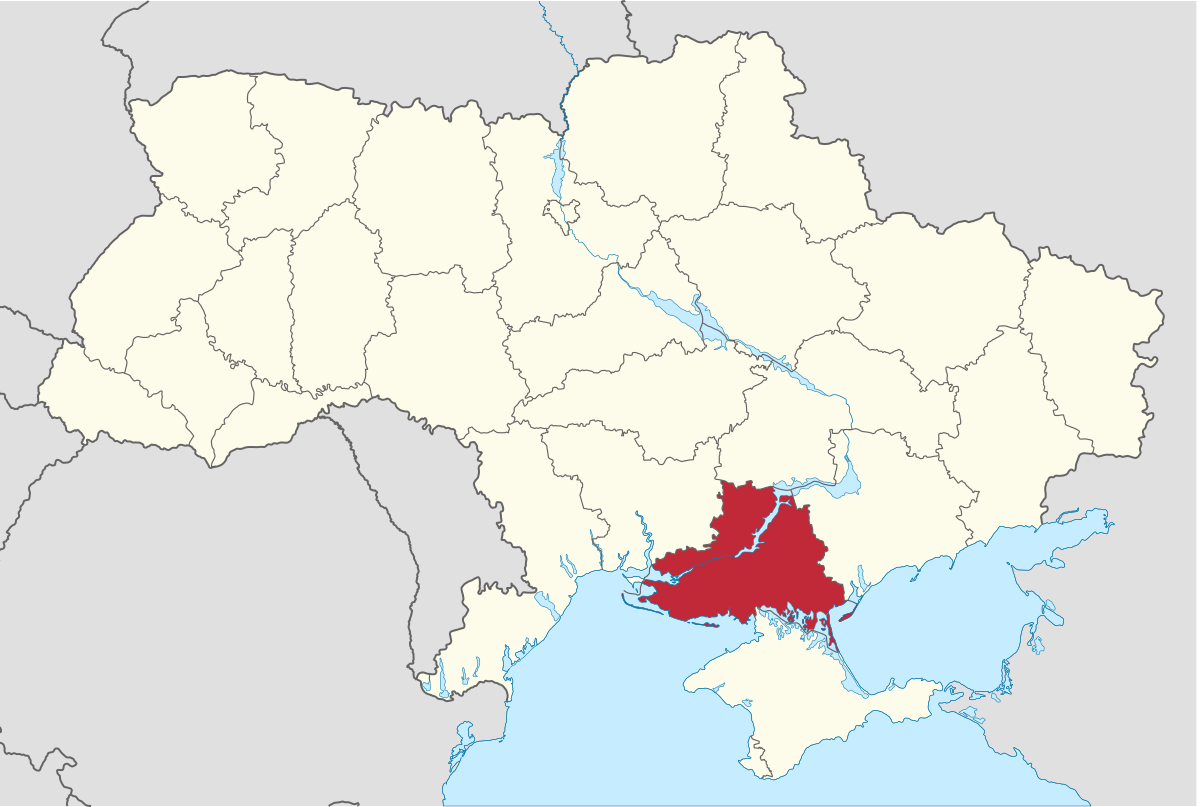
Bishop Nikodim of Kherson and Tavria, who leads the diocese in the Kherson region, has consistently spoken out and appealed to the Verkhovna Rada Commissioner for Human Rights regarding the violation of constitutional rights and freedoms of citizens in the temporarily occupied territory of the Kherson region. He highlights that the occupation authorities of the Russian Federation, in collaboration with the Russian Orthodox Church, violate these rights based on citizens’ religious or even political beliefs.
Tragically, in the temporarily occupied territories of the Kherson region, the occupiers tortured to death 59-year-old Stepan Podolchak, the rector of the Orthodox Church of Ukraine in the village of Kalanchak, Skadovsk district. This brutal act was the result of his refusal to transfer to the Russian Church and to betray his oath and his people.
Furthermore, in the occupied territories, the self-proclaimed ‘authorities,’ in conjunction with representatives of the Russian Orthodox Church, are seizing the constituent documents of religious organizations from local priests. They are threatening them with consequences if they refuse to accept Russian citizenship and re-register the community under Russian law within the structure of the Russian Orthodox Church. These actions illustrate the coercive and oppressive tactics employed by the occupying forces and their collaborators to suppress religious freedom and autonomy in the region.
Resistance of priests
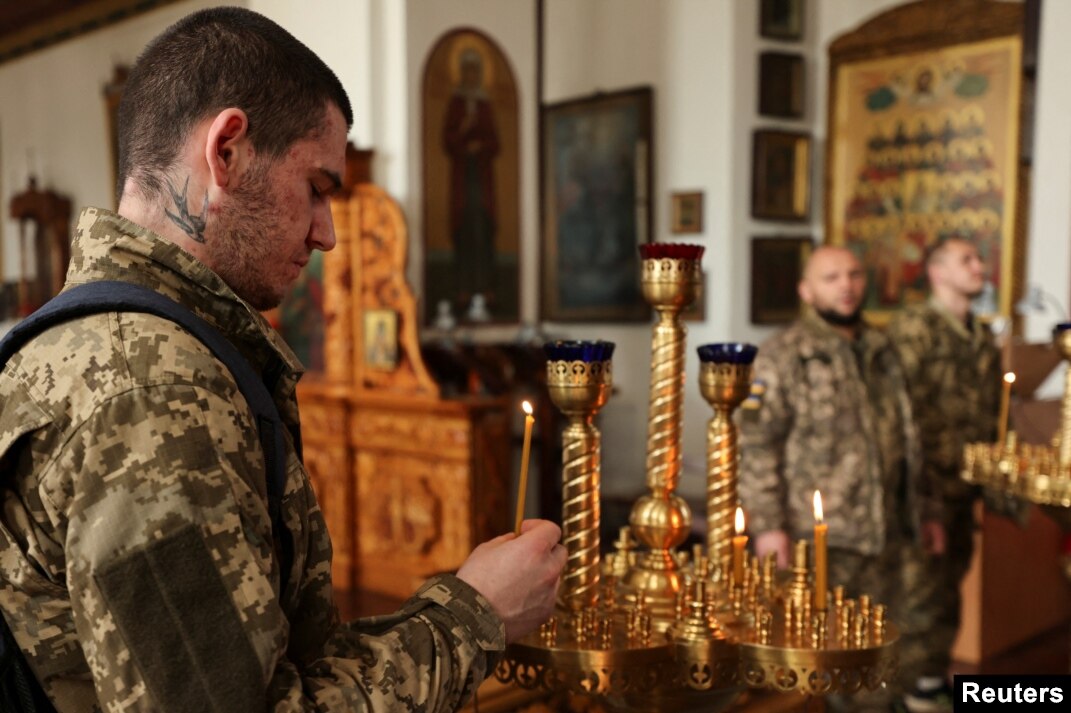
In a recent interview with Radio Svoboda, His Beatitude Metropolitan Epifaniy, the Primate of the Orthodox Church of Ukraine, revealed that the Church persists in operating in the temporarily occupied territories of Donetsk, Luhansk, and Kherson regions, albeit clandestinely.
Metropolitan Epifaniy disclosed that the Orthodox Church of Ukraine maintains records of its underground activities in the occupied territories. However, these statistics are kept confidential to prevent the occupation administration from exploiting the information.
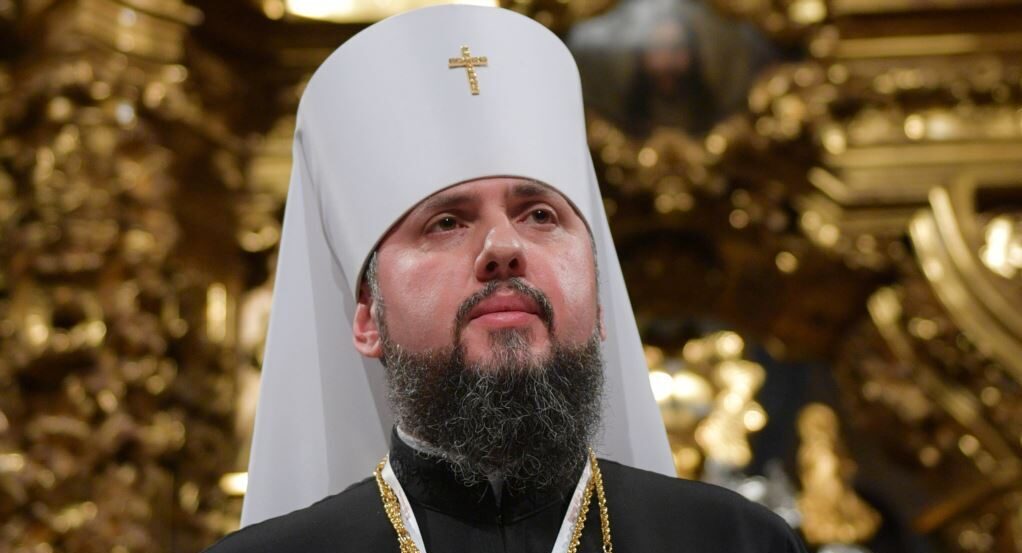
He emphasized that local bishops advise priests to evacuate the occupied territories to ensure their safety. However, despite the risks involved, some clergy members choose to remain in these areas to serve their communities.
The Orthodox Church of Ukraine is actively engaging in efforts to address the situation in the temporarily occupied territories. This includes liaising with authorized individuals who can shed light on the conditions in these areas. At international conferences, the Church raises crucial questions concerning human rights violations, breaches of the Geneva Convention, and the protection of civilians during wartime.
Despite facing brutal suppression, many priests in the temporarily occupied territories steadfastly resist the Russian occupation. They provide invaluable spiritual, moral, physical, and material support to their congregations, demonstrating remarkable courage and resilience in the face of adversity.
A comprehensive analysis of the state of religious organizations and the dissemination of accurate, non-fabricated information play a pivotal role in bolstering our country’s defense capabilities. The proliferation of fake news regarding purported restrictions on religious freedom in Ukraine is on the rise. Such misinformation is aimed at portraying Ukraine as undemocratic and depicting alleged violations of believers’ rights.
Supremacy of law and religious freedom
A striking example of Russian propaganda regarding the supposed “persecution of the Church” is the recent conclusion to the 20-year saga of the “Maf-church” (“booth-church”) near the National Museum of the History of Ukraine.
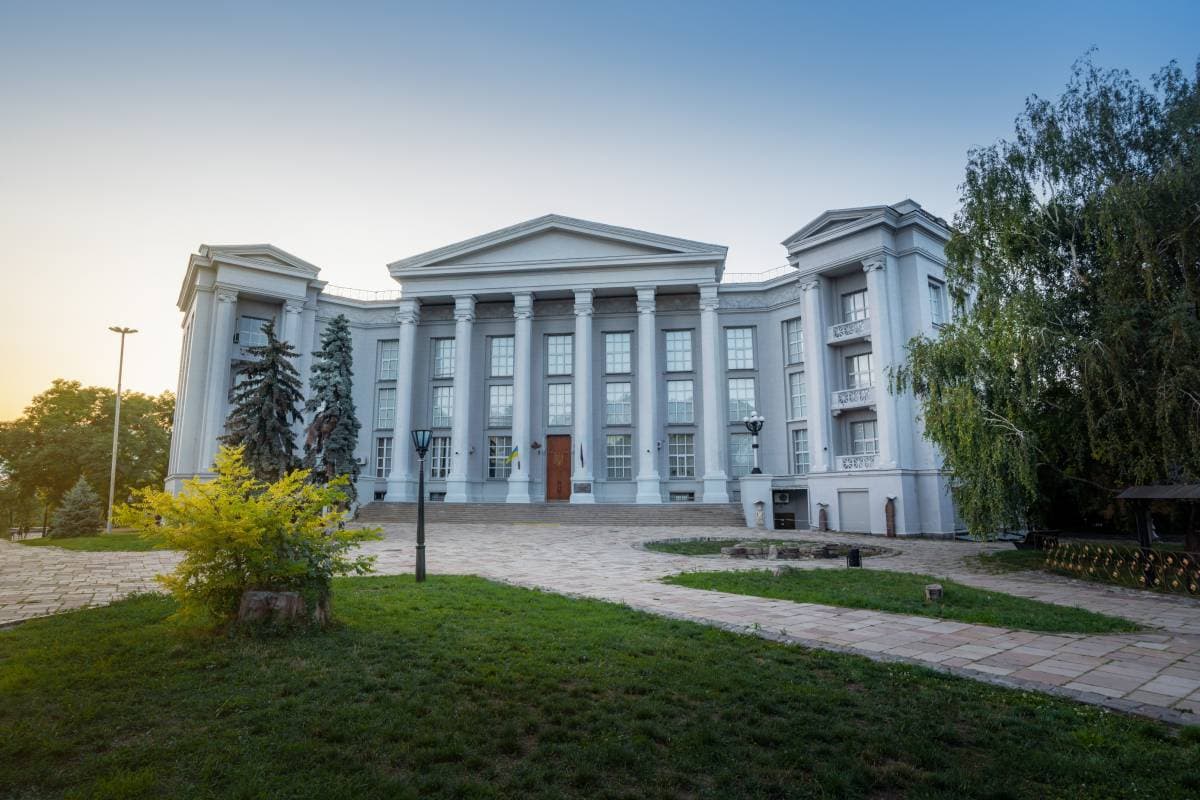
On May 17, Kyiv authorities dismantled a structure that had been erected unlawfully by the religious community of the UOC-MP on the premises of the National Museum of History of Ukraine, within the buffer zone of the UNESCO World Heritage Site “Kyiv: St. Sophia Cathedral and Adjacent Monastery Buildings, Kyiv-Pechersk Lavra”. Contrary to regulations, these were three kiosks, each measuring 20 square meters, earning the moniker ‘Maf-church’.
It should be noted that the official name of the “Maf-church” —”Tithe Monastery of the Nativity of the Blessed Virgin Mary”—was chosen for the unauthorized construction solely to mislead, creating a straw man fallacy and the illusion of antiquity for the illegal building, implying a succession between it and the ancient Tithe Church, to which it has no actual relation. It is also telling that the rector of this so-called church was Gideon (Yuri Kharon), a person who holds several citizenships, including that of Russia.
Thanks to the proactive stance of civil society, the diligent efforts of legal professionals, museum personnel, and law enforcement agencies, the structure was dismantled in a completely legal and civilized manner without any protests or altercations. Despite the museum lacking funds for the dismantling, an impressive sum of UAH 870,000 was raised within 16 hours to cover the costs.
The State Enforcement Service, which is responsible for enforcing the court ruling, has engaged a contractor — the construction company Smile Construction.
The company was to receive UAH 772,000 for the works but since Smile Construction has taken the initiative to carry out all the work free of charge, the remaining funds will be transferred to the Armed Forces of Ukraine.
The unauthorized construction on the museum’s premises not only violated monument protection laws but also constituted a deliberate provocation aimed at undermining the Ukrainian state. This action sought to exploit the situation to incite conflicts and fabricate a narrative of “religious persecution”. Similar anti-Ukrainian forces persist in attempting to leverage legitimate court decisions to their advantage. However, their endeavors are futile in the face of the rule of law and the resilience of Ukrainian institutions.
Conclusion
After the collapse of the Soviet Union, democracy began to flourish in Ukraine, with genuine freedom of religion and religious pluralism. However, now Russia is seeking to destroy all of this and is establishing the ideology of the “Russian world” in the occupied territories of Ukraine, which involves the complete destruction of Ukrainian identity and brutal repression of all those disloyal to the occupiers and all religious minorities.
The situation is even worse than it was during the Soviet era. If the communist government was separated from the Church because of its atheistic ideology, now the Kremlin has total control over all churches and religious organisations in Russia and uses them to propagate the war against Ukraine. Therefore, Russian religious figures who are complicit in the Kremlin’s crimes should not be perceived as clerics only, but should be sanctioned as propagandists who carry out the Kremlin’s orders.
The largest number of religious buildings were destroyed in Donetsk, Luhansk and Kherson regions. The war is ongoing, so the number of damaged buildings in Kharkiv, Zaporizhzhia and Mykolaiv regions is constantly growing.
In the occupied territories of Luhansk, Donetsk, and Zaporizhzhia, which fall under the Donetsk Exarchate, parish centers have been severely damaged or forced to close, hindering their ability to operate effectively. The documented prohibition of activities by the UGCC in the occupied part of the Zaporizhzhia region is yet another example of Russia’s criminal actions.
Our objective aligns with that of the civilized world: to hold the perpetrators accountable and achieve global peace. We are doing our part.
Volodymyr Khodakivskyi, Bohdana Korniichuk, Lesia Chervinska
Experts of the Centre for Strategic Communications and Information Security and the Institute of Public Communications