

According to Ukraine news war North Korean officers are already in the occupied territories of Ukraine. This was announced by Ukrainian President Zelenskyy at a press conference following the participation in the European Council meeting.
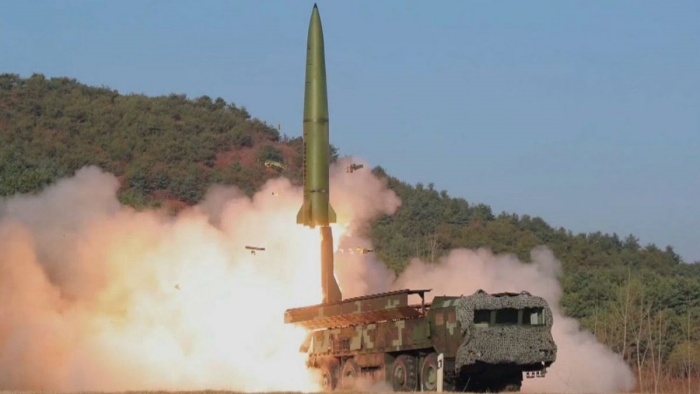
Even earlier, The Guardian journalists wrote about the fact that a few North Korean servicemen are already in Ukraine. Most likely, they were sent to help Russian forces use KN-23 ballistic missiles, which North Korea previously transferred to Russia, and to study Russian combat experience.
The Washington Post refers to a representative of Russian intelligence that the Russian Federation is preparing several thousand troops from North Korea, who may be involved in hostilities in Ukraine at the end of the year.
However, on December 16, 2024, Pentagon spokesman Major Gecneral Patrick Ryder confirmed that North Korean troops had engaged in combat operations in the Kursk region, which means they are included in Ukraine war today. In addition, Patrick Ryder stated that there were casualties among North Korean soldiers during the fighting in Kursk. However, he did not specify the number.
North Korean troops in the Kursk region are currently operating without equipment, trying to attack the positions of Ukrainian fighters with infantry from several sides, said Andriy Kovalenko, head of the Center for Countering Disinformation.
The Russian army sends soldiers from North Korea into battle in Kursk without the support of armored vehicles. Ukrainian President Volodymyr Zelenskyy also claims that the Russians are trying to cover up the loss of North Korean personnel, including burning the faces of killed soldiers, in an attempt to conceal their presence in Russia.
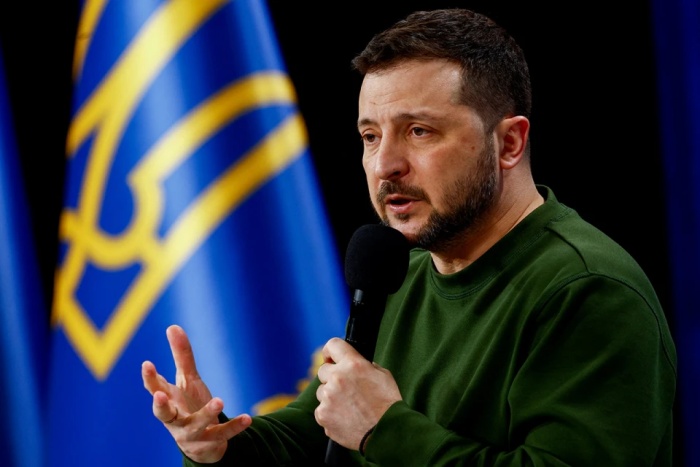
The Russian Federation actually included North Korea in a full-scale Russian-Ukrainian war, – said Volodymyr Zelenskyy.
Earlier, The Times, citing Western intelligence, reported that half of the approximately 3 million artillery shells used by Russia come from North Korea.
Next, we will analyze how and why Russia began to cooperate with the DPRK and what consequences this may have for Ukraine and the world.
When did cooperation between Russia and North Korea begin
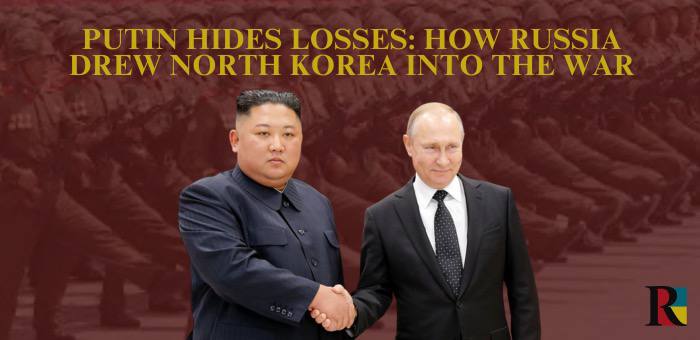
Cooperation between the Russian Federation and the DPRK began on June 18, 2024, when Russian dictator Vladimir Putin arrived in North Korea and met with dictator Kim Jong Un. It was Putin’s first visit to North Korea since 2000.
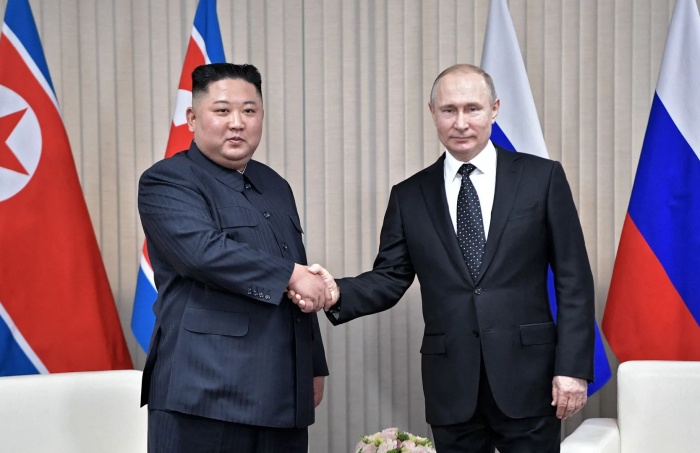
Then Putin and Kim Jong-un signed an agreement on a “comprehensive strategic partnership”, seeking to expand economic and military cooperation and strengthen a “united front” against Washington. According to the agreement, the Russian Federation and the DPRK undertook to provide “mutual assistance” in the event of “aggression” against one of the countries.
Also, on October 14, 2024, Vladimir Putin submitted to the State Duma a draft law on the ratification of the comprehensive strategic partnership agreement between Russia and North Korea. According to Clause 4 of this treaty, North Korea can join the war against Ukraine on the side of Russia, what also happened in Ukraine war today.
Why did Russia turn to North Korea for help
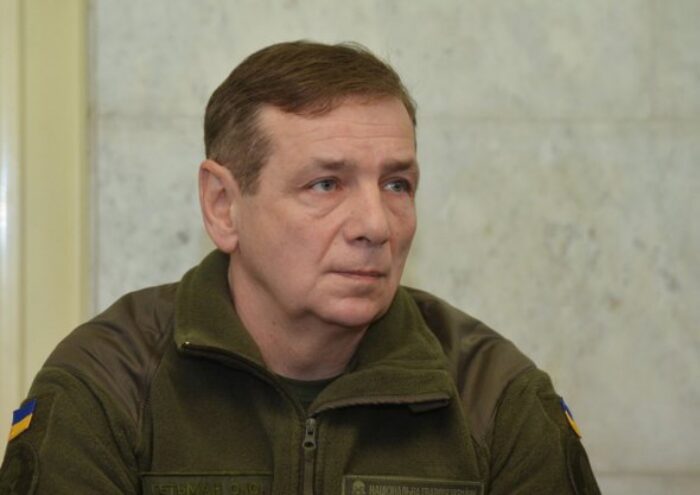
Oleksiy Hetman, a military expert and veteran of the Russian-Ukrainian war, explains:
Russia’s appeal to the DPRK shows its exhaustion. They sought help wherever possible. Well, it started a relatively long time ago. Depletion of barrels, the number of shells… Shaheds they bought in Iran.
In North Korea, they were primarily looking for shells, because they sometimes fired up to 80,000 shots per day. 20, 30, 50 thousand shots per day… In general, since the beginning of the war, they have fired approximately 13 million shells at us. Russian industry can produce no more than 2 million shells per year.
North Korea handed them about a million projectiles of various calibers. This is approximately. We saw the containers and checked how many projectiles of certain calibers could fit in them.
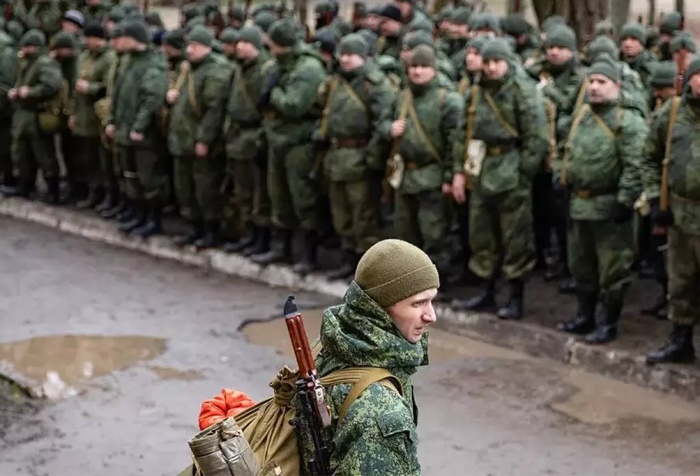
Also, according to a report by the American Institute for the Study of War (ISW), due to the involvement of the North Korean military, Russian dictator Vladimir Putin is likely trying to avoid announcing mobilization in Russia. He is looking for alternative ways of forming the army in order to avoid the “internal consequences” of general mobilization.
Colby Badwar, a Canadian security analyst at The Insider and Defense Archives said:
Russia faces its own manpower shortage problems, but I don’t see the introduction of North Korean troops as an act of desperation. It’s a logical development of their relationship. Both sides have something to offer each other. Russia needs more people, equipment, ammunition, and the DPRK wants access to more advanced military technology in various areas.
What weapons does the DPRK have
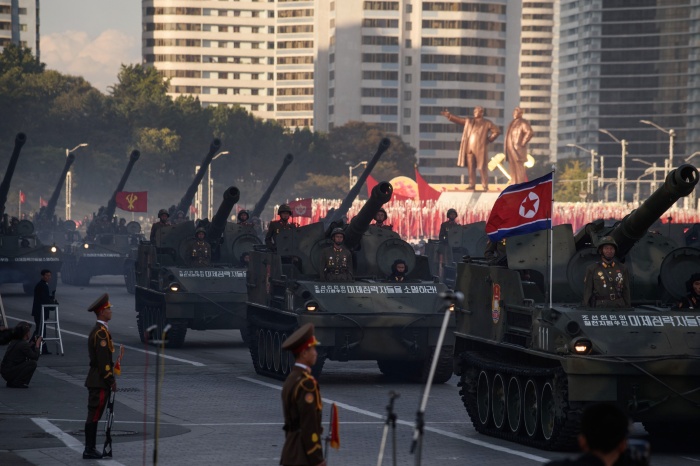
According to the estimates of The military balance – a publication that publishes annual reports on the military potential of countries – it can be approximately:
- 3500 tanks
- 2,500 armored vehicles
- 21,600 artillery systems and mortars
There is also an assumption that there are hundreds of thousands of tons of ammunition for them in North Korea’s warehouses.
It is with BBM that the Russian troops currently have the most acute shortage. Also, a significant part of North Korea’s ammunition is suitable for Russian weapons, since after the end of the war in 1953, it inherited a large number of Soviet-style ammunition, and it no longer made sense to manufacture something else.
South Korea’s Joint Chiefs of Staff said that in addition to artillery, North Korea may have transferred short-range ballistic missiles, MANPADS missiles, ammunition for T-series tanks, anti-tank missiles, rifles and machine guns to the Kremlin.
Canadian security columnist for The Insider and Defense Archives Colby Badwar notes that it is impossible to fully understand the scale of the assistance provided:
Open sources are limited to what Russia and North Korea themselves reveal, as well as the information that Ukrainian and Western intelligence agencies are willing to declassify. It is known that this is well in excess of 10,000 people, and this figure is certainly increasing.
Colby Badwar also notes that the Pentagon has already confirmed that North Korean troops are participating in the fighting (in the war Russia – Ukraine, – ed.) and suffering losses, that is, they are not just passive observers.
Why did the DPRK agree to military cooperation with the Russian Federation
As The Guardian points out, providing military support to Russia could benefit the Kim Jong-un regime financially and militarily, although closer ties with Russia would only deepen its isolation from the wider international community.
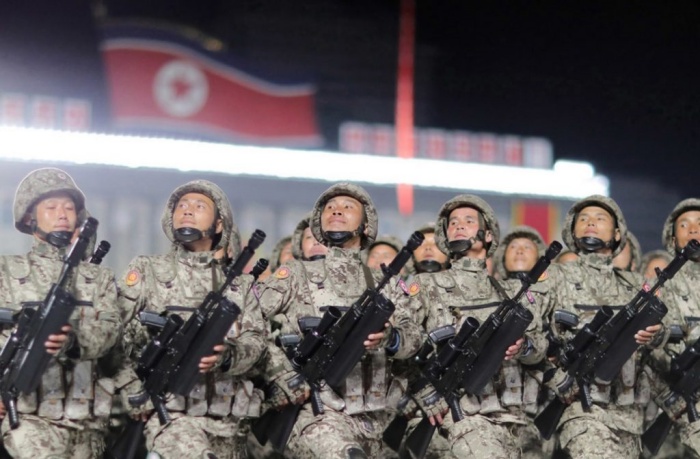
North Korea’s army generals could also learn valuable lessons about warfare as the country escalates tensions with South Korea and its allies
Well, firstly, the countries are similar in terms of the management system, that is, a totalitarian regime both here and there.
Also, why did Iran agree? I can make such an analysis that North Korea considers South Korea, the United States, and all the countries of the civilized world and NATO as enemies. So is Iran, so is Russia. They are mental allies, – comments Oleksiy Hetman.
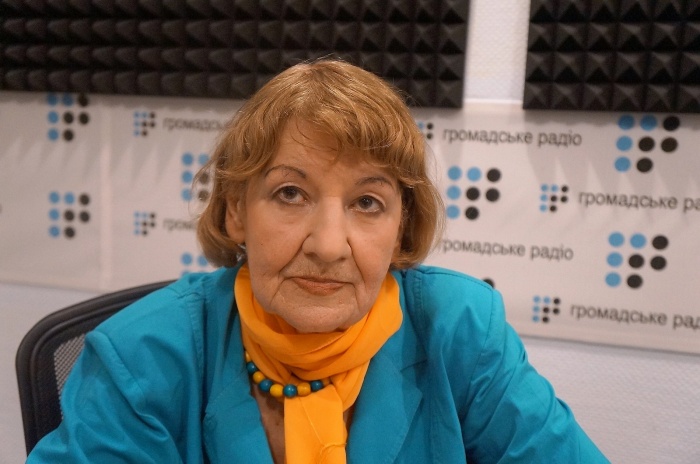
Natalya Belitzer, an expert at the Pylyp Orlyk Institute of Democracy, gives her opinion on these events:
“Interest in a “comprehensive strategic partnership” with Russia consists in the possibility of obtaining more modern technologies, including military ones, assistance in the construction of space objects, airplanes, submarines, etc., as well as in the supply of food for a starving population.
She notes that Russia’s actual support for the DPRK’s nuclear program also plays an important role:
Let us recall that on March 28 of this year, Russia used its veto power in the UN Security Council to stop monitoring by a group of international experts of compliance with the sanctions regime applied against the DPRK due to its nuclear program and its attempts to circumvent the sanctions. Moreover, the Russians explained their decision by saying that this regime is unfair, disconnected from reality, that it is losing its relevance and therefore needs to be revised. And in general, according to the Russian version, it is the actions of NATO countries around the Korean Peninsula that destabilize the situation in the region…
Natalia Belitser notes that such frank and powerful support for the DPRK from Russia was rewarded with the maximum possible assistance in its war in Ukraine today:
However, in light of the significant aggravation of relations with South Korea and the negative reaction of such powerful states in the region as
Japan and Australia, one can hardly expect further scaling up of this assistance.
Consequences of North Korea’s military support in the war
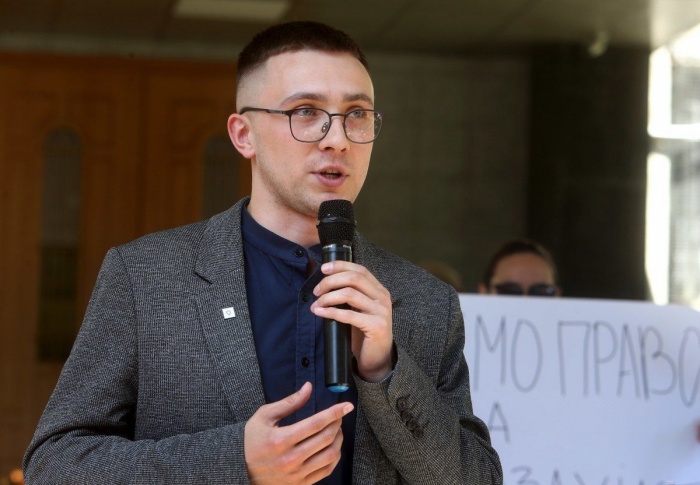
Serhiy Sternenko, a Ukrainian public figure and volunteer, on the participation of the North Korean military in the war against Ukraine, commented.
In any case, an increase in the number of the enemy’s or opponents’ troops is bad. They can send them on some “meat assault” and ensure a breakthrough of the front line.
Or something completely different can happen. These North Korean soldiers may not take part directly in hostilities, so as not to give the US an extra reason to express “deep concern”.
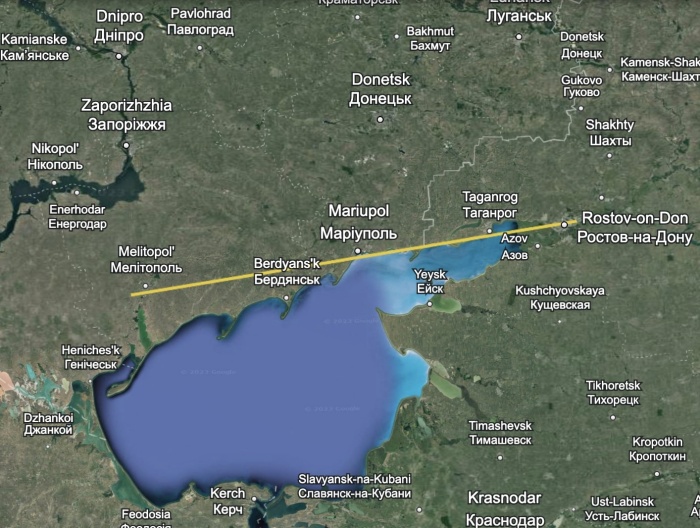
They can be engaged in rear work, building fortifications… They can be sent to build fortifications, to build a railway to the temporarily occupied Crimea, which the Russians are now actively trying to build along the line Berdyansk – Melitopol and so on (the branch that is further north is not used, because it too close to the front line).
That is, it is not necessary that they will be driven to the assault. But it will free the Russians of their resources. And therefore it will create additional, perhaps even serious problems.
Here I am more concerned with the question, how will we respond, how will our allies respond? Because if a foreign country sends its troops to participate in a war against our country, then it also becomes a participant in the war. That is, we find ourselves in a state of war not only against Russia and Belarus, but also against the DPRK.

Oleksandr Kovalenko, military-political observer of the group “Information Resistance”, adds that Russia, in the third year of a full-scale war with Ukraine, has a shortage of engineering troops due to the high level of losses:
In fact, this is one of those branches of the military whose losses the Russian army is struggling to compensate for every month. The engineering brigades of the DPRK are distinguished by their extensive experience in building fortifications, performing repair work and other functions. That is why the appearance of engineering brigades in the combat zone in Ukraine would be quite expected.
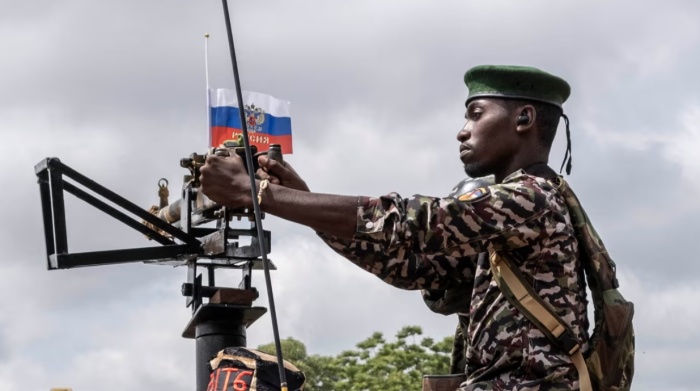
Oleksandr Kovalenko also adds that it is not worth excluding that Kim Jong-un may simply send “the meat” to Russia for slaughter:
In the event of a shortage of equipment, the Putin regime is trying to compensate for the mechanized component with human resources. Recruitment around the world does not give the desired results, and the command of the Russian occupation forces is not delighted with the number of mercenaries – especially from African countries.
At the same time, military expert Pavlo Narozhny notes that it is unlikely that these North Korean soldiers will be able to fight on the front lines due to the huge problem of the language barrier.
Colby Badhwar, a Canadian security columnist at The Insider and Defense Archives, says in a commentary for The Ukrainian Review:
As I wrote a year ago, failure to adequately respond to this cooperation will only encourage its further escalation, which is what we are seeing now. North Korea, gaining access to more sophisticated military technology, poses a threat not only to South Korea but to all countries. If they are able to improve the capabilities of their ballistic missiles and provide more of them to Russia, this certainly poses a threat, for example, to Ukraine.
The National Interest’s David Malcolm notes that the prospect of sharing technical information and expertise to improve North Korea’s growing nuclear arsenal and its missile delivery systems is of particular concern.
The Ukrainian Review has also sent a request to the Ministry of Foreign Affairs of Ukraine and the Embassy of South Korea for comment on the participation of the DPRK in the war against Ukraine. As soon as we receive a response, we will provide it.
The reaction of the world to the participation of the North Korea in the war in Ukraine
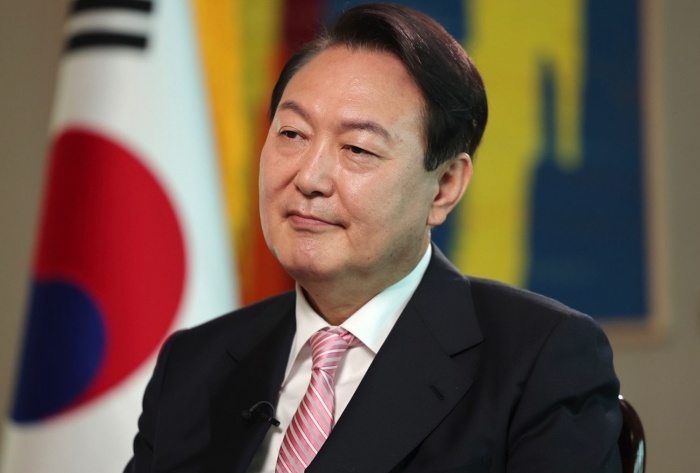
South Korean President Yoon Suk-Yeol called an emergency security meeting at which it was recognized that close military ties between Russia and North Korea had gone “beyond the transfer of military supplies”:
The current situation, in which the rapprochement between Russia and North Korea has led to the delivery of military equipment and the actual deployment of troops, poses a serious security threat not only to our country, but also to the international community, – his office said.
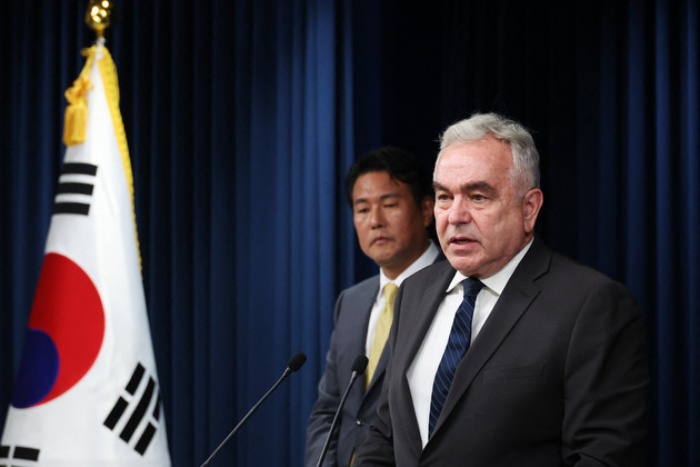
Kurt Campbell, US Deputy Secretary of State, said that North Korea is increasing support, including artillery and missiles, for Russia’s war against Ukraine, which is “creating further instability in Europe”:
We are concerned about them and… we have agreed that we will continue to monitor the situation closely.
Richard Verma, US Deputy Secretary of State, commented on the Pentagon’s reaction and further actions for us:
I can’t say what actions the Pentagon will take, but I will say for sure that the current administration will do everything to support Ukraine and is doing everything so that during the new head of the White House, Ukraine will still have this support. The United States will continue to support Ukraine, including private companies such as Black Rock will actively participate in the restoration of Ukraine.
Sean Savett, a spokesman for the White House National Security Council, said that any North Korean involvement in the war would mean a significant strengthening of defense ties between Pyongyang and Moscow:
Such a move would also mean a new level of desperation for Russia as it continues to suffer significant battlefield losses in its brutal war against Ukraine.
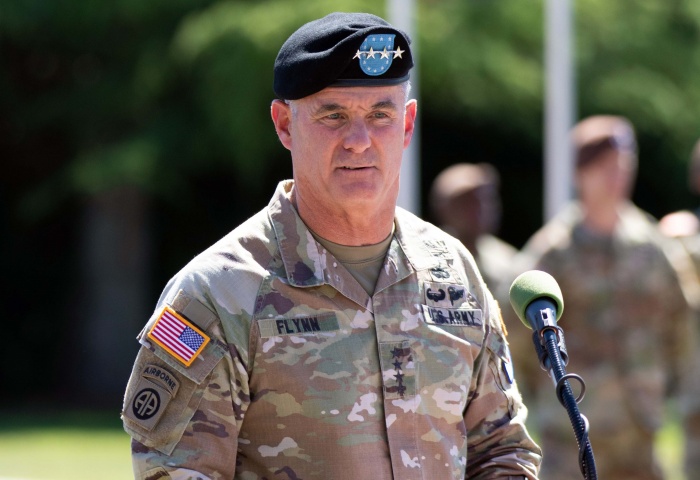
US Indo-Pacific Commander General Charles Flynn said North Korea would be able to receive real-time feedback on its weapons:
That kind of feedback from a real battlefield to North Korea to be able to make adjustments to their weapons, their ammunition, their capabilities, and even their people – to me, is very concerning.
Oleksandr Kovalenko notes that further ignoring the growing threat of this tandem by the West will lead to worse consequences, which are becoming less and less possible to prevent with each passing day.
***
Russia’s cooperation with North Korea demonstrates how two isolated regimes use each other to achieve their goals. For the Kremlin, it provides the ammunition and military resources to continue the war against Ukraine. For Pyongyang, it provides financial, political, and possibly technological support to strengthen its authoritarian regime.
In general, the involvement of the DPRK in the war in Ukraine on the side of Russia is an escalation of the war. However, such cooperation has serious consequences not only for Ukraine, but also for the world. Russian aggression is fueled by increasingly dangerous alliances that undermine global security.
Anya Ostymchuk