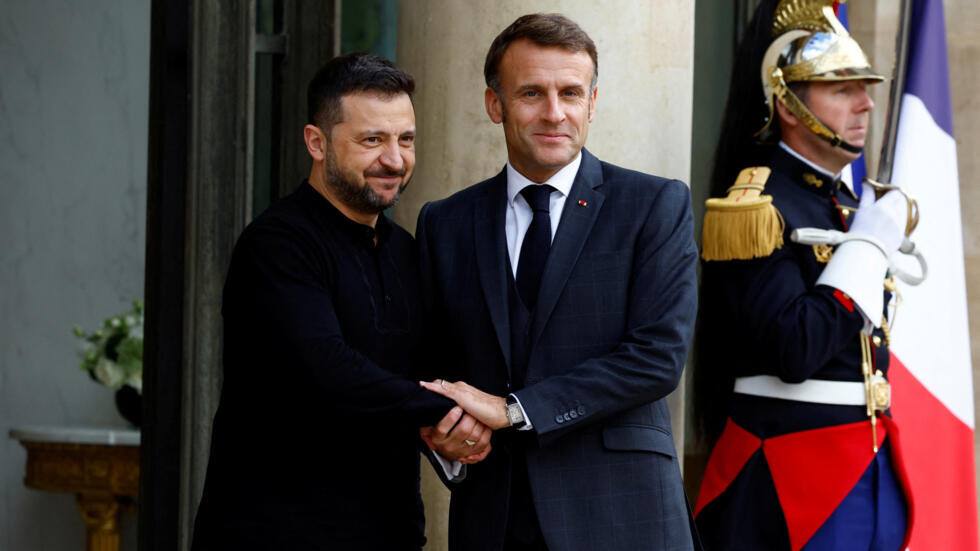


Nuclear power is making a comeback, – Emmanuel Macron emphasised when he attended the COP28 climate conference in the United Arab Emirates last year. The French president’s words preceded the final declaration of the COP28 UN Climate Change Conference, which declared the “beginning of the end” of the fossil fuel era and gave the green light to a nuclear renaissance.
More than two dozen countries, including Ukraine, signed a declaration to triple nuclear power capacity by 2050. According to Morgan Stanley analysts, up to 740 GW of new nuclear capacity will be created worldwide over the next 30 years, in particular through the unprecedentedly rapid construction of new nuclear reactors.
For reference. The UN Climate Change Conference (COP) originates from the UN Framework Convention on Climate Change, which was adopted at the Earth Summit in Rio de Janeiro in 1992. And in March 1995, the Conference in Berlin began the history of annual meetings of representatives from different countries and organisations to discuss ways to counteract global warming. To date, 198 parties (197 countries and the EU) have joined the Convention and are active participants in the COP.
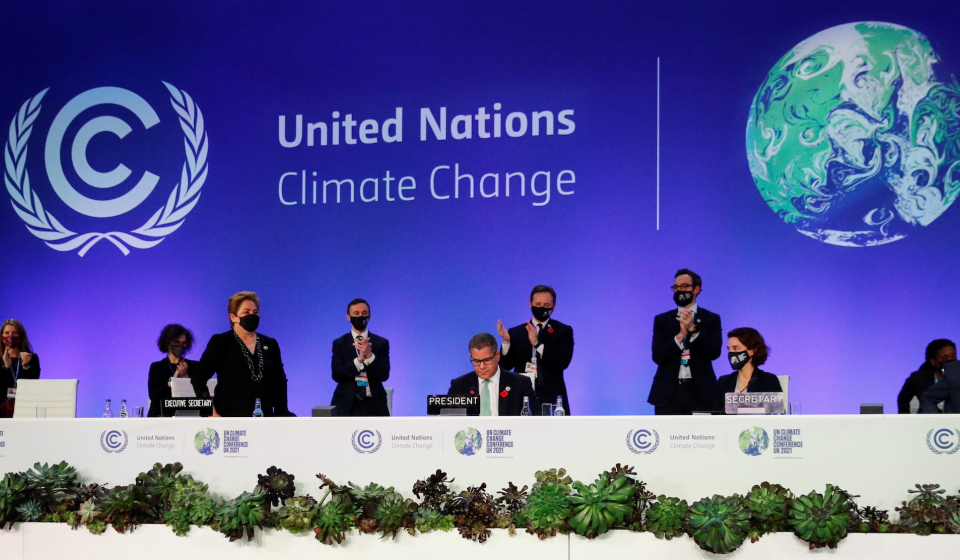
Over the years, the UN Climate Change Conference has gone through a significant evolution: from discussing scientific data on climate change to developing practical steps to reduce greenhouse gas emissions and adapt to climate change. Significant milestones in the development of the Conference were:
- adoption of the Kyoto Protocol in 1997, which obliged developed countries to reduce greenhouse gas emissions;
- the adoption of the Paris Agreement in 2015, which aimed to limit the global temperature increase to a level significantly below 2 degrees Celsius compared to pre-industrial levels;
- adoption of the final declaration at the UN Climate Change Conference on tripling nuclear power capacity to reduce carbon dioxide emissions.
What preceded this?
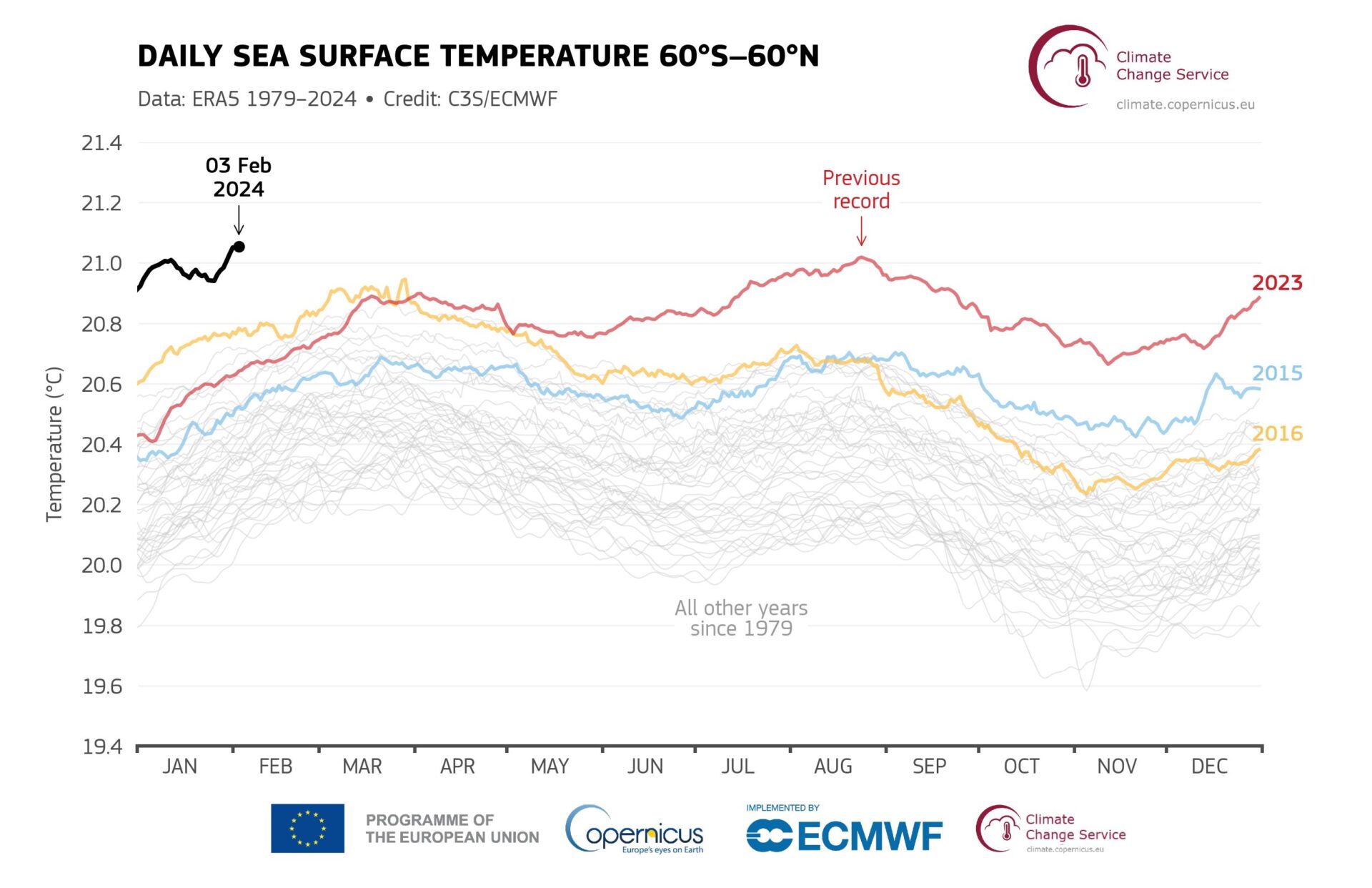
Thus, 2023 was officially recognised as the hottest year in the history of observations, which have been conducted by specialists since 1850. According to the EU Climate Change Service, the average temperature on the planet last year was 1.48 degrees Celsius higher than in previous years. As a result, the planet suffered from droughts, floods, typhoons, glacial melting and deadly fires throughout the past year.
In addition to purely climatic reasons, Russia’s armed aggression against Ukraine played an important role in the trend toward reducing global fossil fuel consumption and in many countries’ revision of their strategies in favour of a “green transition.”
The reaction of the civilised world to Russia’s invasion of the territory of sovereign Ukraine was the imposition of large-scale international sanctions against the import of Russian energy carriers, which caused a series of energy crises in countries dependent on Russian exports. This situation forced countries dependent on Russian energy to look for islands of energy stability and adapt their policies to favour renewable energy sources (solar, wind, hydro, and nuclear).
What are the prospects for a “green transition” in today’s realities at the expense of nuclear technologies?
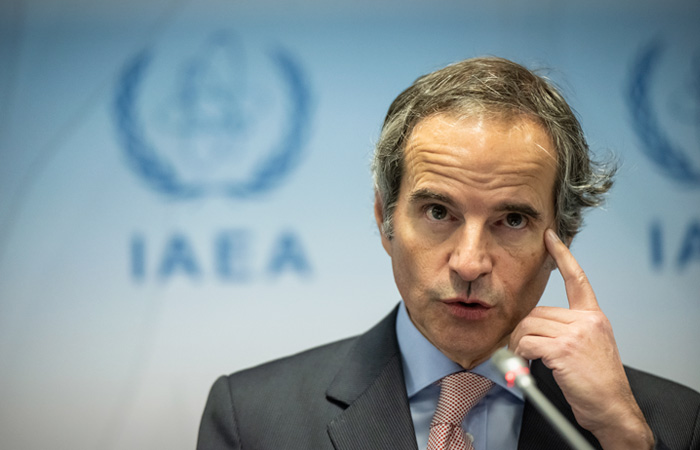
It is not surprising that the main apologist for the development of nuclear energy in the world is IAEA Director General Rafael Grossi, who, at the UN Climate Summit in Dubai (COP28), emphasised the importance of this area for achieving the goals of reducing greenhouse gas emissions to the levels set at the Paris Summit in 2015. It should be recalled that in 2023, the European Parliament included nuclear energy in the list of 17 so-called “green” technologies specified in the EU Energy Net-Zero Industry Act (Net-Zero).
At the same time, the intentions declared at COP28 require substantial strategic financial investments that only governments of developed countries or large financial institutions can afford to turn into reality.
The threefold increase in nuclear generation by 2050 agreed upon by the participating countries requires significant investments in new projects and technologies, – the IAEA Director General said.
At the first nuclear summit in Brussels in March 2024, European Commission President Ursula von der Leyen noted that nuclear energy faces challenges such as attracting investments that expand opportunities for a “clean transition”. According to Morgan Stanley analysts, the “nuclear renaissance” cost will be about USD 1.5 trillion and about USD 128 billion annually to support the operation of new nuclear facilities.
However, as a result of global scepticism towards nuclear energy, the statutory documents of international financial institutions prohibit investing in nuclear technologies. Thus, the IAEA Director General Rafael Grossi emphasises that “the charter of some international lenders excludes financing of nuclear energy. The World Bank, for example, has not invested in the industry since 1959”. According to Grossi, this position is outdated and meets no modern scientific or technological criteria.
Indeed, the World Bank has specific rules and policies governing its nuclear energy financing activities. In accordance with the charter and internal rules, the World Bank supports projects that contribute to poverty reduction, infrastructure development, and energy security, with a preference for renewable energy sources. The financial risks taken into account by all international financial institutions include: emergencies, high project costs, long implementation time, nuclear waste disposal, military and political instability affecting nuclear and radiation safety, and competition with renewable energy sources (RES).
Therefore, the first and foremost task for the implementation of the plans declared at COP28 is to attract new investments, which requires governments and international financial institutions to ensure the availability of nuclear energy financing, especially for developing countries.
In this context, France, as the European nuclear energy market leader, is trying to unite like-minded countries to enlist their support to launch EU-funded nuclear energy projects.
Thus, in recent years, the French side has implemented a project – the European Industrial Alliance for the Production of Small Modular Reactors (SMR), which united EU countries around the development of this idea and their potential to ensure energy security and reduce carbon emissions. The prospects of this idea are emphasised by the fact that the Alliance unites countries that are skeptical or neutral towards nuclear energy, in particular: Germany, Spain, Belgium, and Italy. However, introducing innovations in the nuclear industry, particularly nuclear technologies such as small modular reactors, can change the financing models for nuclear energy in general and make the industry more attractive to investors in particular.
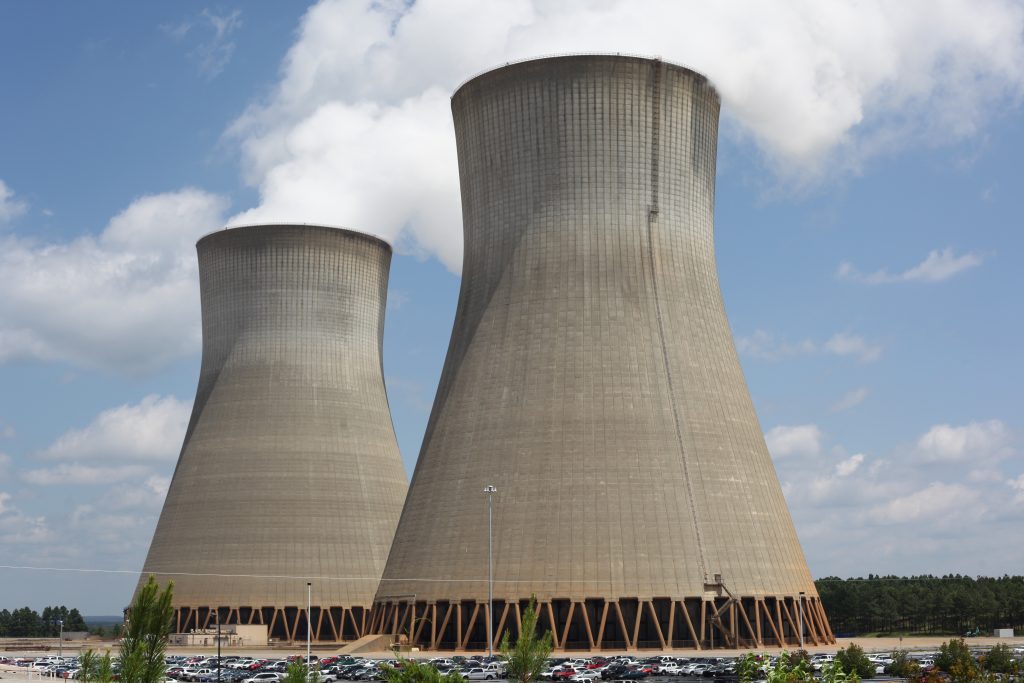
Ukraine, like France, has a unique experience in the nuclear industry. Therefore, it seems quite logical to establish a dialogue between the national nuclear power plant operators Energoatom and Électricité de France (EDF). Among the promising areas of cooperation are the study of: third-generation reactor technology (EPR); French small modular reactor technology (NUWARD); and the exchange of experience in operating nuclear power plants, maintaining an appropriate level of safety, reliability and efficiency of nuclear reactors.
Combining efforts to increase the role of nuclear energy in the EU is important for achieving climate goals and also confirms the correctness of the Ukrainian government’s strategy for developing nuclear energy.
The experience of the “green transition” of countries rich in fossil energy resources, in particular Azerbaijan, is interesting and illustrative. This year’s COP29 Conference meeting will be held in the Azerbaijani capital. Although the Azerbaijani leadership highly appreciates the decision of the COP28 delegates to choose Baku as the venue for the 2024 Conference, they are absolutely sure that there are justified reasons to make such a decision.
Azerbaijan is making its own contribution to overcoming the effects of global warming and developing green energy. There is a steady trend where countries with large fossil fuel reserves and production are at the forefront of the worldwide policy of decarbonising the world economy and industry.
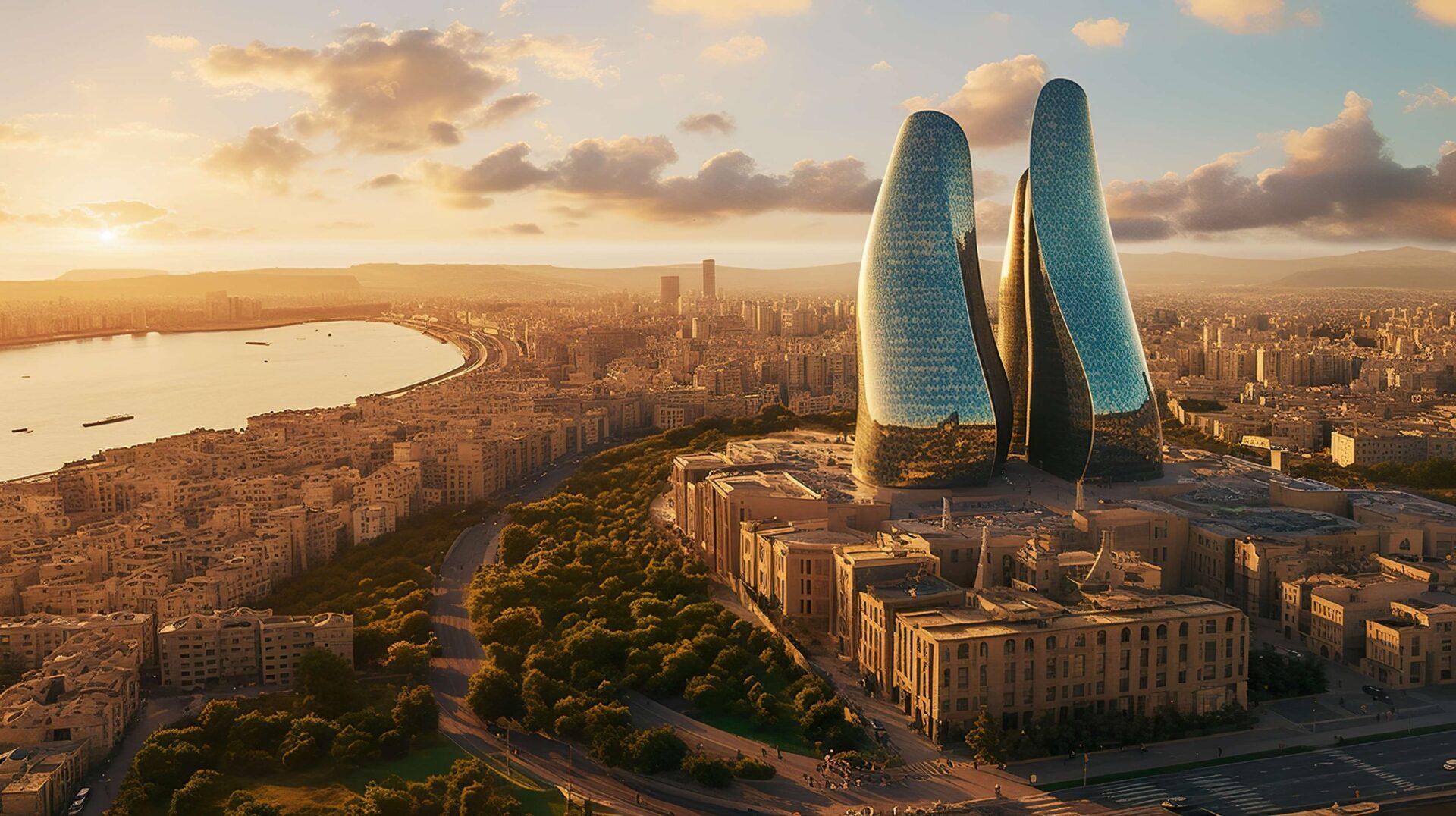
On December 17, 2022, Azerbaijan, Georgia, Romania, and Hungary signed a multilateral strategic partnership agreement that provides for the construction of an energy bridge to transport green energy (generated by wind farms in Azerbaijan) from the South Caucasus region to Europe.
And, in early September 2024, in Bucharest, the parties to the Agreement have already established a joint venture to develop the Black Sea Green Energy Corridor project, which will allow for the organisation of trade in decarbonised electricity and hydrogen between the South Caucasus and the EU. As part of this agreement, a submarine electric cable with a nominal capacity of 1000 MW (with the potential to increase capacity to 4 GW) and a length of 1195 kilometres was laid.
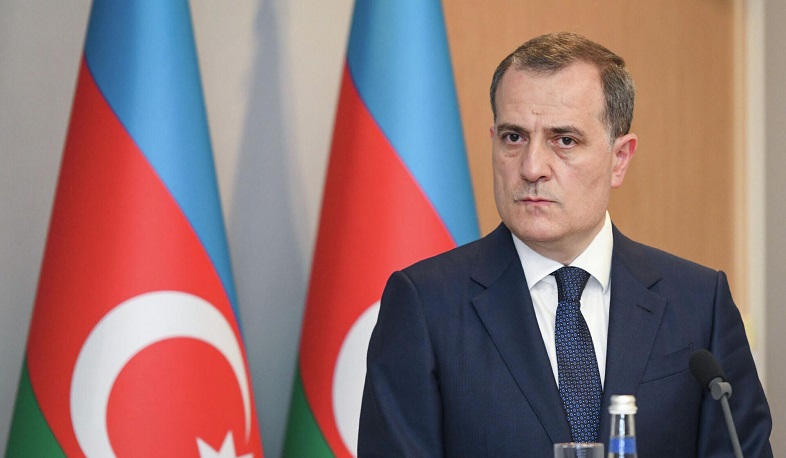
In his speech at this year’s Nuclear Energy Summit in Brussels, Azerbaijani Foreign Minister Jeyhun Bayramov said:
We, as the host country of COP29, are committed to becoming the engine of efforts to achieve the significant results that will be declared during this important event. And we believe that promoting the simplification and accessibility of nuclear energy technologies is an essential issue on the agenda of discussions during the COP29 meeting.
Despite its rich deposits of oil and natural gas, as well as its developed production infrastructure, Azerbaijan has pledged to develop its renewable energy potential. These intentions formed the basis of the country’s state plan to reduce greenhouse gas emissions by 40% by 2050. In addition, Azerbaijan also plans to increase its renewable energy capacity by 30% by 2030, diversifying its energy system and becoming a leader in green energy to reduce the annual temperature rise on Earth.
Azerbaijan is actively developing the following types of RES:
- Wind power generation – is the most promising type of power generation. In close cooperation with such companies as ACWA Power and Masdar, the potential of offshore (157 GW) and onshore (about 3 GW) power plants is actively used.
- Hydropower generation – accounts for up to 10% of the annual national electricity production, making hydropower an integral part of achieving the zero emissions goals by 2050. Interestingly, about 25% of freshwater resources are located in the de-occupied regions of Karabakh and Eastern Zangezur.
- Solar power plants – have a production potential of 23 GW due to favourable climatic conditions that provide 2400-3200 hours of sunshine per year. The country is actively developing the infrastructure for solar power generation based on public-private partnerships and loans.
- Green hydrogen – With the financial assistance of the European Bank for Reconstruction and Development, Azerbaijan launched low-carbon hydrogen production in February 2023 and continues to support the dynamic development of this industry sector actively. In the medium term, thanks to agreements with global private technology partners, it is possible to increase the production potential of this energy source to 10 GW.
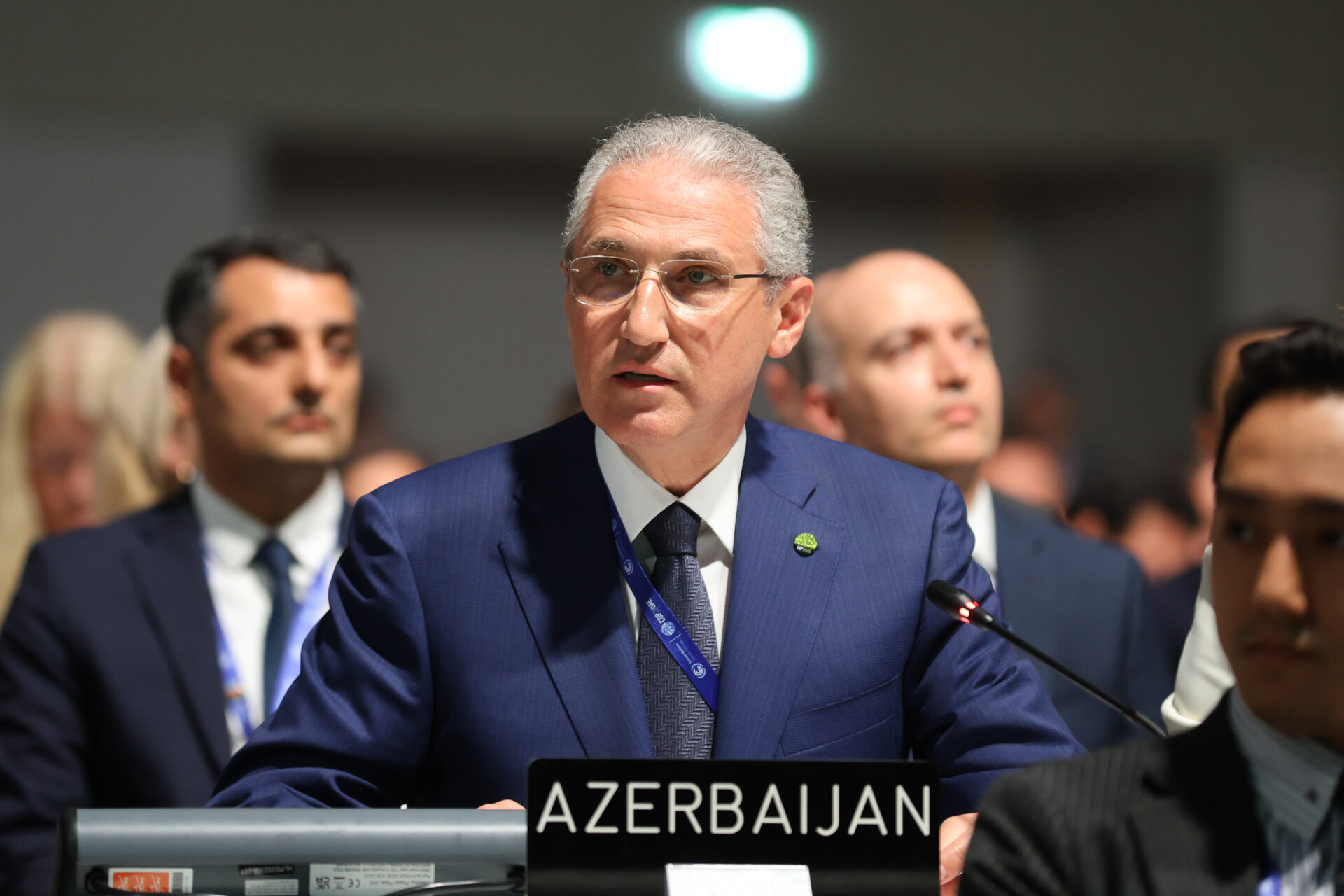
According to the President of COP29, Minister of Ecology and Natural Resources Mukhtar Babayev:
Azerbaijan clearly realises that it must set an example of active implementation of measures to combat climate change.
What to expect from the Climate Summit in Baku?
Thus, introducing innovations, particularly small modular reactors, has launched competition between leading countries and companies to bring this technology to the market. More than 80 SMR projects around the world are moving forward. Undoubtedly, reducing greenhouse gas emissions in both the energy and industrial sectors, ensuring energy security, and increasing energy sustainability through the implementation of SMR will be one of the main topics at the COP29 Climate Summit.
Back during the COP26 conference in Glasgow, developed countries announced that they intended to create a $100 billion fund to implement decarbonisation ideas, mainly by developing nuclear technologies. This issue remains only in words. However, the COP29 may become a platform for practical discussions on financial support for nuclear energy and nuclear technologies.
The financial issue in the context of nuclear energy development is also essential for Ukraine. The Ukrainian side has now declared the development of nuclear power generation through the construction of nuclear power plants with high-capacity reactors (VVER-1000 and AP1000 using Westinghouse Electric technology), as well as the construction of small modular reactors by Holtec.
Ivan Fanin, PhD in Political Science and Olena Kotelyanets, PhD in Political Science