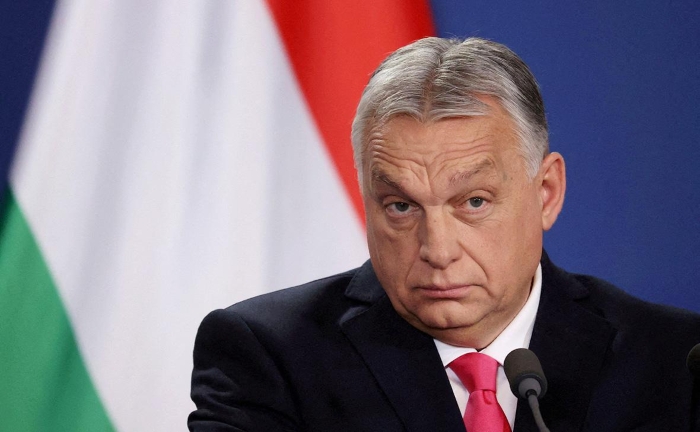


While Ukraine is accused of “antidemocratic tendencies” because wartime conditions make elections impossible, the closest European partner of the United States, Hungarian Prime Minister Viktor Orbán, is advancing steps toward authoritarian rule. Orbán is now exploring the idea of assuming the presidency. He is also preparing to rewrite key laws and turn the office into the most powerful position in Hungary.
Orbán’s Plan
Orbán’s main goal is to retain control over Hungary regardless of the result of the parliamentary elections planned for April 2026. The Hungarian parliament, which Fidesz dominates, recently approved a bill that increases the difficulty of removing the president. Under the new rules, parliament can remove a president only with a two-thirds majority. Before the change, a simple majority was enough, so the shift strengthens this position.
The current president, Tamás Sulyok, is a long-time Orbán ally from conservative circles, and his mandate extends until 2030. However, Orbán may elevate himself to the presidency. This move would allow him to operate shielded from parliamentary oversight.
To execute this plan, Orbán must rely on the constitutional majority that Fidesz holds. He needs to act before the next elections because a different political balance would make such structural changes impossible.
Opposition Gains Momentum
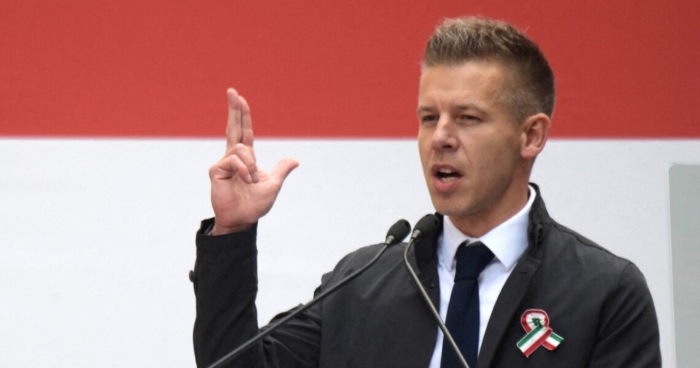
Tension in Hungary continues to grow as the elections approach. Two days ago, on December 9, Péter Magyar, who is now the opposition’s most visible figure, called on Orbán to resign after new allegations of minor abuse at a state-run center in Budapest became public.
Viktor Orbán has no choice but to dismiss his government. I also call on the president to speak out and call parliamentary elections at the earliest possible date, Magyar said.
Ukraine in Orbán’s Narrative
Orbán uses Ukraine as a tool in his domestic narrative. He often claims that if the opposition reaches power, Hungary will be drawn into war.
In the opposite, appeasing dictators does not prevent conflict. Hungary, which once paid a high price to free itself from Soviet domination, now faces a leader who neglects it.
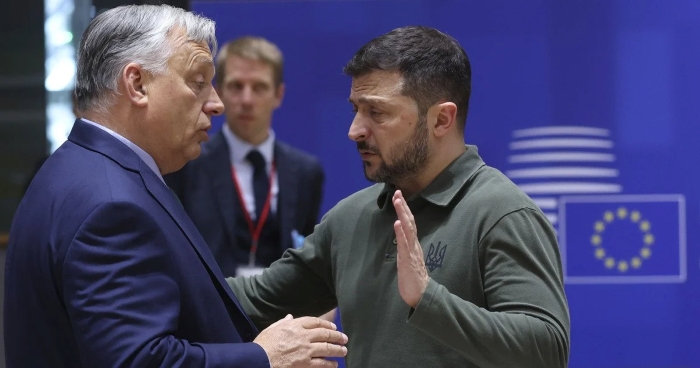
Conclusion
Viktor Orbán appears determined to secure power at a level similar to the political figures he considers role models, such as Putin, who changed his constitution to rule for an unlimited period. Also, Orbán benefits from a favorable political climate in the United States.
Polls show that the coming elections remain uncertain. The opposition is ahead by only about ten percent, so the race is close. However, such actions show clearly: Orbán is no longer confident about an easy victory. His accelerated institutional changes point to preparations for a future in which he might lose power, yet still ensure that he never truly leaves control.