

Since its independence, Ukraine has made significant progress towards European integration. Since 2022, Ukraine has had the official status of an EU candidate country. This was preceded by the signing of the Association Agreement in 2014 and the visa-free regime in 2017. The Kremlin’s efforts are aimed at blocking Ukraine’s rapprochement with the EU. The Russians’ arsenal includes corruption, blackmail, political and economic pressure, force and information tools.
The Center for Strategic Communications and Information Security’s study “Kremlin’s Anti-European Narratives: A Map of Information Threats to Ukraine”, analyzes Russian interference in the Ukrainian media field.
Kremlin’s anti-European narratives
The Kremlin seeks to make destructive narratives an organic part of the information field of the attacked states. The narratives are targeted at the Ukrainian audience:
- “Ukraine is a puppet of the West”;
- “European elites benefit from the war in Ukraine”;
- “EU countries claim Ukrainian territories”;
- “Europe is experiencing spiritual decline”;
- “The European Union is doomed to collapse”.
Each of them is aimed at undermining the Ukrainian audience’s trust in European values, European countries, the EU, and Europe as a whole. At the same time, Russians are trying to “normalize” and legitimize their own aggression against Ukraine by attributing similar plans or aspirations to European states.
Russian tactics: memes, fakes, manipulations
Destructive narratives are promoted in the Ukrainian media field not only by spreading false or manipulative information, but also by changing the lexical and semantic field.
The narrative about the “spiritual decline of Europe” is a part of an array of verbal and visual memes that have been promoted since at least the early 2000s. The terms “Gayropa” and ‘Eurosodom’ are part of anti-European rhetoric and the narrative of “spiritual decline.”
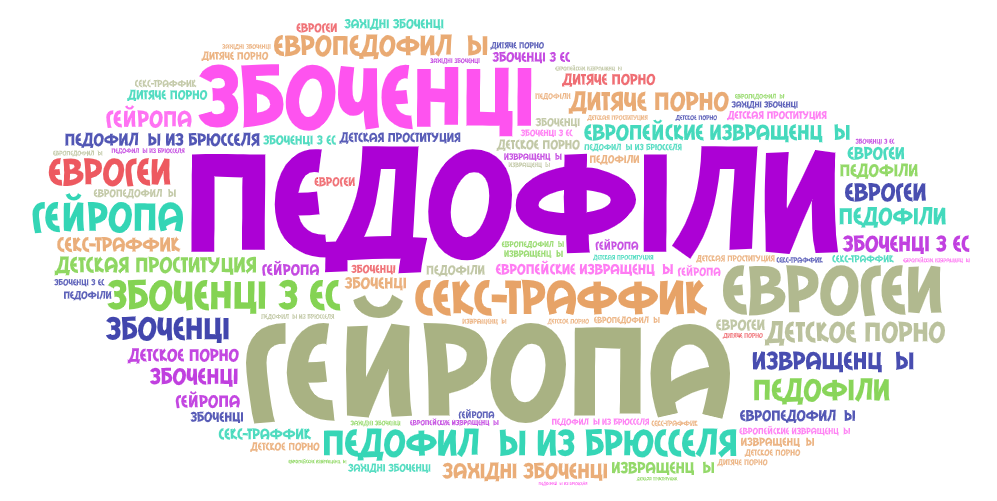
The Russians resort to generating newsworthy events that Ukrainian and foreign media cannot ignore. They regularly quote statements by Putin and other top Russian officials who talk about an “LGBT dictatorship” or ‘predict’ the “inevitable collapse of the EU.”
Anti-Jewish narratives are also promoted through the production of fake news and manipulation of information.
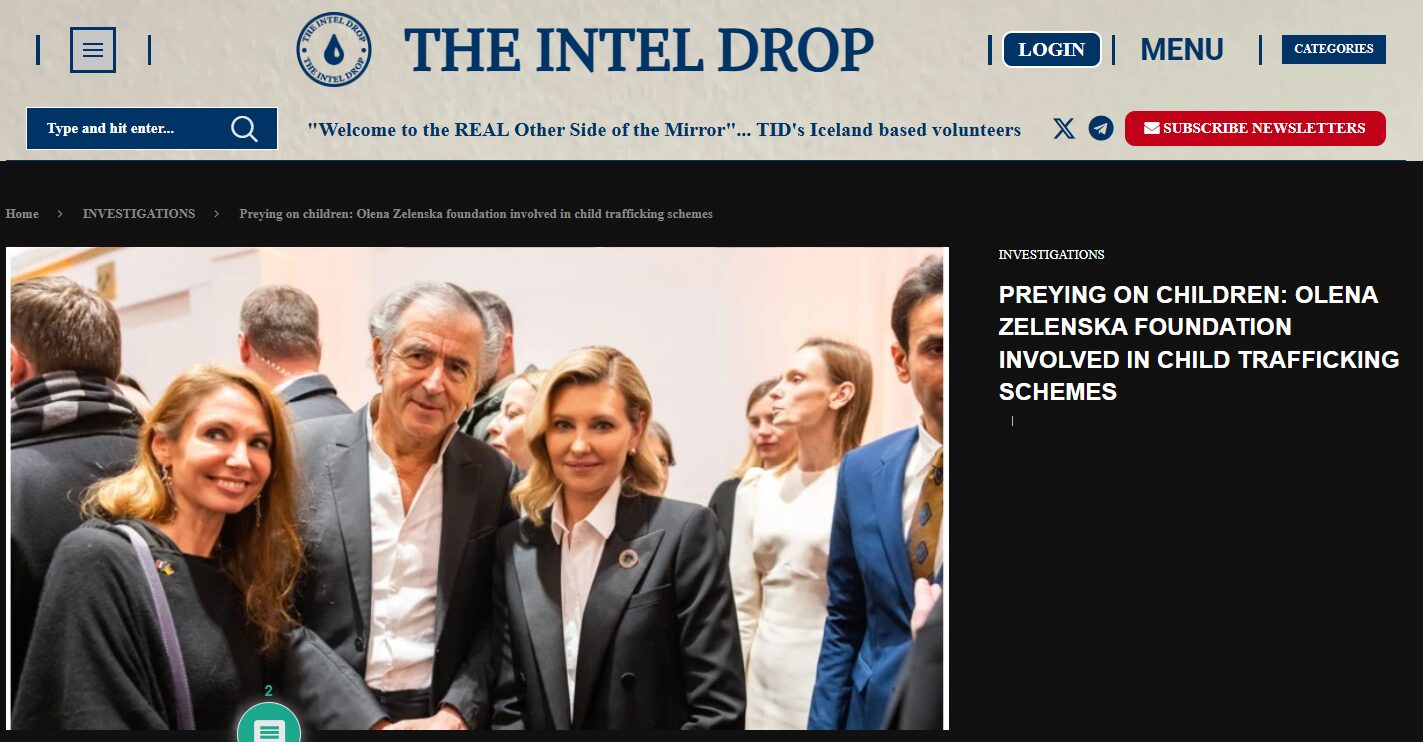
One of the most extreme manifestations of the promotion of the narrative of the “spiritual decline of Europe” is the spread of conspiracy theories and fakes about the involvement of European and Ukrainian elites in organizing child sex trafficking from Ukraine to the EU.
In 2023-2024, information operations were conducted, with First Lady Olena Zelenska being the main target of attacks.
Russian tactics: access to the Ukrainian audience
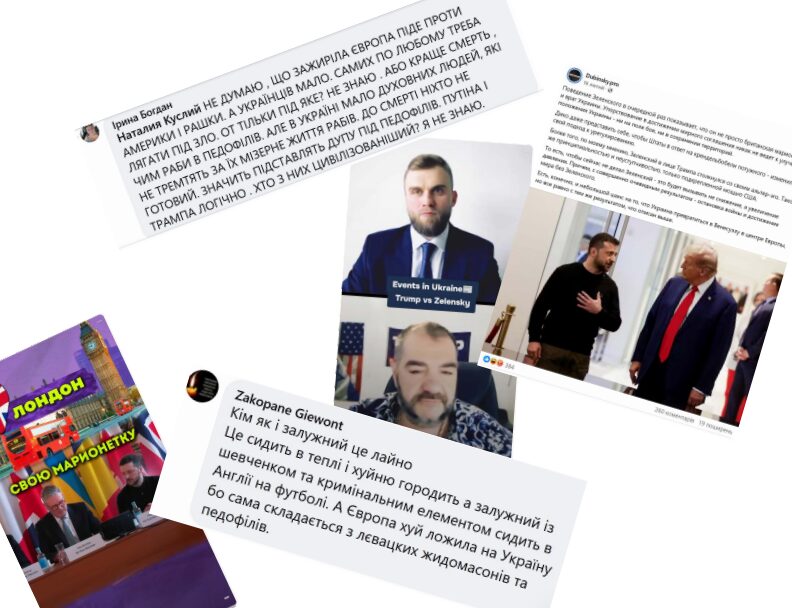
With Russian social media and other information resources blocked, Russian special services are finding other access points to the Ukrainian audience. They use:
- pseudo-Ukrainian Telegram channels and other media that mimic Ukrainian ones;
- Russian influence agents who work for the Ukrainian audience and spread destructive narratives;
- TikTok videos with hashtags popular in Ukraine;
- resources targeting residents of the TOT of Ukraine;
- comments to publications in the Ukrainian segment of social networks and online resources with a Ukrainian audience.
Conclusions.
Russian interference in the Ukrainian media field is aimed at spreading Euroscepticism and forming strong negative prejudices against the EU, European countries, values, and lifestyles in general.
Destructive narratives “explain” to the audience that Europe is to blame for Ukraine’s problems, including Russian aggression. To influence the information space, both fakes and manipulative coverage of facts and real problems are used, and trends in media consumption are taken into account.
To prevent information threats and minimize the harmful effects of Russian interference, the efforts of the state and non-state actors should be aimed primarily at forming and promoting constructive narratives, as well as reducing the resources that Russia can direct to information warfare.
Serhii Zhukov, analyst of Centre for Strategic Communication and Information Security