

The full-scale war in Ukraine has lasted more than 3,5 years. This figure excludes the war in Donbas, which began in 2014. This conflict is no longer simply a “war for independence.” It has deeply reshaped Ukraine’s society, economy, and politics. Ukraine has passed through several major stages: the rapid invasion, the defeat of Russia’s so‑called “second largest army” near Kyiv, Ukrainian counter‑attacks, the rise of drone warfare, and now a war of attrition in which both sides are exhausted.
The war between Russia and Ukraine is one of the longest in modern history. It has displaced millions of people, destroyed cities, and forced important political decisions to be made under a state of emergency.
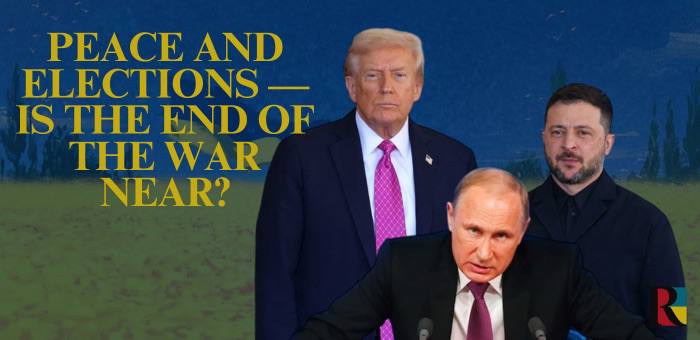
But statements that the war could end by the end of the year are becoming increasingly common in Ukrainian politics. Although official peace talks have not yet begun, some politicians are already making “peaceful” statements. This raises an important question: are these statements based on real achievements on the front lines, or are they part of an election strategy?
The Discussions of Ending the War
Today political communication in Ukraine exists under a strange duality. While no official negotiations are underway, the talk of peace is appearing more frequently — not only from diplomats, but also from politicians seeking electoral capital.
This phenomenon reflects a broader trend in modern wartime politics: when the battlefield stalls, the narrative shifts to offer psychological reassurance to a war-fatigued society. Ukrainian leadership faces the enormous challenge of maintaining national resilience while also managing public expectations.
In this context, some experts warn that ceasefire discussions could simply serve as temporary illusions.
Peace is Real?
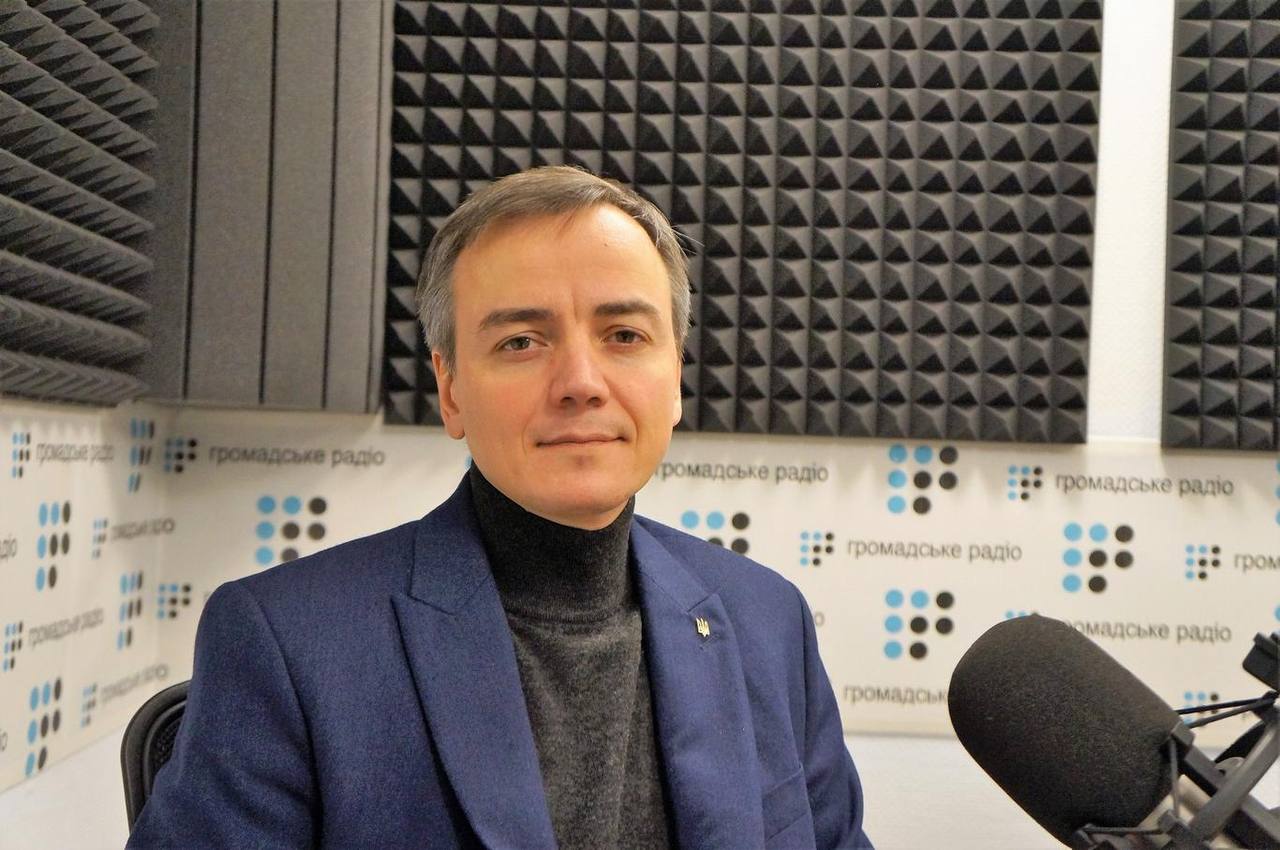
Olexander Khara, Executive Director of the Centre for Defence Strategies in Kyiv, insists that peace cannot be simplified into mere absence of shelling. Drawing on historian Michael Howard’s definition, he explains:
“Peace, as defined by Michael Howard, is more than the mere absence of war. True peace entails the establishment of a just and stable order within and between states.”
For Ukraine, that implies a decisive military and strategic defeat of Russia, rather than simply forcing a pause in combat. Khara continues:
“Since Russia’s objectives are twofold – the subjugation of Ukraine and the reestablishment of its hegemony in Europe – true peace can only be achieved through Russia’s defeat and the strengthening of the European security architecture.”
He warns of short-term ceasefires being used by Russia as tactical breathing space:
“Putin may agree to a partial ceasefire if he concludes that Ukraine’s long-range strikes against energy infrastructure are on the verge of undermining his ability to sustain the war and maintain power. However, as long as he retains the capacity to wage war and Ukraine remains vulnerable, hostilities will inevitably resume.”
In such a case, it could mean that a temporary truce could simply be a tactical pause for Russia. Any such arrangement without structural guarantees is dangerous.
This strategic lens is echoed by Canadian journalist Neil Hauer, who warns against premature optimism:
“I think that there is zero chance that the war will end by the end of 2025 and almost zero chance for it to end even in 2026.”
Hauer’s view is shaped by frontline dynamics and the lack of incentive on either side to compromise. While some Ukrainian officials publicly promote optimism, Hauer sees no strategic shifts that would support such a sudden resolution.
Indeed, the realities on the battlefield point to a prolonged stalemate, with neither Russia nor Ukraine willing to make concessions. In this context, any narrative of an imminent peace risks being more aspirational than grounded.
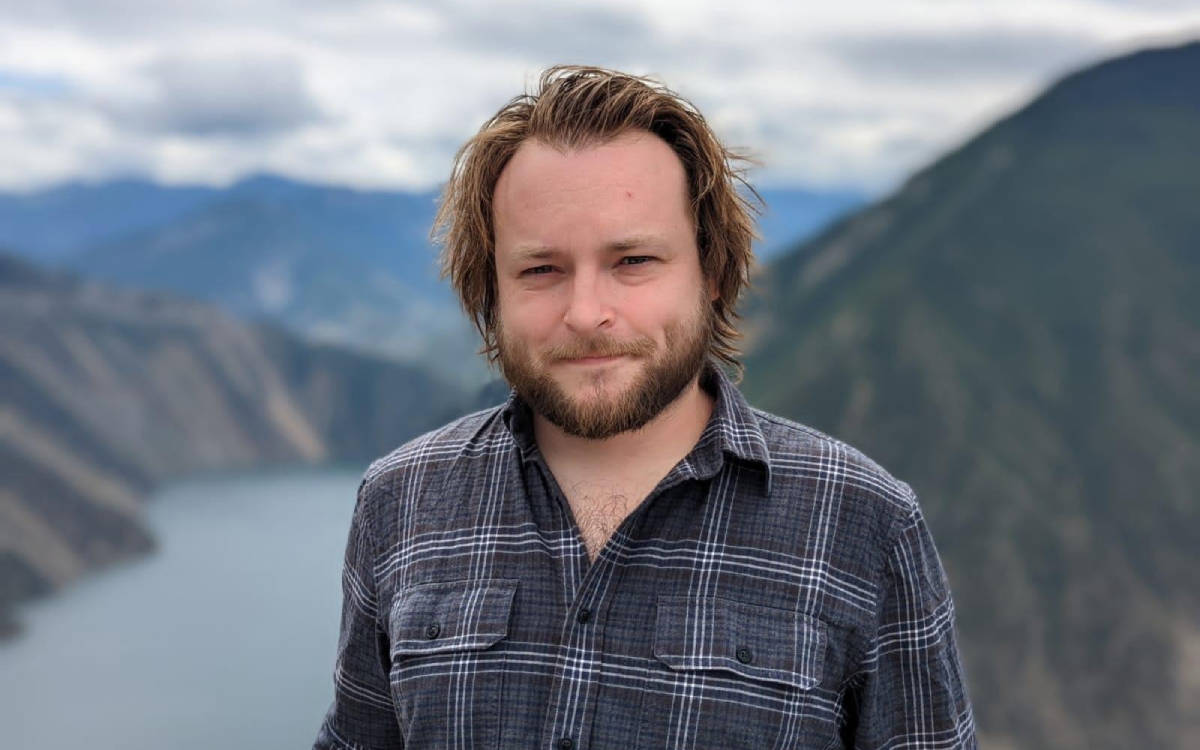
Radio Free Europe correspondent Rikard Jozwiak sees the potential for a ceasefire — but little more:
“I think we might have a ceasefire at some point this year or early next year, but it will be an unstable one and the war will in fact continue on and off for many years to come — very much like after the Minsk agreements in 2014–2015.”
His mention of the Minsk agreements evokes memories of deals that aimed to freeze the conflict without resolving it.
A Gradual Ceasefire: Fact or Fiction
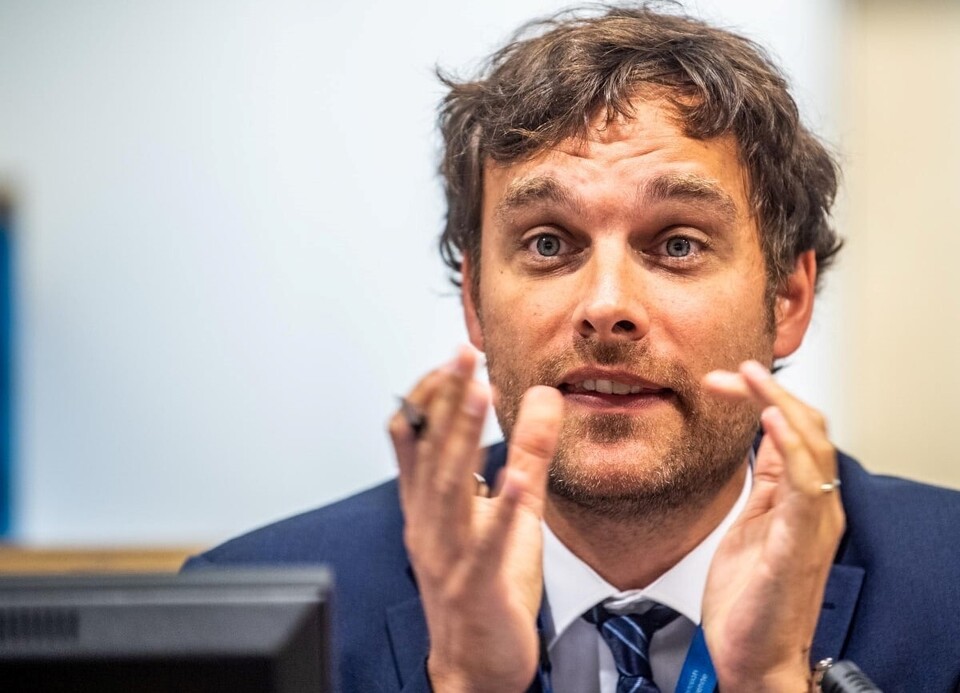
Adding a more voice, Volodymyr Savchenko, CEO of The Ukrainian Review, suggests that a partial ceasefire framework could realistically emerge in the short term:
“In my personal view, the active phase of the war in Ukraine may come to an end this year, or at least a framework for a partial ceasefire could be developed and agreed upon by both sides.”
He sees this process beginning with the cessation of missile and drone attacks deep inside Ukrainian territory, followed by halts in offensive operations. However, he does not mistake this for full peace:
“This would not mean a full end to the war, but rather a gradual process.”
Savchenko also suggests that foreign political interests especially those of Donald Trump’s team might pressure both sides toward visible results:
“For them, this is not only a political goal but also a matter of image — they will invest considerable effort to demonstrate tangible results.”
This brings in a critical external variable where international political events and agendas increasingly shape internal wartime discourse.
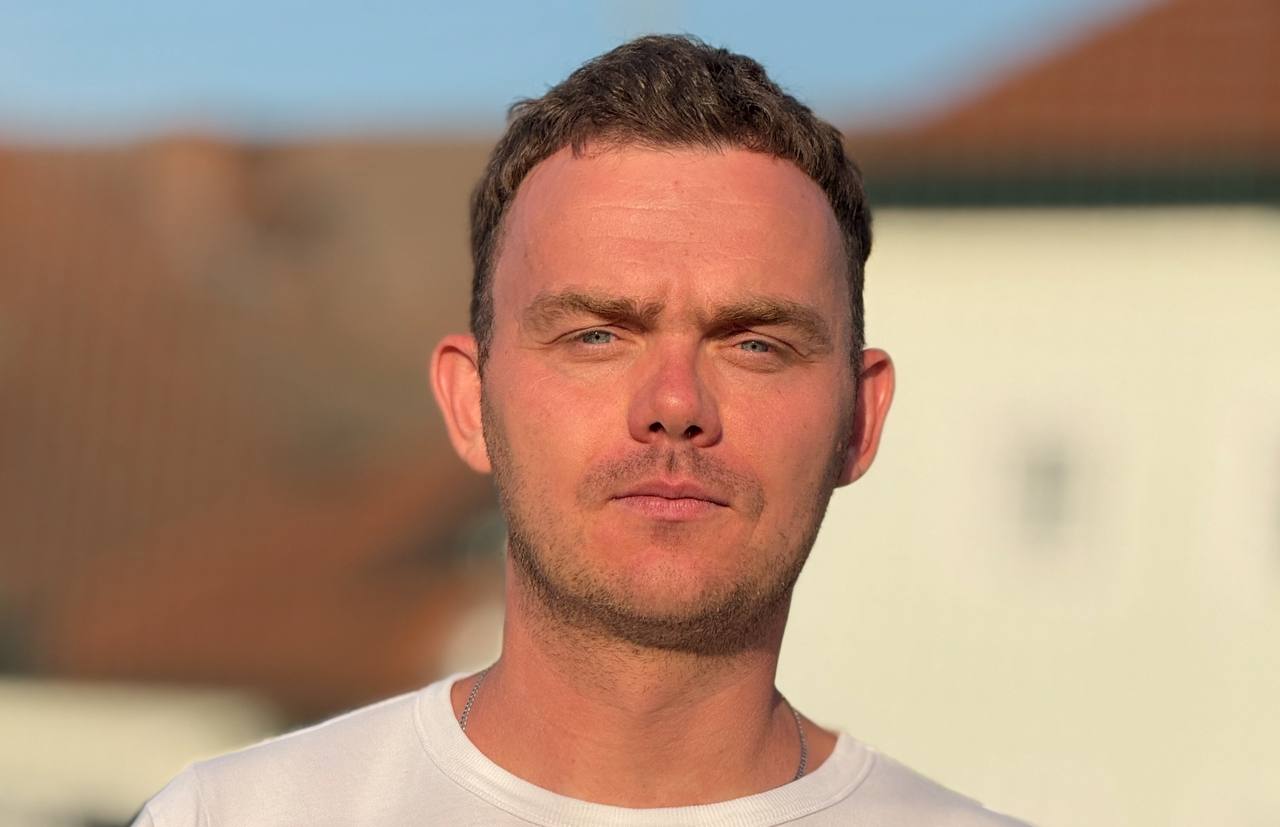
Pastor Mark Burns, described by Time Magazine as Donald Trump’s top pastor, sees the war as fundamentally spiritual as well as geopolitical.
“The war in Ukraine is not just a military battle. It is a spiritual one. It is about light versus darkness, truth versus tyranny.The people of Ukraine are not only fighting for land, they are defending the dignity of every free nation. And when you are up against an enemy like Putin’s regime, who seeks to destroy not just cities but the soul of a people, you cannot set deadlines. You must stand firm, however long it takes.”
For him, peace cannot be scheduled or politically manufactured. Burns’ spiritual framing elevates Ukraine’s struggle into a broader civilizational clash, rather than a territorial one.
Elections: Signal of Strength or Risk
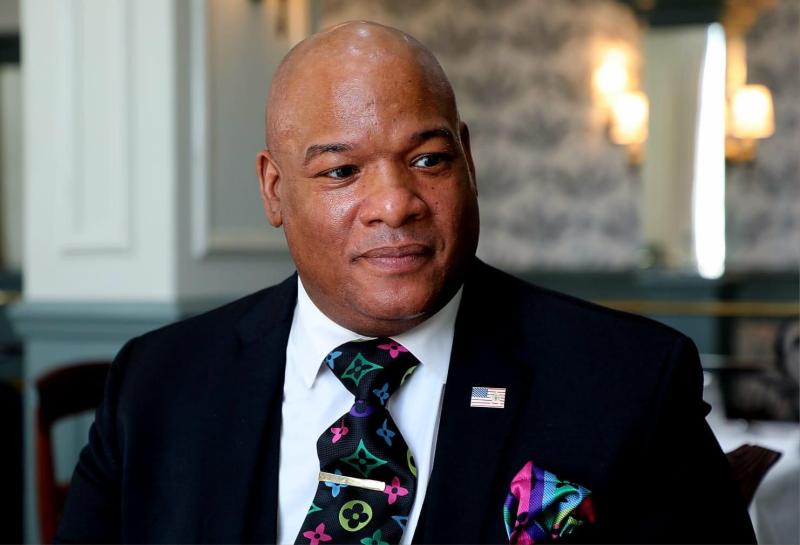
By late 2024, communications specialist Yuriy Bohdanov noted that Ukrainian politicians were quietly preparing for elections. A year on, the pattern remains. No party publicly admits to campaigning — discussing this during wartime would be political suicide — but behind the scenes, “party activity” is gradually starting, media presence is expanding, and the word “peace” is entering political speeches.
Speaker of the Parliament Ruslan Stefanchuk confirmed that a special law is in development to regulate postwar elections. Yet experts remain divided.
CEO Volodymyr Savchenko expresses concern over the quality and motives of some would-be candidates:
“Some Ukrainian politicians are already running covert or even open campaigns ahead of the possible 2026 elections. Many of them remain populists with a low level of competence, thinking not in terms of national responsibility but in terms of ratings.”
He fears the conversion of war profiteering into political capital:
“Power could be seized by those who profited from the war. These individuals are now trying to convert their stolen wealth into political capital. This could deliver a fatal blow to the country — not from the outside, but from within.”
By contrast, Pastor Mark Burns sees election preparations as an act of resilience:
“In the middle of war, they are still thinking about the future. Still planning for the day after victory. That is not a distraction. That is faith in action. That is hope with its sleeves rolled up. Democracy does not wait for the bombs to stop falling to take root. It grows in defiance of them. So while some may question the timing, I see it as a bold stand that Ukraine will not be defined by destruction, but by determination.”
Burns is convinced that even during war, continuing democratic processes like elections is not a weakness but a sign of strength.
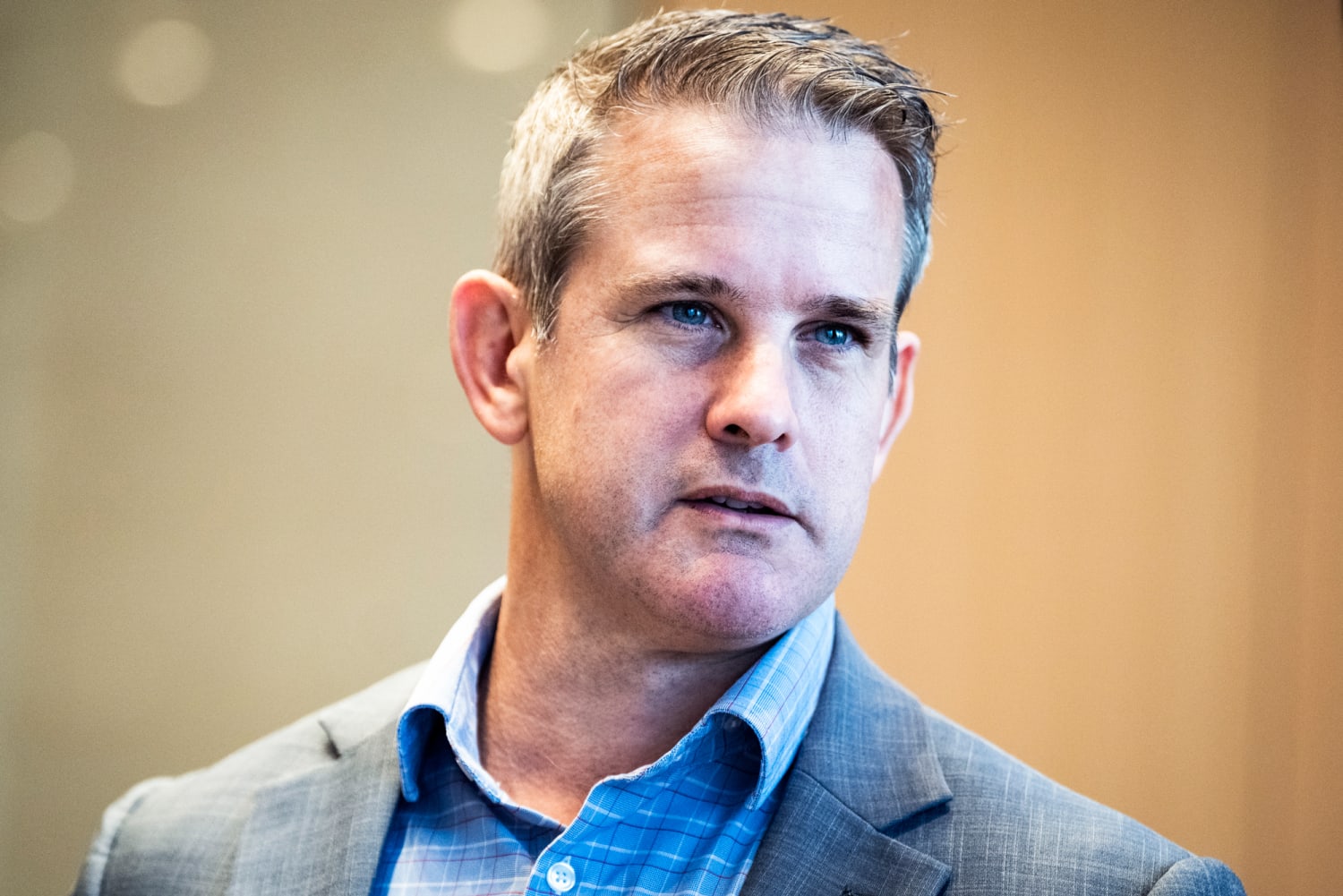
Adam Kinzinger, a former US congressman and senior political commentator at CNN, expressed a different view. While he supports democratic values, he urges caution:
“In a democracy it’s difficult to stop people from campaigning or positioning. In the US it is constant. But each person should do so with a message of unity of purpose to defeat Russia. And elections should be suspended until the war ends.”
Ukraine’s Official Voices: Peace, Power, and Political Timing
Talk about how the war might end and when elections could happen is becoming more common. In response, key Ukrainian politicians have begun to share their views more openly — some carefully, others more directly.
In October 2025, President Volodymyr Zelenskyy said Ukraine is “close” to a potential end to the war.
Earlier this year, Kyiv Mayor Vitali Klitschko suggested that temporary territorial concessions could be considered as part of a peace deal. After public backlash, he clarified he doesnʼt support such compromises.
Other key figures have taken a more guarded stance, especially regarding the issue of elections during wartime. Former President and opposition leader Petro Poroshenko has argued that holding elections now would be divisive. Yulia Tymoshenko, leader of Batkivshchyna, has echoed this position.
Valeriy Zaluzhny, former Commander-in-Chief and now Ukraine’s ambassador to the United Kingdom, has been particularly firm. In public statements, he categorically rejected the idea of wartime elections and dismissed speculation about launching a political party of his own.
Centralization as a tool for control?
Ukraine remains a democratic country. However, some steps to centralize power under martial law, especially the creation of city military administrations, have raised questions and concerns. These measures are officially meant to keep the regions safe, but in some cases, they may limit the powers of local governments. Here are some examples.
In Kyiv, a city military administration has operated since 2022, currently led by Timur Tkachenko. As a result, Mayor Vitali Klitschko has fewer powers. This situation has caused public debates. People talk about how to balance security and democracy.
A year later the military administration in Chernihiv after the mayor was removed by court decision. Since then the structures have been operating in parallel. The city now operates under “dual power”, with conflict between civil and military leadership.
In October 2025, changes reached southern Ukraine. By presidential decree, a city military administration was established in Odesa. This followed the resignation of former mayor Hennadii Trukhanov, after the Security Service of Ukraine confirmed he held a valid Russian passport. Serhii Lysak was appointed as the new head, and the government allocated significant resources to strengthening the region’s security.
Such measures are typical for states at war. Similar models of temporary centralization of power have been used in other countries during armed conflicts. However, it is important that such mechanisms remain temporary and do not become an instrument of political pressure or a replacement for elected authorities.
Western diplomats in Kyiv remain cautious but are monitoring these developments closely.
Conclusion
Ukraine is entering a phase where both its military endurance and democratic maturity will be required. The dual task of defending the nation and preserving democratic processes will define the period ahead.
When Ukrainian politicians say the war could end by the end of 2025, their words deserve close scrutiny. These messages may reflect more of the election calendar than the reality on the battlefield. Therefore, despite the war-weary population’s hopes, it is important to stay calm and critically evaluate such statements.
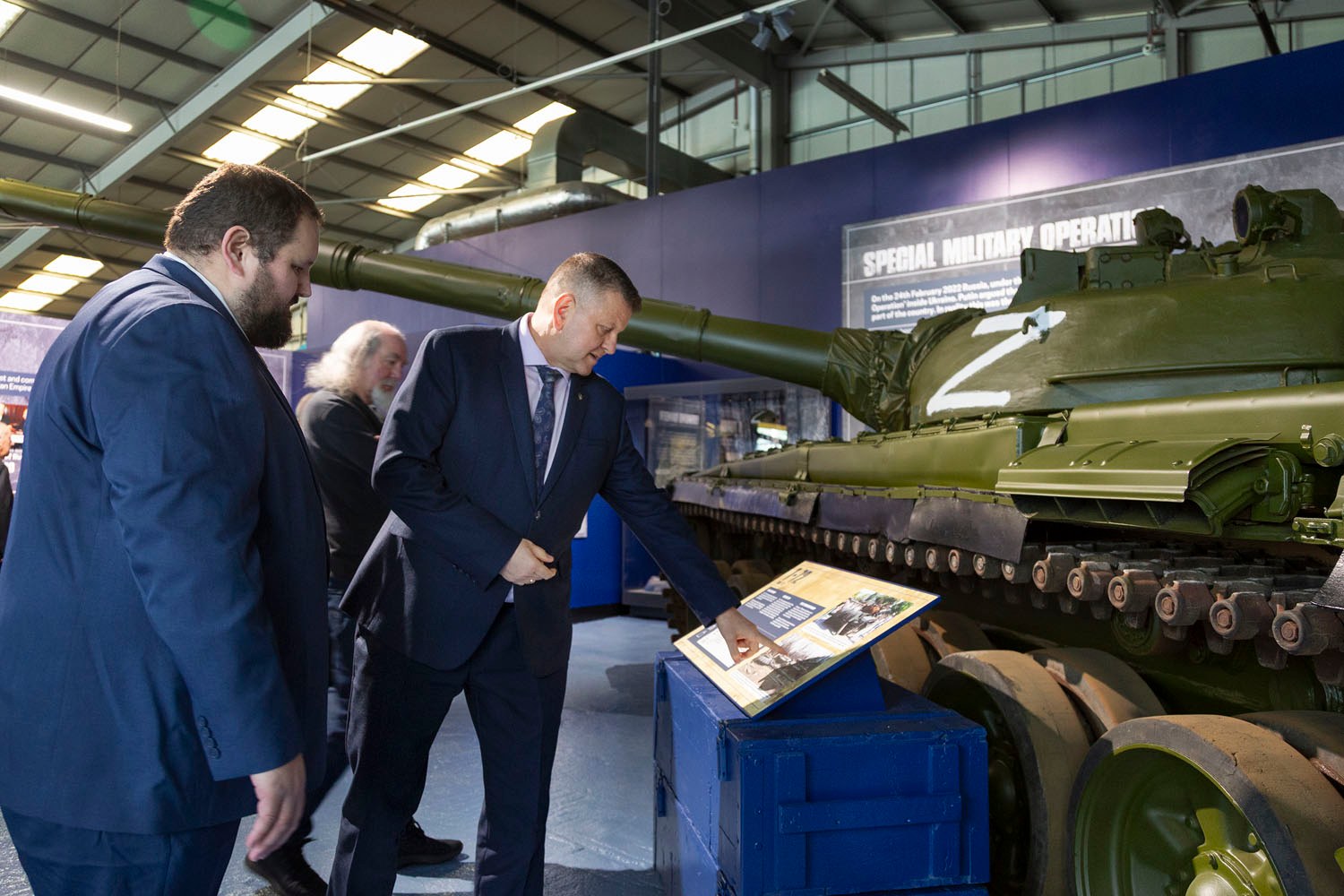
Russia’s goals haven’t changed, nor have the conditions needed for lasting peace. The aggressor state continues to pursue the objectives of the Kremlin’s so-called “special military operation”. Without real negotiations, strong deterrence, and justice for aggression, peace remains more a slogan than a viable strategy.