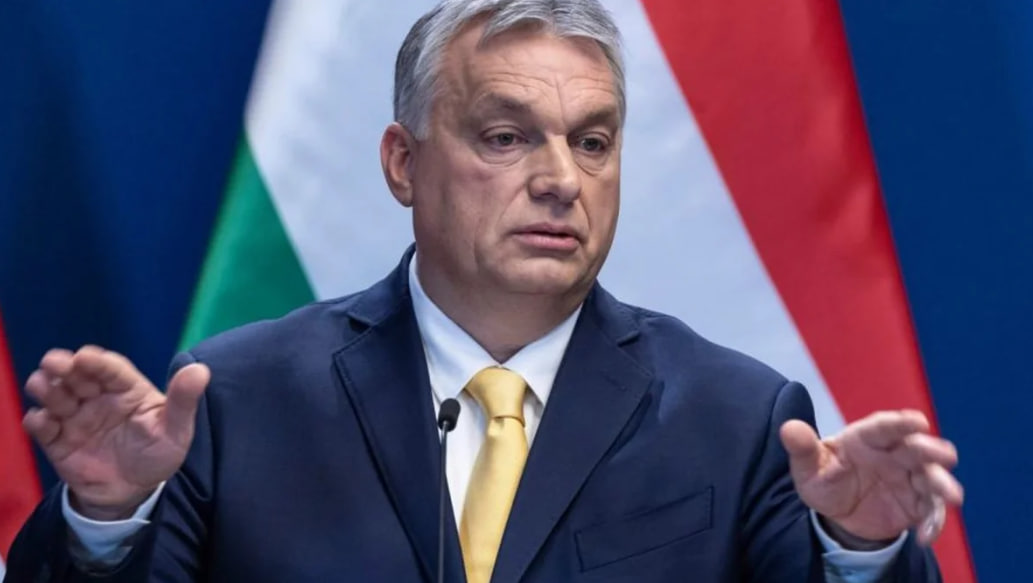


Hungarian Prime Minister Viktor Orbán faces accusations of voter intimidation and bribery. Evidence suggests he targets poor villages with large Roma populations. The claims appear in the documentary The Price of a Vote.
Details
The BBC reported on the investigation. On March 26, the documentary premiered in cinemas in Budapest and on YouTube. The film presents findings from a six-month independent investigation into Hungary’s parliamentary election campaign ahead of the April 12 vote. Journalists and filmmakers led the project.
According to the documentary, Orbán pressures voters to support his party, Fidesz. In exchange for votes, people reportedly receive large sums of money and even illegal goods, including drugs. Voters, former election officials, senior authorities, and a police officer provide testimonies in the film.
The pressure may target around 600,000 voters—roughly 10% of the expected six million turnout. All affected districts are villages or small towns that have largely supported Fidesz since 2010.
What the film shows
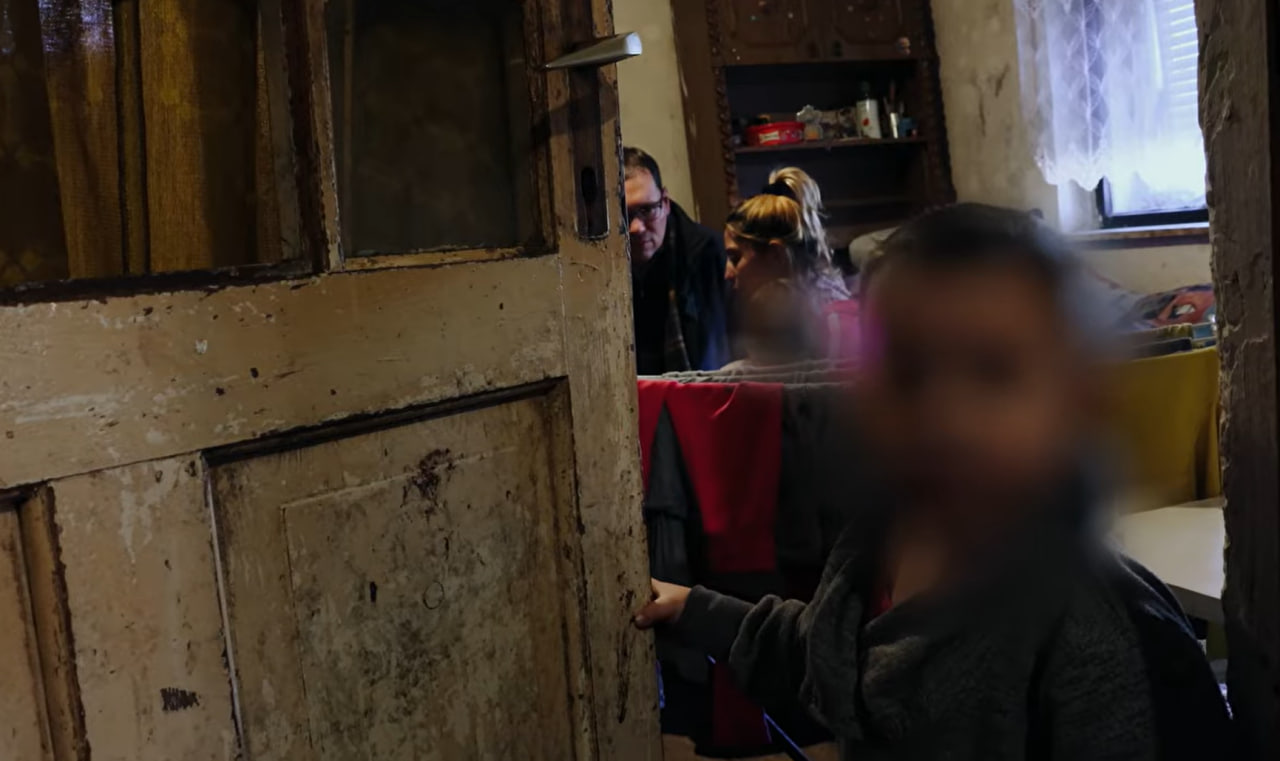
The documentary argues that local authorities tightly control daily life in Hungarian villages. Mayors allegedly provide access to basic needs in exchange for votes on election day.
Orbán’s party has ruled for 16 years. In previous elections, about 80–100% of voters in these districts supported Fidesz. Payments for votes typically range between $144 and $174. The pressure mainly affects poor villages with Roma populations. Hungary has around 800,000 Roma residents, with about 270,000 living in the 300 poorest settlements.
Filmmakers say these practices occur across villages located hundreds of kilometers apart.
“In the beginning, we thought the key piece of this process is vote-buying. But then we realised that the money is just the icing on the cake. The key word here is dependency and vulnerability,” said director Áron Tímár in a comment to BBC.
In one village, a district doctor reportedly represents Orbán’s party. Residents from 32 settlements say they fear losing access to prescriptions if they do not vote for Fidesz. Others claim they receive firewood only if they support the party.
The film also describes a case where a former candidate withdrew from the race after threats that their children would be taken away. Vote buying allegedly involved the drug crack, which is cheap and widely used in low-income rural areas.
Government response
BBC asked Hungarian authorities for comment. Only Tibor Navracsics, Minister of Public Administration and Regional Development, responded.
“If there is any wrongdoing just let the ministry of interior do its job,” he said, declining to comment directly on the allegations.
The film premiered two weeks before the elections. Officials from Fidesz accuse the EU and Ukraine of interfering in the vote to prevent Orbán’s victory.
Earlier, The Ukrainian Review reported that Donald Trump publicly urged Hungarian citizens to support incumbent Prime Minister Viktor Orbán in the parliamentary elections. In his statement, Trump called Orbán a “true friend,” a “strong leader,” and a “winner.”