
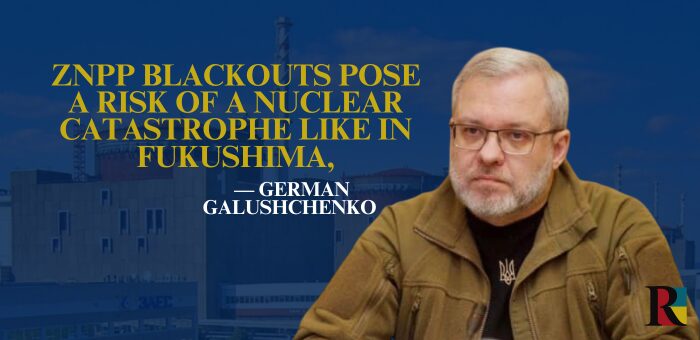


Throughout the full-scale invasion, Russia regularly attacked Ukraine’s energy sector, including the largest power plants. The purpose of such actions has always been clear: to exhaust the population and deal another blow to the economy. Currently, more than 70% of Ukraine’s power generation facilities have been destroyed, damaged or occupied, such as the Zaporizhzhia NPP, the largest nuclear power plant in Europe.
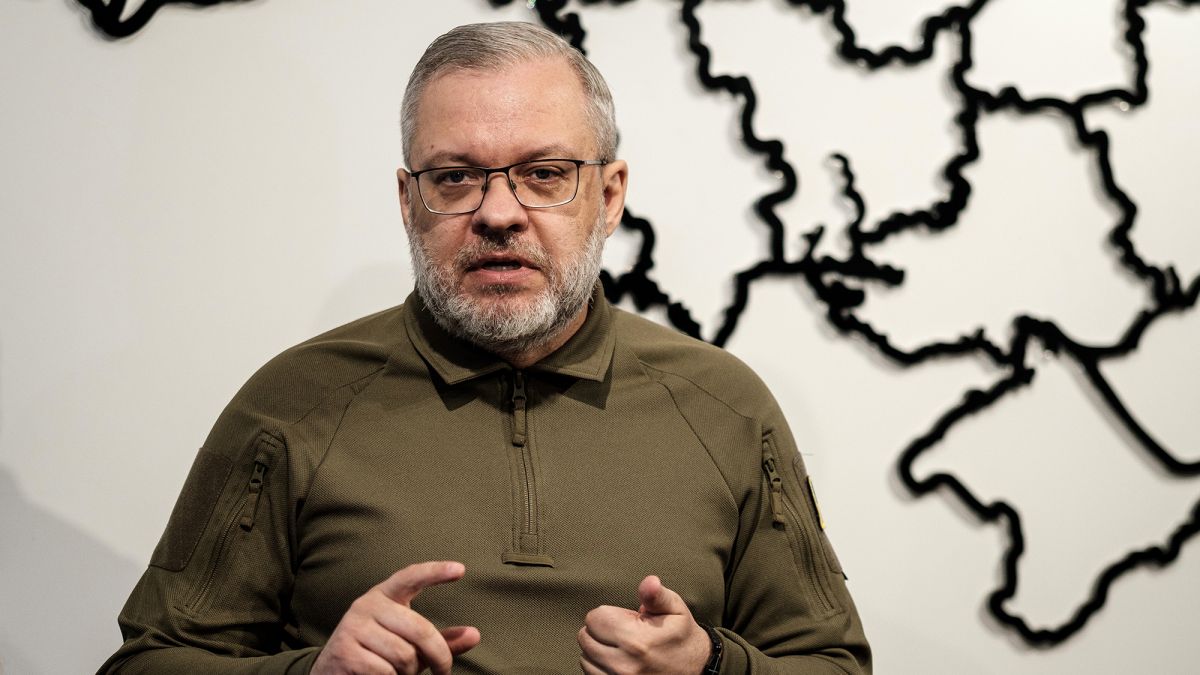
We spoke to German Galushchenko, Minister of Energy of Ukraine. He told us about the realities and prospects of the Ukrainian energy system. The politician noted that the war has forced Ukraine to accelerate reforms in the energy sector.
Russia continues to destroy the Ukrainian energy sector
Tetiana Stelmakh: How many energy infrastructure facilities have been damaged since the beginning of the full-scale invasion? What is the current electricity deficit in Ukraine?
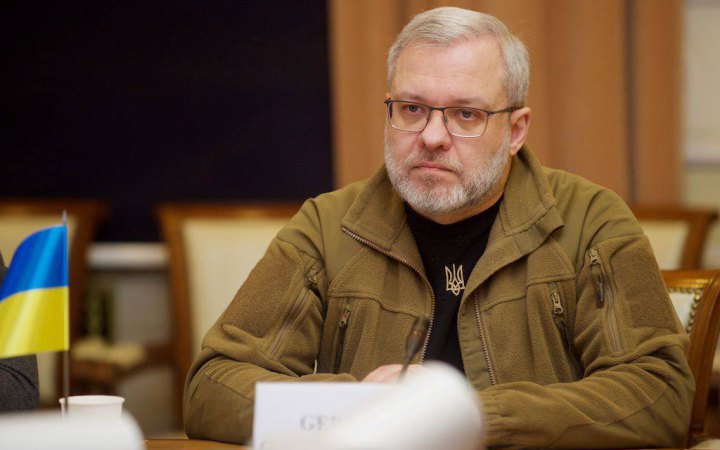
German Galushchenko: Russian forces have occupied over 18 GW of capacity, including Europe’s largest nuclear power plant, the Zaporizhzhia Nuclear Power Plant (ZNPP). Over the past year alone, around 10 GW of generating capacity has been destroyed, and that is the equivalent to the peak consumption of countries like the Netherlands or Finland.
It can be stated that 2024 has been the most challenging year for Ukraine’s energy system, as it has faced constant enemy attacks on energy infrastructure almost from the beginning. Russia’s strikes on energy infrastructure in 2022–2023 started in October. Last year, however, the enemy began massive attacks much earlier – in March – and continued them throughout the year. The scale of destruction has been much more severe compared to previous years. The nature of the strikes has changed, becoming more complex with the use of more advanced weaponry.
Previously, it seemed that the repair campaign of 2023 was the most extensive. That’s what we thought after the terror endured during 2022–2023. In reality, the 2024 repair campaign is much larger, given the significantly greater level of destruction.
Keep in mind that this repair campaign is being carried out under constant shelling.
Energy workers are working around the clock to repair and restore equipment. The fact that the energy system remains operational, integrated, stable, and capable of providing both electricity and heat to consumers is a tremendous achievement, made possible by the dedication of every single energy worker.
T.S.: How much money does Ukraine need to restore its energy infrastructure in controlled territories to the pre-war level?
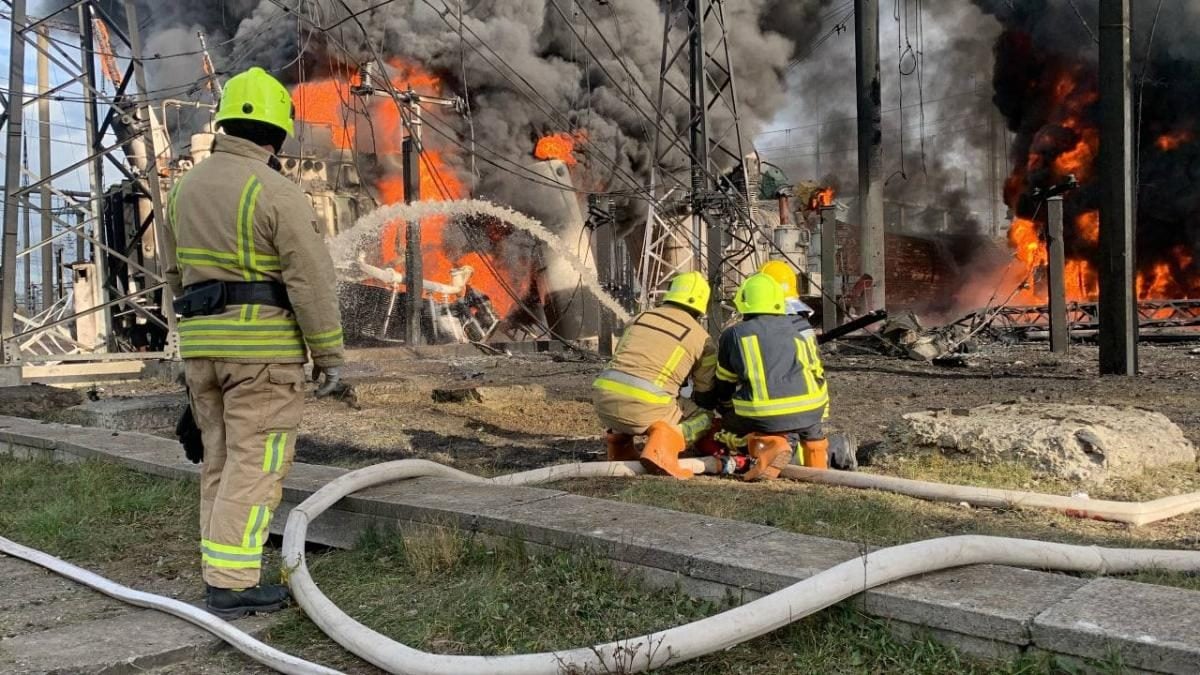
G.G.: Unfortunately, the damages amount to billions. The enemy continues to bombard energy facilities, massively attacking energy infrastructure with various types of weapons, including ballistic missiles, spending enormous resources while causing significant damage and losses to our energy sector. This happens daily, making it impossible to calculate an exact figure, as the amount constantly changes.
T.S.: Previously, there were many concerns about the operation of the occupied Zaporizhzhia Nuclear Power Plant (ZNPP), including fears of a new accident. How is ZNPP operating now, and in what condition is it? Do the occupiers follow the safety regulations for maintaining the plant in a secure state?
G.G.: The situation at the Zaporizhzhia Nuclear Power Plant, which has been under enemy occupation for the third year, is not just alarming but increasingly dangerous, especially due to frequent disruptions in external power supply.
Since the occupation, ZNPP has been disconnected from the main power lines almost monthly because of Russian attacks. In November last year, this happened twice within one week. Ukrainian energy workers are constantly repairing this equipment, working under life-threatening conditions due to the never-ending shelling. Since the occupation, ZNPP has experienced eight total blackouts, posing a severe risk of a nuclear catastrophe comparable to Fukushima.
There are numerous technical issues: equipment degradation and concerns about the nuclear fuel being used. Safe operation of ZNPP is impossible while it remains in the hands of the occupiers.
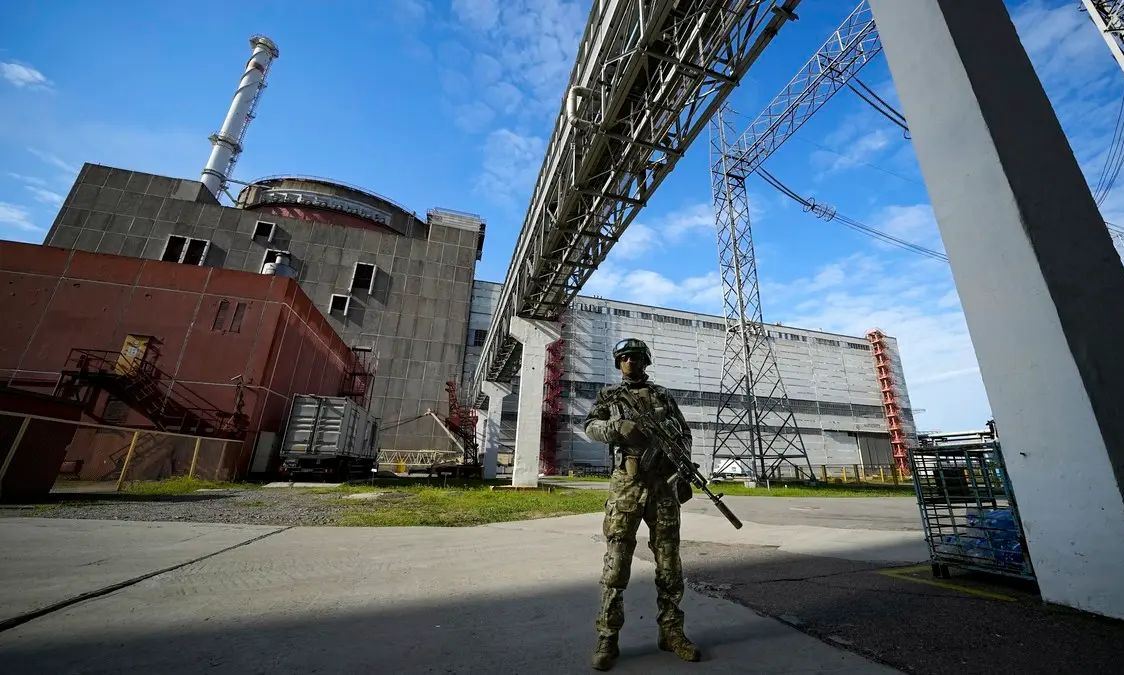
The IAEA has repeatedly called on Russia to de-occupy ZNPP and return the plant under Ukrainian control. The agency has confirmed that Russian forces, who have stationed troops and military equipment at ZNPP, have violated all seven pillars of nuclear safety and security. IAEA representatives are stationed at the temporarily occupied plant, but their capabilities are significantly limited because Russian forces block physical access to several facilities.
Recently, the United States imposed sanctions on the occupation administration of ZNPP and subsidiaries of “Rosatom”. Ukraine Continues to work on expanding sanctions to cover the entire nuclear industry of the aggressor state – highly necessary steps. However, as I have often said, the only way to guarantee the safe operation of Europe’s largest nuclear plant is to return it to Ukrainian control as soon as possible.
Where is the Ukrainian energy sector heading?
T.S.: Ukrainian thermal power plants (TPPs) were among the largest air polluters in Europe. As of June 2024, Russia has rendered 73% of all TPPs in Ukraine non-operational. Do you see this as an opportunity for Ukraine to modernize these plants toward greater environmental sustainability during repairs? Will all of them be rebuilt, or will their number decrease?
G.G.: The war has forced us to act much faster. Previously, the timeline for transforming the energy system was calculated for 2035, 2040, or 2050. However, due to constant attacks on our energy infrastructure, we are compelled to implement these plans in the shortest possible time.
The war has become a catalyst for accelerating energy reforms in Ukraine – despite the challenging circumstances, the country continues to move towards decarbonization and strengthening its energy independence.
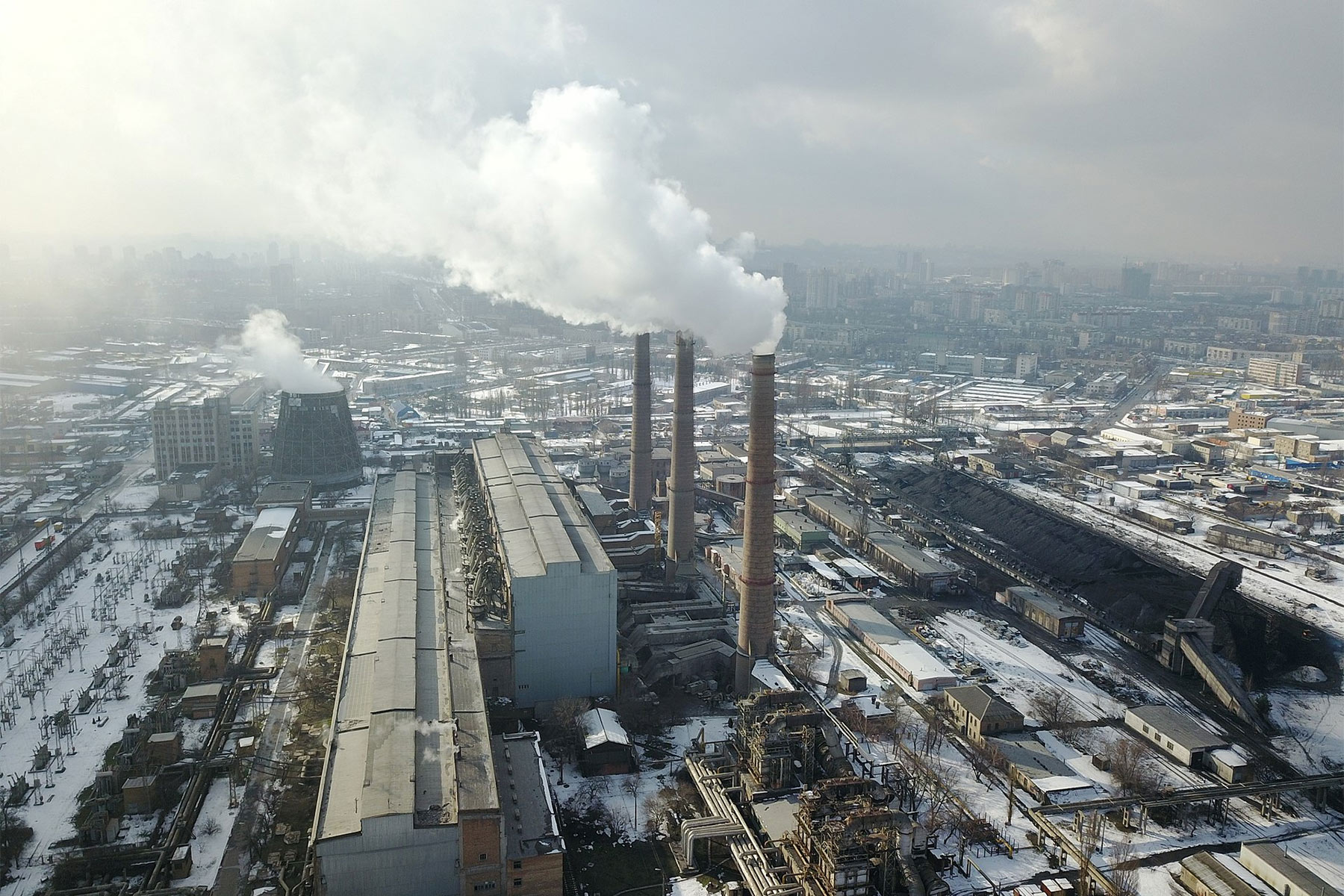
Ukraine significantly surpasses many European countries in the share of decarbonized energy in its energy mix. Currently, most of the electricity in the country is produced without carbon dioxide emissions. This indicator exceeds the results of many European states and demonstrates Ukraine’s substantial progress towards a “green” transformation.
T.S.: In his column for our site, Petro Kotin President of “Energoatom” wrote that Ukraine could become a key partner for Europe in developing nuclear energy. Do you agree with this? Why has nuclear energy become relevant again?
G.G.: Nuclear energy is indeed experiencing a renaissance worldwide. According to global trends, even a few years ago, the IAEA predicted a revival of nuclear energy and revised its forecasts. The World Nuclear Association (WNA) expects nuclear energy production to grow by 75% over the next 17 years. The International Energy Agency (IEA), in its latest report, notes that nuclear energy is on track to set a new record for electricity production as early as 2025. Currently, over 70 GW of new nuclear capacity is being built worldwide, one of the highest figures in the last three decades.
This underscores the growing role of nuclear energy in ensuring energy security amid rising electricity demand. The demand is increasing globally, driven not only by industrial energy needs but also by the rapid growth of electric vehicles, artificial intelligence development, data centers, and more.
Nuclear energy is a clean source of energy with better economic performance compared to other generation types. It is a stable and reliable source of electricity, as nuclear reactors can operate continuously for a long period without being affected by weather conditions, sunlight or wind availability.
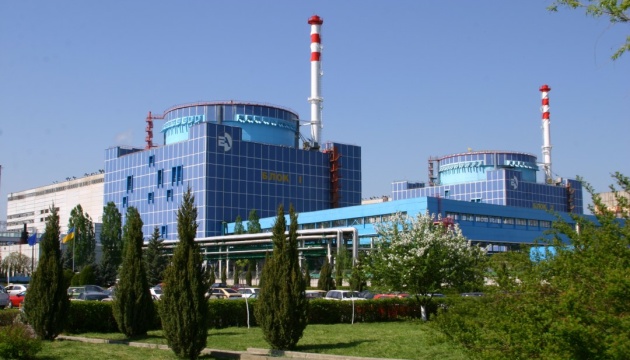
Nuclear energy will be highly effective during the transition period as humanity moves away from fossil fuels and improves the infrastructure for alternative energy sources.
T.S.: Ukraine plans to complete the construction of units at the Khmelnytskyi NPP and build a new Chyhyryn NPP. Will they help restore electricity production levels to the point where Ukraine can resume exports?
G.G.: First and foremost, we emphasize that the energy sector is the driving force behind economic recovery. For Ukraine’s economy to have the resources for rebuilding, we must increase nuclear generation capacity, which currently accounts for 60% of energy production. This is our strategic goal.
The construction of new nuclear capacities will also boost the development of related sectors of the economy through localization and job creation for skilled workers with decent wages.
T.S.: Recent news in Ukraine has highlighted concerns that electricity imports during the heating season could be jeopardized due to price caps in the electricity market. That is, when electricity prices in Europe are higher, we cannot afford it. Is the situation really that problematic? How will the Ministry of Energy address this issue?
G.G.: These issues fall under the jurisdiction of the independent regulator, the National Commission for State Regulation of Energy and Utilities.
The government, for its part, encourages enterprises to import electricity with decisions, according to which measures to limit electricity consumption are not applied to enterprises that import 60% of electricity for their needs.
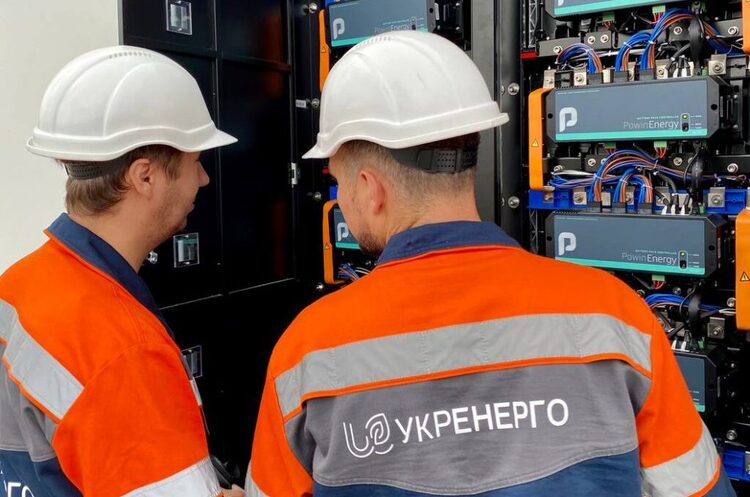
T.S.: “Ukrenergo” has stated that businesses are ready to invest in energy generation, particularly in maneuver generation. What Contributions have Ukrainian businesses made to this process so far? How does the Ministry of Energy cooperate with them?
G.G.: The government has launched a package of programs to enable not only businesses but also private households, condominiums (OSBBs), and housing cooperatives (HBCs) to install alternative energy sources such as solar panels and storage systems (inverters). The state provides opportunities for energy self-sufficiency and greater energy independence.
Small and medium-sized businesses can receive preferential financing under the Entrepreneurship Development Fund’s “5-7-9% Loans” program to purchase and install solar panels, wind turbines, energy storage systems, and construct gas turbines, gas piston, or biogas generation units. The maximum loan amount is 150 million UAH, with a term of up to 10 years and interest rates of 5%, 7%, or 9%.
Additionally, entrepreneurs can participate in the Decarbonization Fund program, which offers up to 25 million UAH for up to 10 years at an interest rate of up to 9% per annum. Funds can be used for solar panels, heat pumps, co-generation units, bio-boilers, energy service projects, and other energy-efficient equipment.
The government has also simplified procedures for the construction, commissioning, and grid connection of generating facilities.
The Ministry of Energy has a working group focused on developing distributed generation, and we are ready to support not only businesses but also communities.
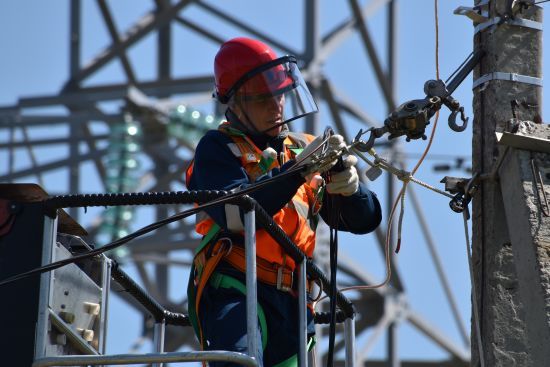
Ukraine is not left alone with energy problems
T.S.: Is there a risk of reduced funding for Ukraine’s energy system by Western partners in 2025? What are the current prospects for cooperation?
G.G.: Our international partners do not directly fund Ukraine’s energy system but instead, provide equipment and resources to restore the losses caused by Russian attacks on our energy infrastructure.
In April 2022, the Ukraine Energy Support Fund was established under the Energy Community Secretariat. Over the years of its operation, it has become an effective tool for delivering international assistance in the energy sector, enabling Ukrainian energy workers to recover the infrastructure from Russian attacks, carry out repairs, and establish new capacities. Currently, announced contributions to the Energy Support Fund Exceed €1 billion, with most of these funds spent on equipment for energy system restoration. Donors include the public and private sectors from nearly all EU countries, the UK, the US, as well as international and regional organizations.
Since the beginning of the full-scale invasion, Ukraine has received over 20,000 tons of humanitarian aid from partners to ensure the stable operation of the energy system. This includes transformers and essential materials for repair and restoration work.
I would also like to emphasize the investment potential of Ukraine’s energy sector. We believe that now is the best time for foreign energy companies to enter Ukraine. At international events and meetings, we actively encourage foreign businesses to invest in energy projects in Ukraine without waiting for the war to end. Amid the rapid transformation of Ukraine’s energy sector and unprecedented simplification of business conditions, the energy sector is becoming highly attractive to investors. Ukraine has significant potential to become an energy hub for Europe.
T.S.: Which countries’ experiences in overcoming challenging energy situations can Ukraine adopt?
G.G.: No country has faced the challenges that Ukraine and its energy system are currently enduring. Never before has the energy infrastructure of an entire country been subjected to daily terrorist attacks.
Therefore, the work of our energy sector specialists commands respect not only from Ukrainians but also from the global community. I am confident that after the war, they will share the expertise they are currently gaining as they maintain the energy system under such extreme conditions.
T.S.: Name three key priorities for the Ministry of Energy in 2025.
G.G.: First and foremost, ensuring a stable passage through the 2024/2025 heating season amid ongoing attacks on the energy system and preparing for the next heating season. This is critically important as it concerns providing light and heat to every household in our country, ensuring the lives of people and the functioning of the economy.
The second and third priorities are developing nuclear power generation as the backbone of our economy and increasing the capacity of distributed generation. We are working on advancing both nuclear and distributed energy generation in parallel. Expanding distributed electricity generation capacities is crucial for meeting the urgent needs of consumers while developing nuclear power allows for the implementation of long-term projects to ensure the country’s energy stability in the future.
Green post-war recovery in the energy sector aims to create a new architecture for the energy system, centered on sustainability, green transition principles, and energy accessibility.
This process should be economically efficient, integrate Ukraine into the European energy market, and move the country closer to climate neutrality.
Tetiana Stelmakh