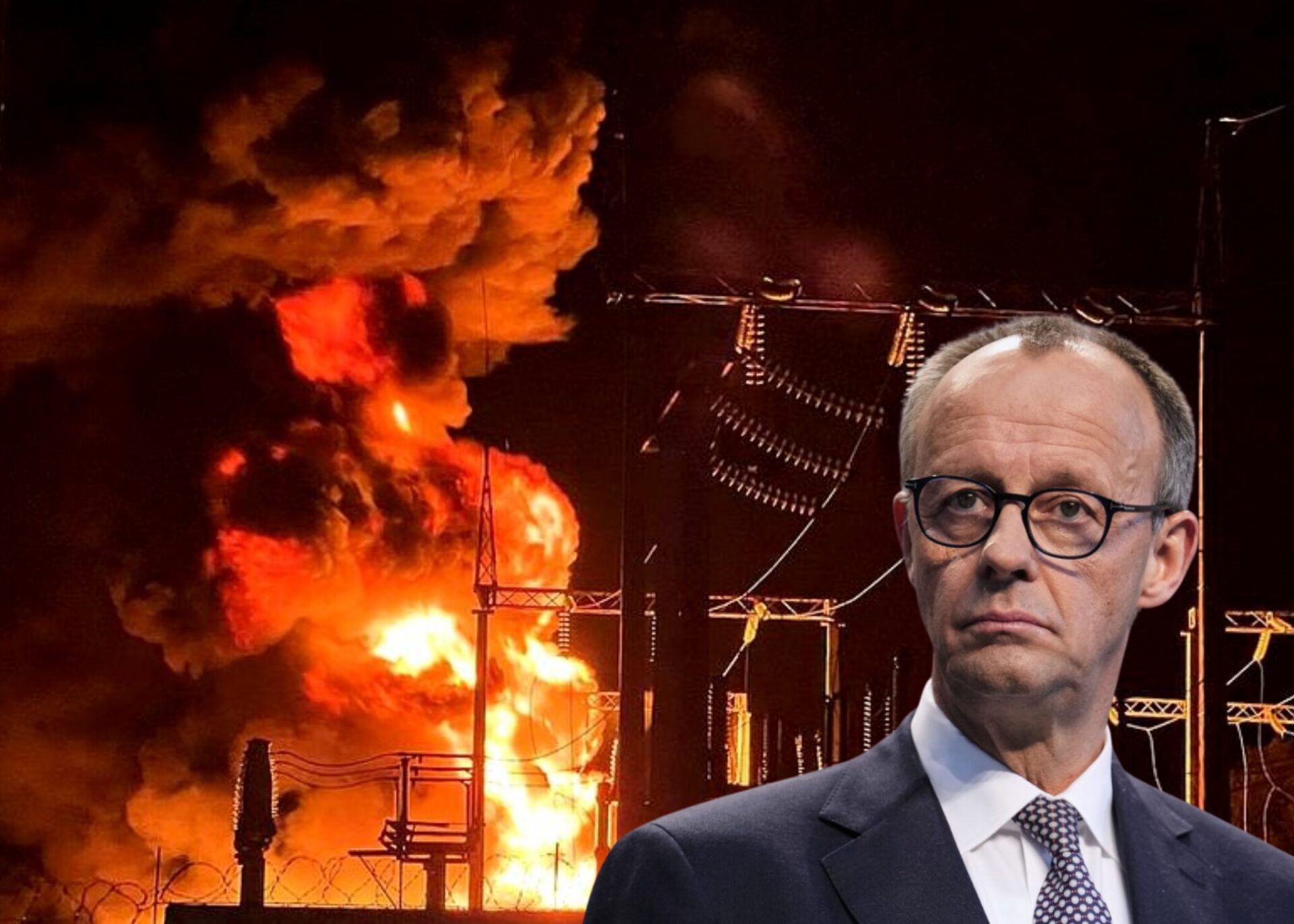
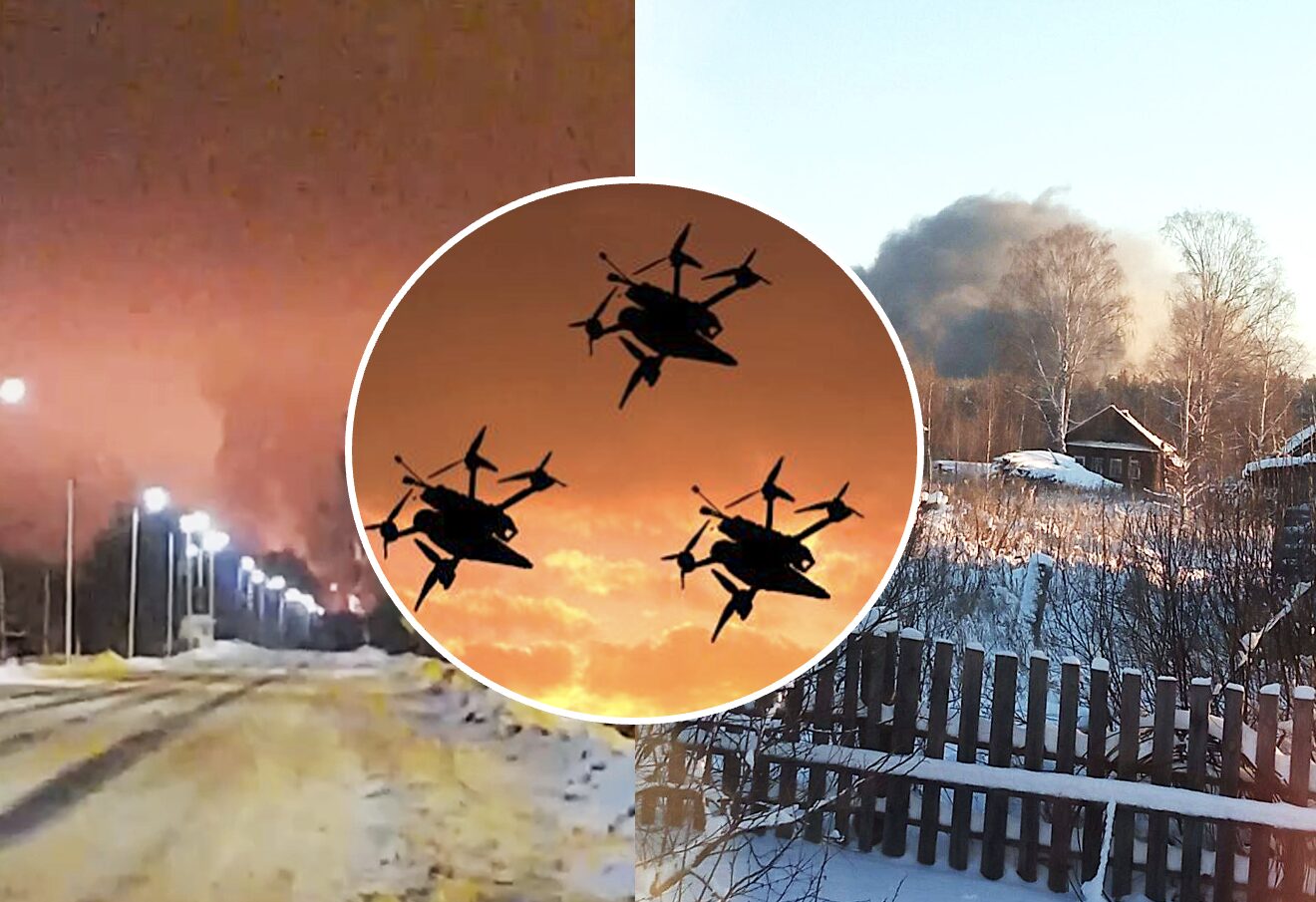


On the night of January 6, symbolically on the eve of Christmas, which is celebrated on December 25 worldwide and on January 7 in Russia, the country was hit by a series of drone attacks. This was reported by regional governors and Russian Telegram channels. According to the Russian Ministry of Defense, air defenses allegedly intercepted 129 drones. However, explosions and smoke were still reported across dozens of regions, including Lipetsk, Penza, Kostroma, and Leningrad regions.

Massive Interceptions and Conflicting Reports
The Russian Ministry of Defense claimed that the most drones—29—were shot down over Bryansk region, 15 over Belgorod, 13 over Yaroslavl, 10 over Novgorod, 9 over Smolensk, 7 each over Kursk and Penza, 6 each over Tver and Bashkortostan, 5 each over Astrakhan and Rostov, 4 over Kaluga, 2 each over Moscow, Oryol, and Leningrad, and 1 each over Voronezh, Kostroma, Tula, Tambov, Ryazan, and Tatarstan. One drone was also allegedly shot down over temporarily occupied Crimea.
According to the Telegram channel Astra, many regions saw explosions and large fires overnight. Residents of Yaroslavl reported hearing blasts in the Neftestroy area, where oil refineries and a fuel depot are located. Explosions were also reported in Tver, Penza, and Bashkortostan. In Penza, preliminary reports suggest that PJSC Biosintez and the Penza Bearing Plant may have been affected.
The governor of Lipetsk region, Igor Artamonov, confirmed an explosion at an industrial facility in Usman. He said that the fall of a drone caused a fire, but there were no casualties or injuries reported so far. OSINT channels additionally noted that a local oil depot was targeted.
Governor of Penza region, Oleg Melnichenko, also reported the drone attack but did not specify the consequences. Explosions in Leningrad region were confirmed by Governor Alexander Drozdenko. He said a compressor station was damaged, but there were no casualties.
Targets of the Attacks
Last night, oil and petrochemical plants, storage facilities, pharmaceutical factories, and military arsenals came under attack.
Long-range drones from the SBU Special Operations Center “Alpha” struck two strategic targets in Russia, according to RBC-Ukraine, citing SBU sources.
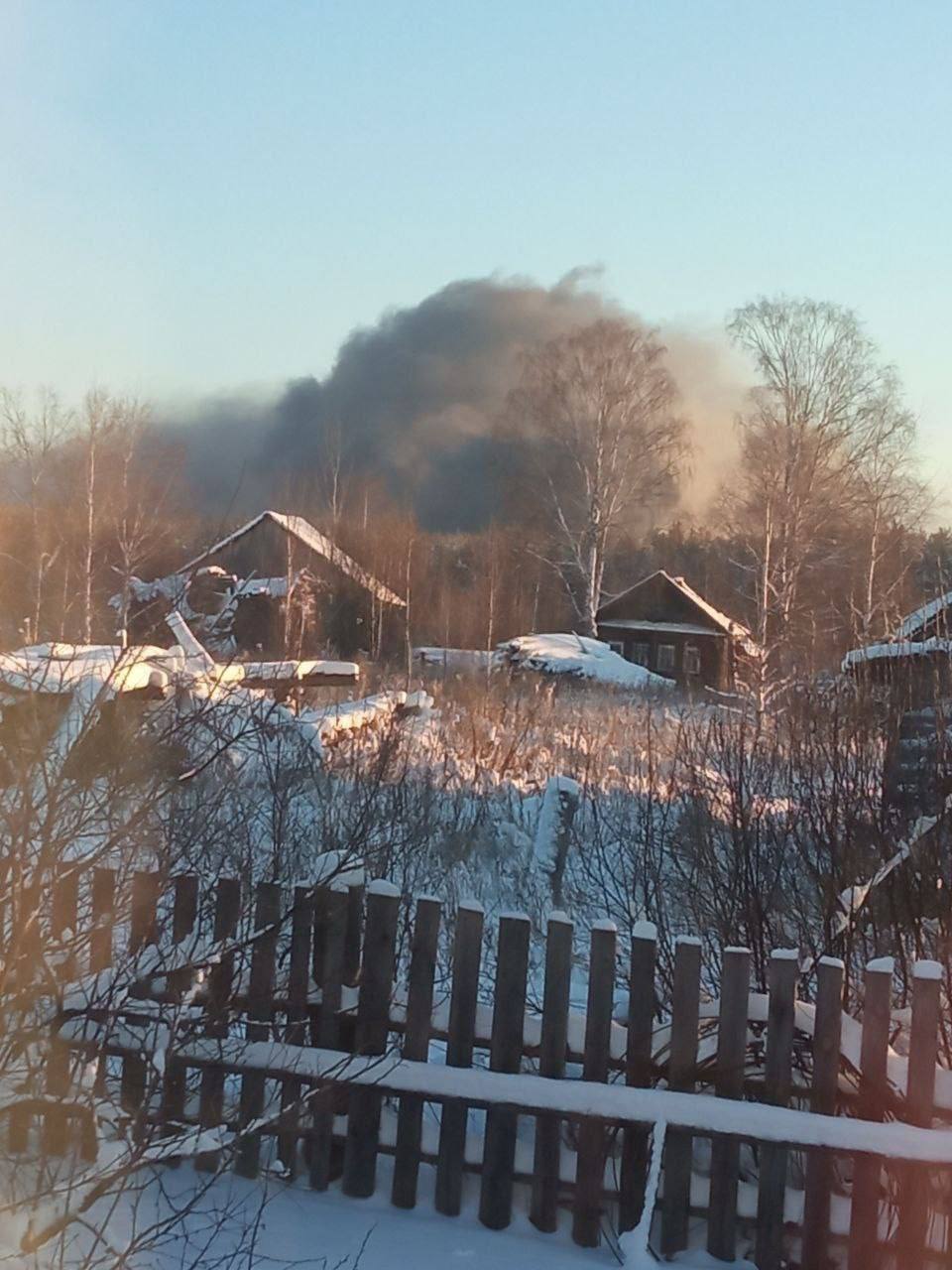
A key target was the 100th Arsenal of the Main Missile and Artillery Directorate (GRAU) in the Neysky District of Kostroma region. A massive fire broke out at the depot, and powerful explosions of ammunition were heard. Local authorities began evacuating residents from nearby settlements. This arsenal supplied ammunition to lower-level depots in the western and central directions, making it an important link in the logistics of the Russian army. However, regional authorities have not confirmed direct damage to the depot, and Governor Sergey Sitnikov only reported that “several objects” were damaged by debris from drones allegedly shot down by air defenses.
The second target was the Herkon Plus oil depot in Lipetsk region (Streletskye Khutora). The attack triggered a large fire. The depot supplied oil products to Tambov, Voronezh, and Lipetsk regions.
Additionally, in Bashkortostan, the Sterlitamak Petrochemical Plant (SNHZ) was reportedly damaged. This facility has been targeted multiple times, highlighting the repeated nature of strikes on strategic industrial infrastructure.
Conclusions
The night attacks show that drones can reach deep targets and hit critical infrastructure. Russian claims of intercepting a large number of drones contrast with reports of real explosions and fires, indicating either significant losses or an underestimation of the threat.
These strikes highlight the vulnerability of Russia’s military and industrial logistics. Even a large-scale air defense system cannot guarantee the safety of key facilities. Damage to factories, warehouses, and arsenals in the rear could seriously disrupt supply lines, delay production, and affect military readiness. Additionally, such overnight attacks create psychological pressure.