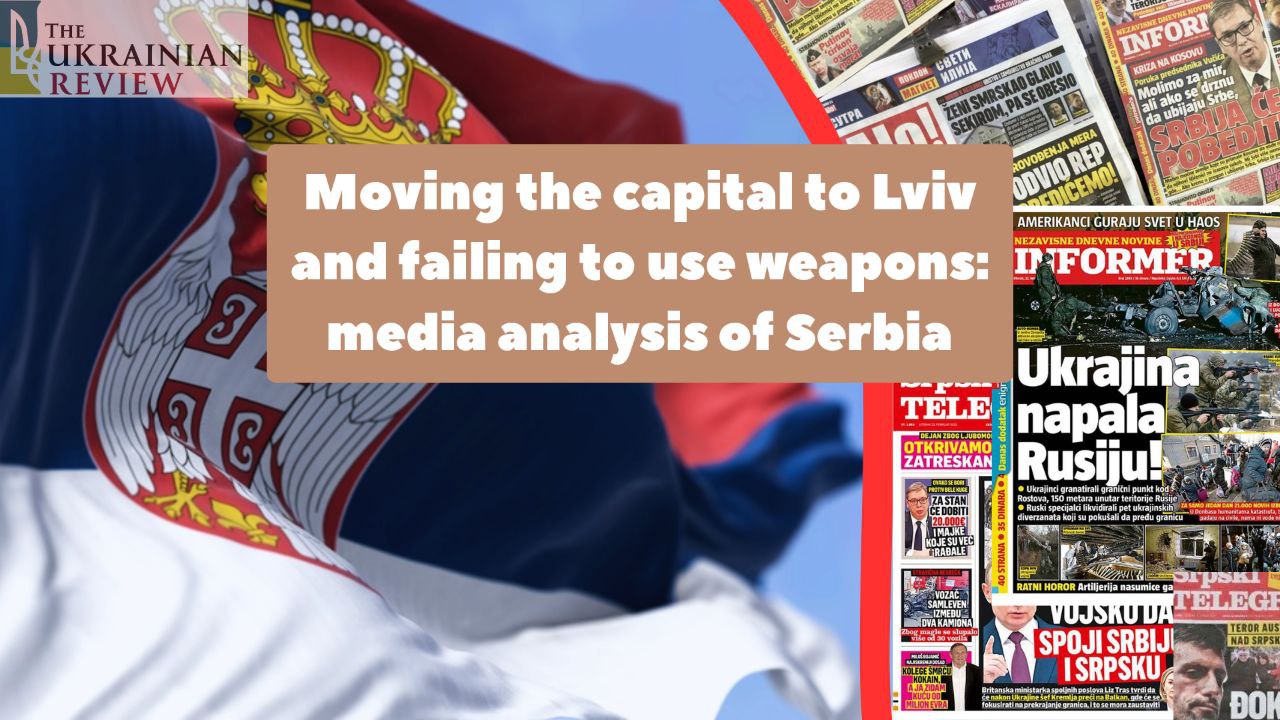


Serbia has been negotiating its accession to the EU since 2014. At the same time, Serbia is the only country in Europe that holds massive rallies in support of rusRussiaFor several years, the country has been considered a close ally of Russia.
According to survey results published by The Conversation (a network of nonprofit media outlets that publish research reports online alongside expert commentary and analysis), 95% of Serbs consider Russia an ally, 68% believe that NATO initiated the war in Ukraine rather than Russia, and 82% oppose sanctions imposed on Russia.
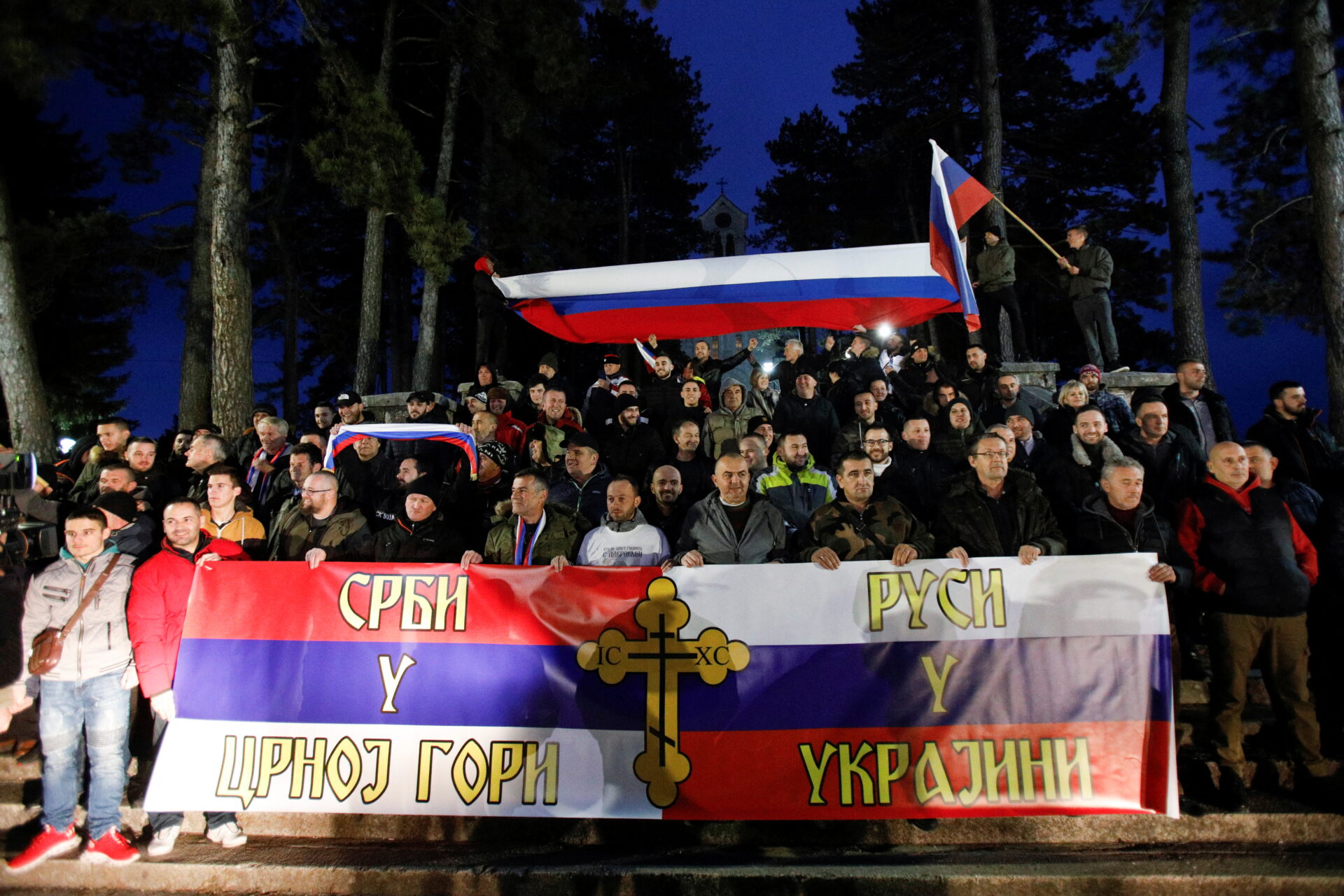
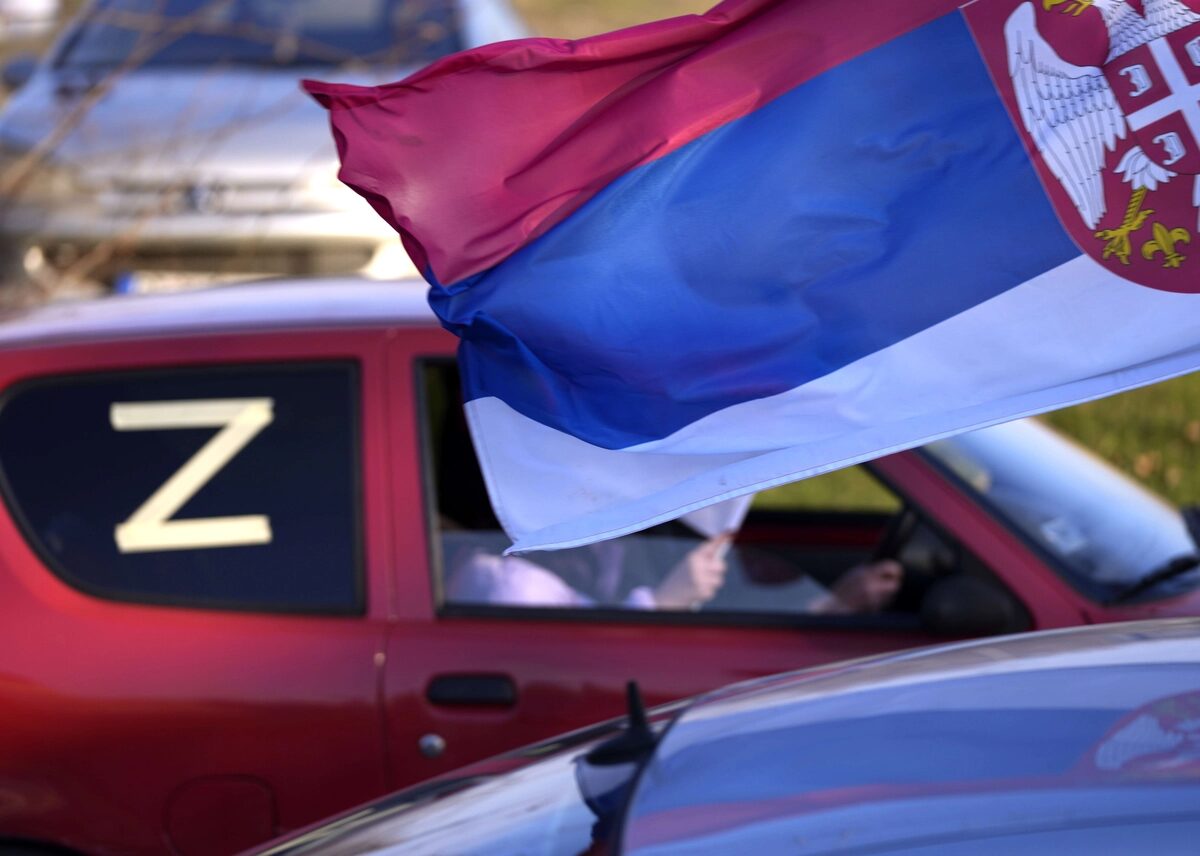
Additionally, Serbs are unique in Europe for using the symbol “Z,” which has become a symbol of Russian occupiers: they display this symbol on their cars and paint it on buildings and posters.
What Serbian media say about Ukraine and the Russo-Ukrainian war
Political parties and the private sector influence Serbian journalists and editors. According to the Anti-Corruption Council report covering 2008 to 2010, 18 out of 30 major media outlets lacked transparent ownership.
“Today, the situation has not significantly changed,” – journalists report from Konrad Adenauer Stiftung, a German research foundation.
We considered several Serbian media outlets for the analysis: B92, Tanjug and PTS.
B92: A Serbian news station and radio-television company with national coverage. The website attracts 52.93 million users per month.
Tanjug: The national news agency with a website visited by 1.474 million monthly users.
PTS: The state broadcaster of Serbia, with a website visited by 16.95 million users per month.
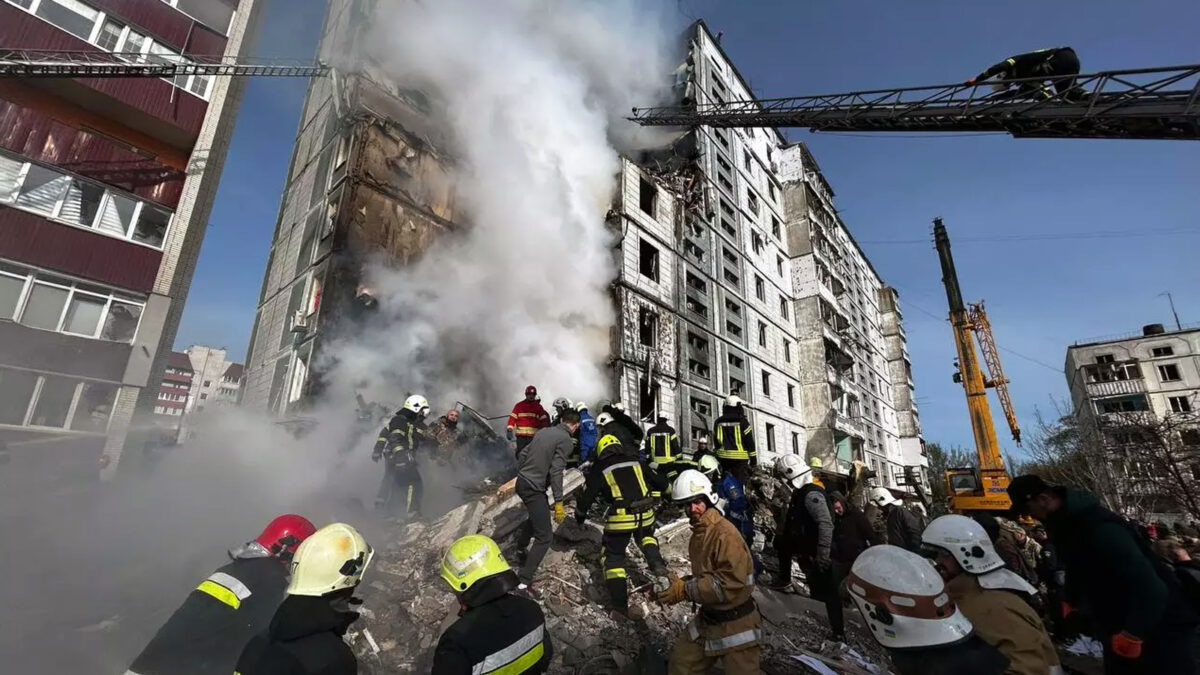
All three media outlets provide information about Ukraine receiving military and financial aid, statements from Volodymyr Zelenskyy, and other global politicians. However, information about the battlefield and the consequences of missile attacks is presented exclusively from the Russian side.
For example, RTS reports Russian information on the number of Ukrainian military casualties, an attack on Donetsk, quotes Vasyl Nebenzia (Russian diplomat, representative of the Russian Federation at the United Nations) about Russian disinformation regarding the use of North Korean missiles, etc.
No information is presented from international or Ukrainian sources. Compared to other publications, this appears to be an attempt to sit on two chairs.
Politika: A Serbian daily newspaper with a website visited by 16.37 million users per month.
This media outlet spreads direct dissemination of blatant fakes and manipulations:
“Rumors are circulating that Volodymyr Zelenskyy will dismiss Valeriy Zaluzhny. There are increasing stories about Ukraine losing; hence, a government evacuation plan is being prepared. The capital will be moved to Lviv, and Budanov will head the new government.”
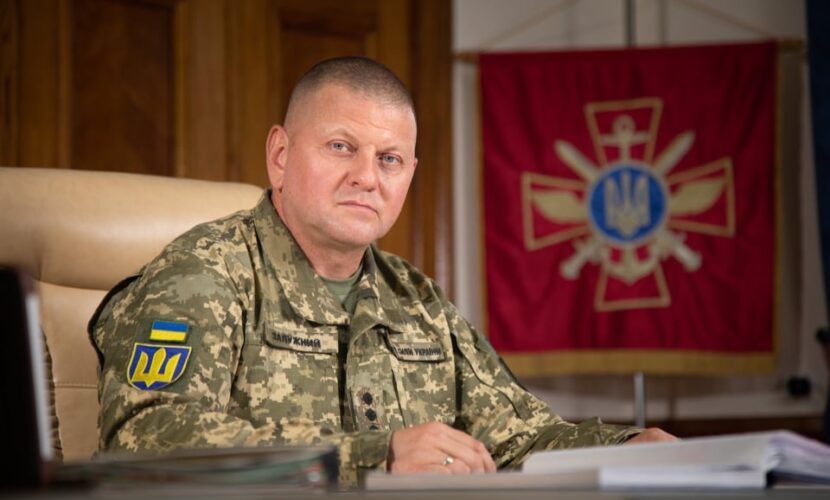
“The Ukrainian army cannot effectively use Western-supplied tanks, and the Armed Forces of Ukraine have very little operational equipment left.”
The publication also quotes Russia’s Deputy Foreign Minister Maria Zakharova regarding manipulations in negotiations and Russia’s Deputy Security Council Dmitry Medvedev regarding territorial claims from Ukraine.
Dismissal of Valeriy Zaluzhny
In reality, information about the potential dismissal of the Commander-in-Chief of the Armed Forces of Ukraine, Valeriy Zaluzhny, appears quite frequently in the information space.
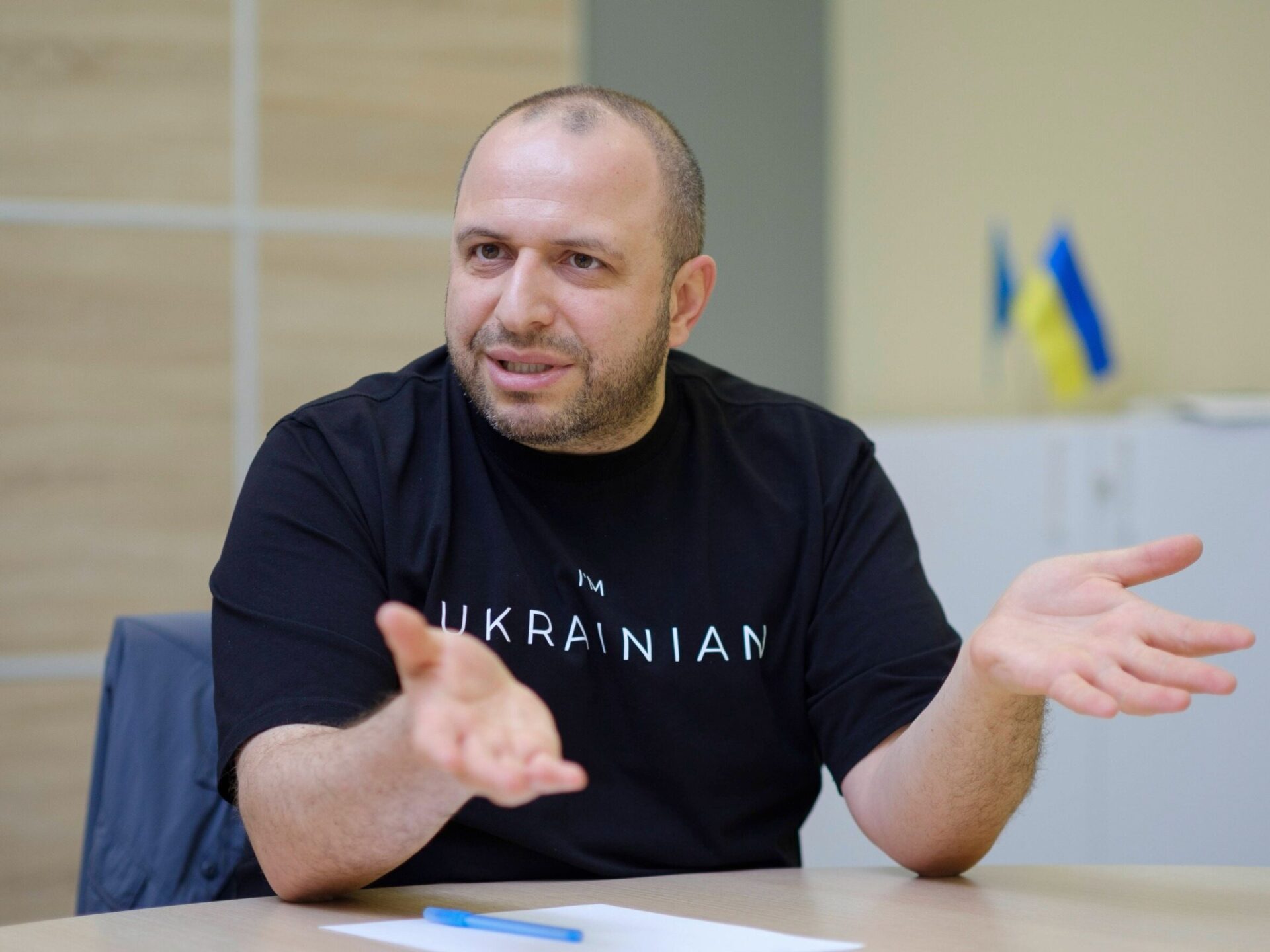
In November 2023, there was information that the current Minister of Defense of Ukraine, Rustem Umеrov, supposedly submitted a request to dismiss Valeriy Zaluzhny.
Later, Rustem Umеrov himself denied this information.
The peak of this reached in January 2024, when almost all news resources in Ukraine spread information about Volodymyr Zelensky’s decision to dismiss Zaluzhny.
The spokesperson for the President, Sergiy Nikiforov, denied the information about Valeriy Zaluzhny’s resignation. In his evening address on January 29, 2024, Volodymyr Zelenskyy didn`t mention any personnel changes.
Former Deputy Minister of Defense Hanna Maliar explained why such information is being spread: “Why launch information when there is no decree? Motives can be different:
-
political struggle
-
chaos… just chaos
-
the intentional creation of chaos
-
an attempt to influence certain processes
-
provocation, and many other reasons and motives.”
“Speaking about the dismissal of Valeriy Zaluzhny from the position of the Chief of the Armed Forces of Ukraine has no grounds. “Misunderstanding” between President Volodymyr Zelensky and Valeriy Zaluzhny is impossible,” – assured Mykhailo Podoliak, an advisor to the head of the President’s Office.
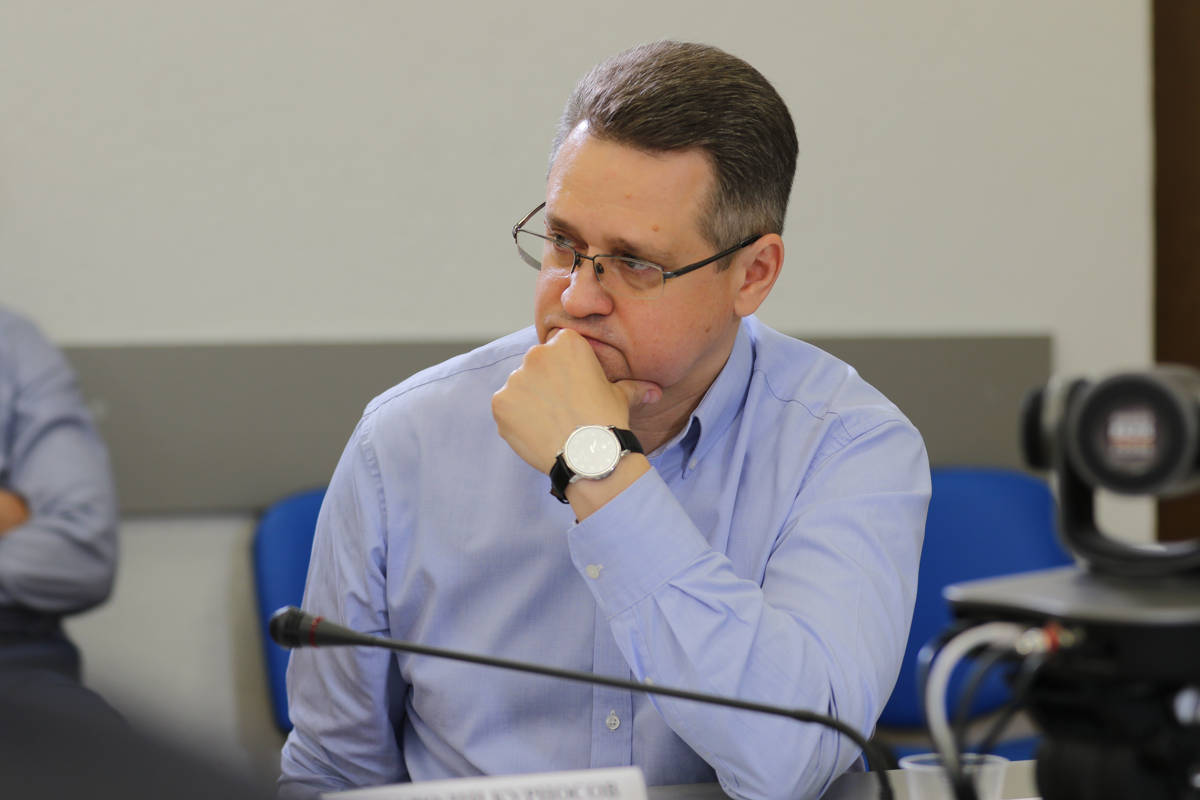
“I would answer briefly. Currently, rumours about Zaluzhny’s resignation are officially refuted. However, it should be understood that the President of Ukraine, as the Supreme Commander-in-Chief, has the right to decide whether to replace military command or carry out certain rotations. This is natural because there are no eternal politicians in positions, just as there are no eternal military leaders”, – explains Anatoliy Kurnosov, an expert of the Center for Political Studies “Doctrine”.
Moving the capital to Lviv and the government led by Budanov
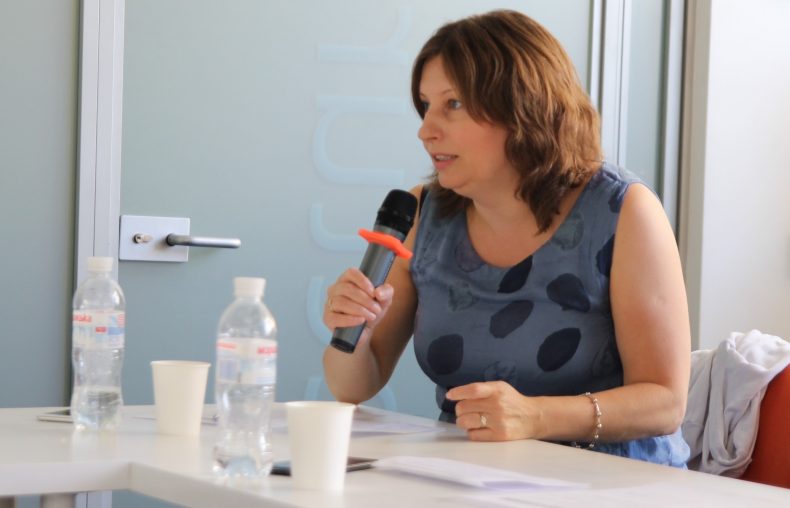
“Regarding the options for ending the war in Ukraine, Serbian media and experts often present their versions, which are frequently in sync with what Russia may consider or would like to explore as the beginning of a negotiating position. The reason is that Serbia operates within Russia’s media and expert field and, because of that, has a limited understanding of what is actually happening in Ukraine. Therefore, what we mainly see in Serbian media about the situation in Ukraine will often differ from the real situation. Speaking specifically about the comment in ‘Politika,’ it is important to understand that the publication does not refer to a reliable primary source but to an unclear resource, Age Times. Consequently, one can assume that this is the spread of Russian disinformation aiming to shape options for resolving the situation among part of the world’s population and politicians (Serbia and the Balkan countries in general, which were part of the former Yugoslavia and still read Serbian media and feel nostalgic for Yugoslavia). These options include initiating negotiations at the level of Western countries with or without Ukraine’s participation. At the same time, it should not be assumed that such stories will influence the opinions of Western leaders who support Ukraine, as the threat from Russia to global security is so obvious that these ideas will practically have no impact on further support for Ukraine,” – commented Mariya Heletiy, Deputy Director of the Ukrainian Independent Center for Political Studies (a non-governmental, non-partisan analytical center).
Ukraine doesn’t know how to use Western equipment
This fake news is also part of Russian propaganda, which has repeatedly spread information about the inability of the Ukrainian military to use Western weapons. It has been debunked by the Ukrainian Press Academy (an international charitable foundation, non-profit, non-governmental, and independent organisation).
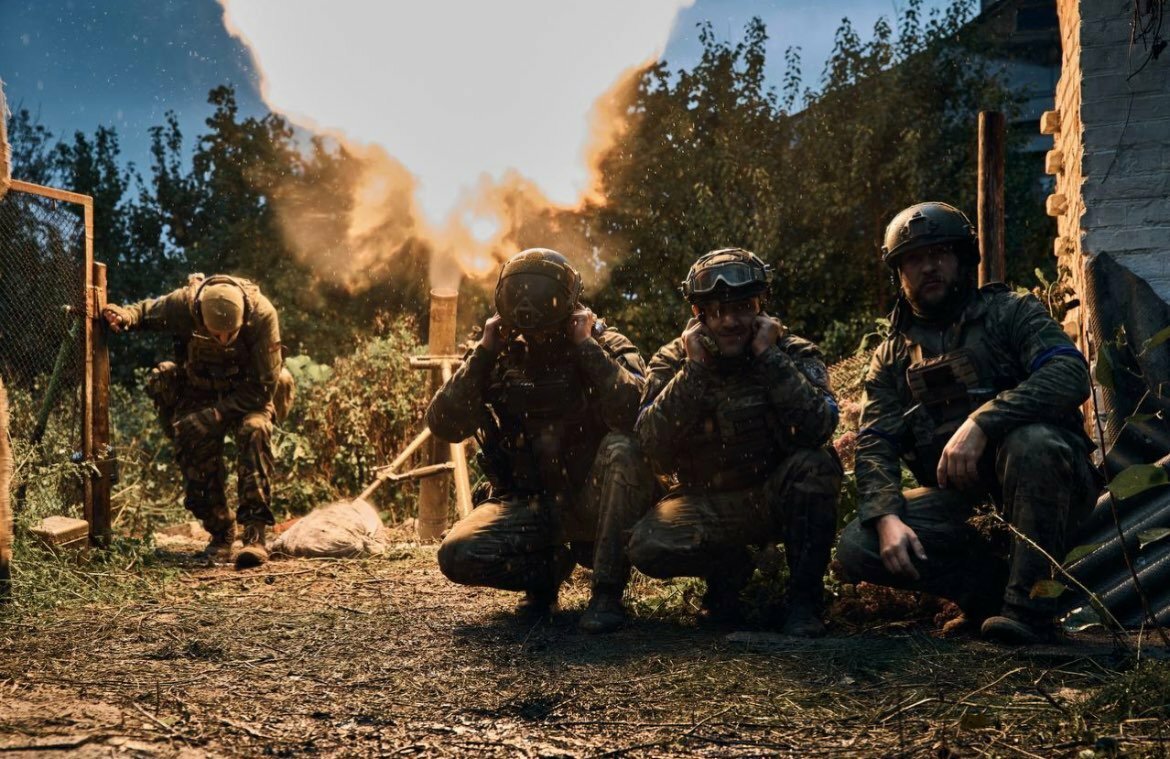
“The Russian information machine tries to convince us that military assistance from the West is futile and sow doubts about future victory. Various channels and methods are used to spread this thesis – from manipulative interpretation of articles from leading international media and shifting accents to loyal Kremlin ‘experts.’
For example, when The New York Times writes that NATO countries have modernised Ukraine’s arsenal and sometimes powerful weapons reach Ukraine faster than the knowledge of how to use it, in the interpretation by Russians, it immediately looks like, ‘The U.S. gives Ukrainians weapons that Ukrainian military can’t use.’ This immediately casts doubt on the importance of providing modern weapons to Ukraine.
Part of the propaganda campaign includes posts and publications by the American pro-Russian expert Scott Ritter. Pro-Russian resources love to quote his ‘expertise.’ In an interview with the YouTube channel Judging Freedom, he refers to the equipment sent to Ukraine as ‘junk’ and criticises the U.S., saying it would be ‘better to modernise Soviet equipment that the Armed Forces of Ukraine can use.”
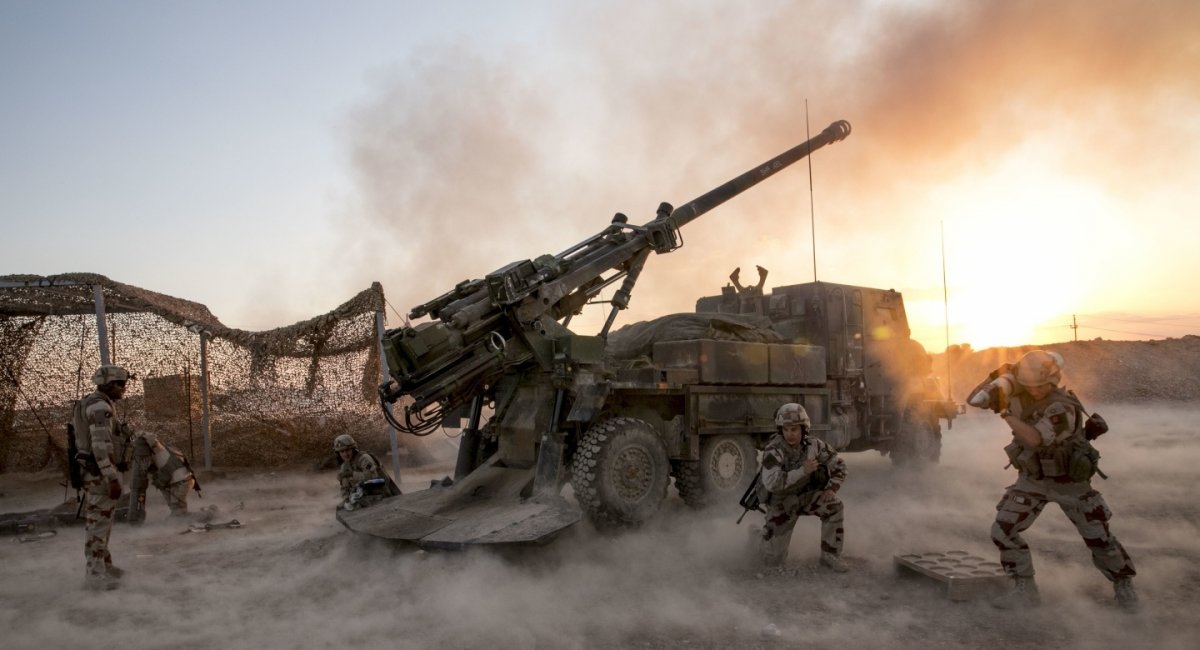
“Of course, the purpose of this disinformation is once again to try to sow the idea of the alleged futility of providing Western weapons to Ukraine, especially when there are occasional voices, including from France and Germany, about the threat of aggression against EU countries in a few years. Supposedly, it is worth saving it for themselves since Ukrainians cannot use it anyway. What they can and do well proves that even with such a drip method of supplying weapons to Ukraine, the Armed Forces inflict huge losses on Russian troops, which have not achieved any visible success on the front line for over a year. However, practically the entire Russian army is currently deployed against Ukraine. The Armed Forces of Ukraine skillfully use a wide range of Western weapons, on the mastery of which our military spends much less time than their Western counterparts. Therefore, the continuation and increase of deliveries of modern equipment for defence and offence, including aviation, drones, artillery, and electronic warfare means, are the best investment of Western countries in their security,” – explains Anatoliy Kurnosov, an expert of the Center for Political Studies ‘Doctrine.’“
Why Serbia has such an ambiguous policy
With this question, we turned to Stanislav Zhelikhovskyi, Ph.D. in Political Science, an international expert:
“It is worth noting that over the past decade, the external policy and security strategy of Serbia has been shaped by parties such as the ‘Serbian Progressive Party,’ which holds almost absolute power in the country (led by Aleksandar Vučić), and the coalition political force ‘Serbian Socialist Party.’ Currently, they are trying to adopt a strategy of more or less effective manoeuvring between major global power centers to achieve diverse actions, benefits, etc., while avoiding full integration with any of them.
Belgrade does not align with any specific power center openly. It maintains close ties with Russia but aspires to join the EU. Serbia supports engagement with Brussels and EU member states, striving to maintain a form of neutrality, which is evident in its approach to the Russian-Ukrainian war.
The foundation of this balancing act lies in profound discontent rooted in Serbian society, built on the rejection of relations with the West over the last three decades as a series of humiliations. Events such as the bombing of Yugoslavia and the loss of Kosovo contribute to this dissatisfaction.
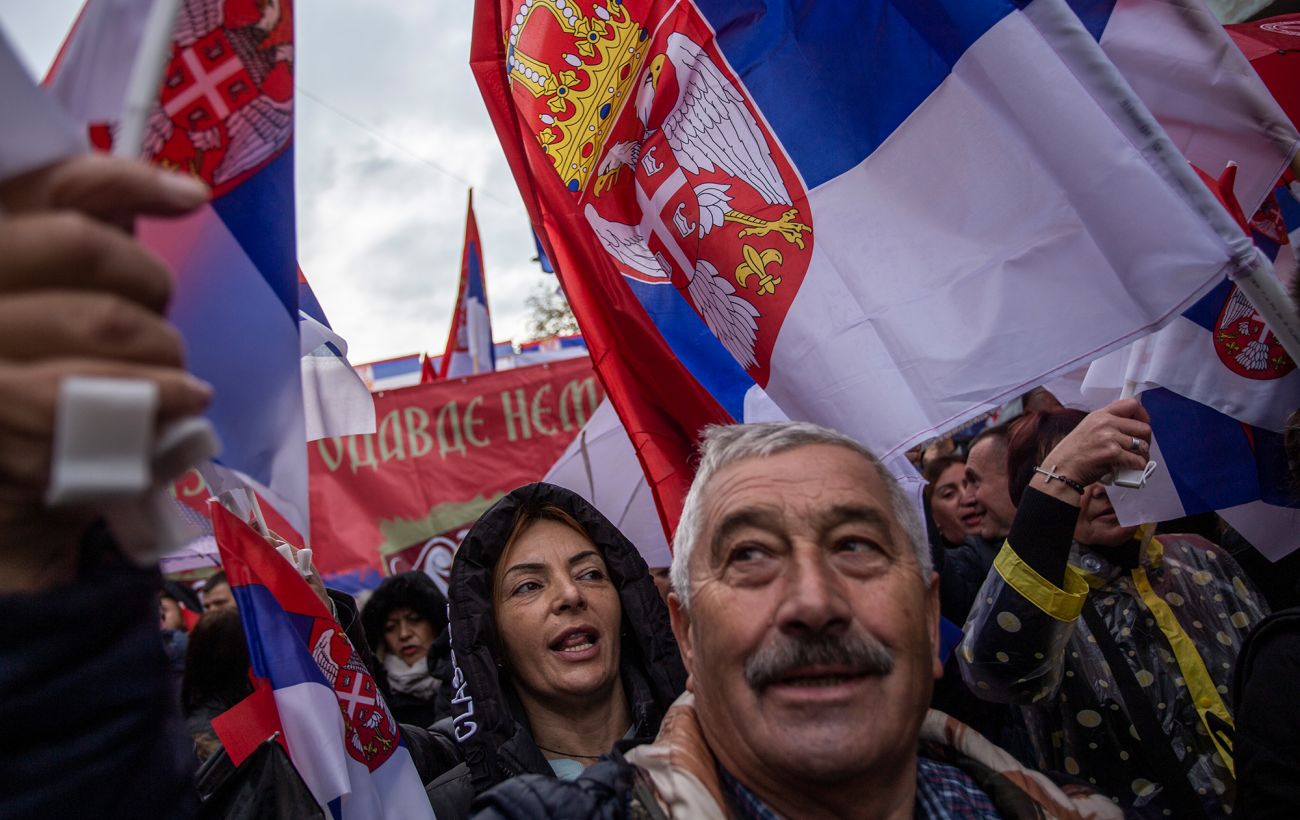
The sentiments of these citizens are reinforced by the ruling elite’s controlled media and are also used to continue cooperation with Russia and China. These states also oppose the West, but find some common interests in doing so.”
What can we expect next from Serbia’s policy?
“Lately, we can observe some rapprochement with the West. Belgrade is trying to do this not too openly. For example, I want to remind you that last year, it was noticed that Serbian ammunition was reaching the Armed Forces of Ukraine. After this information became known, Russia began expressing deep concern over these reports and announced that Moscow had requested Belgrade officials to take an official position on this matter. The Serbian authorities, particularly the president, stated that the country was selling ammunition to intermediaries. It was these intermediaries who were sending ammunition to Ukraine, and Serbia claimed it could do nothing about it.
This may suggest that certain behind-the-scenes or other agreements exist between Belgrade and Western countries.
Serbia also supports our territorial integrity, just as Ukraine supports the territorial integrity of Serbia, not recognising, for example, Kosovo as an independent state.
However, it is essential to understand that Serbia is unlikely to become a full-fledged ally at this stage. More likely, it will continue to balance. Apparently, Russia is currently trying to maintain its influence in Serbia. But the question of how much Russia can continue to exert influence there remains open. Still, I don’t think Russia can entirely rely on Serbia, especially if it manages to join the EU further. Apparently, Russia may lose much more influence in this country than it currently has. In fact, it’s a matter of time,” – explains Stanislav Zhelikhovskyi.
***
As in politics, the Serbian media outlets try to maintain a balance. On the one hand, they report events citing Ukrainian officials; on the other hand, they reference the Russian perspective. However, there is no viewpoint from a third party either way. Additionally, occasional overt manipulations and disinformation usually break through.
Anya Ostymchuk