

The situation with the export of Ukrainian agricultural products still remains in a tense state. The European Commission banned Ukraine from exporting a certain part of its agricultural products to 5 neighboring countries – Bulgaria, Hungary, Poland, Romania, and Slovakia. This is the first time such a decision has been made by this organization, and we decided to investigate this situation.
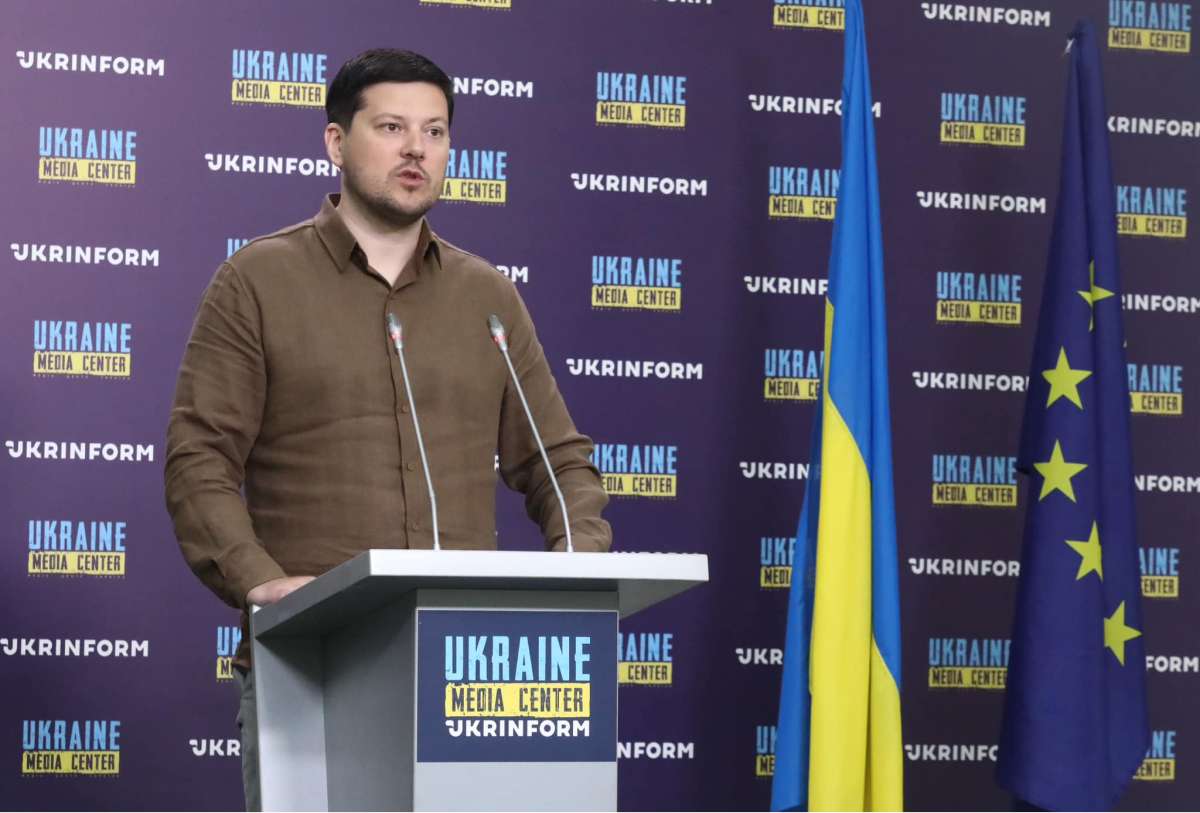
The Deputy of the All-Ukrainian Agrarian Council Denys Marchuk agreed to give us an interview, who noted that the behavior of neighboring countries is determined more by politics than by logistical or other problems. Some even use the war in Ukraine even for their election campaign. How import bans affected the economy of Ukraine and what is happening in the world now, read on.
Why was the import banned?
First (on April 16, 2023), the European Commission condemned Poland and Hungary’s ban on the import of Ukrainian grain, citing illegality, and then it itself banned up to 5 countries – Bulgaria, Hungary, Poland, Romania, and Slovakia. Is it legitimate? What agreements regulate these issues?
I will tell you a little more from a political point of view. Of course, such actions led to a decrease in the possibility of export, first due to the blockade by Poland (April 15, 2023), and then the stoppage of transit through our country. This caused a number of reactions from Slovakia, Hungary, and Bulgaria. Romania, by the way, did not stop importing Ukrainian products at that time. We can talk about this country only after the EU statement about five countries.
In general, this is an indicator of the fact that certain disagreements are taking place in the EU, because they directly contradict the principles of trade, thanks to which the EU was created. Moreover, when the European Commission made a decision to ban imports to five countries, it was stated that this was an exceptional decision. In fact, no justifications were given on the basis of which provisions this was done. We can see the application of 12 countries of the European Zone to the European Commission with a request to explain why such exceptional measures were applied to five countries. They also emphasize that this is contrary to the principles of trade established in the European Union.
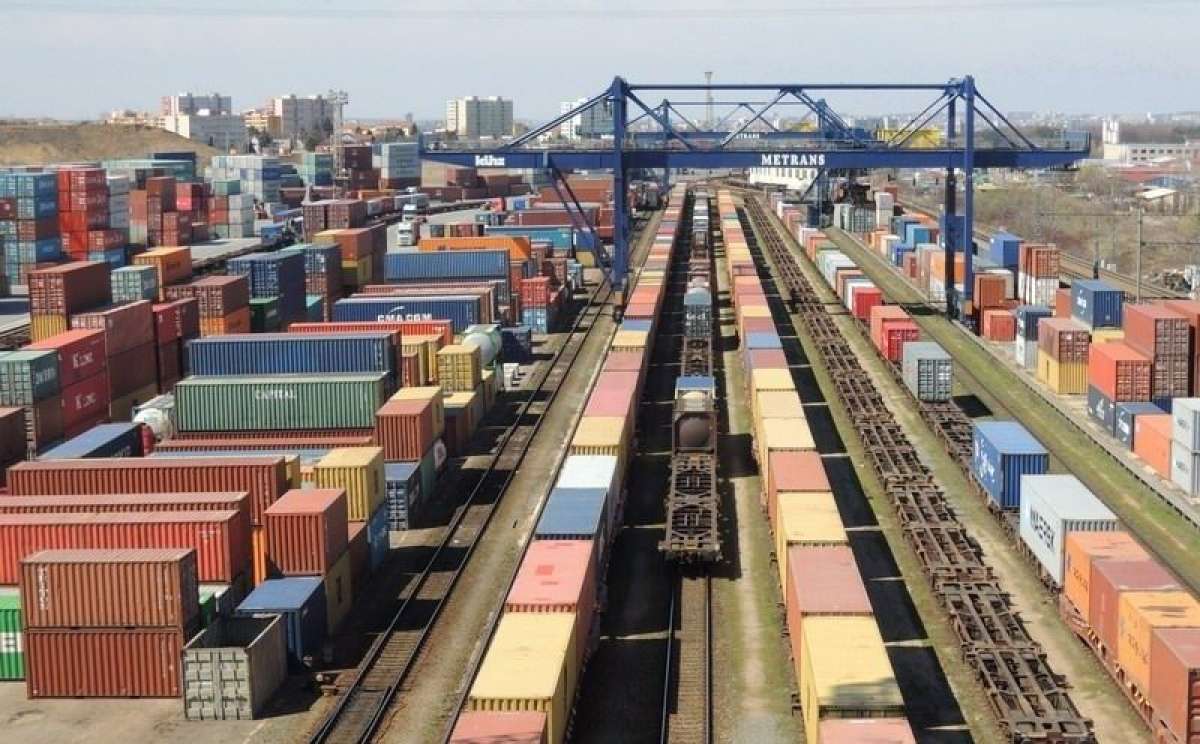
I think that this more detailed legal component of studying this issue will take some time, given that it is temporary in nature. In fact, the ban should be in effect from May 2 to June 5, 2023. And during this period of time, the European Commission created a special working group, which should investigate to what extent the influence and efforts of Ukrainian goods led to the fact that prices within these countries for products fell and whether they affected the logistics of these countries. And after that there will be an additional statement whether they will continue or not.
But in general, we characterize for ourselves that this already has a negative consequence for Ukraine in the context that we, taking advantage of the fact that Ukraine has no tariffs and no quotas, began to establish trade relations with the Eurozone of those countries that are near the border. In the conditions of the war, it is not necessary to spend a lot on logistics, and considering that logistics already takes a lot of money in our country, of course, many of the manufacturers began to look for contractors in Poland and Slovakia. These are not such large volumes that could lead to such a collapse of grain prices in the middle of these countries.
I will explain why. Because it is not even logical to increase the import of raw agricultural products to the countries of the Eurozone, which themselves grow a lot of agricultural products, which not only satisfy their internal needs, but they also export themselves.
What is the real situation on the Polish market? Are the protests of local farmers really the only reason for import bans, or are there other secondary factors?
We, for ourselves, see more politics, in particular with regard to Poland, which has in fact encouraged other countries, Slovakia, Romania, Hungary, Bulgaria, to make relevant statements and actions by its actions. That is why the policy in the context of the import ban underpinning such decisions is of such paramount importance. Let me remind you that in October 2023, there are parliamentary elections in Poland and actually a certain situation has developed with the agrarian electorate, because there are quite many farmers in Poland. They become farmers already when they have 5–10 hectares, 30 hectares is already an average farmer. So the millions of people who were a large electoral mass to support Kaczyński’s ruling party, as well as the traditional electorate, officially played this situation to their advantage.
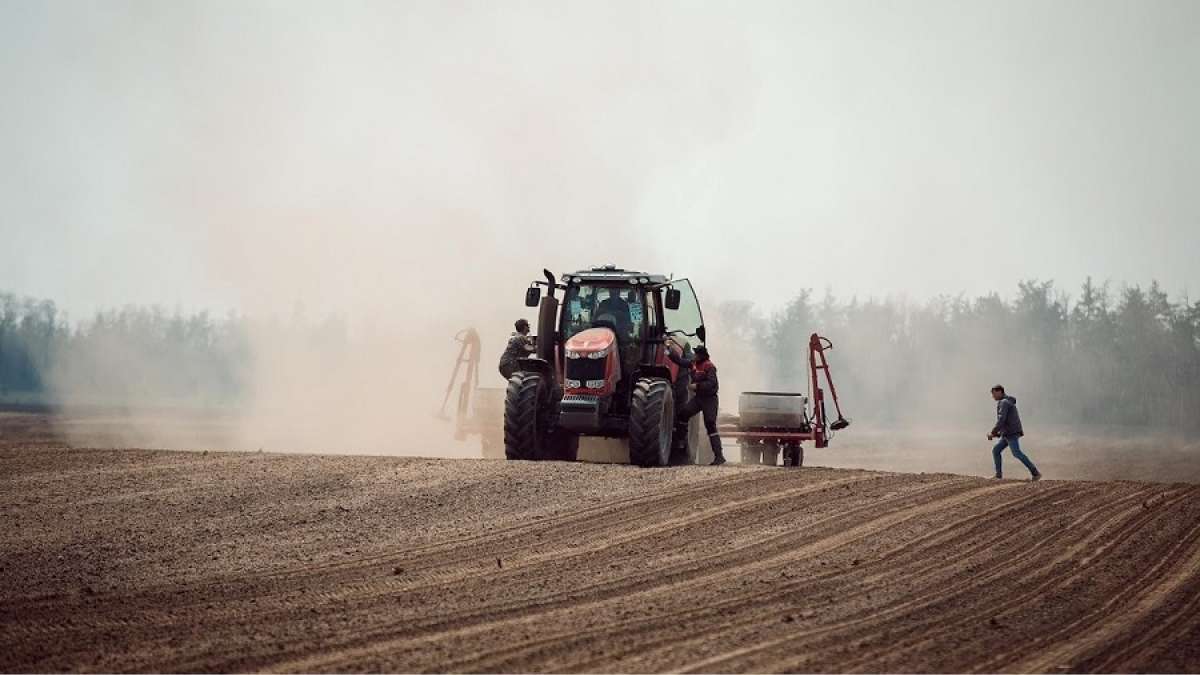
For our part, we, as a state, have made all the necessary statements. Moreover, at a recent meeting, when the President of the European Commission, Mrs. Ursula von der Leyen, came to Ukraine and met with [Volodymyr] Zelenskyy, it was announced that a joint working commission would be created in order to establish the possibility of exports from the territory of Ukraine, so that the corridor of solidarity towards the EU worked last week. The European Parliament adopted a decision to extend the duty-free, quota-free period for Ukrainian goods in the agricultural group, and with this additional stimulus they showed Europe’s political will.
Nevertheless, they supported us in such a difficult period of time for Ukraine, and provided an opportunity to export with the corridors of solidarity by road and railway, because this was caused by the need of wartime. Because the majority of the ports in Ukraine are in fact not working and everything is only moving within the framework of the grain corridor. Before the war, we transported 90% of agricultural products through all ports of Ukraine, the Black Sea and the Sea of Azov.
EU bans imports of wheat, rapeseed, maize and sunflower seeds to five countries due to logistical problems, how does it work? What do they mean by logistical problems, because transit to other countries is allowed, in particular through these same territories?
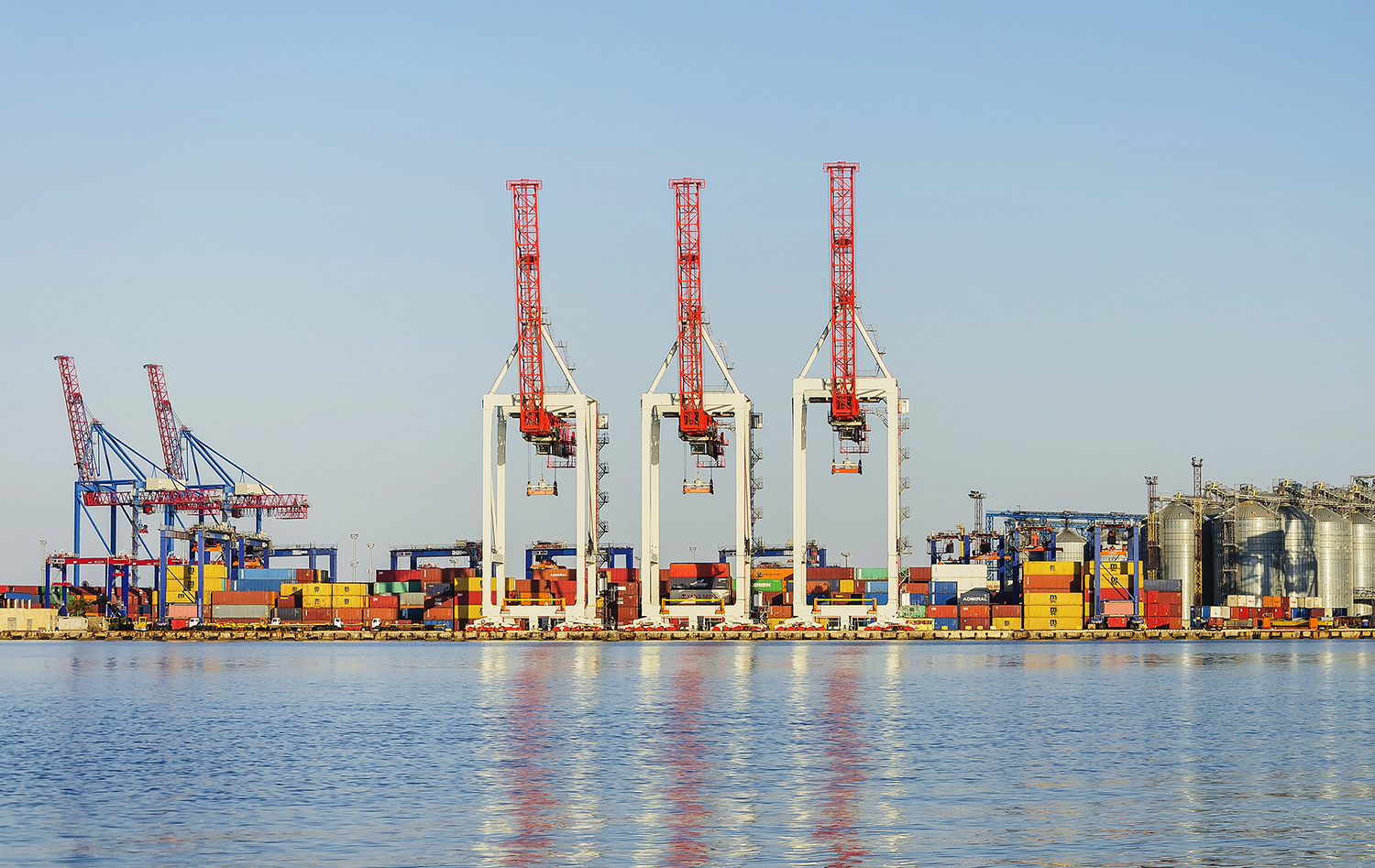
If seaports of Ukraine can export 7 million tons every month, then such a volume for seaports, for example, Gdańsk in Poland, may take several years. They can export 2-2.5 million tons per year. Imagine the limitations that exist. Accordingly, for such needs, they have not developed a storage system for grains in such a large amount. And of course, when foreign contracts began to be entered into, and grain left the territory of Ukraine, not everything could be delivered to the ports at once. So it was necessary to store them somewhere, in transshipment warehouses, elevators or open warehouses. Accordingly, all this was not enough. And all this was complicated by the fact that soon there will be a new harvest in the same Poland. And given that these warehouses are filled with leftovers that are being prepared for export, this has caused some concern, where will we store the new crop then. Therefore, actually, this logistical component, it really has the right to exist.
For many months, we have been talking about the possibility of expanding our cooperation with the EU in the context of the construction of dry ports on the territory of Western Ukraine, so that the grain that is sold can be stored for a certain period of time at those dry ports on the territory of Ukraine and not create obstacles with the movement of railways or cars and long queues. If there was a car going to sell goods to the EU, they could just ship it in those dry ports. And then from dry ports, as transport arrives from the territory of the EU, load and move to where it will be implemented.
This would improve work in Ukraine, because our wagons would be freed quickly. Now they can stand at the border for several weeks, due to the problem that we have a wide track, and the EU has a narrow track, and we need the work of reloading the wagons themselves, setting up and reloading grain trucks. That is why it is such a long procedure. Actually, these dry ports would provide an opportunity to improve the logistics system, which would help to understand not only Ukraine, but also the EU itself.
Currently, Turkey’s import duty on grain is 130% to protect local agribusiness. Poland also banned imports to itself for the same reason – was the volume of exports regulated earlier, and why did it happen that these and other countries did not take into account the interests and capabilities of local farmers?
For Ukraine, the issue of Turkey is not catastrophic, because it does not concern our grain, which moves to this country. In Turkey, there are two taxation systems for imported goods. They imposed an increase in the duty on imports that go to the middle of the country that is sold on their market, in fact, they raised it to 130%. But if you look at most categories of goods that go from Ukraine to Turkey, they fall under the second category, which is subject to zero duty.
I will explain why. These are goods that Ukraine sells to third countries within the framework of trade relations with Turkey. That is, Turkey acts as a transit country, through which it then moves from Turkey to other countries, or Turkey buys Ukrainian grain, for example, wheat, processes it into flour, and the same flour is also supplied to other countries. Therefore, 95% of the goods that we transport today from Turkey usually fall under the second duty, so there is no disaster and betrayal.
As for Poland, I would insist that Polish farmers have not suffered much. I believe that the political component played a greater role, which was used quite freely by certain parties. They wanted to get for themselves Polish associations working in the agricultural sector. I will give you a simple example. In March 2022, during the active phase of hostilities on the territory of Ukraine, Polish farmers sold wheat for 400 euros and, of course, they wanted to sell it in the same way in March 2023. But prices in the world fell, because of global trends, but not because of Ukraine.
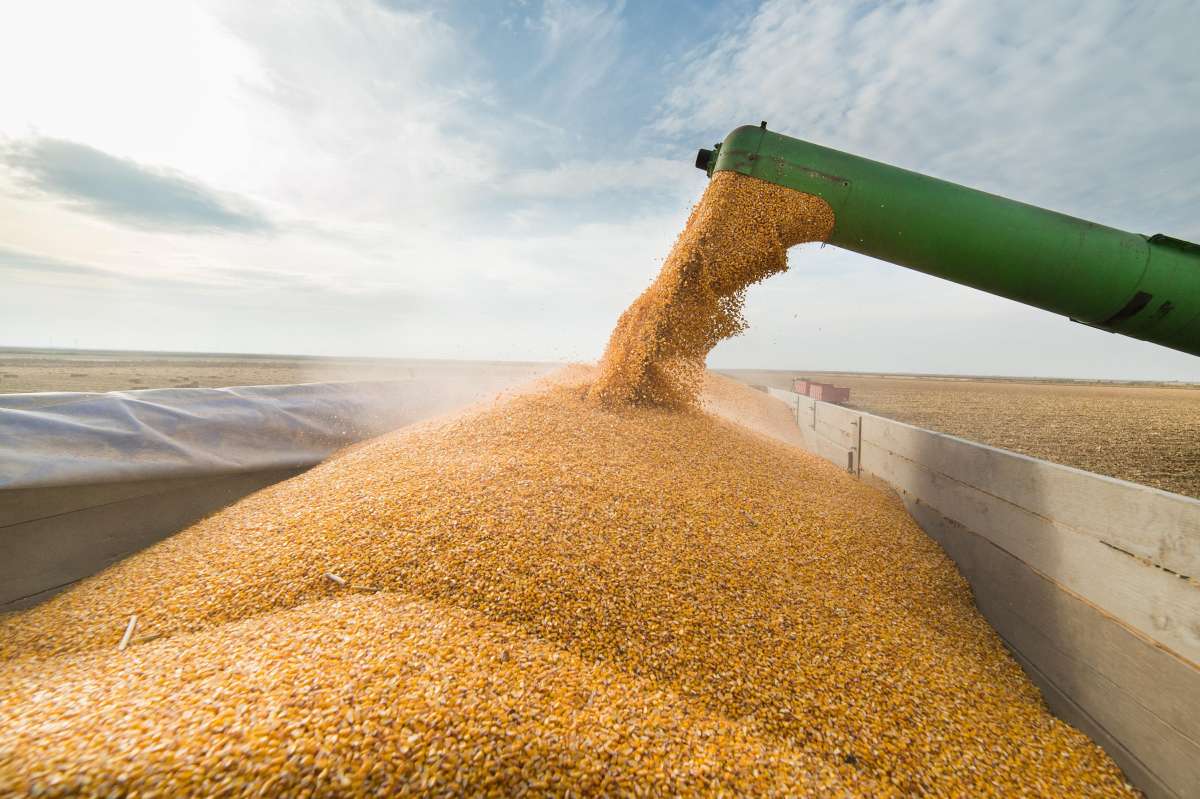
Plus the position of their previous minister of agricultural policy, who heated up this situation by promising in November 2022 that in the spring 2023 it would be possible to sell products more expensively. There is an excessive desire to obtain profits at the expense of the war in Ukraine. And, in fact, a political statement that complicated the situation with Polish farmers. But believe me, it is only possible for Polish producers to get average incomes today. But, all the same, our products are competitive. Polish farmers, both from the domestic budget and from external funds, receive compensation per hectare. I think they will figure it out there in the near future.
Moreover, the Eurozone has already promised them 2 tranches of aid. At the end of March 2023, those 200 million euros. Now there will be the next tranche of 100 million euros for these five countries. No need to worry so much about them.
Is the Hungarian ban related to the country’s pro-Russian views, or is the problem really the loss of local farmers?
If you follow the trend of Hungarian decisions that concern Ukraine, it really contains such an engaged political character, because it concerns not only the import of Ukrainian products. We have also seen this with the bans on providing financial support for armaments in Ukraine. They always inhibit any decisions of the European Union regarding aid to Ukraine. Therefore, a certain political situation is being followed here.
But there is one nuance that I would like to mention. This is what, for example, after the country’s government banned imports, Hungarian associations, including those engaged in meat production, spoke out against it, because the market for Ukrainian corn imports, which were sold at their processing enterprises, was closed for them. There the feed base was made for animals. They had a crisis, they didn’t know what to do, and they were categorically against it.
It is the same in Poland. Many associations and business structures opposed such decisions, because it hit the economy of enterprises that fill the budget very hard. Farmers are not a budget-filling component of Poland. There they are subsidized more than what they pay. Therefore, yes, Hungary may have such a political component in relation to Ukraine.
How import bans affected Ukraine
What impact do such bans have on the economy of Ukraine?
The National Bank of Ukraine estimated that the losses reached more than 200 million euros. If this continues after June 5, 2023, we can state that the losses will be calculated every month in an equivalent amount. For us, this is a lot of money during the war. We cannot afford it.
We are fighting for every hryvnia that goes to the budget of Ukraine today, to pay for social costs, and to support the Armed Forces of Ukraine. Because we know that, as a state, we can allocate those funds to military needs. Therefore, the support of the military depends on what we earn. Every financial loss is negative for the defense capability of the country, including.
In February 2023, there were long queues in the Bosporus from Ukrainian vessels due to deliberate delays on the part of the Russians. What is the current situation? What impact did it have on Ukraine and the countries of Asia and Africa?
The situation continues [for example, on the morning of May 20, 2023, only two ships left the Bosporus in the direction of the port of Odesa]. In fact, we have had blockages there since April 2023, and they continue to do so now. We have come to a certain dead end with the negotiations regarding the continuation of the grain corridor, and this is reflected in the export from the ports of Ukraine. Currently, there is a blocking of entry through the Bosporus to the territory of Ukrainian ports of international vessels, those vessels that are still standing there to load will slowly leave – new vessels do not enter.
This is due to the fact that Russia announced that the grain agreement will be valid only until May 18. Well, actually, it created a certain crisis. How is this reflected in foreign markets? Diplomats say this very seriously, because they know what it is like, when last year the suspension of the ability to export due to Russian port blockades led to a sharp rise in world food prices, especially in poor countries.
Well, now the suspension of the grain corridor actually suspends the timely supply to Africa, so about 19 million people there are at risk, who do not receive enough food in time. If we are talking about the impossibility of exporting from the territory of Ukraine, then this figure will grow to 250 million people who become hostages of this food terrorism carried out by the Russian Federation, exclusively within the framework of its political positions towards the world and Ukraine.
Will the grain agreement with Ukraine be extended?
A week ago, the partners stated that they would continue 100%. We have now moved to the online process and the meeting has not yet taken place. We have guarantees of signed agreements with Turkey. As Ukraine, we have not signed anything with Russia, we are not conducting any negotiations. Therefore, we cannot directly influence there and talk with Russia.
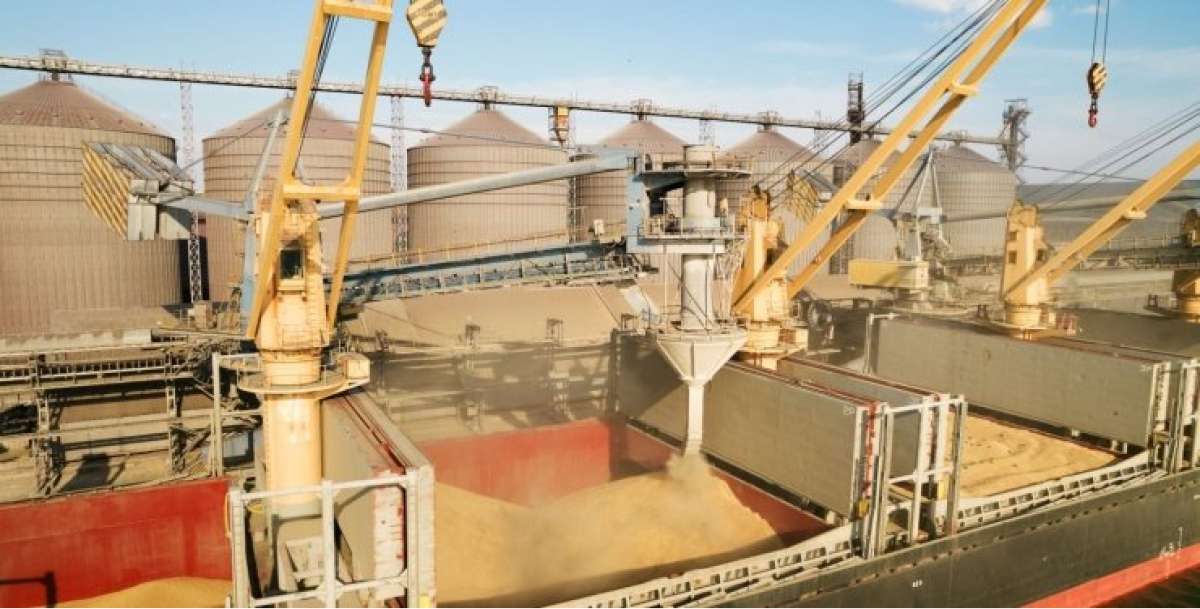
We are actually hostages of the situation of negotiations conducted by Turkey. Will it be possible for Turkey to find, once again, a solution to influence Russia. I am an optimist in this regard, given that there will be a second round of elections in Turkey. And when it is now necessary to fight for every vote again, I think it will be another opportunity for Erdogan to demonstrate his policy of negotiating and establishing contacts. Therefore, it may not be May 18, but in the near future we may receive an extension of the grain corridor for 60 days.
What will happen after the next 60 days is a little harder to say, given how the Turkish election will end. Because if Erdoğan wins, a continuation is possible. If the opposition candidate wins, it may cause certain waves of misunderstanding between Russia and Turkey. That is, it may take time and the corridor may not work, roughly speaking.
What will be the situation in the future with the export of products currently banned by the European Commission?
We do not sell much to Poland, Romania or Hungary. Exports will be carried out to other countries of the European Union, through grain corridors and logistics of the European zone, including using the ports of Poland and Lithuania to third countries of the European Union.
That is, we are an export-oriented country – we grow three times more than we consume. We cannot keep everything to ourselves and hope that someone will compensate us for it. We need to develop markets and reach out to external partners who will buy it. There is global demand. Another problem is that this season we will have much less of all these crops, due to a decrease in the amount of the harvest.
Which countries import the most Ukrainian grain and products?
Our map has practically not changed, even in the context of hostilities. These are the European Union, the Middle East, Asia (especially China), and North and Central Africa.
Tetiana Stelmakh